


Antique Porcelain Basin
An antique porcelain basin brings historic ceramic craft into daily domestic use, combining utility with distinct period ornamentation.
Antique Porcelain Basin
An antique porcelain basin encompasses a broad array of utilitarian and decorative vessels, including large punch bowls, washstand sets, footbaths, and jardinieres originating from eighteenth-century Europe and Asia.
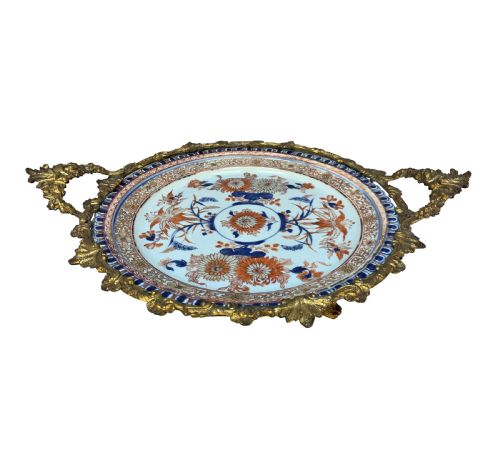
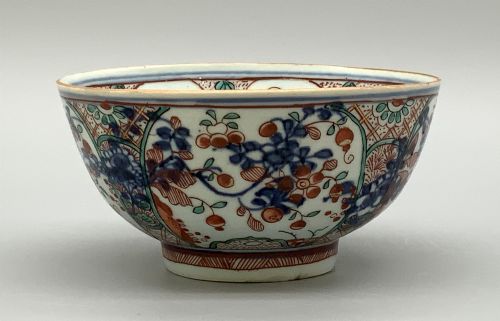
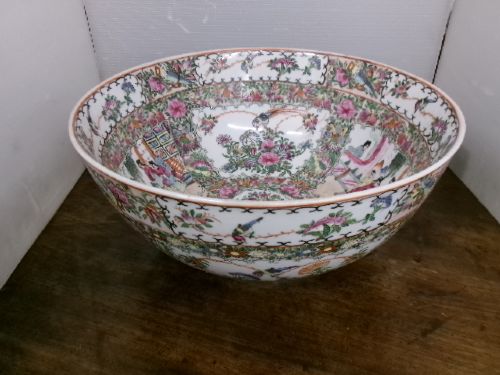
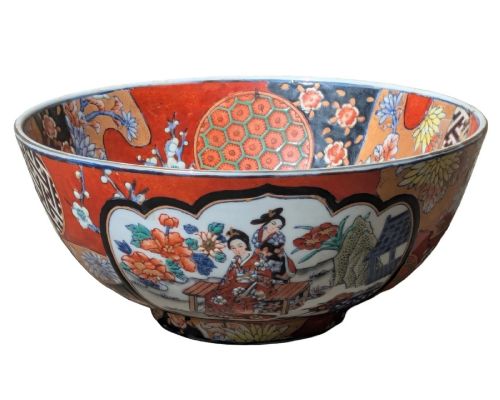
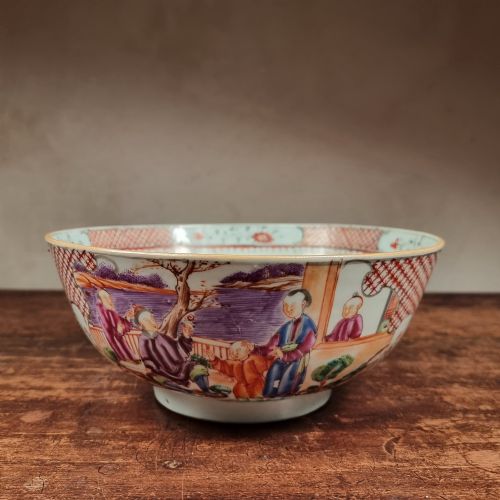
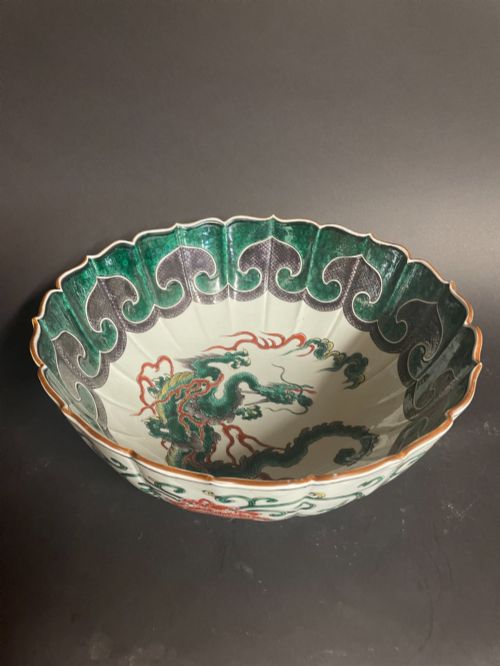
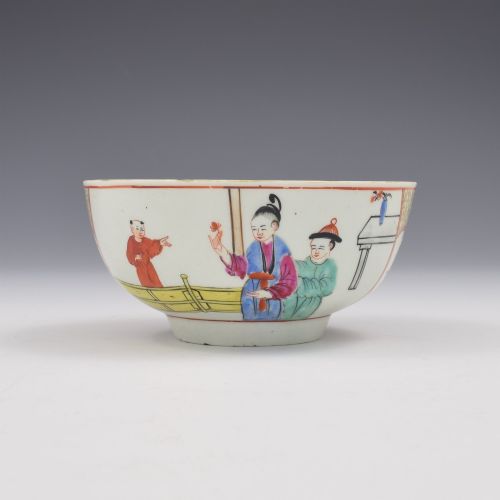
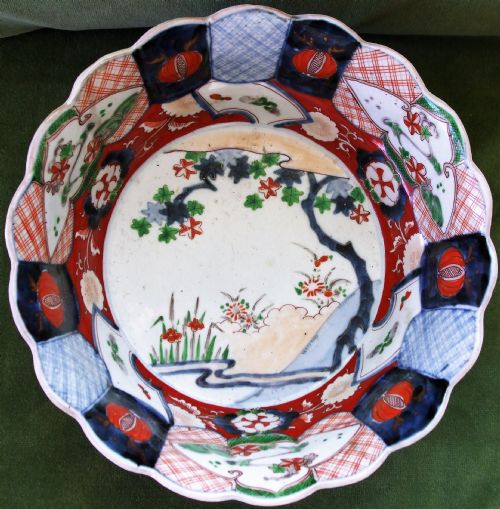
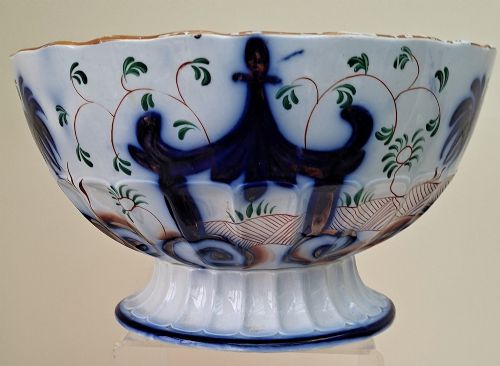
The version most commonly encountered on this page is the nineteenth-century Japanese Imari bowl or the larger Chinese Canton and Famille Rose decorative dish, often featuring scalloped edges and hand-painted motifs.
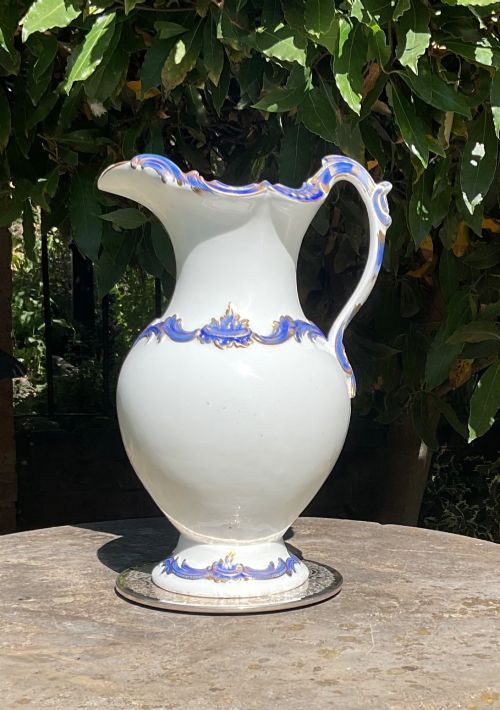
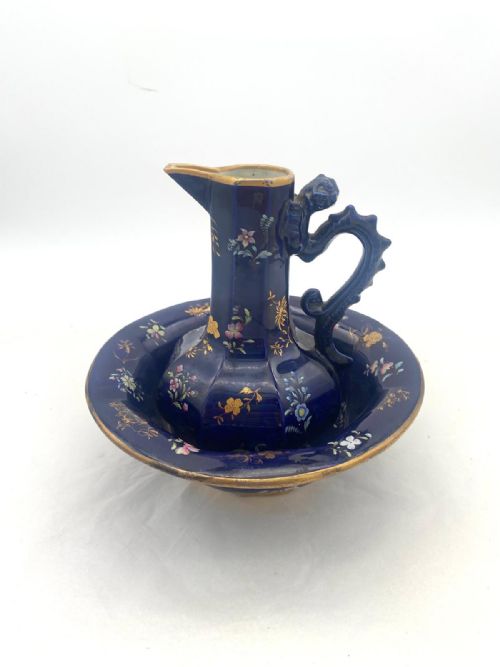
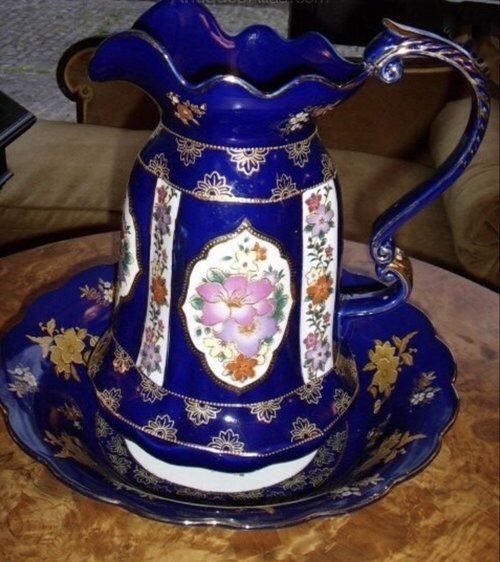
Buyers also encounter complete wash sets and water jugs from the Victorian and Edwardian eras, alongside English factory productions from Worcester, Spode, and Mason's Ironstone.
Materials and construction
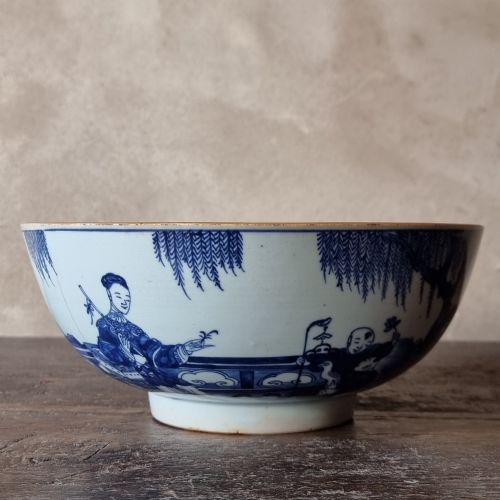
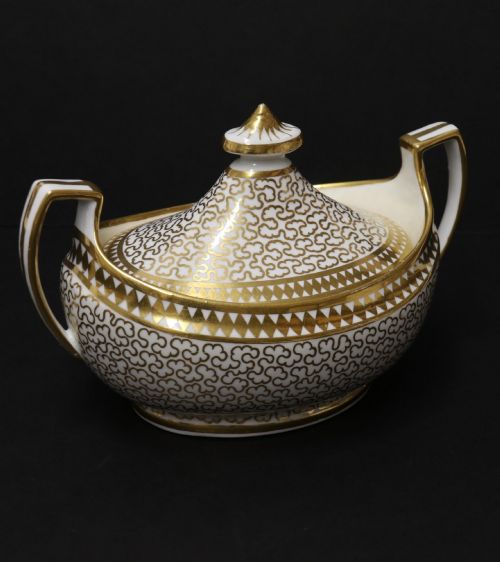
Makers shaped fine porcelain, earthenware, and ironstone into robust forms before applying cobalt glaze, enamel colours, and sometimes gold leaf or ormolu mounts.
Decoration relied heavily on hand-painted pigments and transfer printing techniques, followed by high-temperature firing to vitrify the glaze and secure the polychrome details.
Certain Japanese brush washers preserve tiny climbing figures that appear to scale the rim while observers peer into the basin.
Assessing craftsmanship
Quality rests in the precision of the hand-painted brushwork, the clarity and depth of the cobalt or polychrome glaze, and the preservation of any applied gilding or metal mounts.
Praising pieces depends upon the crispness of moulded details, such as scalloped edges and relief figures, as well as the historical integrity of factory marks and signatures.
Dr Wall Worcester·Chamberlains Worcester·Spode·Masons Ironstone·Royal Crown Derby·Doulton Burslem·Heathcote·Ryuzan·Nikko·Kōko
The Antique Porcelain Basin Glossary
- Imari
- A style of Japanese porcelain featuring a palette of underglaze blue, iron red, and gilt, widely exported to Europe.
- Famille Rose
- A major palette of Chinese ceramic glazes introduced in the eighteenth century, distinguished by opaque pink or rose enamel colours.
- Sucrier
- A small lidded sugar bowl designed for use on the tea table during the eighteenth and nineteenth centuries.
- Jardiniere
- An ornamental ceramic pot or basin intended to hold growing plants or flowers.
- Slop bowl
- A ceramic vessel used during tea service to discard cold tea or dregs from cups.
Antique Porcelain Basin: Frequently Asked Questions
How were antique porcelain basins used originally?
Many examples served practical hygiene functions as part of washstand sets, holding water for morning ablutions alongside matching jugs.
Larger vessels functioned as punch bowls for communal dining, decorative jardinieres for plants, or specialised receptacles on the tea table.
How do I care for an antique basin?
Clean ceramic surfaces gently using warm water and a mild soap, avoiding abrasive cloths or harsh chemical cleaners that might degrade historic enamel.
Protect gilt accents and ormolu mounts from moisture, and keep heavy decorative pieces away from high-traffic edges where accidental knocks might occur.
How can I tell Japanese Imari from Chinese export porcelain?
Japanese Imari typically displays a dense iron-red and cobalt-blue scheme heightened with gold on a slightly greyish or crisp white body.
Chinese export pieces often utilise softer pastel tones, such as the pink enamels characteristic of Famille Rose, paired with distinct floral or figural compositions.
What periods do these porcelain basins cover?
The selection spans from the early eighteenth century through the Victorian and Edwardian eras up to the early twentieth century.
Examples range from Kangxi period Chinese vessels to late Meiji Japanese pieces and twentieth-century English factory wares.