

Cast Bronze Figure
When you search for a cast bronze figure, you enter a world of metalwork spanning classical deities, animals, and human subjects across multiple centuries.
Cast Bronze Figure
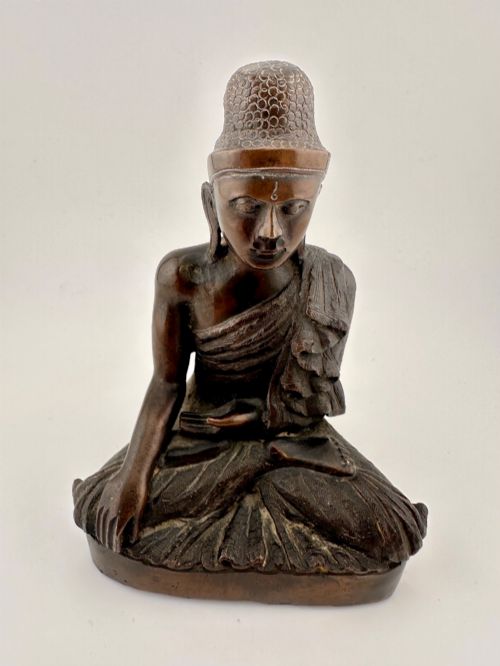
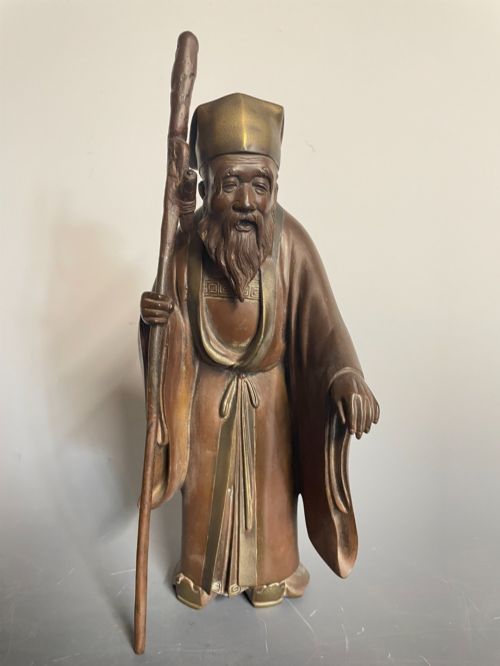
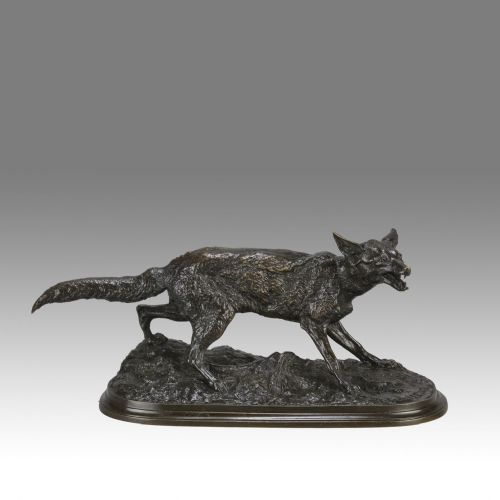
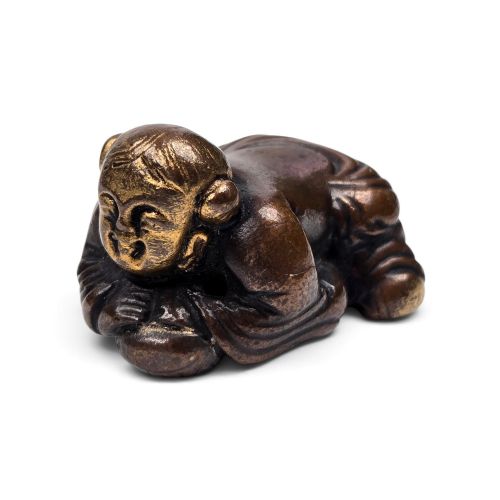
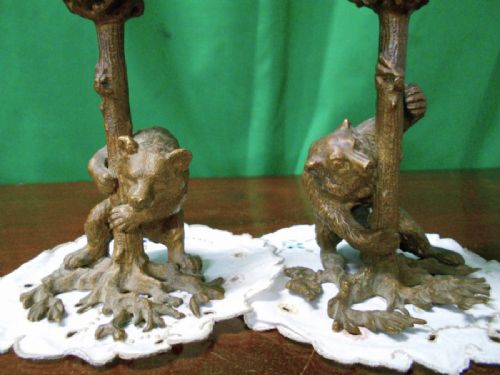
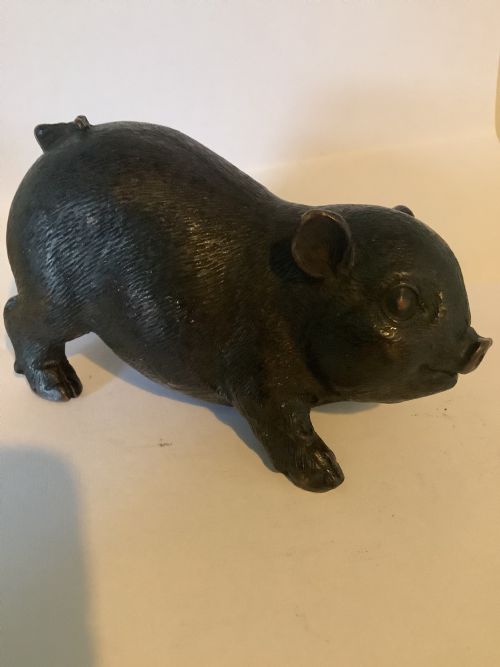
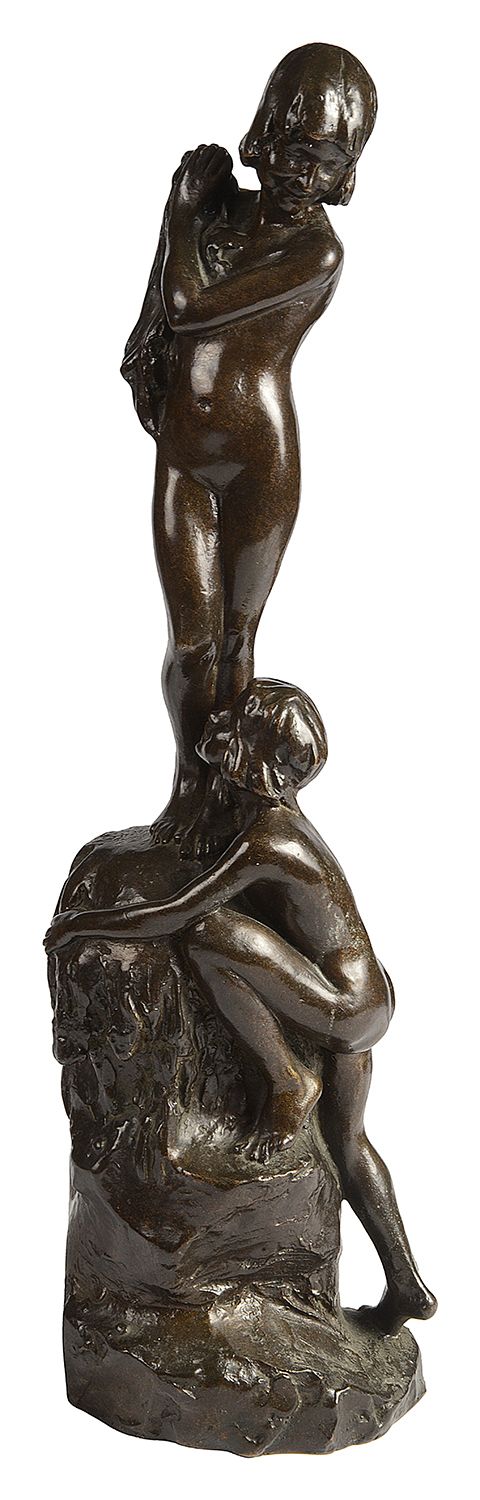
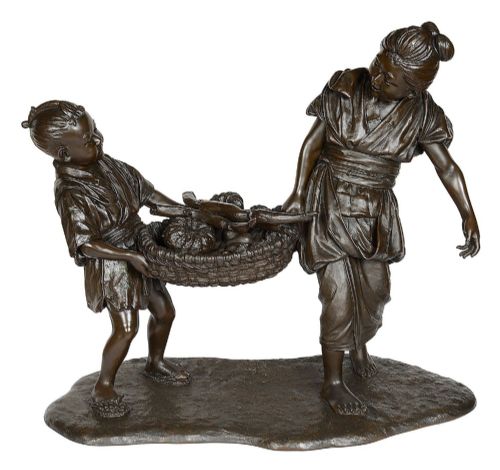
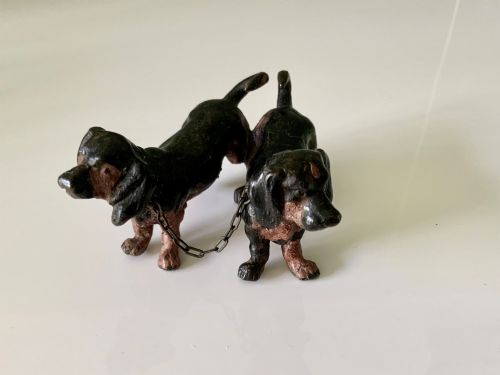
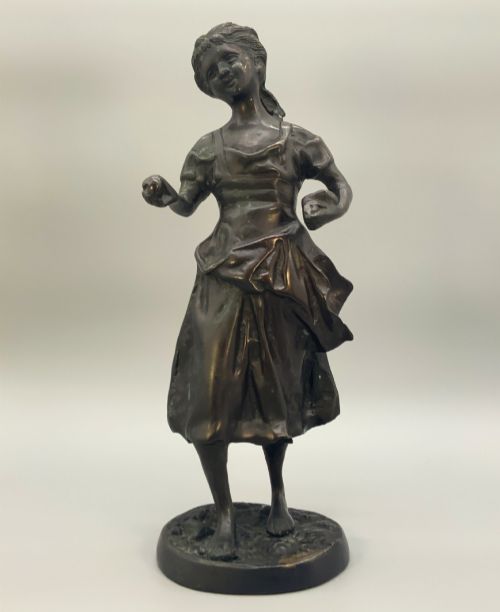
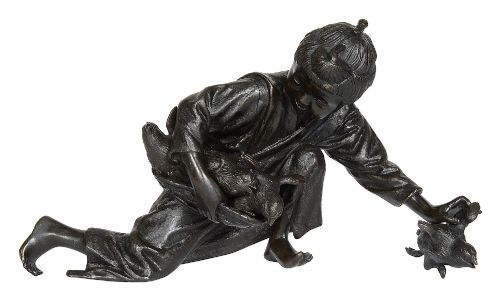
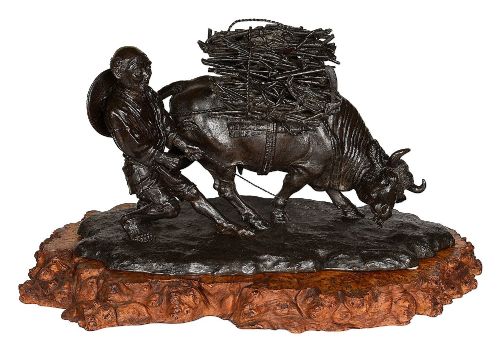
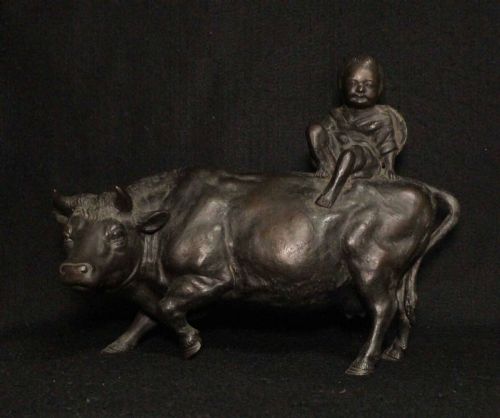
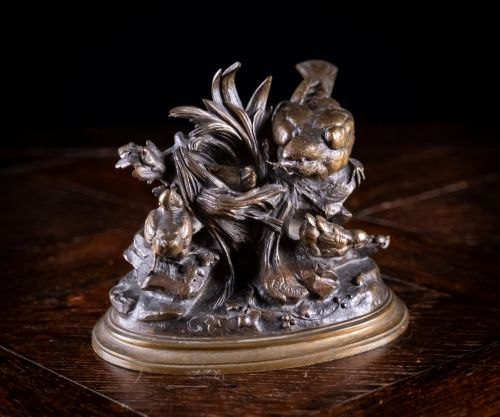
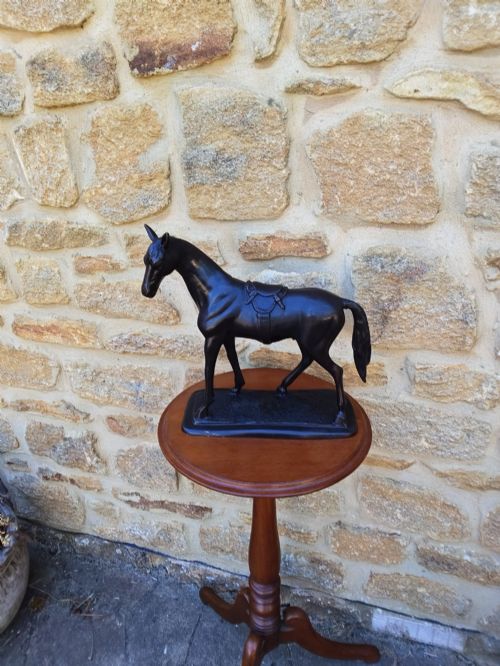
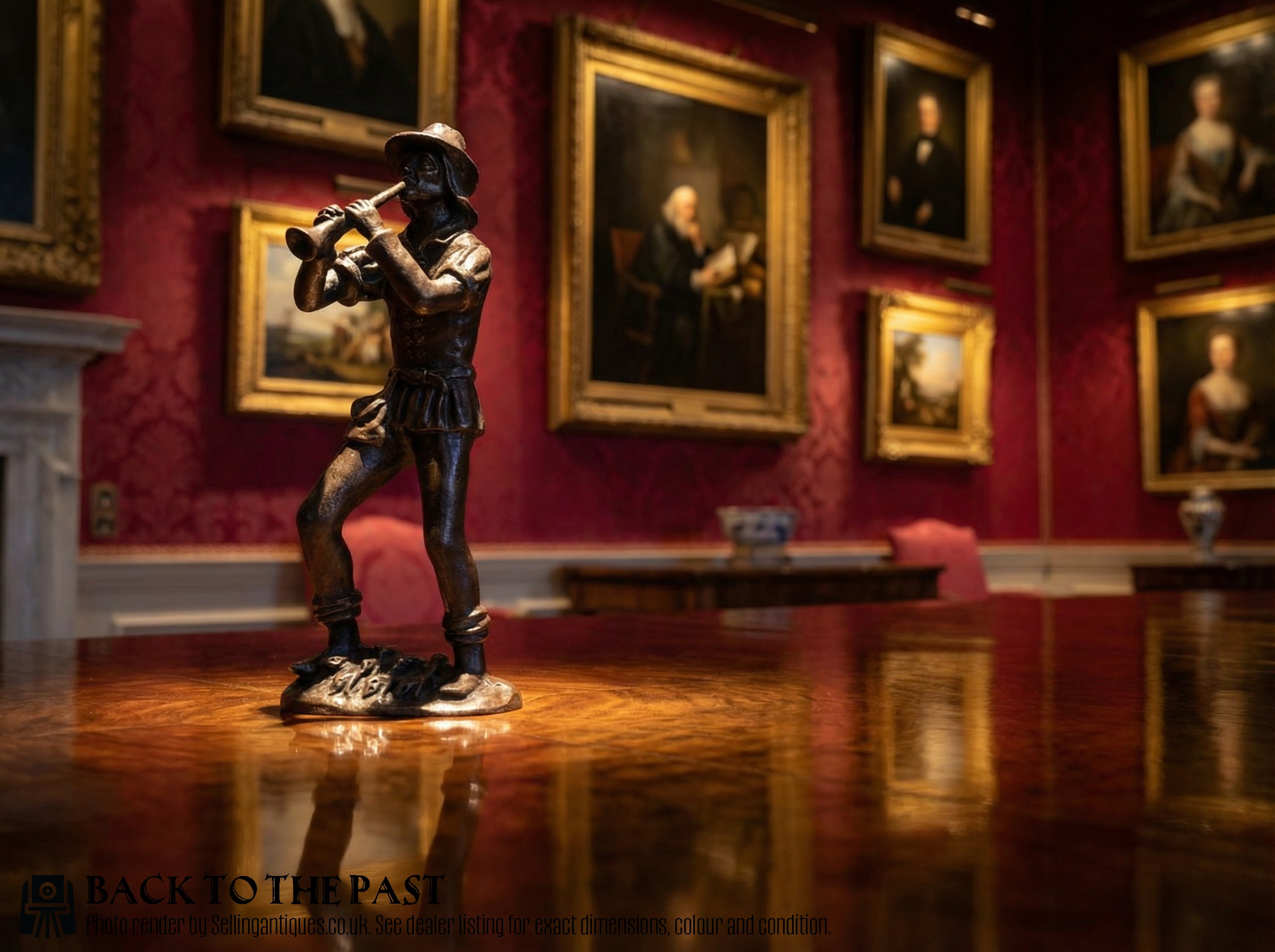
A cast bronze figure represents a broad spectrum of sculptural works, ranging from nineteenth-century animalier studies of wildlife to classical human subjects and Eastern deities. Buyers searching for a cast bronze figure frequently encounter works originating from European foundries, Japanese Meiji period workshops, and Austrian cold-painted studios. These pieces manifest primarily as standalone sculptures, desk weights, and decorative companions.
The selection encompasses Victorian romantic subjects alongside Art Nouveau busts and Grand Tour souvenirs derived from Italian Renaissance originals. Animal subjects, from bears and hounds to elephants and stags, appear frequently alongside human figures rendered in various historical or mythological contexts. These objects served as desk ornaments, mantle garnitures, and cabinet pieces for collectors.
Originating across the nineteenth and early twentieth centuries, these figures demonstrate the widespread adoption of metal casting for domestic display. The forms vary from small tabletop desk accessories to larger statues set upon marble plinths. Every piece reflects the prevailing aesthetic tastes of its period, whether French naturalism or Japanese okimono.
Materials and methods of creation
The primary material across these pieces is bronze, often complemented by patination, select fire-gilding, or cold-painted polychrome pigments applied to the surface. Foundries utilised traditional metal casting techniques to produce solid or hollow forms with varying wall thicknesses. Certain works combine the metal body with integrated elements of marble bases, ivory tusks, or wood supports.
Cast Bronze Figure Retail Price Guide 2026
Typical asking prices for cast bronze figure among the pieces listed under this phrase on Sellingantiques today, from the lower quarter to the upper quarter. They describe what is for sale here now, not the wider market.
Listings feature works spanning the 17th century to the mid-20th century, incorporating materials like marble, brass, paint, and patinated bronze.
Evaluating sculptural quality
Quality in a cast bronze figure rests upon the crispness of the chasing and the fidelity of the metal capture to the original model. Superior examples retain sharp feather, fur, and muscle definition without losing detail to over-polishing or worn mould seams. The sensitivity of the surface patina further distinguishes finer foundry work from utilitarian production.
The integrity of the composition and the weight of the cast contribute significantly to the standing of a piece. Finer sculptures demonstrate careful balancing of forms, whether depicting a dynamic animalier subject or a static classical bust. Artisanal care is visible in the smooth integration of the metal figure with its supporting base or plinth.
P J Mêne·E Villanis·Franz Bergman·Christophe Fratin·Antoine L Barye·Moreau Family
The Cast Bronze Figure Glossary
- Animalier
- A nineteenth-century artistic movement and style focused on the realistic depiction of animals, particularly predators and prey in motion. Sculptors in this tradition studied anatomy closely through life observation.
- Cold-painted bronze
- A manufacturing technique where paint is applied to a cold bronze surface rather than fired in a kiln. Austrian foundries utilised this method extensively for decorative figures.
- Patinated bronze
- Metal treated with chemical solutions to produce a controlled surface coloration ranging from green and brown to near black. This treatment protects the underlying alloy and enhances visual depth.
- Grand Tour
- A cultural journey undertaken by nineteenth-century Europeans to view classical antiquities, prompting a market for souvenir bronzes. These reproductions often depicted famous Italian sculptures.
- Okimono
- A Japanese term for an ornamental object designed for display on a shelf or in a tokonoma alcove. Many Meiji period examples exported to the West were cast in bronze.
Cast Bronze Figure: Frequently Asked Questions
How are these figures cleaned safely?
Dusting with a soft, dry brush is generally sufficient for maintaining the surface of a bronze sculpture. Avoid using chemical polishes, abrasives, or water, as these treatments can strip the historic patina.
Professional conservation is recommended if oxidation or heavy grime obscures the details of the metal. Keeping the object away from direct sunlight and high humidity preserves the stability of the alloy and finish.
What does cold-painted mean?
Cold-painting refers to a decorative method where oil or enamel paints are applied directly to the surface of a bronze object without high-temperature firing. This technique allowed makers to achieve vibrant, lifelike coloration on small animal and human figures.
Because the paint sits on the metal rather than fusing with it, these surfaces require careful handling to prevent flaking. Surviving pieces with intact cold-painting remain particularly sought after by collectors.
How do I identify an animalier bronze?
Animalier bronzes focus intently on the natural behaviour, musculature, and movement of animals, often showing them in dramatic or everyday poses. These works emerged prominently in nineteenth-century France through the output of dedicated specialist sculptors.
Examining the base often reveals signature stampings or foundry marks associated with prominent European animalier workshops. The casting technique typically emphasises textural rendering of fur, manes, and naturalistic ground bases.