
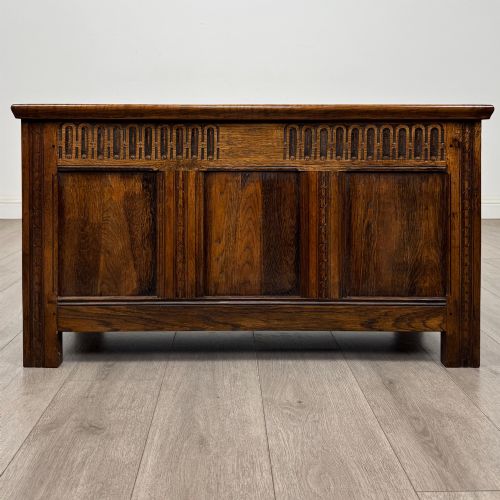


Carved Oak Storage Chest
A carved oak storage chest provides rugged utility and rich period texture, whether you choose an early joined coffer or an Edwardian blanket box.
Carved Oak Storage Chest
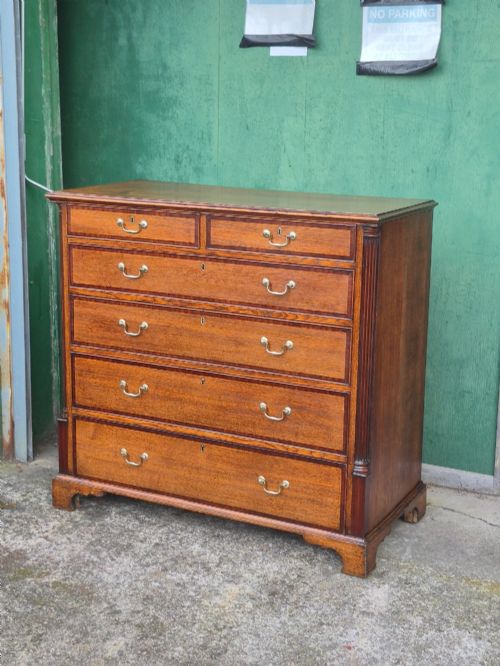
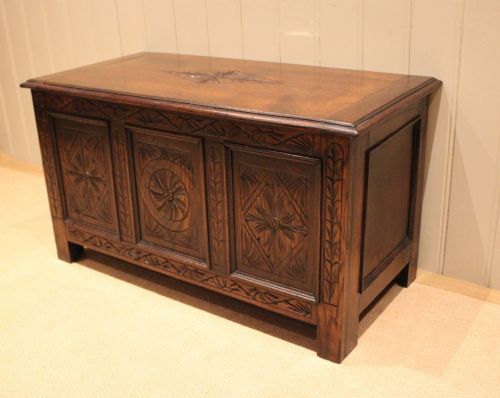
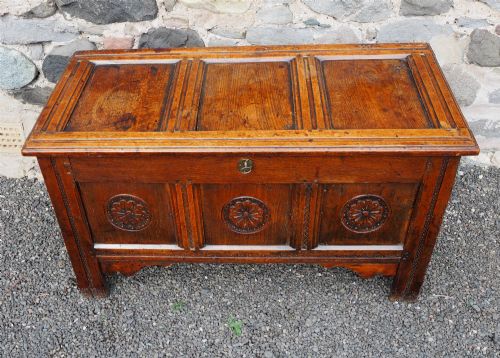
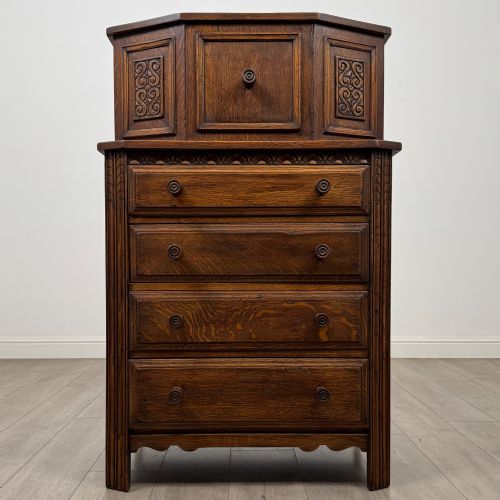
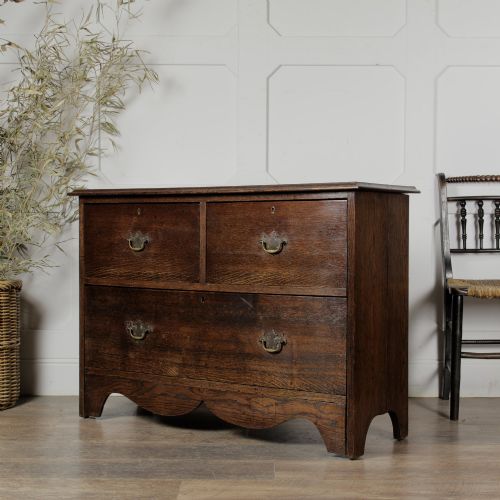
When you search for a carved oak storage chest, you encounter a robust tradition of utilitarian box furniture spanning several centuries. These pieces function primarily to secure and store domestic goods, ranging from heavy seventeenth-century boarded coffers to lighter twentieth-century blanket boxes and occasional chests of drawers.
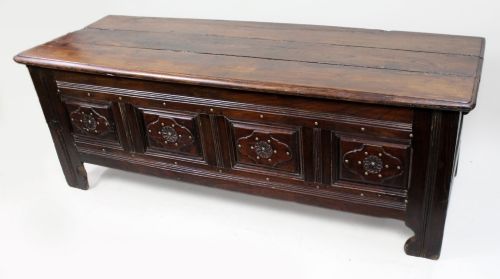
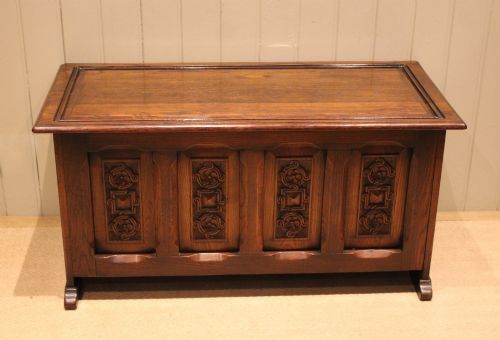
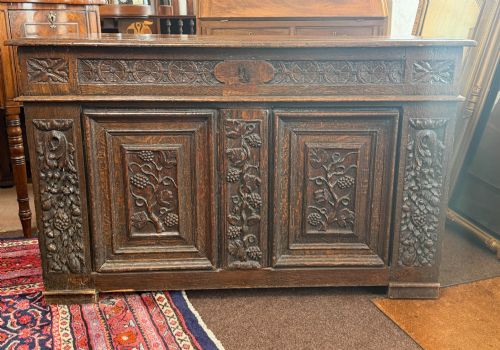
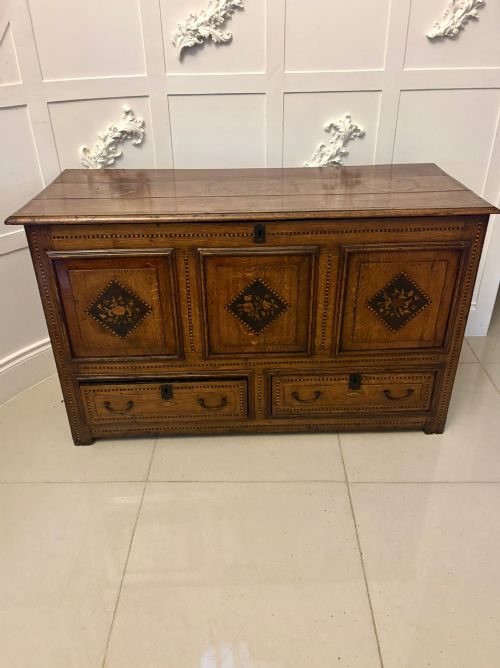
The evidence shows that the 17th Century and 18th Century examples dominate in vernacular forms like panelled coffers and cassones, alongside later Edwardian and 1930 adaptations in solid oak. You are most likely to meet panelled coffers featuring traditional carving, alongside occasional variations with marquetry inlay or fitted interiors.

How they were made
Joiners constructed these chests predominantly from solid oak, utilising pegged mortise and tenon joints to build rigid frames around inset panels. Iron and brass hardware such as strap hinges, locks and carrying handles provided essential functional reinforcement.
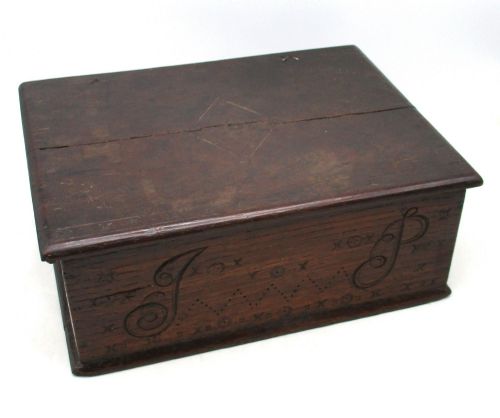
Makers embellished surfaces through chip carving, relief carving and occasionally wood inlay or marquetry, establishing decorative patterns that defined regional styles like Jacobean or French Provincial.
Carved Oak Storage Chest Retail Price Guide 2026
Typical asking prices for carved oak storage chest among the pieces listed under this phrase on Sellingantiques today, from the lower quarter to the upper quarter. They describe what is for sale here now, not the wider market.
The listings show periods ranging from the 16th Century through to the 1930s, executed primarily in solid oak with occasional pine and metal hardware.
What varies in quality
The hierarchy of quality rests upon the integrity of the timber, the depth and crispness of the hand-carved detail and the preservation of original construction elements. Early joined pieces displaying untouched surface patination and period ironwork occupy the upper tier of desirability.
Lower tiers encompass later revivals or pieces that have sustained heavy timber replacement and unsympathetic surface stripping, which diminishes the tactile warmth and historical coherence of the oak.
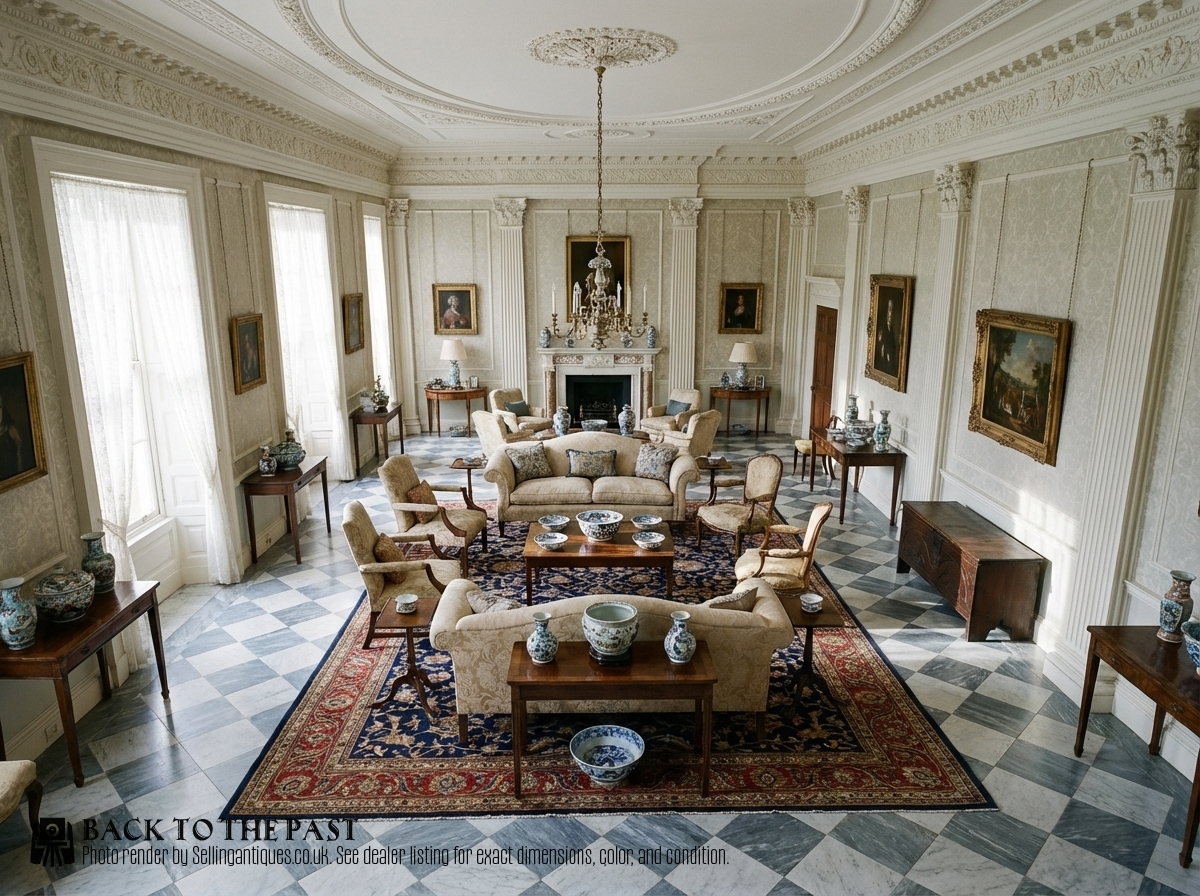
The Carved Oak Storage Chest Glossary
- Coffer
- A traditional heavy wooden chest used for storage, typically constructed with framed panels and raised on stile feet. It serves as the direct ancestor to the modern blanket box.
- Mule chest
- A storage chest featuring one or more drawers built into the base beneath the main compartment. This form bridges the gap between traditional coffers and chests of drawers.
- Marquetry
- The art of applying decorative veneer pieces in wood to form intricate geometric or floral patterns. It appears on select refined storage pieces alongside standard carving.
- Linenfold
- A style of wood carving that imitates folded vertical strips of linen. This motif frequently decorates the panels of 16th and 17th century pieces.
- Cassone
- A traditional Italian chest used for storing household valuables, sometimes adapted or noted in period British listings. It shares the fundamental utility of the standard storage coffer.
Carved Oak Storage Chest: Frequently Asked Questions
How do I date an oak coffer?
Dating relies heavily on construction methods, such as the presence of hand-split boards, pegged joints and early style ironwork. Stylistic clues like Jacobean carved panels or specific dated inscriptions also help pinpoint the origin.
Later revival pieces often display machine-cut timber marks or standardised fixings that distinguish them from genuine 17th or 18th century examples.
What is the difference between a coffer and a mule chest?
A standard coffer is simply a deep lidded box accessed entirely from the top. This makes retrieval of items at the bottom somewhat awkward.
A mule chest adds utility by incorporating one or more drawers at the base, allowing access to frequently used items without lifting the heavy lid.
How do I care for antique oak furniture?
Antique oak benefits from stable room temperatures and protection from direct sunlight, which can dry out and split the historic timber. Applying occasional applications of traditional beeswax helps maintain the surface lustre and nourishes the wood.
Avoid modern liquid polishes containing silicones, as these can permanently alter the historic patination of the oak.
Where were these chests placed in a historic home?
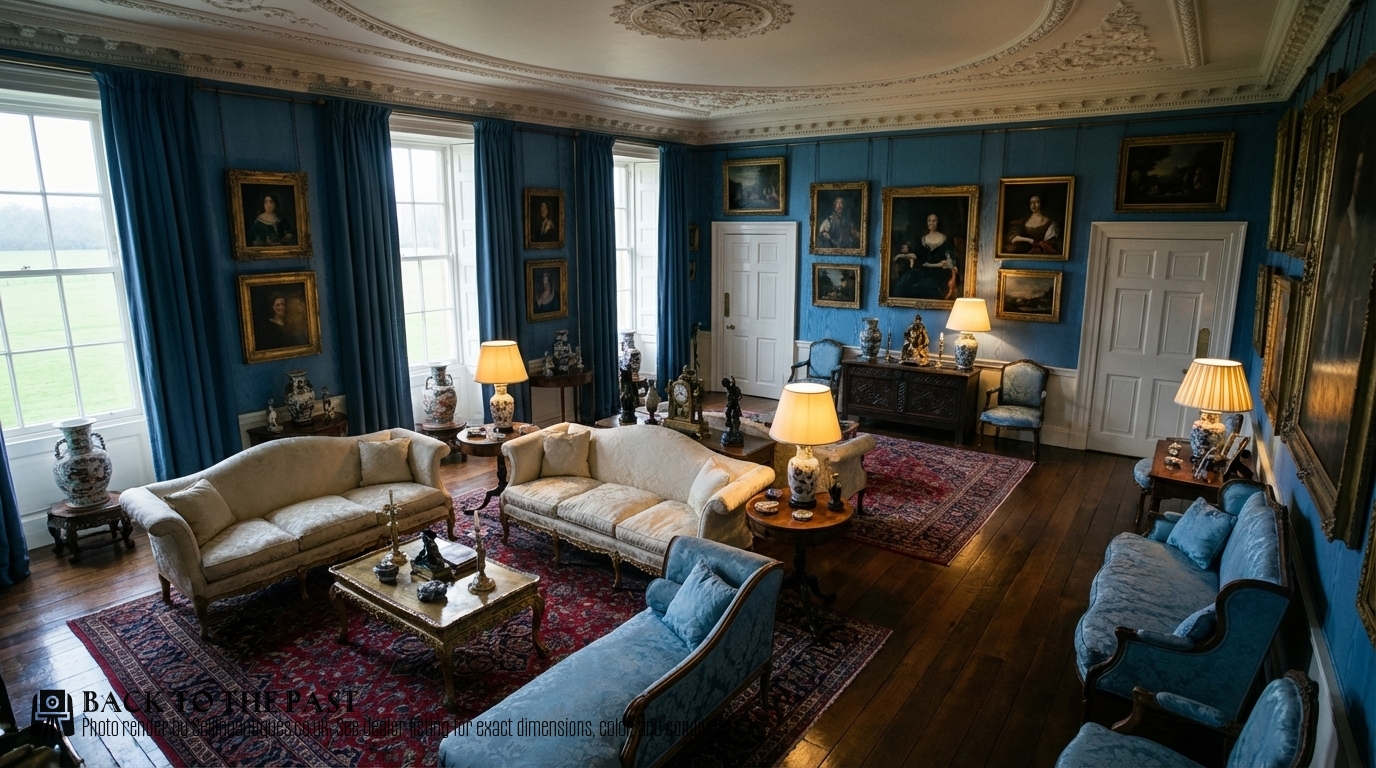
Historically, these storage pieces occupied the most public rooms of a house, such as the hall or parlour, where they doubled as seating and displayed family wealth. Bedrooms also housed them for storing valuable textiles, bedding and clothing.
Today, they transition easily into modern hallways, living rooms and bedrooms as functional focal points.