
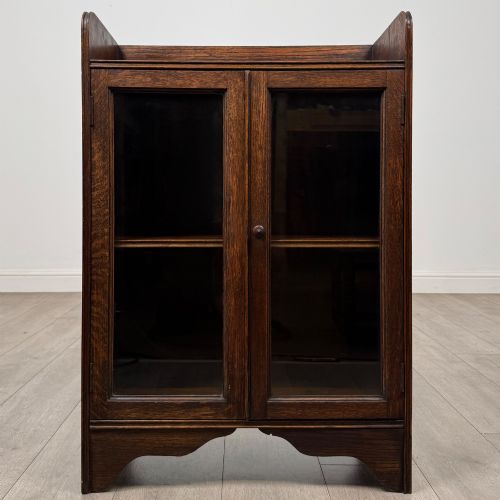
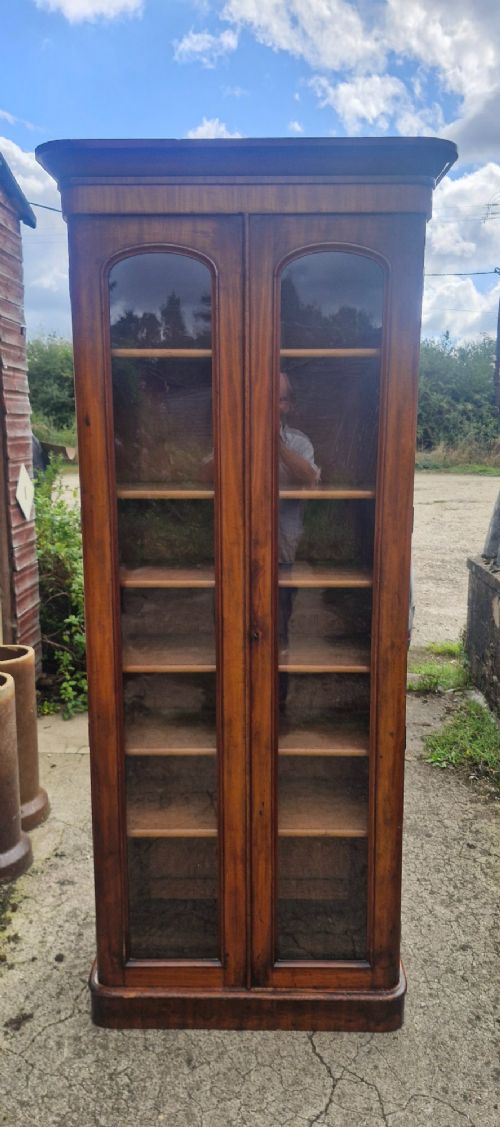
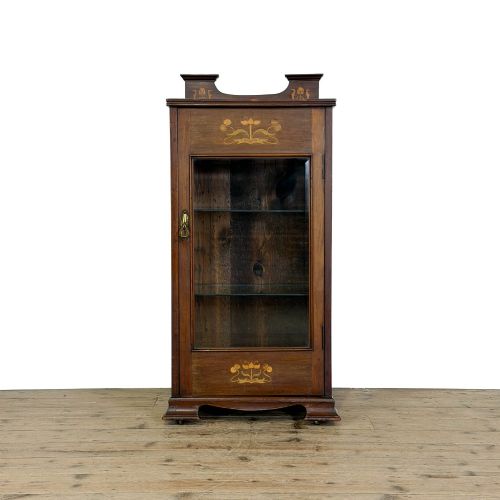
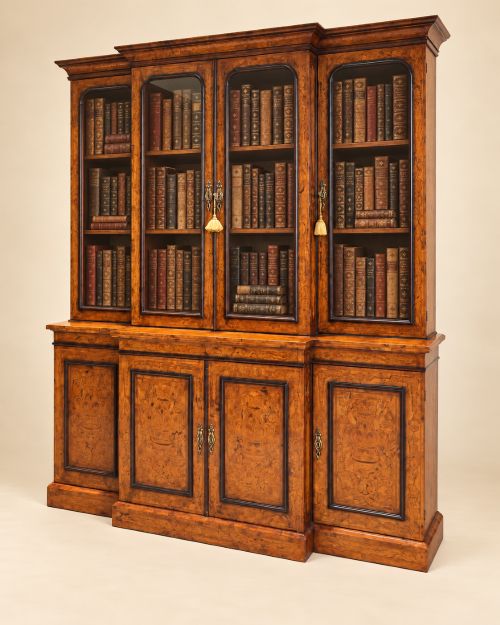


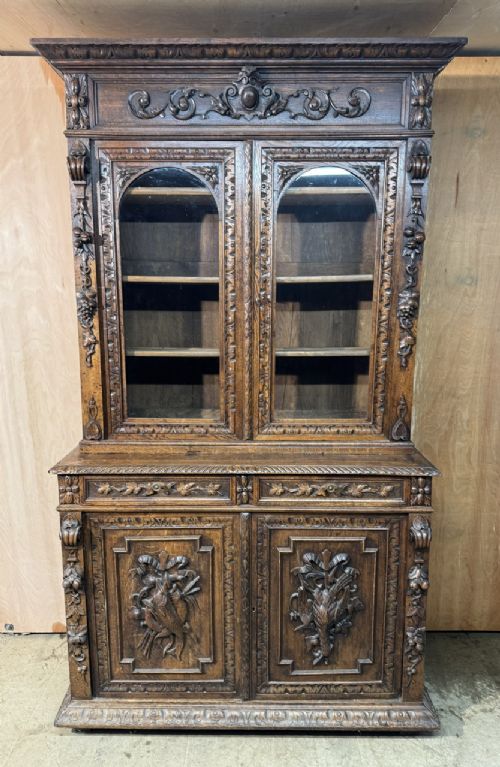
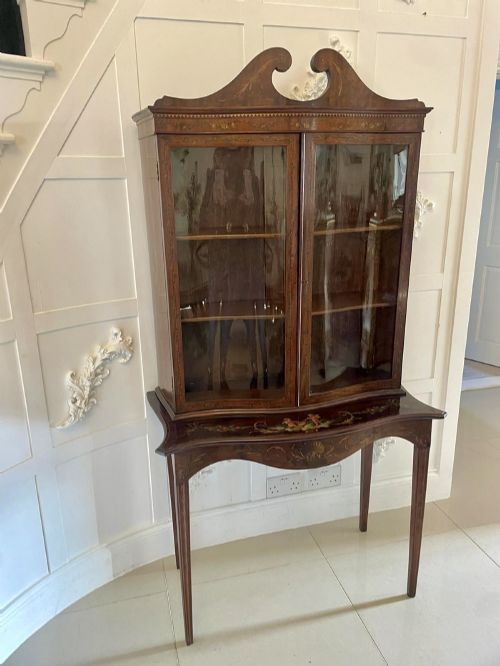
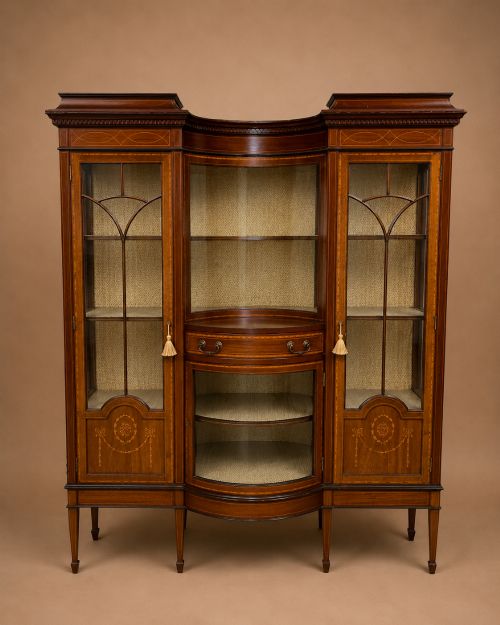
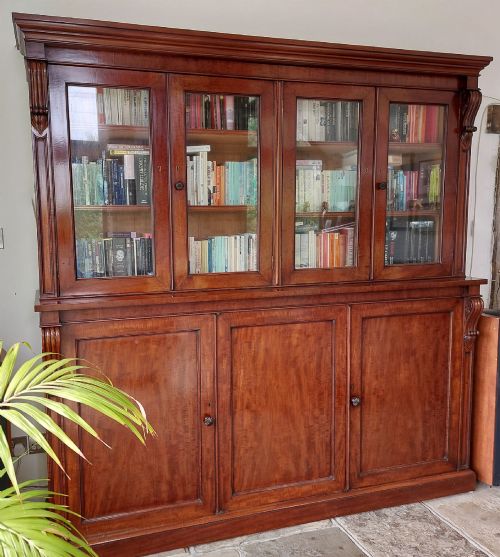
Brown Wood Display Cupboard
A brown wood display cupboard holds cherished things behind glass, and the pieces found here span centuries of cabinet-making.
Brown Wood Display Cupboard
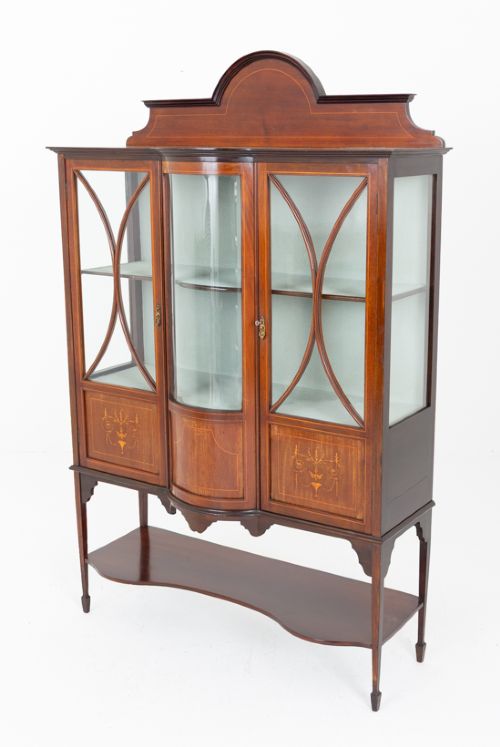
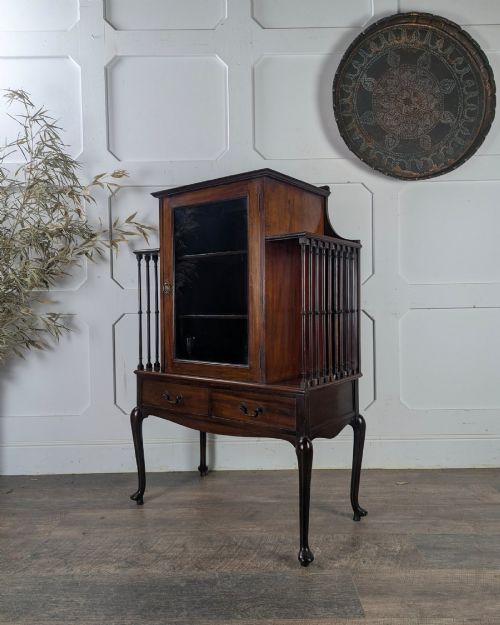
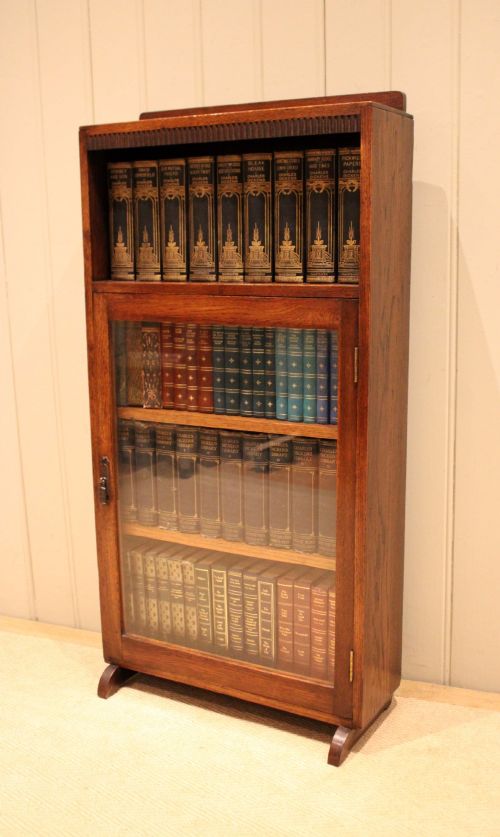
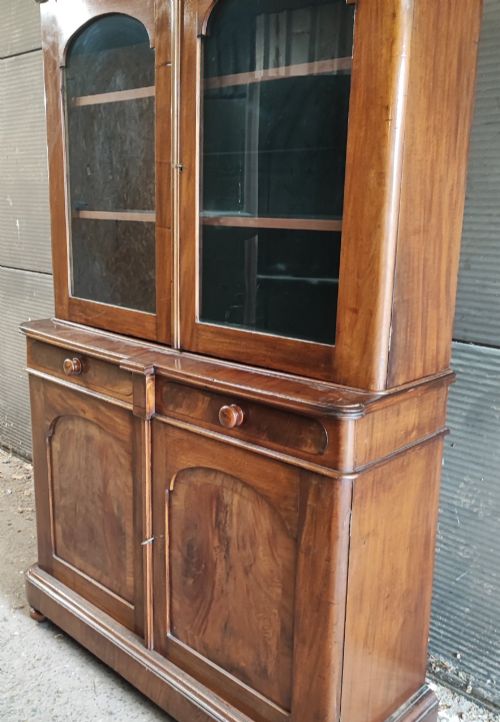
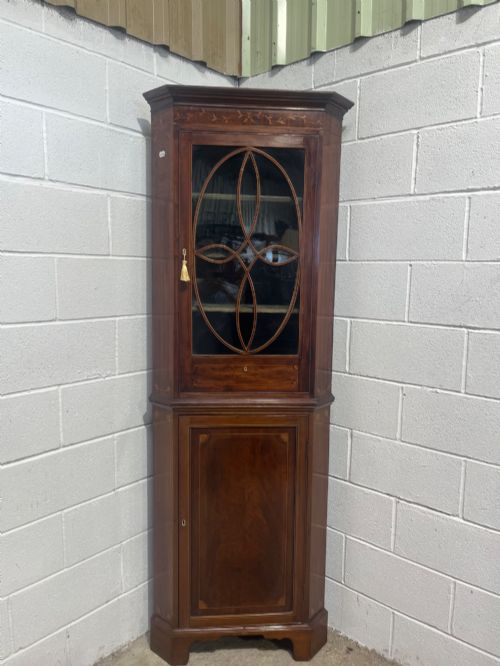
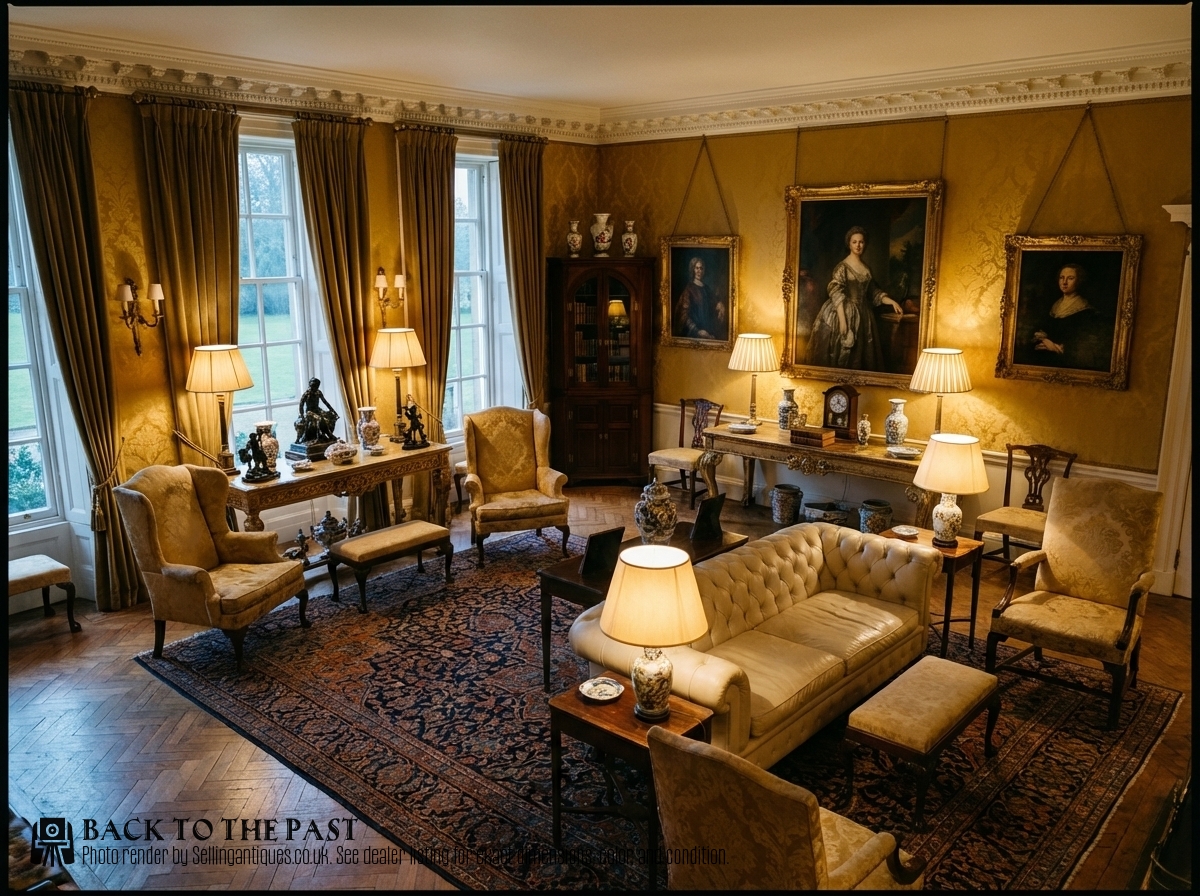
A brown wood display cupboard brings together glazed storage pieces intended to show ceramics, books or curiosities within domestic rooms. These items serve practical shelving needs while framing collections behind glass doors.
The versions most commonly met on this page belong to the Victorian and Edwardian eras, alongside pieces stretching back to the eighteenth century. Mahogany and oak dominate these forms, taking shapes that range from tall breakfront bookcases to compact corner cupboards.
Makers adapted these storage forms across various regional styles, including Georgian, Regency and Sheraton Revival influences. Pieces appear as floor-standing cabinets, wall-hanging units or combination bookcases with lower wooden doors.
What varies in quality
The distinction between standard utility items and finer examples rests on timber selection and decorative restraint. Superior pieces utilise well-figured mahogany or quarter-sawn oak, paired with precise inlay and balanced proportions.
Construction methods determine durability, with tight joints and original brass hardware indicating careful workshop practice. Finer items retain intact glass and original painted decoration rather than later replacements.
Brown Wood Display Cupboard Retail Price Guide 2026
Typical asking prices for brown wood display cupboard among the pieces listed under this phrase on Sellingantiques today, from the lower quarter to the upper quarter. They describe what is for sale here now, not the wider market.
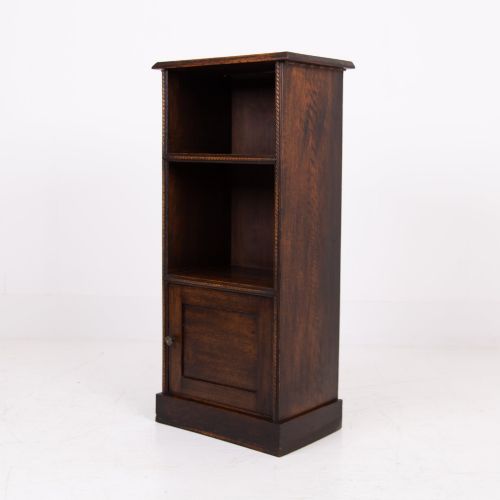
Music cabinets share floor space here, proving that sheet music once needed glass-fronted protection just as much as porcelain tea sets.
The Brown Wood Display Cupboard Glossary
- Breakfront
- A piece of furniture whose central section projects forward from the flanking wings. This configuration creates visual depth in large bookcases and display cabinets.
- Vitrine
- A glass-sided cabinet designed specifically for the display of porcelain and small objects. These pieces often feature satinwood or mahogany frames with glazed sides.
- Waterfall bookcase
- A set of open shelves that steps back progressively from bottom to top. This form emerged during the Regency period.
- Marquetry
- Decorative patterns formed by the insertion of different woods or materials into a veneer surface. Eighteenth-century Dutch pieces frequently utilise this technique.
- Bow front
- A cabinet front that curves outward in a convex arc. This shape appears on corner cupboards and side cabinets.
Brown Wood Display Cupboard: Frequently Asked Questions
Where should I place a corner cupboard?
A corner cupboard fits neatly into unused room junctions, making efficient use of interior space. These units suit dining rooms or hallways where floor area is restricted.
Wall-mounted versions require secure fixing to solid masonry or studwork to support the weight of timber and glass. Floor-standing variants anchor themselves through their own weight and adjustable feet.
How do I clean mahogany surfaces?
Maintenance requires gentle dusting with a dry, soft cloth to prevent particle buildup on polished timber. Avoid silicone sprays that leave residues and attract dust.
Feed the timber periodically with appropriate wax to preserve the sheen of the grain. Keep cabinets away from direct sunlight and heat sources to prevent warping.
Can I adjust the shelves inside?
Many Victorian and Edwardian bookcases feature adjustable shelving supported by wooden ratchets or metal pins. This system allows the interior height to accommodate volumes of various sizes.
Older eighteenth-century pieces often retain fixed shelving integrated directly into the carcase structure. Check the internal supports before rearranging heavy collections.
How do I identify a Georgian piece?
Georgian furniture displays restrained classical proportions, often utilising dense mahogany with minimal surface clutter. Bracket feet and simple dental cornices are common structural indicators.
Examination of the drawer linings and backboards reveals hand-cut joinery typical of eighteenth-century workshops. Secondary woods like pine or oak frequently appear in non-visible areas.