
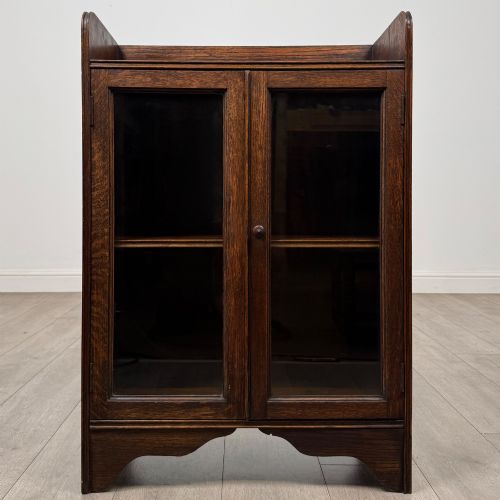
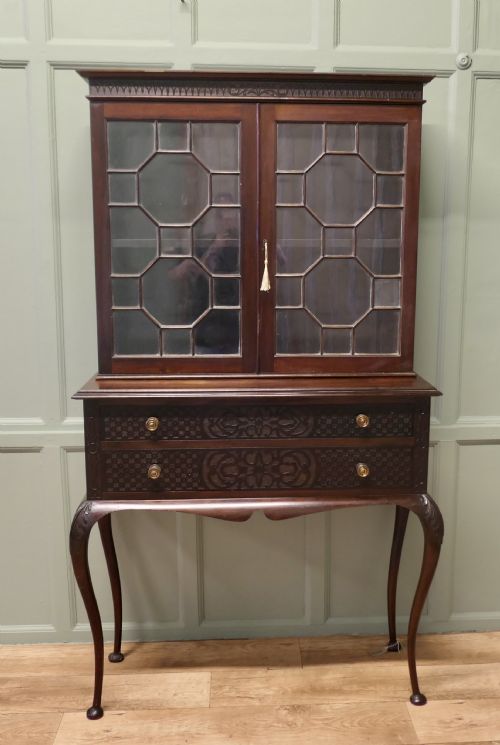
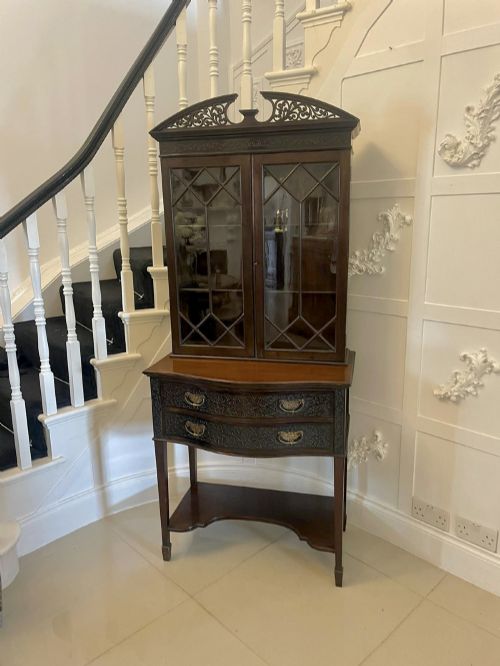
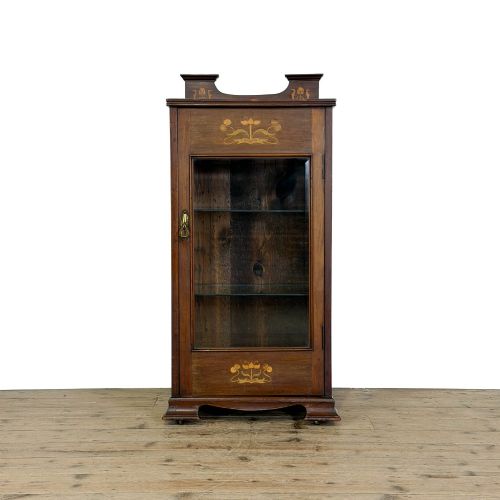
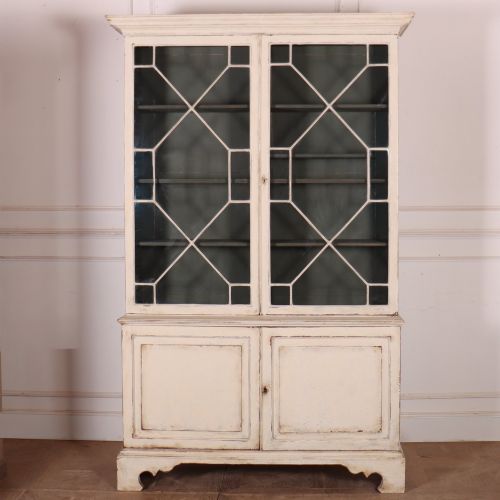
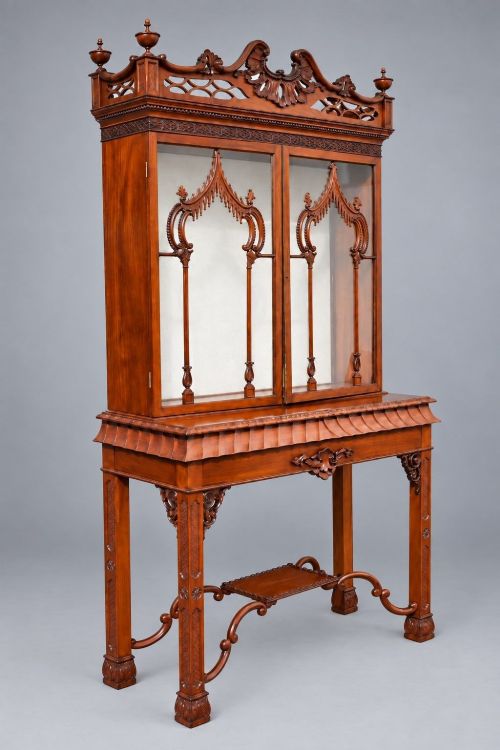
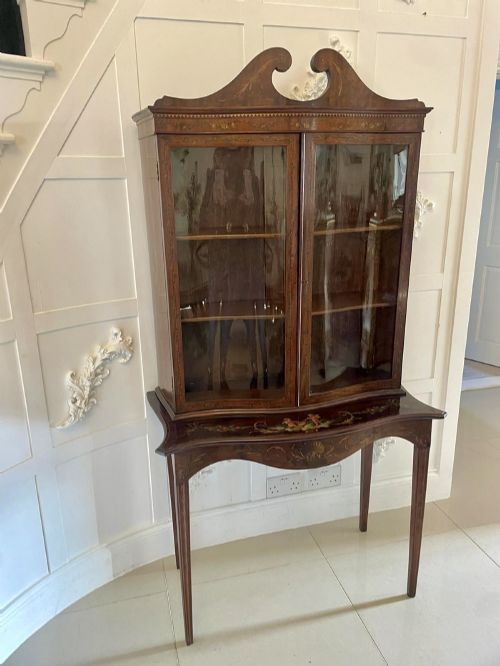
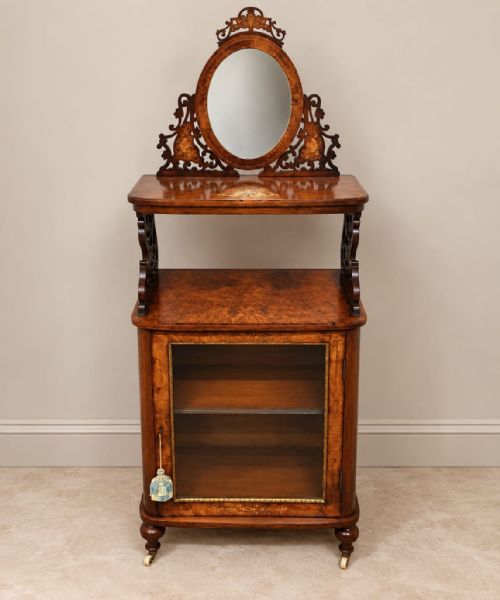
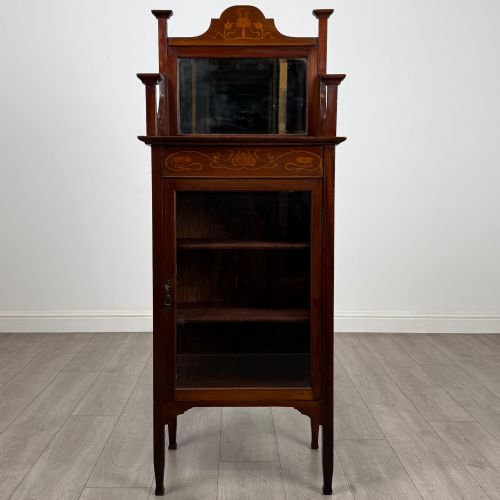
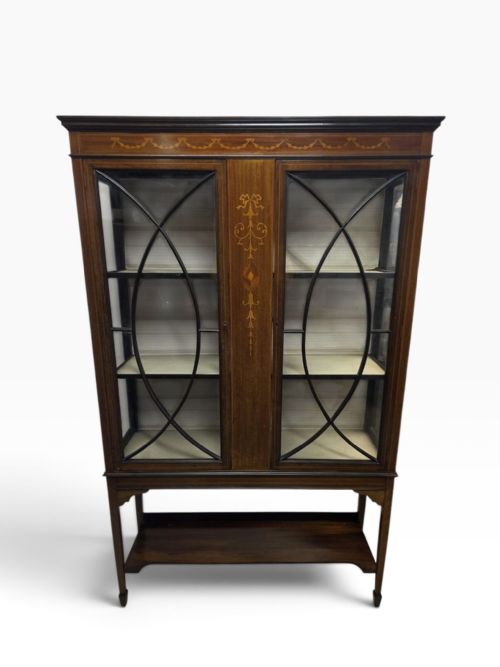
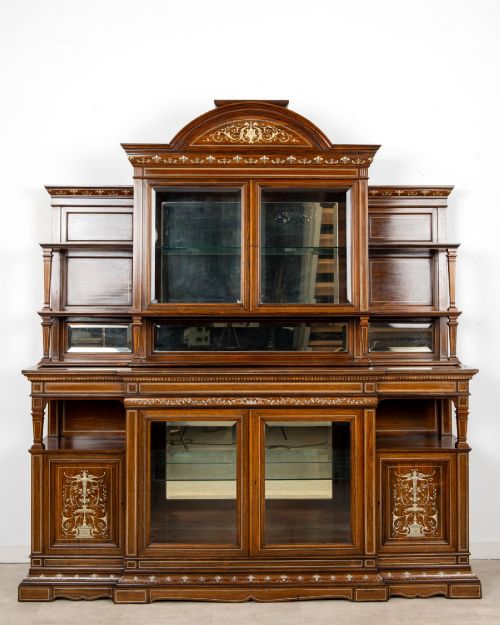
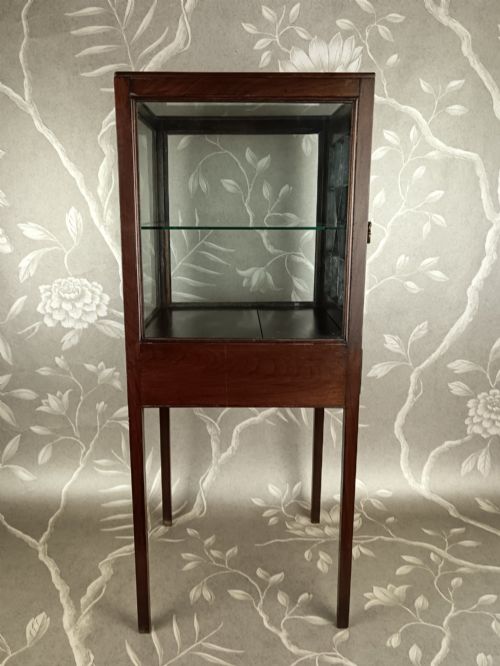
Standing Glazed Display Cabinet
A standing glazed display cabinet brings height and light to a room, showing collections through glass while keeping dust away.
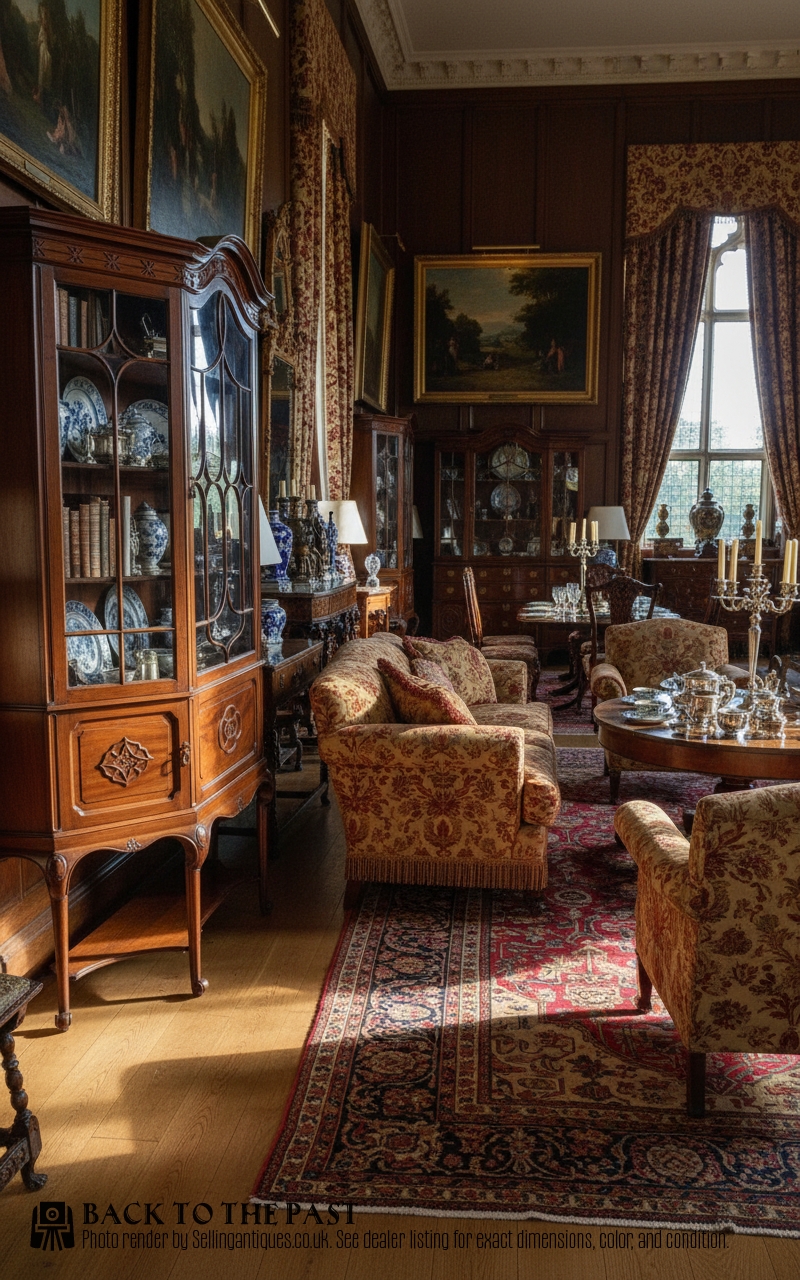
Standing Glazed Display Cabinet
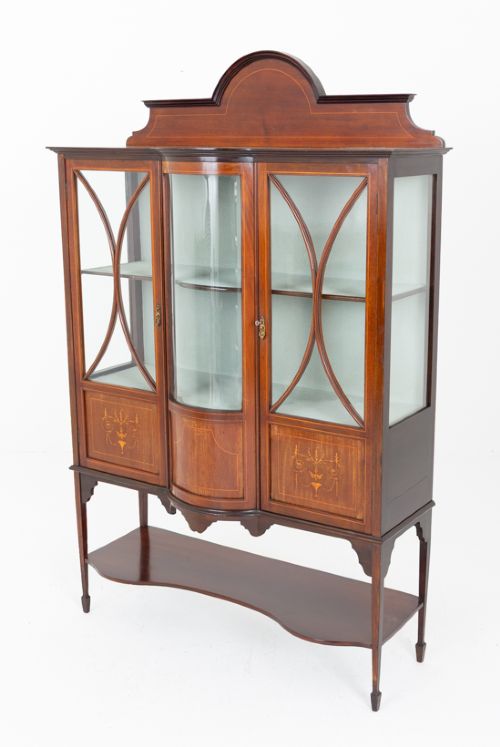
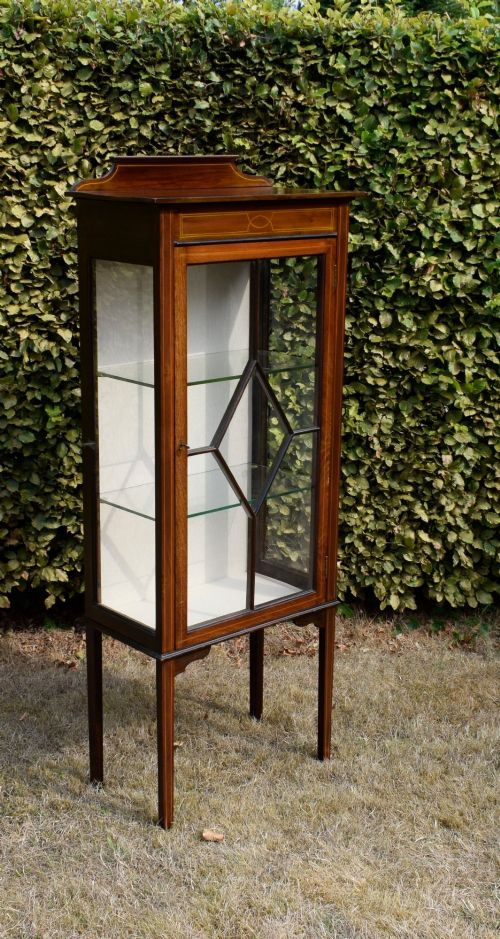
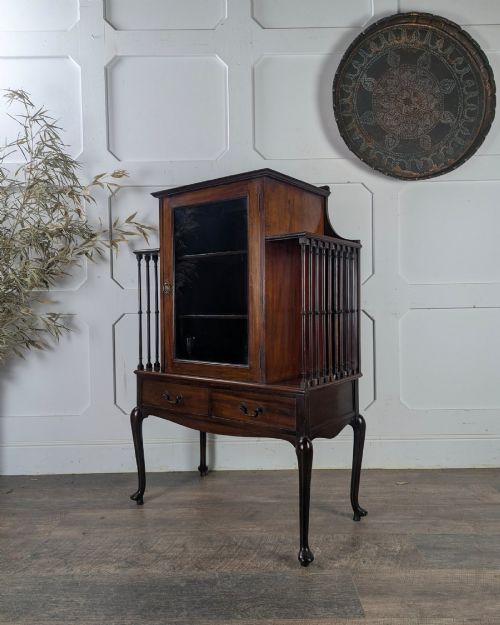
A standing glazed display cabinet is a piece of furniture designed to house and exhibit porcelain, glassware and curiosities within a room. When searching for a standing glazed display cabinet, buyers frequently encounter Edwardian and Victorian pieces alongside Georgian and 19th-century examples.
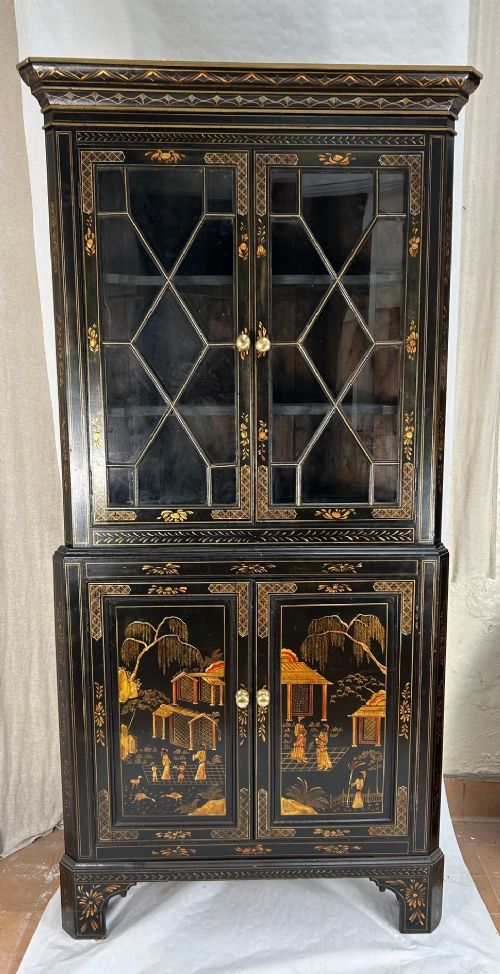
The forms span flat-fronted floor-standing cabinets, tall corner cupboards, and two-part bookcase combinations. Mahogany and oak dominate the offerings, often complemented by glass doors and mirrored backs.
Originating largely from British workshops, these cabinets range from simple country pine to sophisticated town pieces displaying satinwood inlay or carved astragal glazing.
How they were made
Cabinet makers built these frames primarily from mahogany, oak, and pine, frequently applying veneers of burr walnut or satinwood to visible surfaces. Brass hardware secured doors and supported internal shelving.
Glazing techniques involved individual panes held by wooden astragal bars, creating geometric or curved patterns across the front doors. Surface decoration relied on marquetry inlay, painted details, and polished lacquer rather than heavy applied ornament.
Standing Glazed Display Cabinet Retail Price Guide 2026
Typical asking prices for standing glazed display cabinet among the pieces listed under this phrase on Sellingantiques today, from the lower quarter to the upper quarter. They describe what is for sale here now, not the wider market.
What varies in quality
The standard of timber selection and the precision of the joinery mark the division between standard workshop production and finer cabinet-making. Grain matching on veneered doors and crispness in carved details indicate a higher tier of craftsmanship.
Originality of the glass panes, backboards, and internal fittings holds significant weight. Cabinets retaining their original painted decoration, brass fittings, and unblemished mirror glass demonstrate superior preservation.
Collinson & Lock·Maple & Co·Leonard Wyburd for Liberty and Co
The Standing Glazed Display Cabinet Glossary
- Astragal glazing
- Glass doors divided into smaller panes by narrow wooden bars called glazing bars. This technique allows for secure support of larger glass areas.
- Marquetry
- Decorative woodwork where pieces of contrasting veneer are fitted into a background design. It frequently appears on Edwardian and Sheraton Revival panels.
- Vitrine
- A glass-fronted display cabinet intended specifically for porcelain and small objects of vertu. These pieces often feature glass on the sides as well as the doors.
- Breakfront
- A piece of furniture where the central section projects forward from the side sections. This creates architectural depth and visual variety on larger floor-standing cabinets.
- Pedestal cabinet
- A tall, narrow standing cabinet elevated on a base or plinth. These forms suit tighter wall spaces while retaining vertical display capacity.
Standing Glazed Display Cabinet: Frequently Asked Questions
Where should I place a standing glazed display cabinet?
These cabinets work best in reception rooms or hallways where natural light can strike the glass doors. Corner versions utilise dead space efficiently in smaller rooms.
Keep them away from direct sunlight to protect internal linings and wooden surfaces from fading over time.
How do I clean the glass safely?
Use a soft cloth and a mild glass cleaner sprayed onto the cloth rather than directly onto the cabinet. This prevents liquid from seeping into fragile wooden astragals or historic varnish.
Take care around older putty or glazing bars, which can loosen with vigorous rubbing.
Can these cabinets hold heavy books?
Bookcases and display hybrids generally feature stronger internal shelving designed to bear the weight of volumes. Lighter display cabinets intended for porcelain may have thinner wooden or glass shelves unsuited for heavy loads.
Check the thickness and support of the internal shelves before loading them heavily.
How do I distinguish Edwardian pieces from Victorian ones?
Edwardian cabinets often display lighter satinwood inlay, Sheraton Revival influences, and brighter mahogany tones. Victorian examples tend to use heavier timber, darker finishes, and more robust carved mouldings.
Construction methods inside the drawers and backboards also help confirm the period of manufacture.