

Vintage Corner Unit
A vintage corner unit makes clever use of awkward spaces, bringing architectural interest and display potential to empty rooms.
Vintage Corner Unit
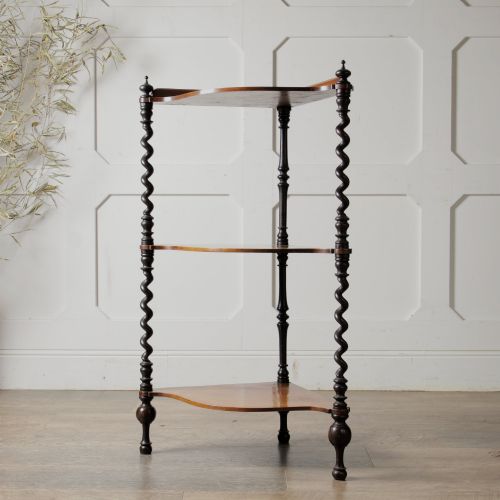
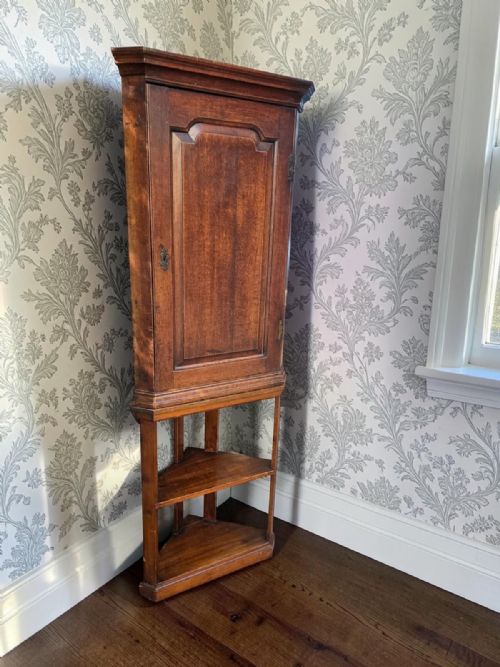
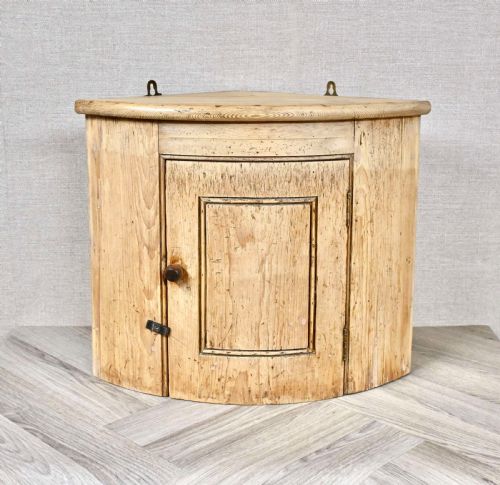
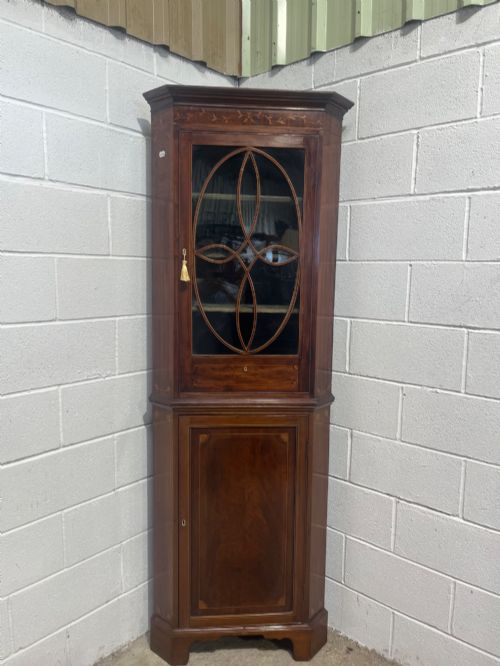
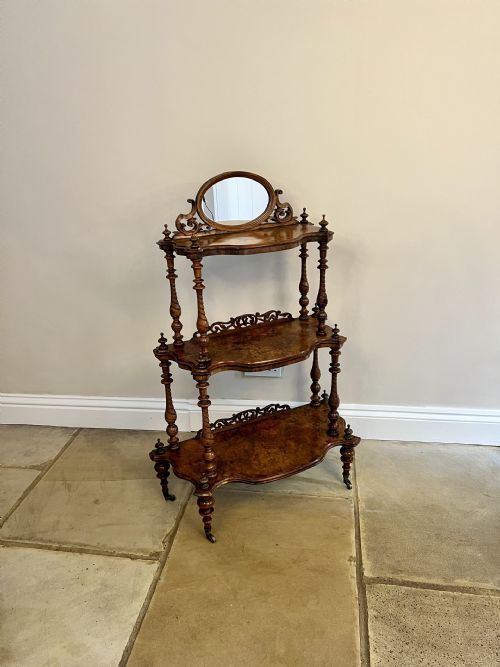
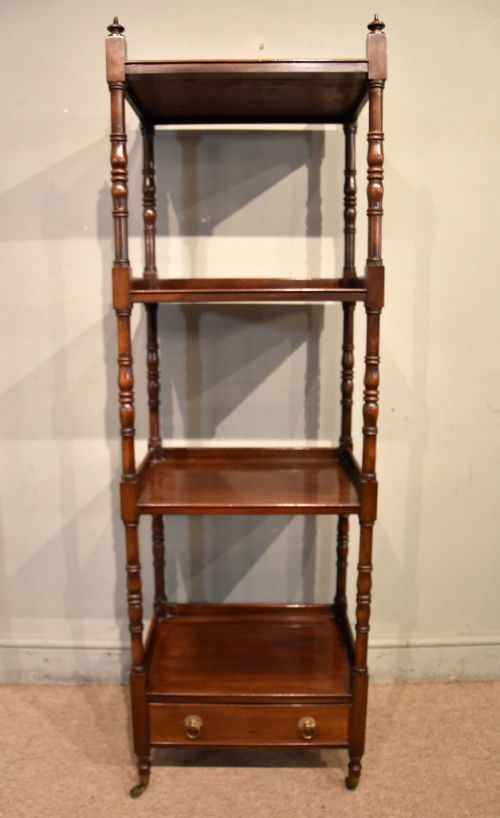
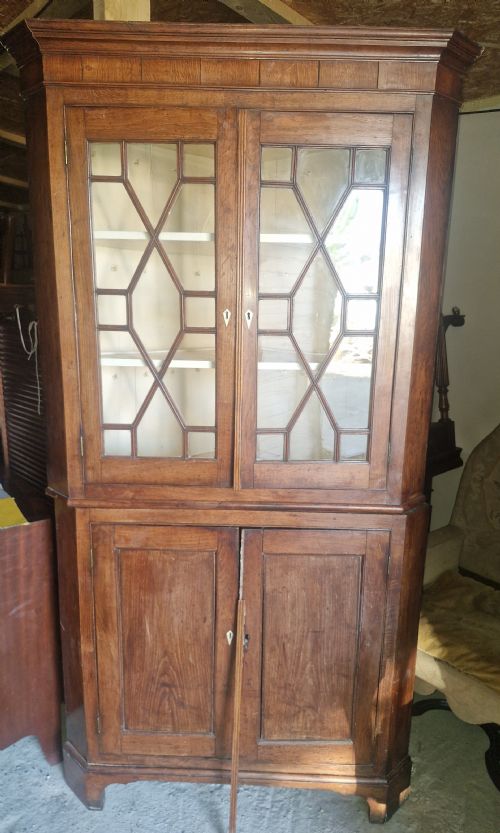
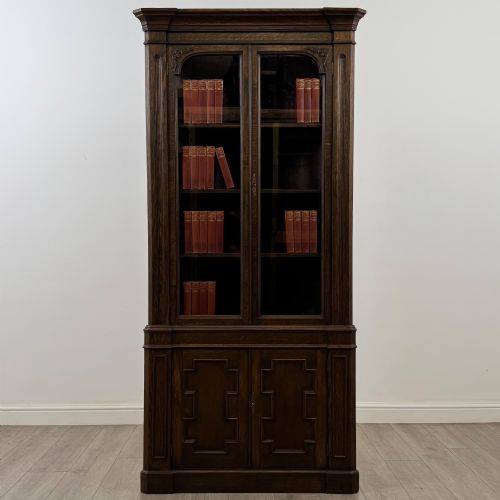
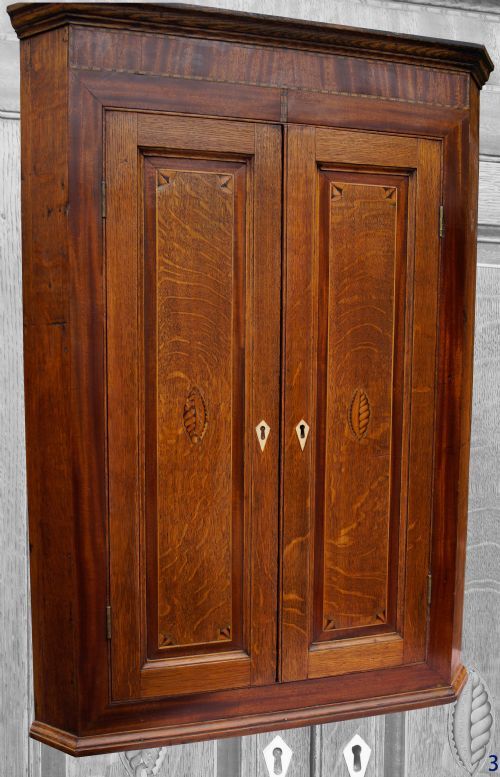
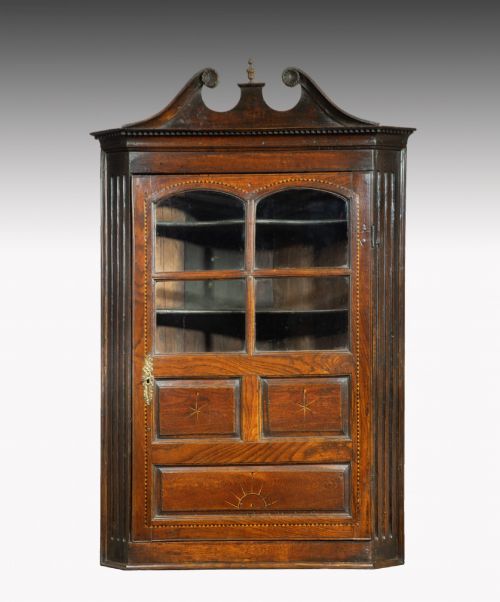
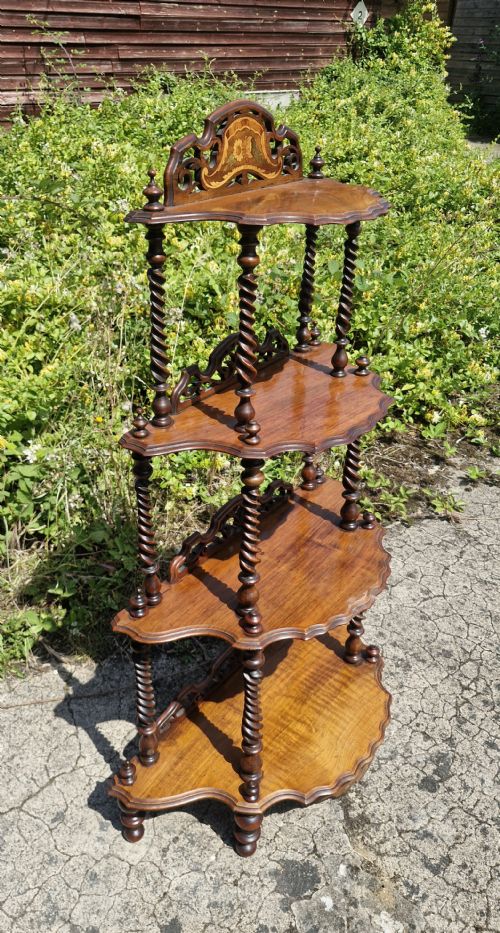
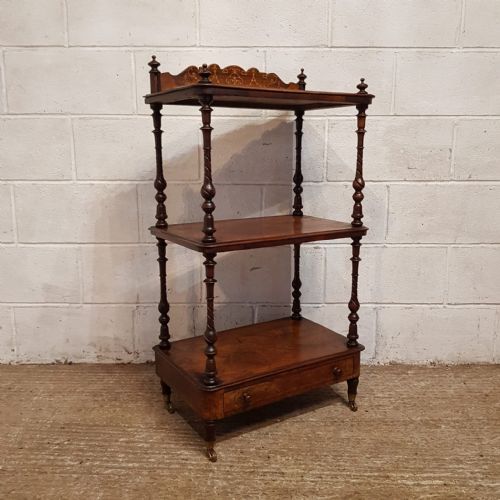
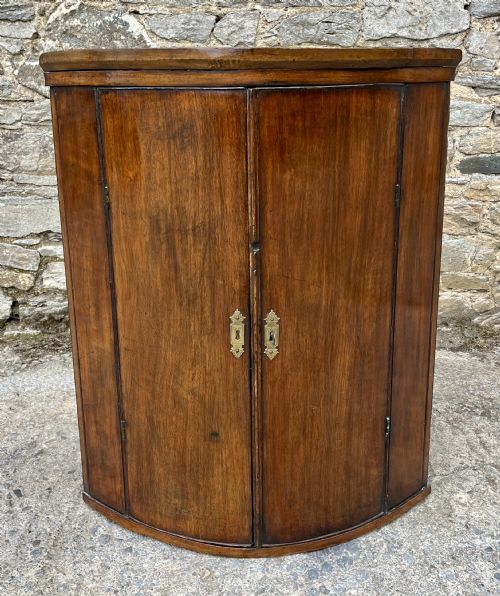
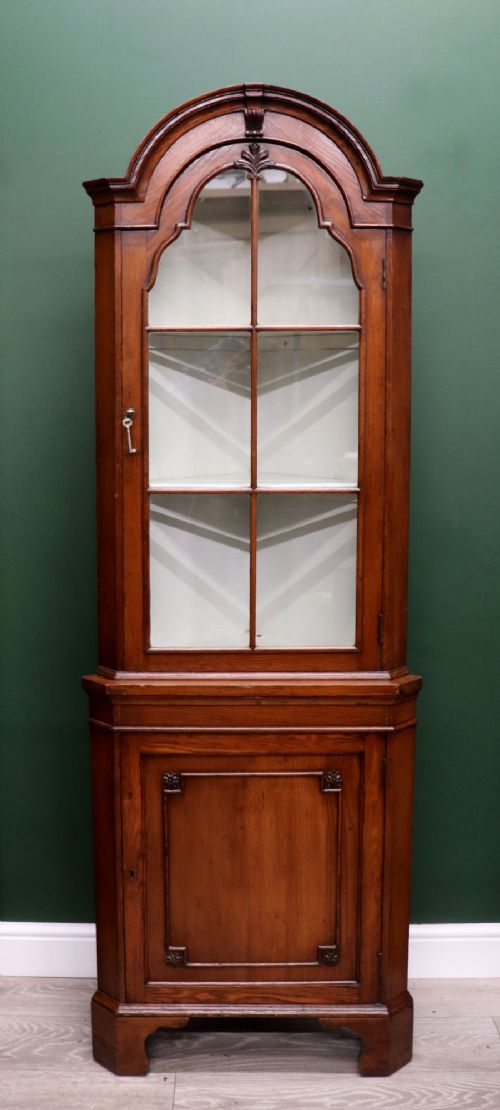
A vintage corner unit primarily takes the form of corner cupboards, corner cabinets, and multi-tiered whatnots designed to fit snugly into room intersections. These items serve both storage and display functions, moving between wall-hanging formats and substantial floor-standing pieces.
The selections span distinct historical periods including the 18th Century, Georgian, Victorian, Edwardian, and the 1930s. Buyers encounter varied expressions ranging from rustic farmhouse oak to refined Sheraton Revival mahogany with satinwood inlay.
How they were made
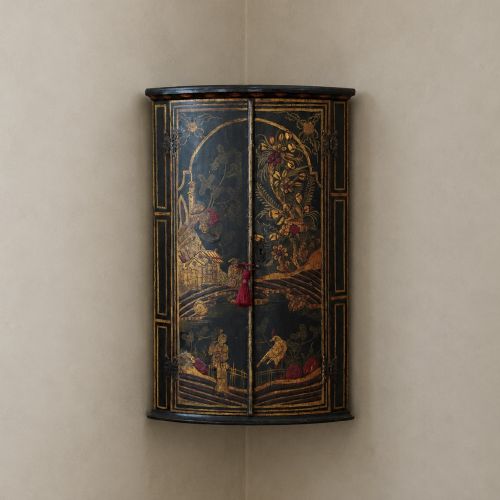
Cabinet makers utilised dense hardwoods such as mahogany, oak, and walnut, often applying decorative veneers like burr walnut or incorporating satinwood inlay and marquetry. Painted finishes, japanned chinoiserie, and bamboo construction also appear across the surviving pieces.
Structural elements include dovetailed joints for cabinetry, turned barley twist supports for whatnots, and glazed doors framed in timber. Brass hardware typically secures doors and hinges on the wooden bodies.
Listings feature woods spanning mahogany, oak, walnut, pine, and satinwood inlay, alongside glass, brass, and bamboo.
What varies in quality
The refinement of timber selection and inlay work dictates the upper tier of pieces, where figured mahogany or complex marquetry displays superior hand-craftsmanship. Simpler pine or rustic oak examples rely on honest vernacular utility rather than decorative intricacy.
Proportion and the execution of architectural details such as cornices and glazing bars separate standard utility cupboards from sophisticated revival pieces commissioned for formal rooms.
The Vintage Corner Unit Glossary
- Whatnot
- A piece of furniture consisting of several open shelves for storing or displaying small objects. These tiers are typically supported by slender vertical columns or turned posts.
- Bow front
- A convex curved cabinet front that projects outward in a smooth arc. This curved profile softens the hard angles of a room.
- Japanned
- A European imitation of East Asian lacquerwork using resin-based paints and raised metallic decoration. It creates a glossy, dark surface often featuring Oriental motifs.
- Marquetry
- The art of applying small pieces of veneer to a structure to form decorative patterns and pictures. Craftsmen use contrasting woods to achieve tonal depth.
Vintage Corner Unit: Frequently Asked Questions
How do I secure a wall-hanging cupboard?
Wall-mounted pieces require fixing directly into structural studs or masonry behind the plaster to support the weight of the timber and its contents.
Many examples feature internal hanging brackets specifically engineered for this purpose.
Can I use a whatnot in a modern interior?
Open shelving formats provide practical display surfaces for books and ceramics without overwhelming contemporary floor plans.
Their open structure maintains light flow around the room.
How do I distinguish Georgian from Victorian styles?
Georgian pieces generally favour restrained classical proportions with straight architectural lines and subtle mahogany grain.
Victorian and revival examples often introduce heavier turning, more dramatic veneers like burr walnut, or elaborate inlay work.