

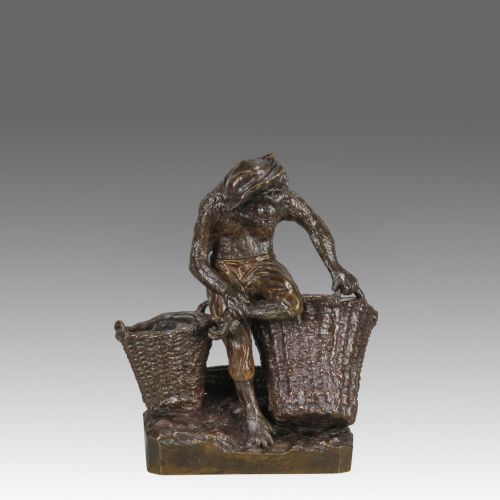
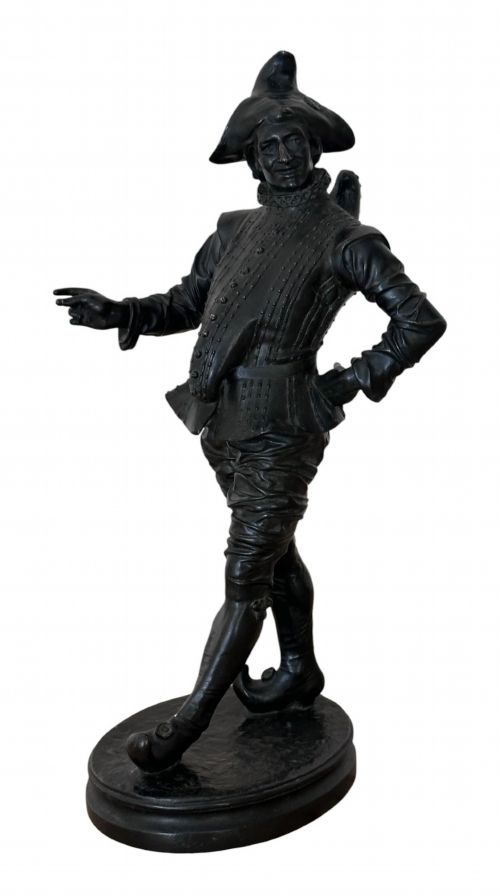
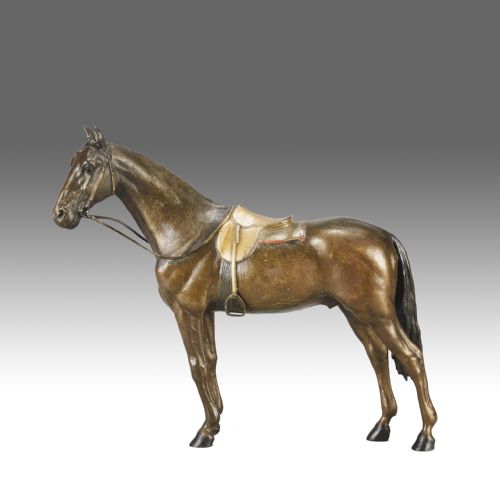
Brown Bronze Figure
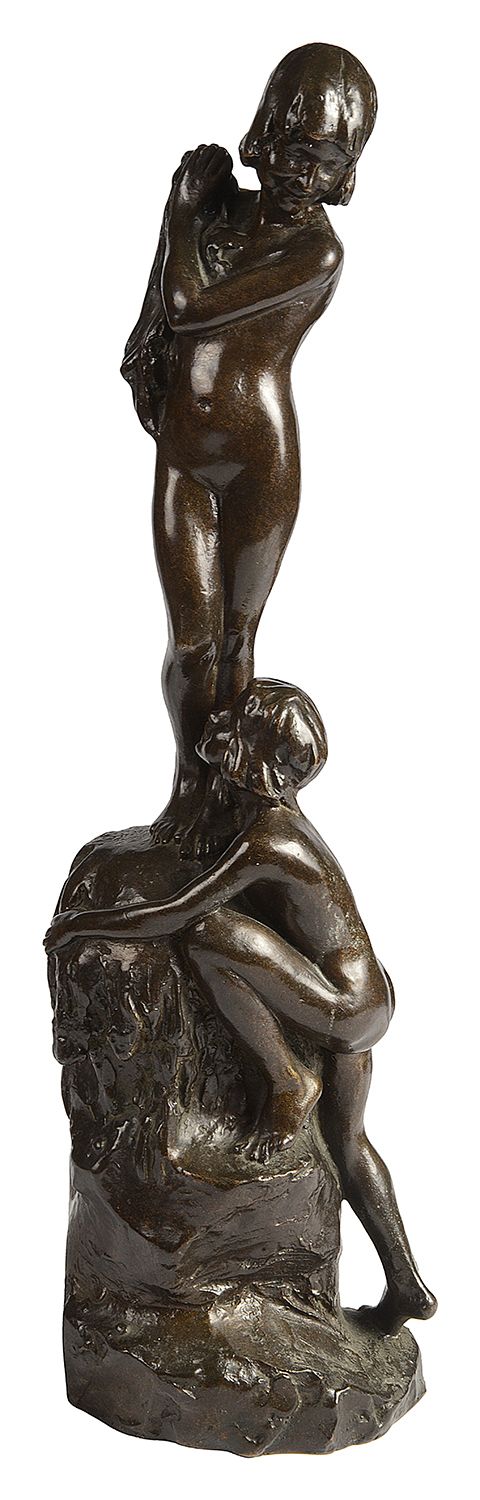
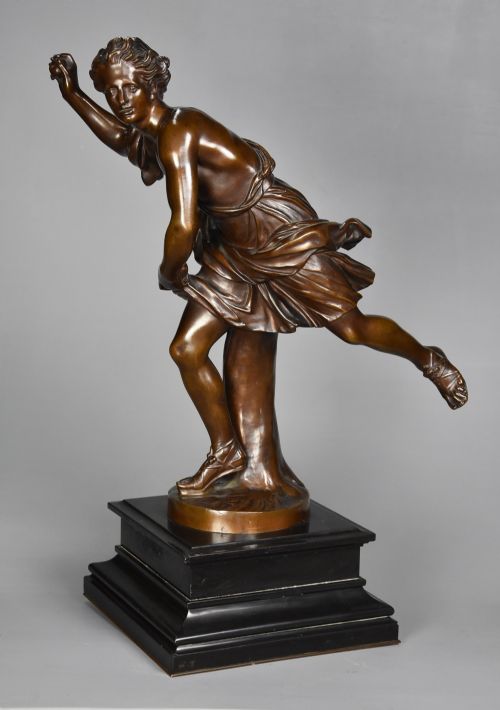
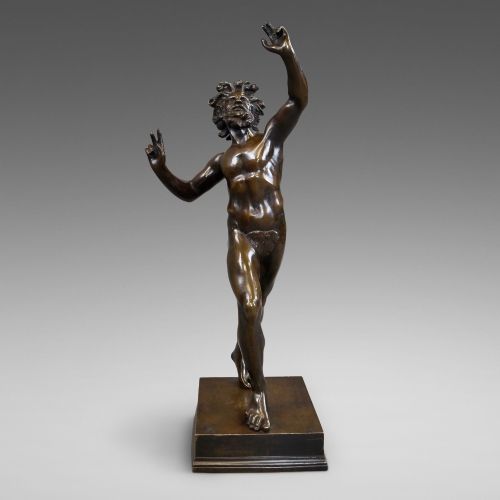
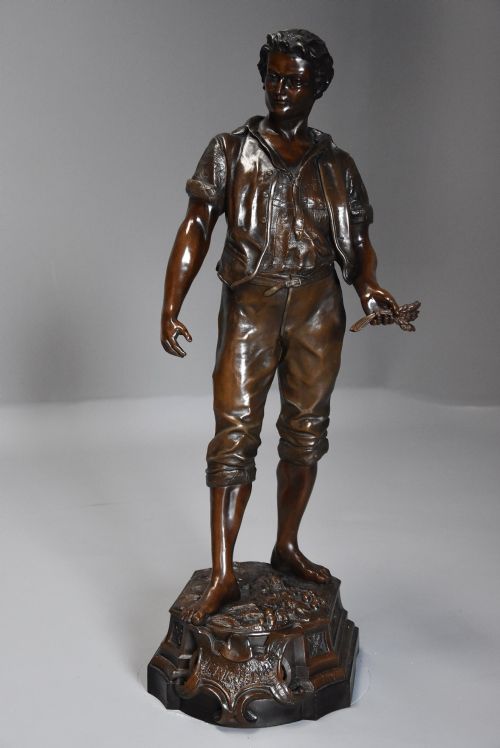
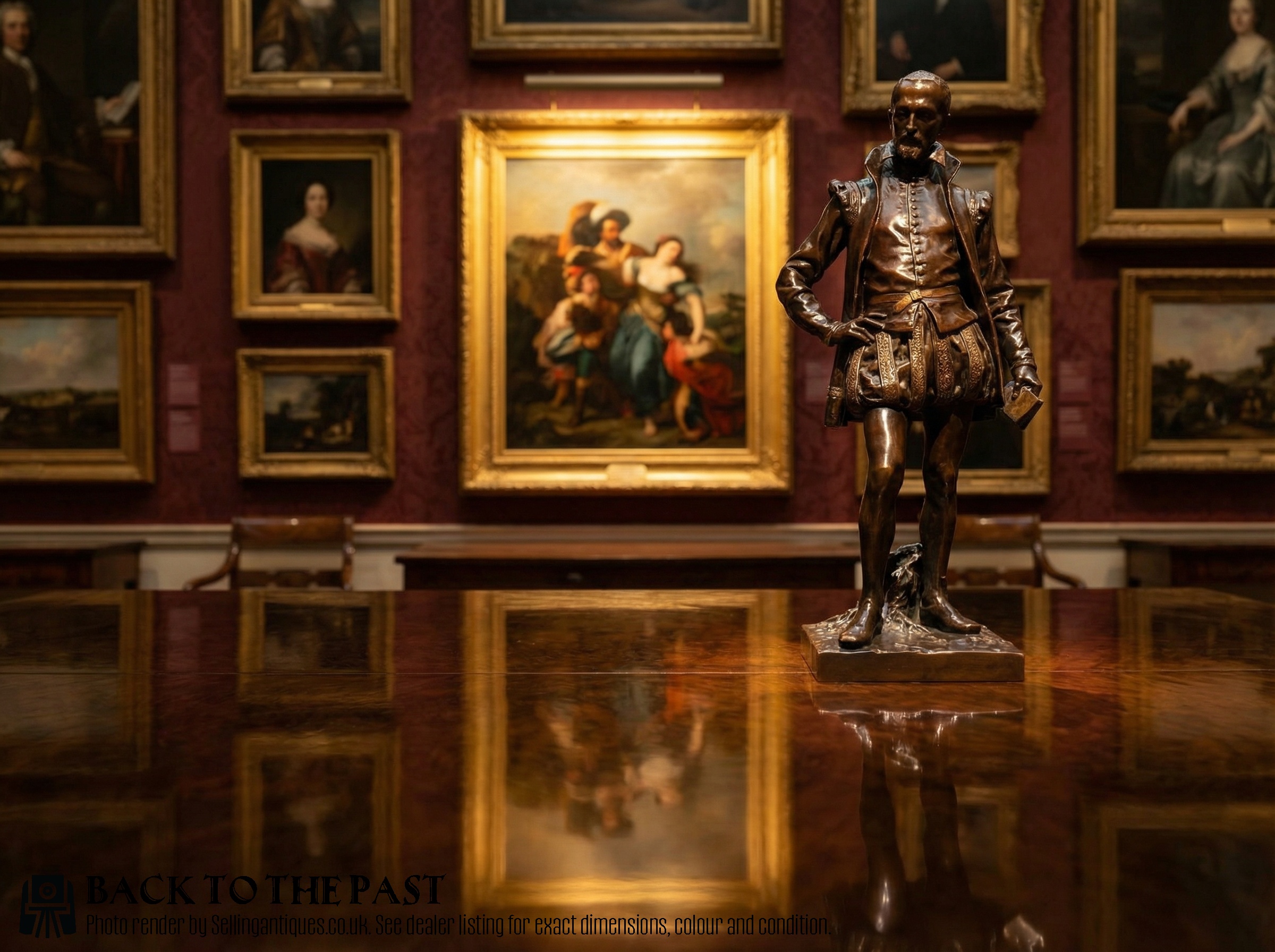
When you examine a brown bronze figure, you hold a cast metal sculpture shaped by nineteenth and early twentieth century founders.
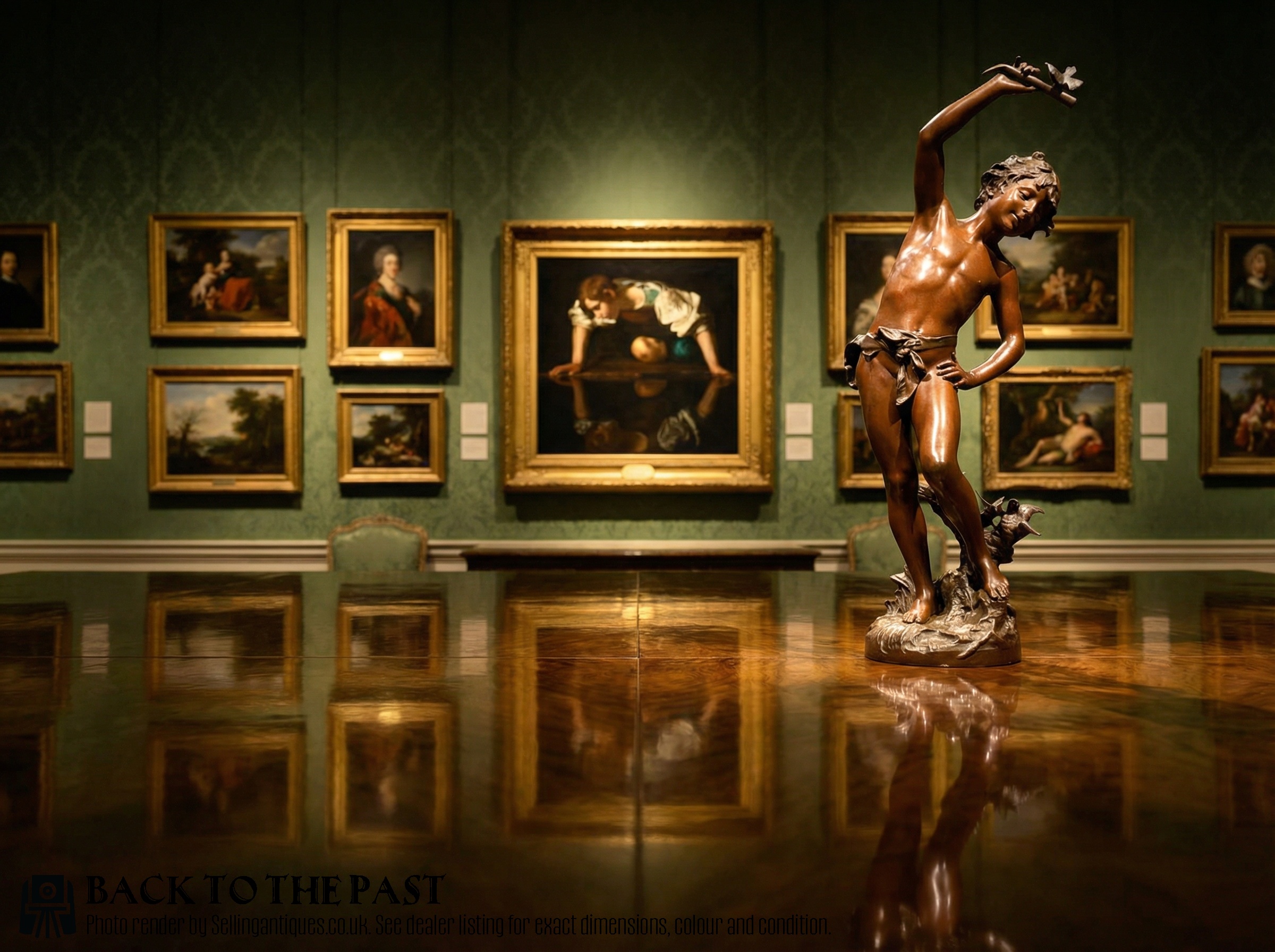
Brown Bronze Figure
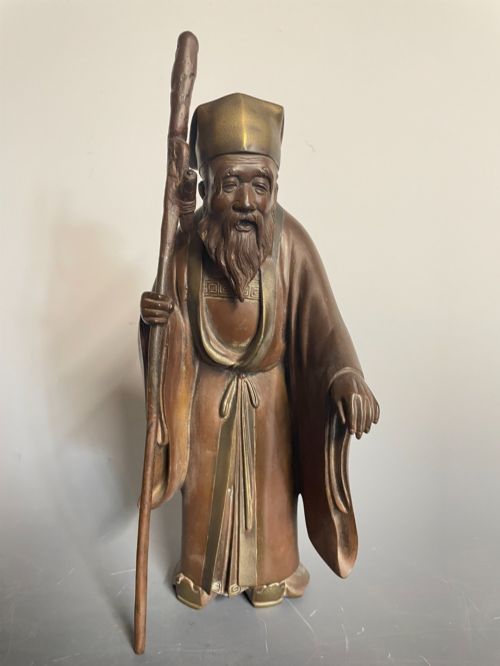
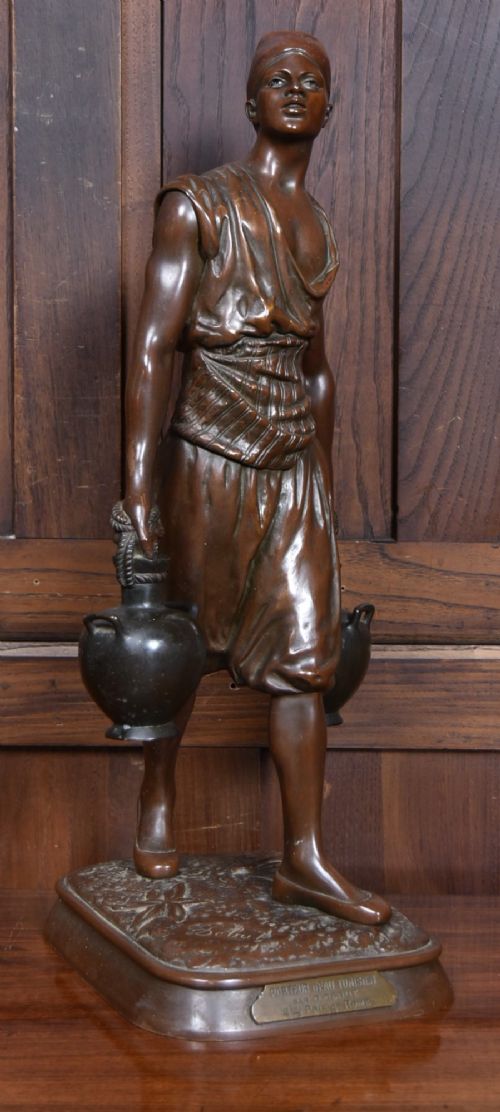
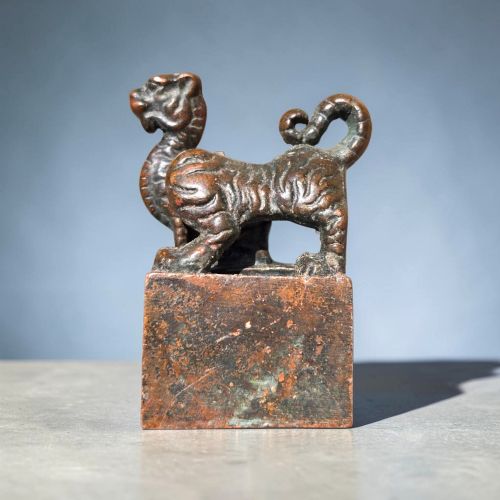
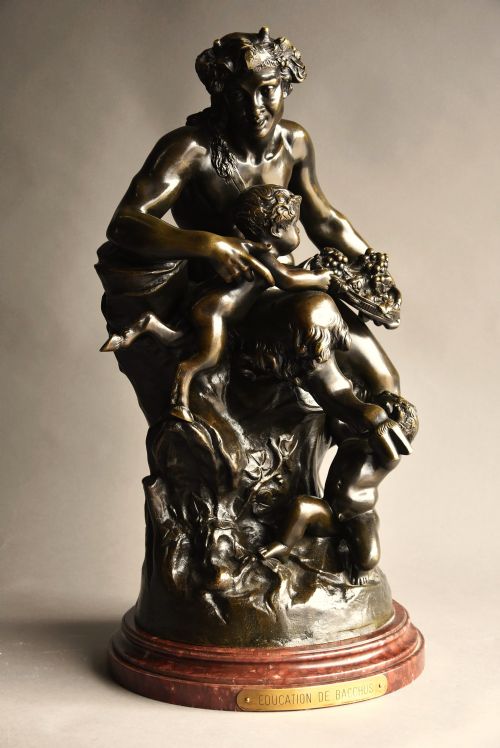
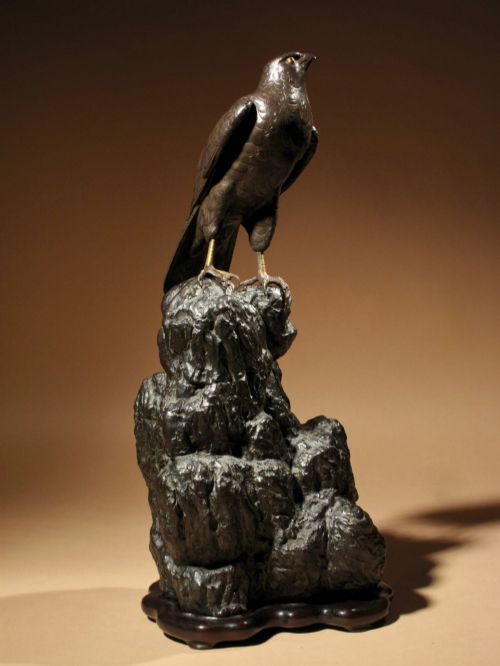
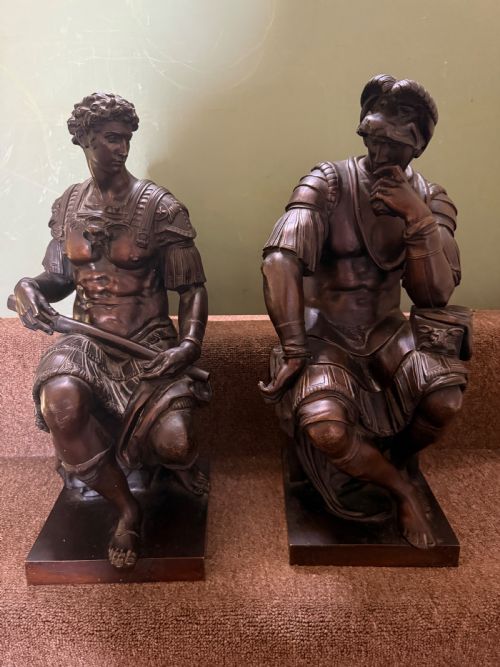
A brown bronze figure encompasses sculptural works produced across the nineteenth and early twentieth centuries, spanning periods from the eighteen-fifties through the nineteen-twenties. These pieces take many forms, including classical deities, human laborers, animals, dancers, and mythological subjects.
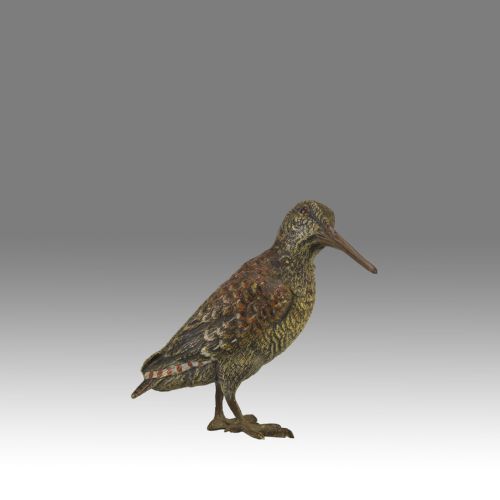
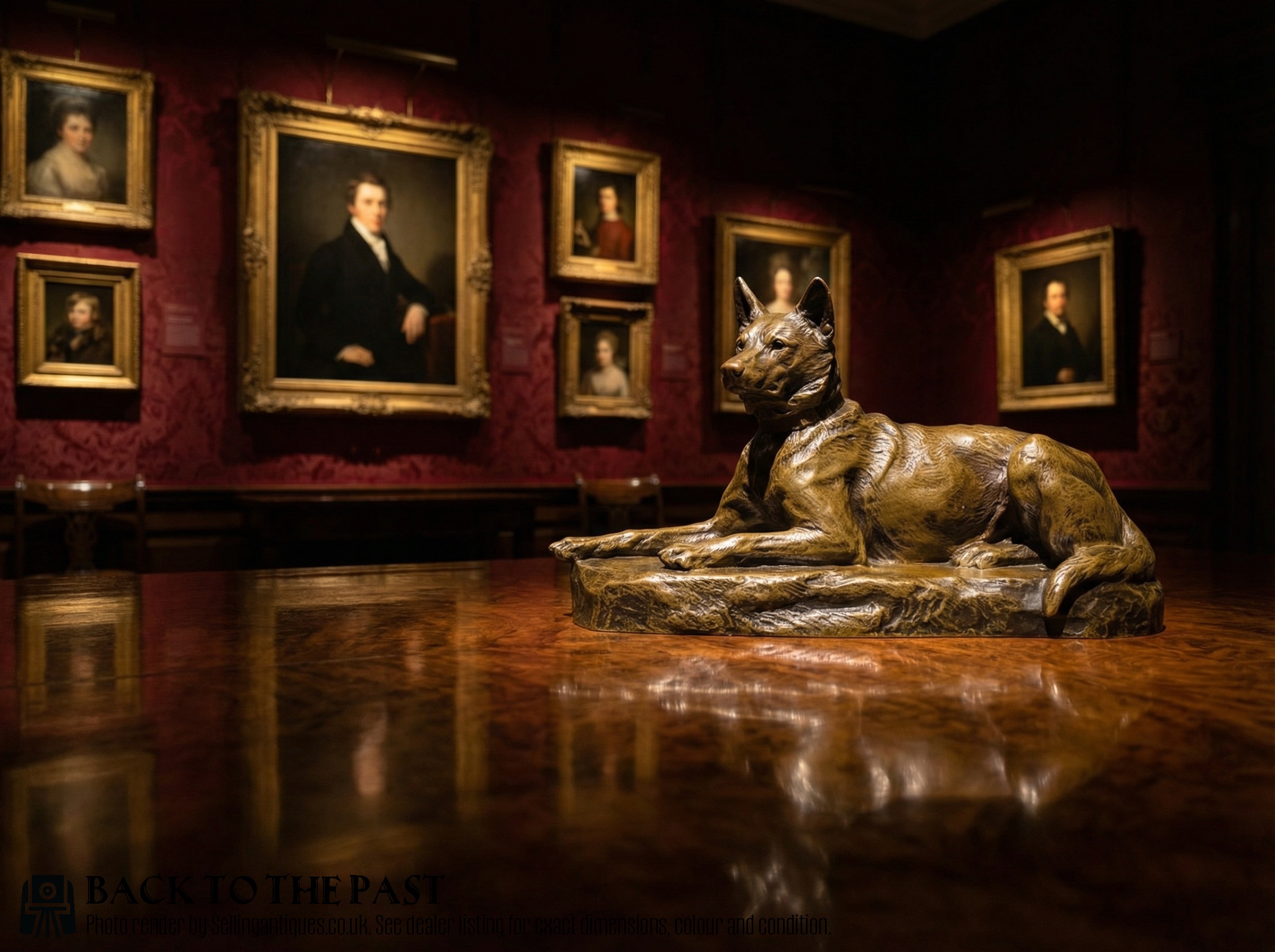
You will most frequently encounter nineteenth-century French animalier groups, Italian Grand Tour souvenirs, and Austrian cold-painted works on this page. The objects range from cabinet-sized table ornaments to substantial foundry casts mounted on marble or wood bases.
Materials and casting methods
Foundries created these sculptures primarily through metal casting, utilising bronze alloys treated with patinated finishes to achieve distinct brown tones. Some items incorporate polychrome paint, cold-painting techniques, or gilding upon the cast surface.
Makers frequently mounted the completed metal figures onto heavier bases formed from marble, wood, or brass to provide stability and visual contrast.
Brown Bronze Figure Retail Price Guide 2026
Typical asking prices for brown bronze figure among the pieces listed under this phrase on Sellingantiques today, from the lower quarter to the upper quarter. They describe what is for sale here now, not the wider market.
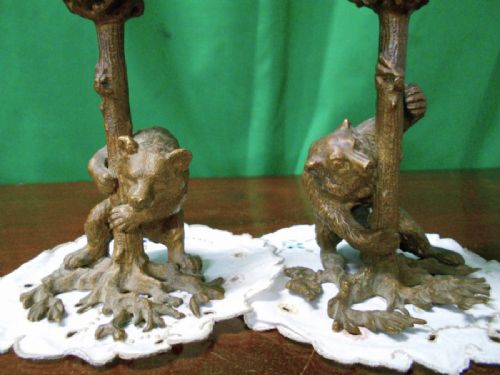
Several bears hold candlesticks.
Judging the work
The sophistication of the patination and the depth of the finish separate standard foundry production from exceptional sculptural works. Foundries that employed skilled chisellers produced pieces where the texture of hair, fur, and fabric appears lifelike and defined.
Franz Bergman·Emmanuel Villanis·Christophe Fratin·P J Mêne·Jules Dalou
The Brown Bronze Figure Glossary
- Bronze
- An alloy composed mainly of copper and tin, used extensively for durable sculptural casting.
- Patinated Bronze
- Metal treated with chemical solutions to produce a specific surface colour, most commonly brown or black.
- Cold-Painted Bronze
- Metal painted with cold enamel colours after casting, a technique favoured by Austrian workshops.
- Animalier
- A nineteenth-century sculptural style focused on realistic depictions of animals in action or repose.
- Grand Tour
- Souvenirs purchased by nineteenth-century travellers visiting classical antiquities in Italy.
Brown Bronze Figure: Frequently Asked Questions
What is a brown bronze figure?
A brown bronze figure is a cast metal sculpture finished with a patinated brown surface, produced predominantly during the nineteenth and early twentieth centuries.
These pieces depict human subjects, animals, and mythological scenes, reflecting various European and Japanese artistic traditions.
How were these figures displayed?
Original owners placed these sculptures on mantelpieces, desks, and library tables as decorative ornaments or scholarly objects.
Many larger examples were mounted on sturdy marble or wooden bases to sit securely on flat furniture surfaces.
How do I care for bronze?
Dust the surface gently with a soft, dry cloth to prevent the accumulation of dirt within the intricate recessed areas of the casting.
Avoid using harsh chemical polishes or water, which can damage the historic patinated finish applied by the foundry.
How can I tell the period?
Dating relies on stylistic markers, foundry stamps, artist signatures, and the specific composition of the metal alloy and patina.
Nineteenth-century pieces often display distinct patination methods and classical or animalier subject matter typical of European foundry output.