


Pj Mene Bronze
These pj mene bronze sculptures capture the fierce energy of the nineteenth century French animalier movement, giving any room a tangible piece of wildlife history.
Pj Mene Bronze
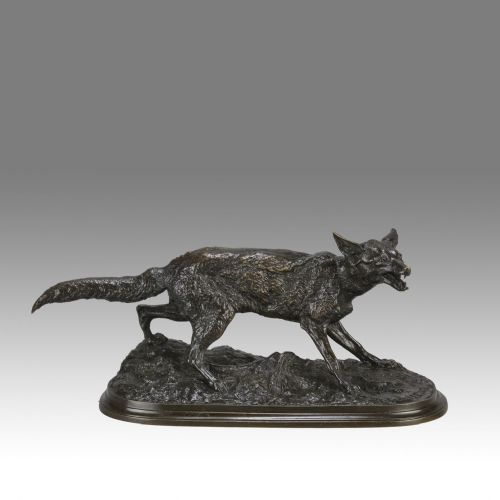
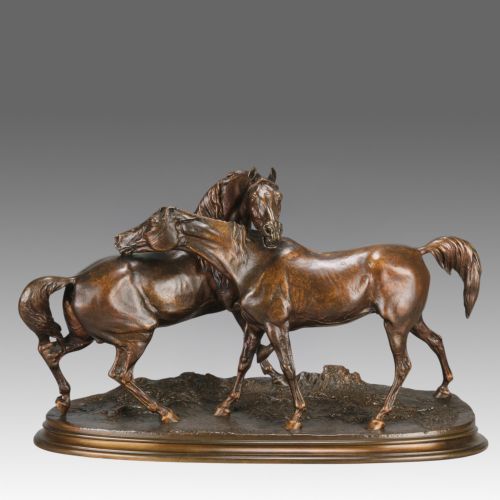
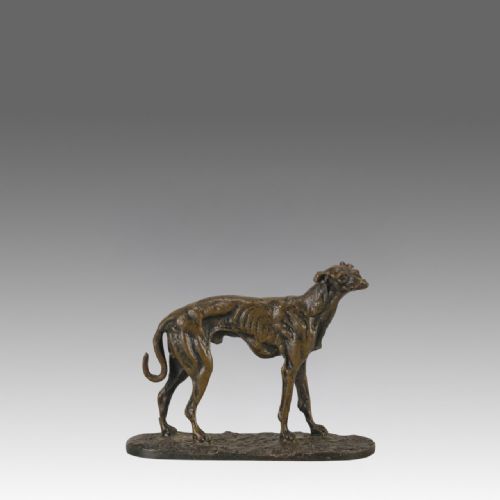
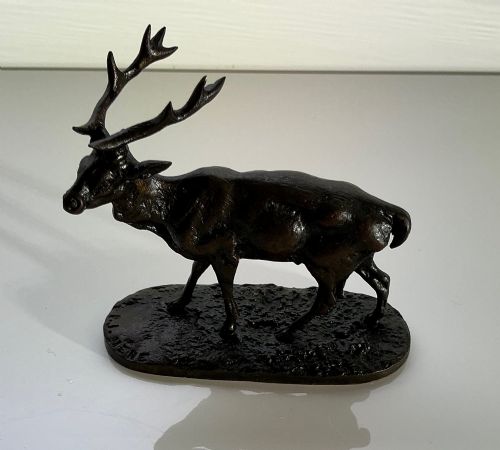
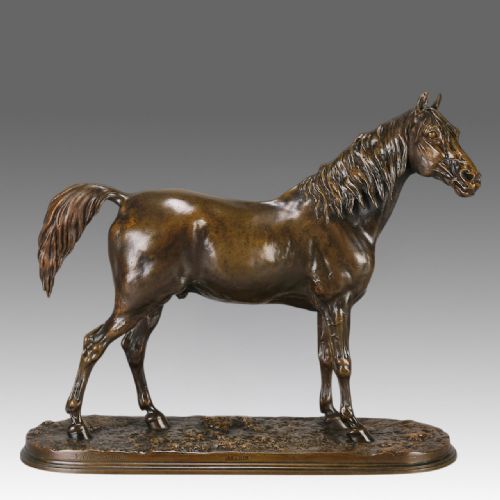
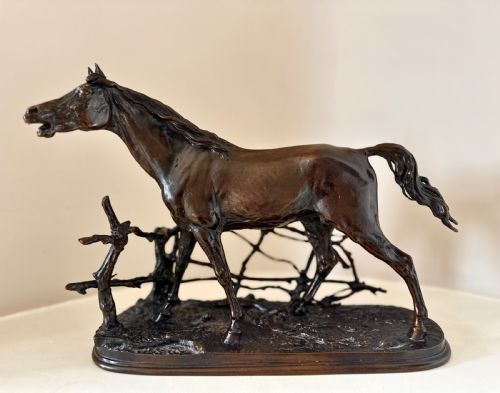
When someone searches for pj mene bronze, they are looking at nineteenth century animalier sculpture depicting hounds, stags, foxes, and horses. These pieces typically originate from the French animalier school, capturing animals in dynamic or resting poses with titles such as Reynard, L'Accolade, and Ibrahim.
The versions most commonly met on this page are mid and late nineteenth century bronzes cast either by the sculptor himself or produced as later iterations after his models. They range from single figures of dogs and horses to complex sculptural groups of paired animals.
How pj mene bronze works were made
These sculptures are formed from bronze and finished with a dark patinated surface that highlights the musculature and textures of the subjects. The metal is cast using traditional foundry methods common to nineteenth century French workshops.
The surface treatment relies on patination to create depth across the bronze, accentuating details from the fur of a setter to the sleek coat of an Arab mare.
Materials documented across the pieces include patinated bronze and dark patina.
What varies in quality
Quality in these sculptures rests in the crispness of the casting and the sensitivity of the chisel work applied after the metal leaves the mould. Finer examples retain sharp anatomical definition in the animal forms and depth in the surrounding base.
The nuance of the dark patina also distinguishes superior examples, where subtle shading brings out the tactile qualities of the bronze rather than flattening the surface.
P J Mêne
The Pj Mene Bronze Glossary
- Animalier
- A nineteenth century artistic movement focused on the realistic depiction of animals, particularly in sculpture. Practitioners of this style concentrated heavily on anatomical accuracy and natural behaviour.
- Patinated Bronze
- Bronze that has been treated with chemical solutions to produce a specific surface colour, most commonly dark tones in these works. This finish protects the metal and enhances visual contrast.
- Sculpture
- Three-dimensional art created by casting metal into distinct forms. In this context, it refers to cast bronze figures of wildlife and domestic animals.
- French Animalier School
- The nineteenth century circle of sculptors based in France who specialised in animal subjects. This group established the standards for realistic animal bronzes.
Pj Mene Bronze: Frequently Asked Questions
What subjects do these bronzes show?
The sculptures predominantly depict animals, including stags, horses, greyhounds, setters, and foxes. Many pieces capture specific dramatic titles such as L'Accolade or Ibrahim.
These subjects reflect the nineteenth century fascination with naturalism and the detailed study of animal anatomy in motion and repose.
How do I identify a period piece?
Period bronzes from the nineteenth century display characteristic casting techniques, heavy metal composition, and traditional dark patination. Signatures and titles often appear directly on the bronze base.
Examining the crispness of the chase work and the consistency of the patina helps distinguish authentic nineteenth century examples from later editions.
Where were these sculptures produced?
These works originate from France, aligning with the nineteenth century French animalier school of bronze casting. Workshops in Paris produced both original casts and authorized editions.
Retailers occasionally retailed these bronze sculptures, connecting French foundry work with international buyers during the Victorian era.
How do I care for a bronze?
Bronze requires minimal maintenance, needing only an occasional dusting with a soft, dry cloth to prevent grime accumulation. Avoid using chemical polishes that can strip the original patina.
Keeping the sculpture away from excessive moisture and direct heat sources preserves the stability of the metal and its dark surface finish.