
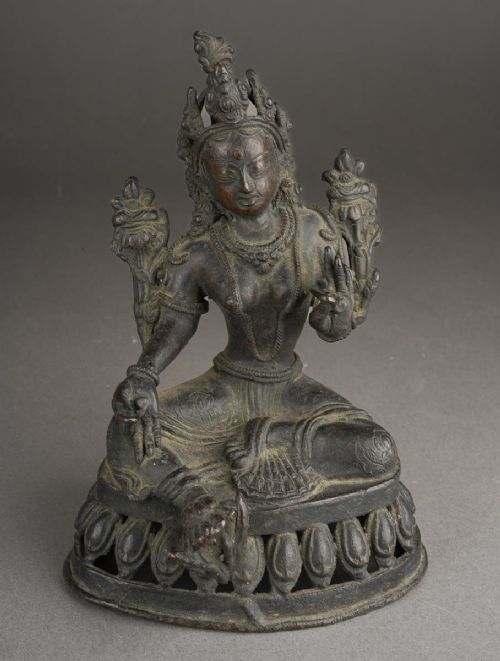
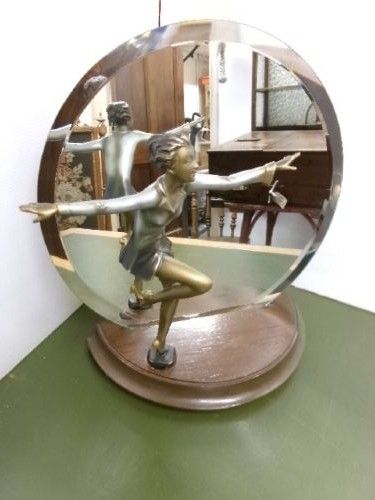
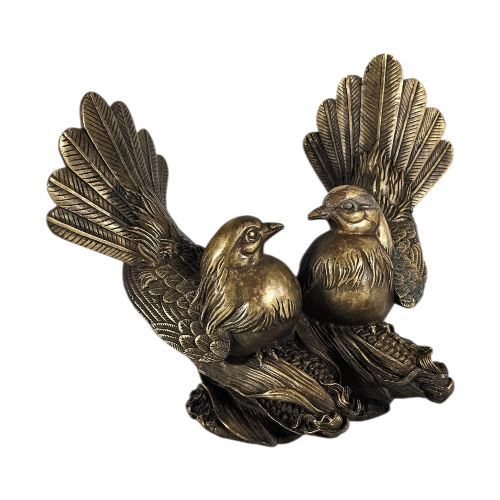
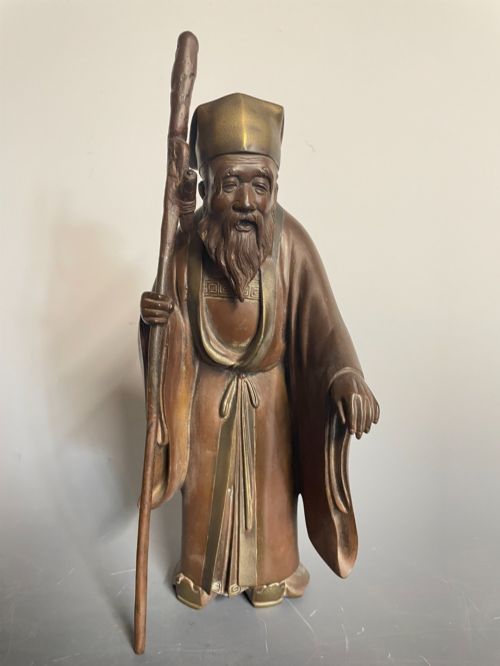
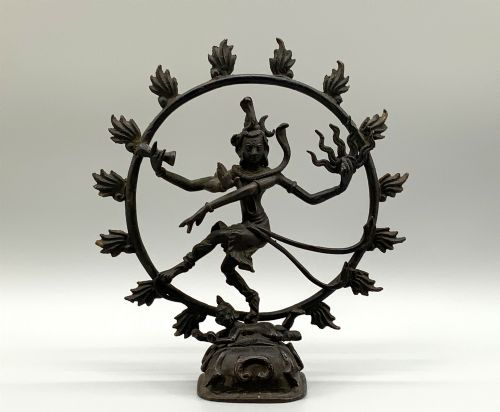

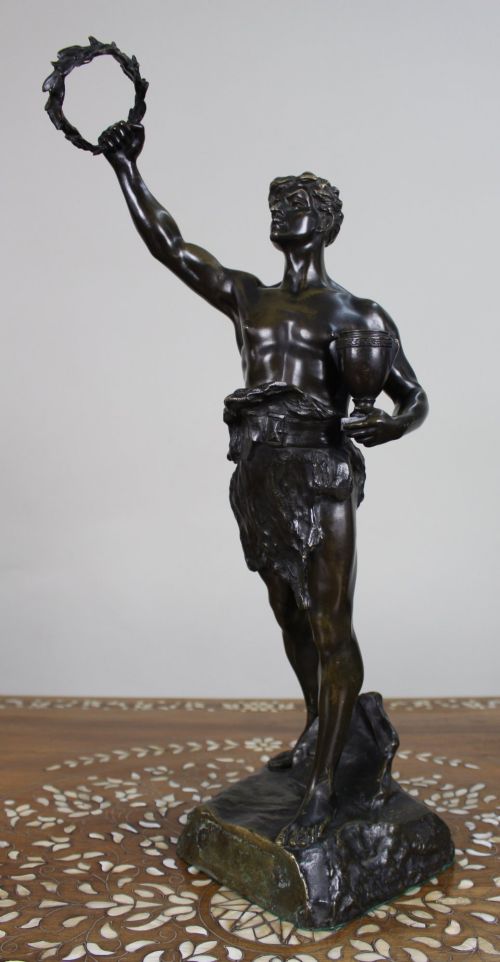

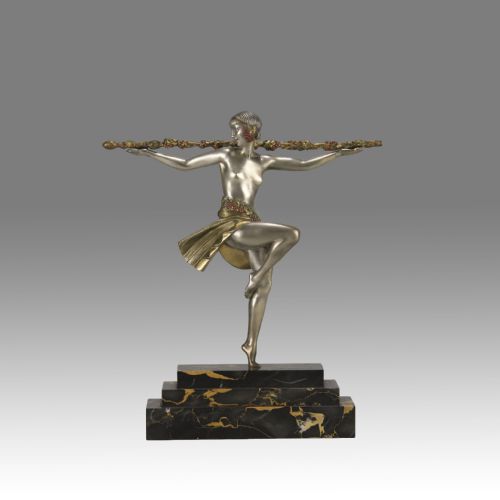
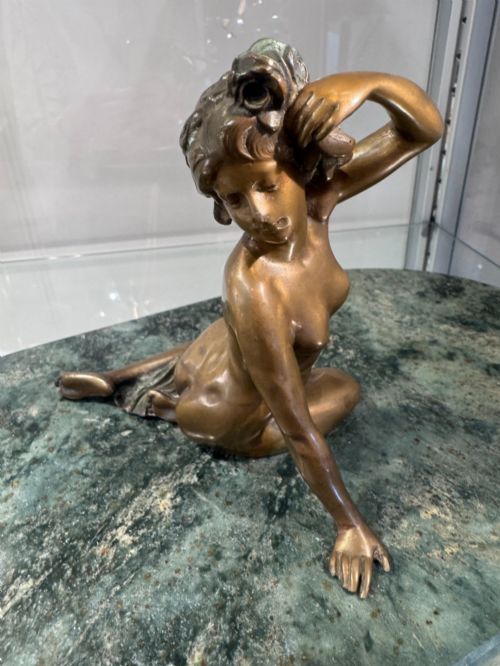
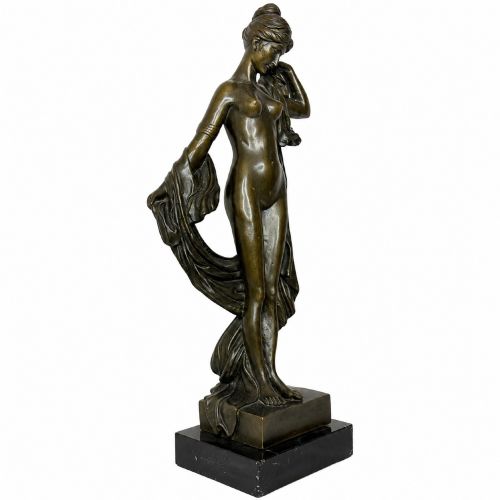
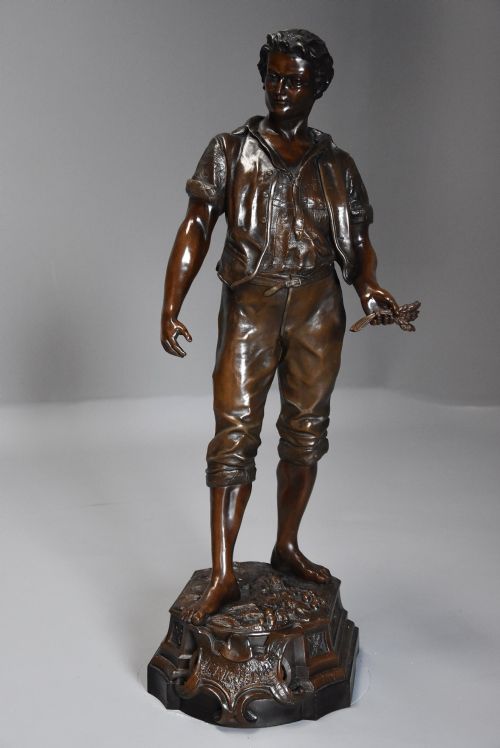
Bronzed Metal Statue
These bronzed metal statue pieces bring sculptural weight and period detail to a room, ranging from cast animal studies to classical figures.
Bronzed Metal Statue
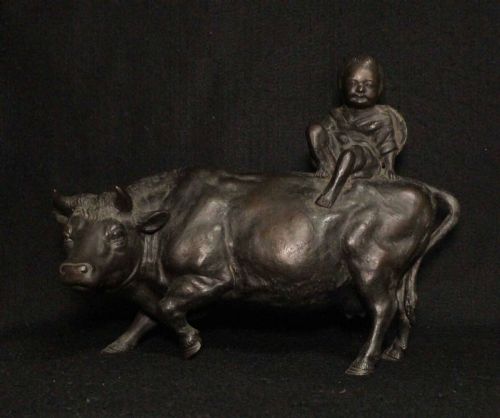
A bronzed metal statue covers a diverse group of sculptures, figures, and decorative objects cast in bronze, patinated metal, and spelter. These pieces span multiple centuries and international origins, including nineteenth-century French works, Meiji period Japanese okimono, and twentieth-century Art Deco creations.
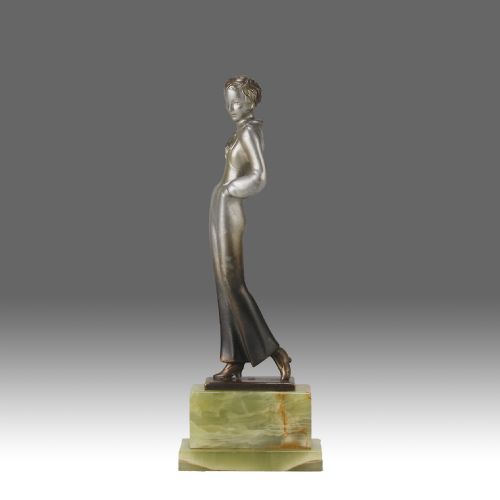
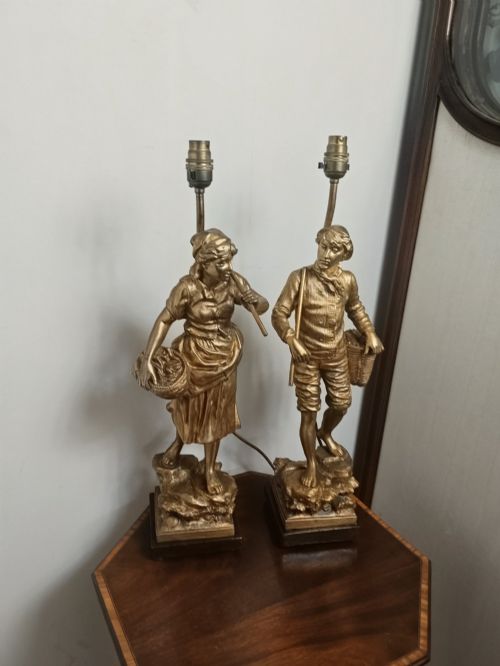
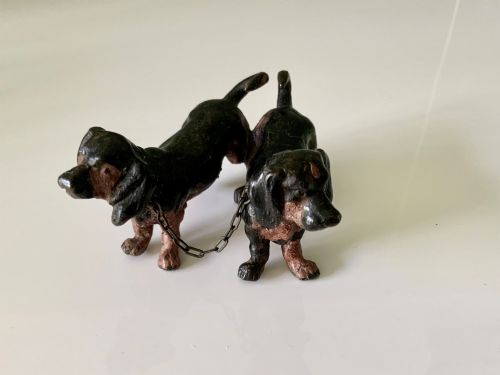
The selection on this page frequently includes animalier studies, classical deities, figural lamps, and human subjects mounted on marble or onyx bases. Forms range from small cabinet figures to large life-sized representations.
Nineteenth-century European foundry work and early twentieth-century decorative pieces form the core of what collectors encounter here. Figures often reflect specific artistic movements such as Art Nouveau, Baroque, and Rococo Revival.
How they were made
Foundries primarily utilised the lost-wax casting method or sand casting to shape molten bronze, spelter, and other metal alloys into detailed forms. Artisans then applied patination through chemical treatments or cold-painting to achieve varied surface colours and tones.
Many sculptures incorporate mixed media elements, such as intricate gilt highlights, inlaid turquoise, or hand-painted details. Bases of marble, onyx, or wood were shaped separately to support the weight of the metal casts.
Materials documented in current inventory include traditional bronze alongside patinated metal, gilt bronze, spelter, marble, and onyx.
What varies in quality
The integrity of the material and the quality of the base integration also set examples apart. Heavier, solid metal components combined with matching stone bases demonstrate superior craftsmanship compared to hollow, lighter alternatives.
Pierre le Faguays·Josef Lorenzl·E Rousseau·F.Milliot·Pierre-Augustin Caron de Beaumarchais·Frederic Remington·Christophe Fratin·Emile Carlier·Henri Godet
The Bronzed Metal Statue Glossary
- Spelter
- A zinc alloy frequently utilised as a less costly alternative to bronze for nineteenth and twentieth-century figures. It accepts patination well to imitate the appearance of bronze.
- Patinated metal
- Metal treated with chemical solutions to produce a specific surface colour or aged finish. This process protects the underlying material while enhancing visual depth.
- Animalier
- A nineteenth-century artistic style focused on realistic depictions of animals, particularly predators, horses, and birds. Sculptors of this genre studied anatomy closely to capture movement.
- Okimono
- A Japanese decorative carving or casting intended for display on a shelf or cabinet. These pieces often depict traditional figures, animals, or daily scenes from the Meiji period.
- Cold-painted
- A technique where paint is applied to a metal sculpture after casting without heat firing. This method yields vibrant polychrome finishes seen on many twentieth-century Austrian and European figures.
Bronzed Metal Statue: Frequently Asked Questions
What is a bronzed metal statue?
A bronzed metal statue is a cast sculpture made from bronze, patinated metal, or spelter that has been finished to resemble traditional bronze. These objects encompass human figures, animals, and decorative items from various historical periods.
Craftsmen created them using traditional foundry techniques, often mounting the completed metalwork onto stone or marble bases for stability and display.
How do I distinguish bronze from spelter?
Bronze is a heavy, durable copper alloy that develops a natural patina over time and sounds resonant when tapped gently. Spelter is a softer zinc-based material that is lighter in weight and tends to show surface wear or flaking paint more readily.
Examining the underside or an unobtrusive edge often reveals the base metal beneath any applied surface coating.
Where should I display these statues?
These sculptures suit stable, flat surfaces such as sideboards, mantelpieces, or dedicated display cabinets where their weight and material can be appreciated safely. Placing them away from direct heat sources helps protect any associated marble bases or delicate painted finishes.
Ensure the placement allows adequate light to catch the patination and surface details of the metal.
How do I care for a bronzed metal statue?
Maintenance involves gentle dusting with a soft, dry cloth to prevent particulate buildup on the surface. Avoid using chemical polishes or abrasive cleaners, as these can strip away historical patination and cold-painted details.
Keeping the environment at a stable humidity level protects both the metal alloy and any stone or wooden components.