



Cast Bronze Female Statue
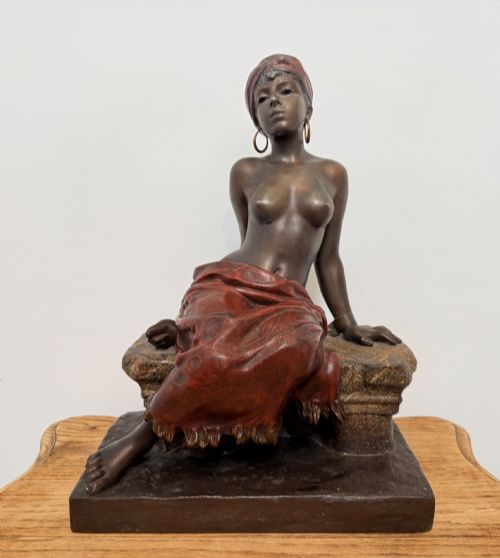
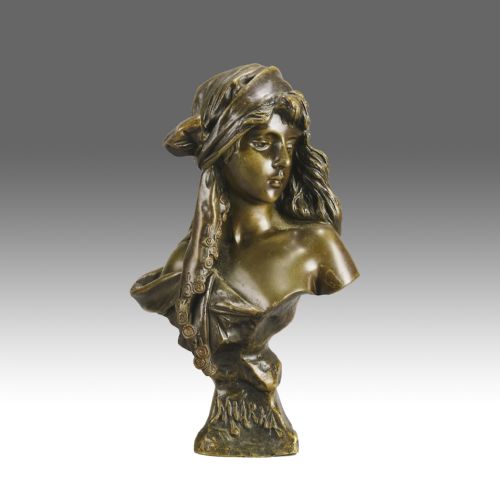
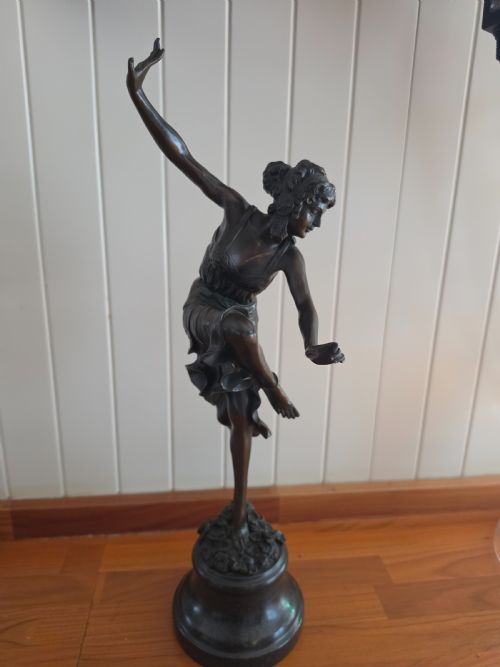
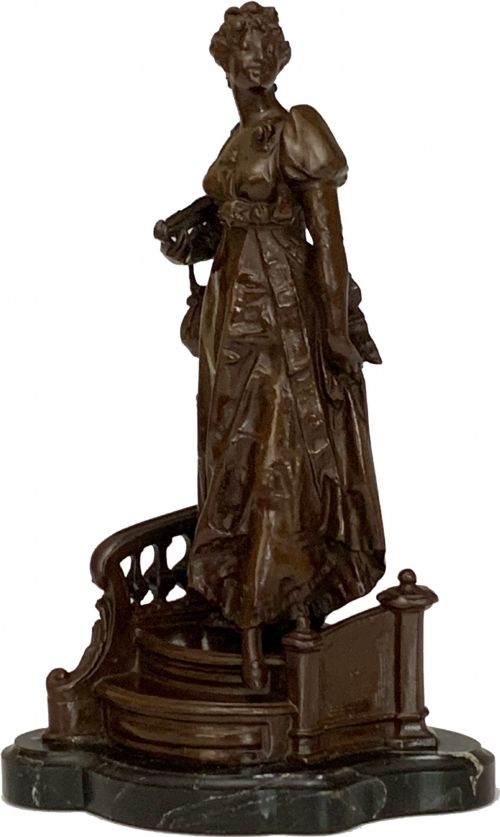
A cast bronze female statue brings figural presence into a room, spanning periods from the nineteenth century through the art deco era.
Cast Bronze Female Statue
A cast bronze female statue encompasses diverse sculptural interpretations of women, ranging from classical figures to distinct dancers and allegorical subjects. These pieces appear primarily as standing figures, busts, table lamps, and figurative groups.
The selections span the nineteenth century through the early twentieth century, incorporating French foundry work, Art Nouveau styling, and Art Deco design. Buyers encounter named subjects alongside anonymous female figures cast in metal.
Originating predominantly from European studios and foundries, these works reflect changing aesthetic movements from neoclassical ideals to modern decorative forms. Each piece captures a specific sculptural approach to depicting the female form.
Methods and materials of manufacture
Foundries utilised traditional metal casting techniques to produce these sculptures, often employing patinated bronze or spelter as the primary medium. Surfaces frequently received chemical patination to create varied tonal effects on the metal.
Many works incorporate secondary materials such as marble or alabaster bases, glass elements in lamps, and occasional polychrome painted surfaces. Foundries like Barbedienne and Hebrard applied meticulous finishing to cast metal components.
Listings feature works spanning the nineteenth century through the nineteen-thirties, utilising bronze, spelter, marble, and alabaster.
Distinctions in craftsmanship and production
The integrity of the patination and the quality of mounting on stone bases influence the overall presence of the piece. Superior examples exhibit balanced proportions and clean foundry markings that confirm their origin.
Emmanuel Villanis·C J R Colinet·Georges Van Der Straeten·Georges-Charles Coudray·Barbedienne·Anders Zorn·Emile Laporte·Elizabeth Anna Clapp·Arthur Waagen·Auguste Moreau·James Pradier·Bruno Zach·Antoine Coysevox·A Gaudez·Carrier Belleuse·J C De Blezer
The Cast Bronze Female Statue Glossary
- Patinated bronze
- Bronze treated with chemical solutions to produce a specific surface colour or tone. This finish protects the metal and defines the visual mood of the sculpture.
- Spelter
- An alloy of zinc and lead or tin used as a less expensive alternative to bronze. It frequently receives a bronze-coloured finish to mimic heavier metal.
- Art Nouveau
- A stylistic movement characterised by organic, flowing lines and natural motifs. This aesthetic heavily influences nineteenth and twentieth-century female busts and figures.
- Bust
- A sculpted representation of a person from the chest up. These pieces frequently focus on facial expression and detailed costume or hair.
Cast Bronze Female Statue: Frequently Asked Questions
How do I identify a spelter figure from bronze?
Spelter is a softer zinc alloy that feels lighter than bronze and often shows a grey or white metal underneath worn surface finishes. A magnet does not stick to either metal, but bronze typically exhibits greater weight and crisper foundry detail.
Examination of the underside or drilled mounting points can reveal the underlying metal colour. Bronze develops a stable oxidation over time, whereas spelter tends to flake or pit more readily under poor conditions.
Where were most of these female statues produced?
The majority of these pieces originate from France, where commercial foundries and individual artists produced decorative and fine art sculptures. Foundries employed specialised techniques for casting and finishing metal figures.
Production also extended to other European centres, reflecting international demand for classical and contemporary figural sculpture throughout the nineteenth and early twentieth centuries.
How should I clean an antique bronze statue?
Antique bronzes require minimal intervention to preserve their original patination and historical surface wear. Dusting with a soft, dry cloth is usually sufficient for routine maintenance.
Harsh chemical cleaners, water, or abrasive polishes strip the patination and damage the metal surface. Professional conservation is recommended for pieces requiring deeper cleaning.
What periods are represented in these sculptures?
The works span the nineteenth and early twentieth centuries, capturing major shifts in European decorative arts. Pieces range from mid-nineteenth-century romantic and neoclassical subjects to Art Nouveau and Art Deco designs.
Dates are often established through artist signatures, foundry stamps, and stylistic characteristics typical of specific decades like the eighteen-nineties or nineteen-twenties.