



Art Nouveau Mantel Ornament
An art nouveau mantel ornament brings the sinuous, organic energy of the turn of the twentieth century directly to a domestic hearth or shelf.
Art Nouveau Mantel Ornament
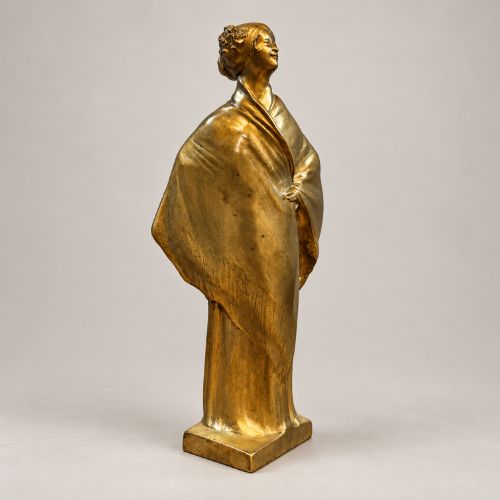
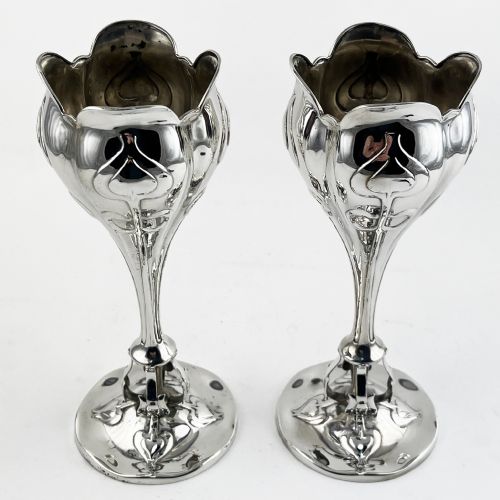
An art nouveau mantel ornament comprises sculptural figures, portrait busts, and decorative vases designed to stand upon a fireplace shelf or sideboard. The selection spans distinct forms such as patinated bronze statuettes, porcelain figures, and sterling silver vessels created around nineteen ten and the late nineteenth century.
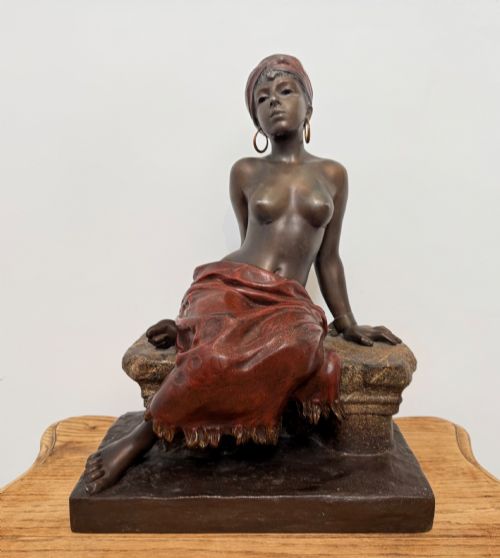
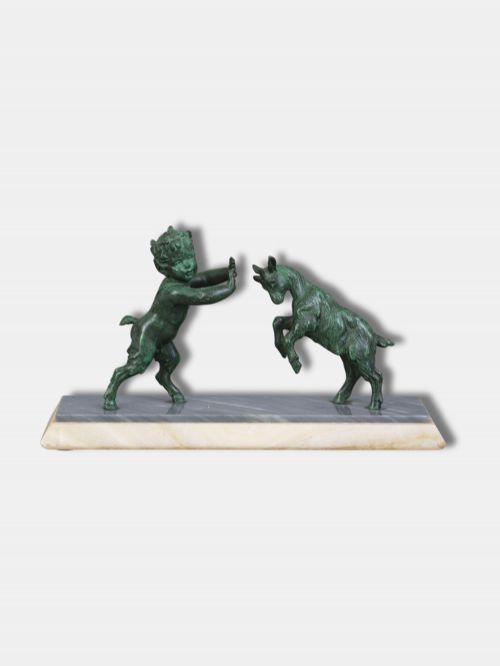
Buyers frequently encounter figurative works depicting classical maidens, nymphs, fauns, and costumed youths rendered in characteristic flowing lines. These pieces originate predominantly from French studios and major European ceramic manufactories of the period.
Makers often integrate the sculptural subject directly into a functional vessel or architectural base, blurring the line between pure sculpture and decorative art. The aesthetic draws heavily on natural forms, female allegories, and Orientalist themes suited to sophisticated interior display.
Materials and methods
Foundry workers cast the metallic pieces in bronze, gilt bronze, and cast metal, applying patination to accentuate the fluid drapery and musculature of the figures. These metal sculptures capture the characteristic whip-like curves and organic asymmetry central to the aesthetic.
Ceramic works utilise fine porcelain, biscuit porcelain, and glazed ceramic, shaped into figures and vases before undergoing kiln firing. Sterling silver examples employ silversmithing techniques to form vessels with chased or embossed organic motifs.
Art Nouveau Mantel Ornament Retail Price Guide 2026
Typical asking prices for art nouveau mantel ornament among the pieces listed under this phrase on Sellingantiques today, from the lower quarter to the upper quarter. They describe what is for sale here now, not the wider market.
Several ladies on this page are permanently occupied with puppies, kittens, shells, or goats.
Distinctions in quality
The refinement of the casting and the crispness of the chasing determine the distinction between ordinary production and superior work in metal pieces. Finer patinated bronzes retain subtle gradations of tone and precise facial expressions, whereas simpler castings lose definition in the hair and drapery.
In ceramic and porcelain figures, the delicacy of the moulding and the subtlety of the hand-painted polychrome or monochrome surface separate standard factory output from masterworks. The integration of the ornament with its marble or metal base also reflects the original ambition of the piece.
Leo LaPorte-Blairsy·Emmanuel Villanis·Emile Carlier·Royal Dux·Sylvain Kinsburger·Charles Korschann
The Art Nouveau Mantel Ornament Glossary
- Patinated bronze
- Bronze treated with chemical solutions to produce a coloured surface film. This finish protects the metal and highlights sculptural detail.
- Biscuit porcelain
- Unglazed, white ceramic fired once to achieve a matte, marble-like texture. It is frequently employed for figurative statuary.
- Orientalist
- An artistic style incorporating themes and motifs from Middle Eastern and North African cultures. It appears frequently in late nineteenth-century European sculpture.
- Gilt bronze
- Metal covered with a thin layer of gold or gold-coloured alloy. This technique adds a luminous finish to decorative highlights.
Art Nouveau Mantel Ornament: Frequently Asked Questions
What subjects appear on these mantel ornaments?
These decorative works typically depict female figures, water nymphs, mythological fauns, and youths in period costume. Many pieces incorporate allegorical titles or draw inspiration from classical antiquity.
Other examples take the form of sculptural vases adorned with botanical motifs or nude studies integrated into the vessel structure.
Where were these ornaments made?
The majority of these pieces originate from French workshops and prominent European ceramic factories active around the turn of the twentieth century. Paris served as a major hub for sculptors and foundries.
Bohemia also contributed significant ceramic output through manufactories such as Royal Dux, known for large-scale sculptural figures.
How should I display an art nouveau ornament?
These pieces suit placement on mantelpieces, sideboards, and console tables where their sculptural profiles can be viewed from multiple angles. Their materials, including bronze and polished marble, require stable, flat surfaces.
Positioning them away from direct heat sources helps preserve vulnerable patinated finishes and delicate ceramic details.
How do I distinguish between bronze and cast metal?
Bronze objects generally exhibit greater weight, finer detail in the chasing, and a warmer tone beneath the patination. Cast metal alternatives often display simpler surface textures and occasional seam lines from less sophisticated moulds.
Examining the underside can reveal mounting screws, foundry marks, or the heavier density characteristic of genuine bronze.