


Bronze Figural Ornaments
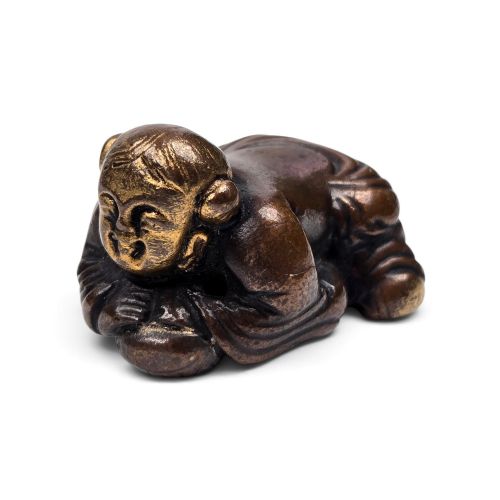
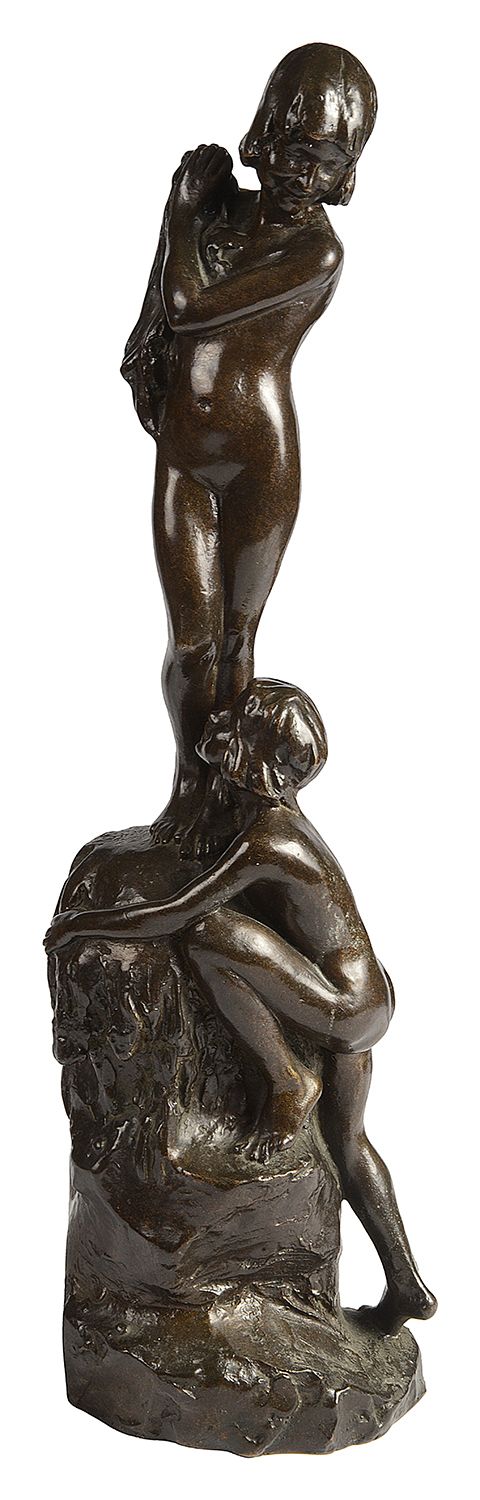
Bronze figural ornaments bring character to a room through solid metal sculpture, depicting human figures, animals, and mythological subjects.
Bronze Figural Ornaments
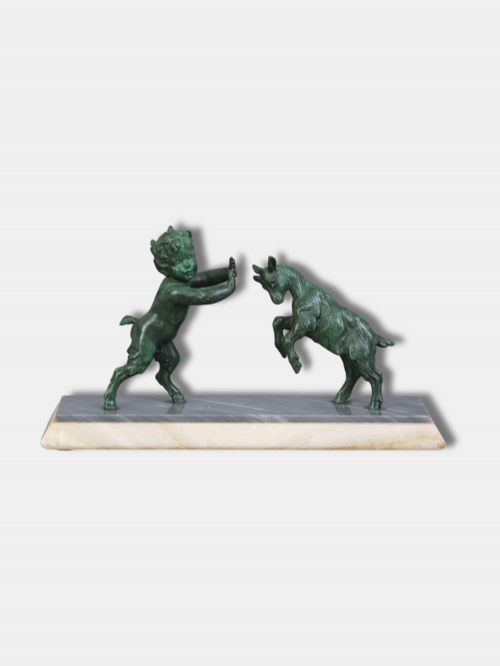
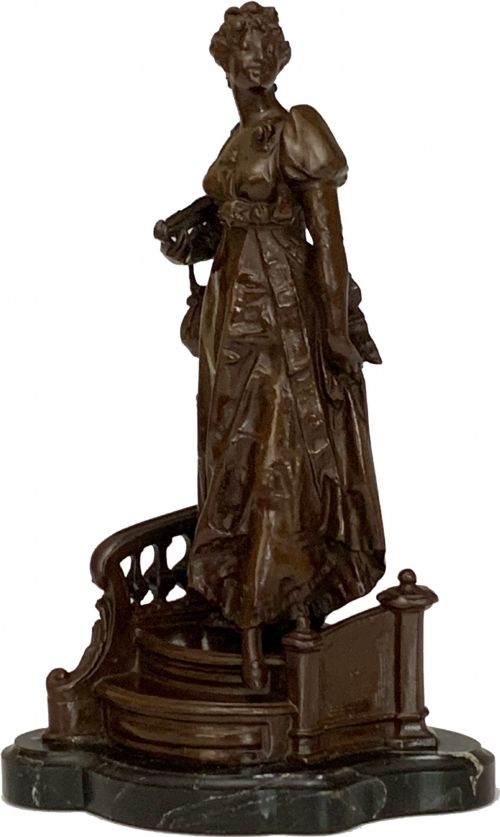
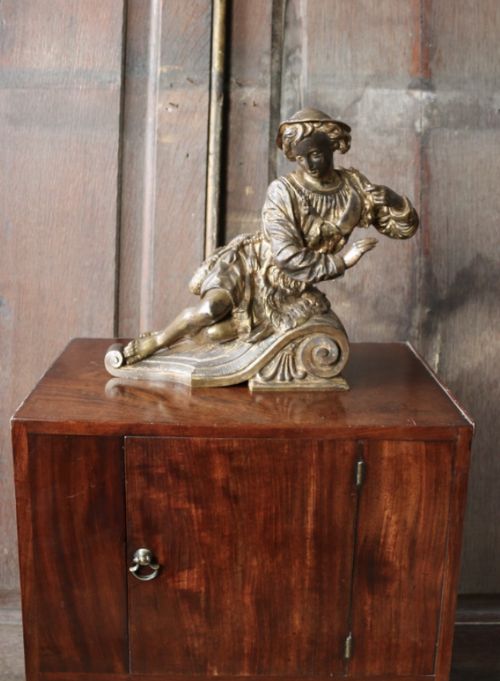
Nineteenth century French works and nineteen-thirties pieces dominate the selection. Buyers frequently encounter nineteenth century French foundry output alongside art deco figures mounted on marble, onyx, or alabaster bases. Subjects range from classical putti and mythological deities to literary and genre scenes.
Materials and Construction Techniques
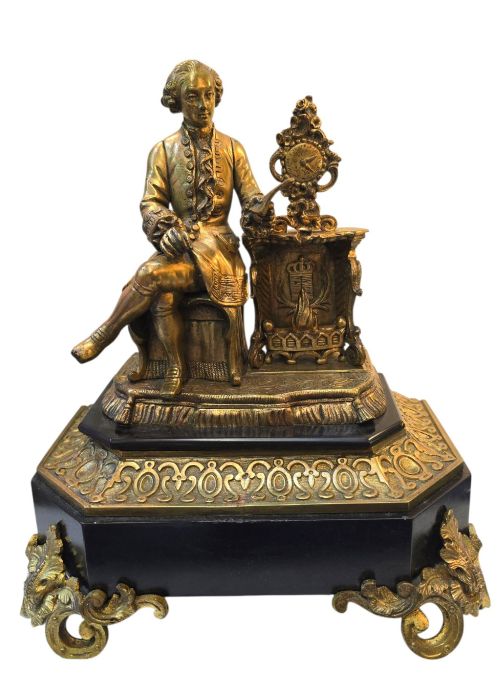
Foundries utilised solid casting for many traditional figures, employing copper alloys alongside fire-gilding, ormolu, and patinated finishes to achieve varied surface tones. Alternative manufacturing methods introduced spelter as a cost-effective metal substitute, often given a bronze-like coating.
Many sculptures incorporate mixed media bases, pairing cast metal figures with marble, onyx, or alabaster plinths. Details such as glass eyes appear in specific animal studies, while chasing and engraving refine the cast metal surfaces.
Listings feature periods spanning from the 16th century to the 1930s, incorporating bronze, spelter, marble, and onyx materials.
Markers of Quality and Execution
The sophistication of the foundry work and the integration of the figure with its naturalistic or architectural base distinguish finer examples from standard commercial production. Selectively fire-gilded elements and hand-finished patination elevate the visual depth of the metal.
Pierre-Augustin Caron de Beaumarchais·Emile Carlier·Georges Van Der Straeten·Clodion·Auguste Moreau·Carl Kauba·Eugene Laurent·Charles Korschann·Ernest Louis Adnin
The Bronze Figural Ornaments Glossary
- Spelter
- A zinc-based alloy commonly utilised as a cheaper alternative to bronze for decorative figures. It takes patination well to resemble heavier metals.
- Ormolu
- Gilt bronze produced by applying a finely ground high-carat gold mercury amalgam to a bronze object. The technique creates a rich golden surface finish.
- Patinated bronze
- Metal treated with chemical solutions to produce a specific surface colour or aged appearance. This finish protects the metal and highlights sculptural contours.
- Putto
- A plump, naked male child figure frequently depicted in classical and Renaissance art. Pairs of these figures often appear seated on rocks or architectural elements.
- Okimono
- A Japanese decorative carving or casting designed for display on a shelf or tokonoma. These pieces showcase intricate mastery of traditional metalwork.
Bronze Figural Ornaments: Frequently Asked Questions
How do I distinguish bronze from spelter?
Bronze is a heavy copper alloy that feels dense, cool, and durable, while spelter is a softer, lighter zinc-based metal. Spelter figures often show wear through the bronze-coloured surface coating.
Examining the underside or areas of friction can reveal the lighter grey metal beneath a spelter finish.
Where were these ornaments placed?
Historically, these ornaments found placement on desks, mantelpieces, and side tables in domestic interiors. Functional versions doubled as paperweights and inkwells for writing rooms.
Larger statues stood on pedestals or furniture tops to accent nineteenth century salons and studies.
How do I care for bronze figures?
Maintain bronze ornaments by gently dusting them with a soft, dry brush to prevent dirt accumulation. Avoid harsh chemical cleaners that strip the original patination.
Occasional light waxing with microcrystalline wax helps protect bare metal surfaces from environmental moisture.