
Rococo Style Bronzes
These rococo style bronzes bring fluid curves, asymmetrical scrolling, and exuberant decorative metalwork into domestic interiors.
Rococo Style Bronzes
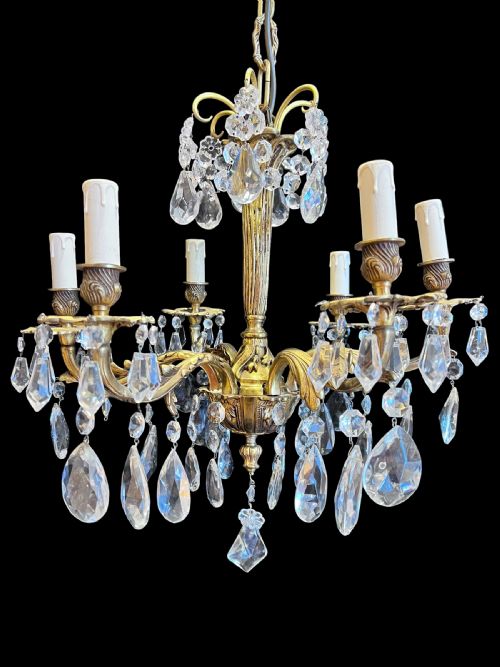
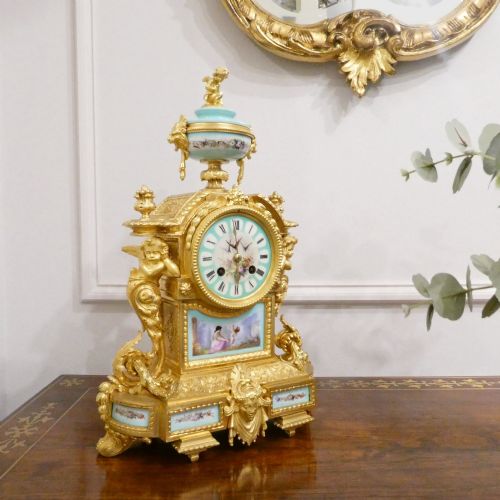
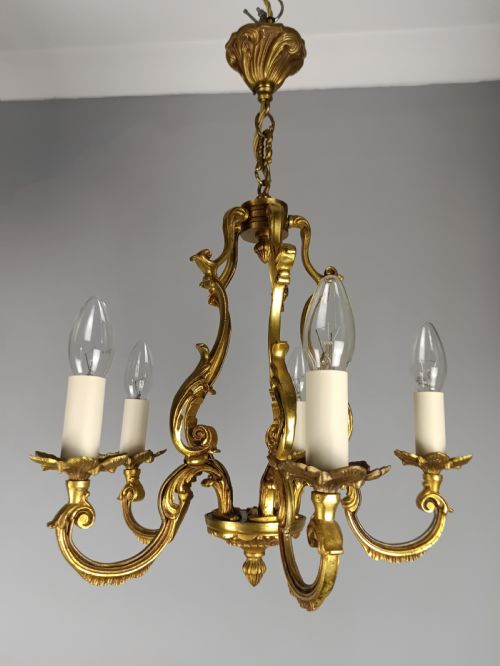
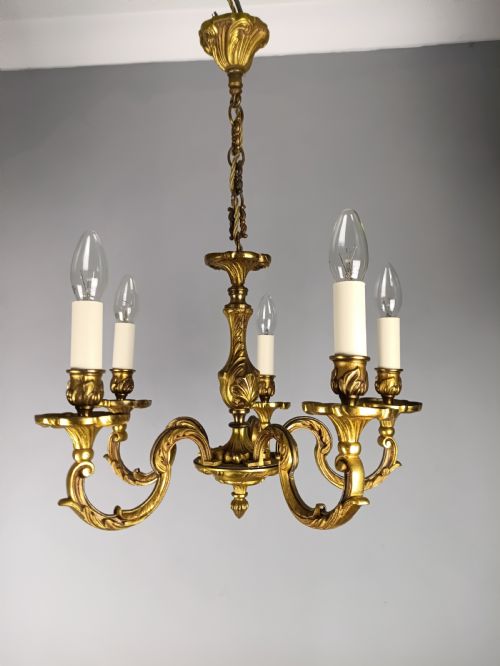
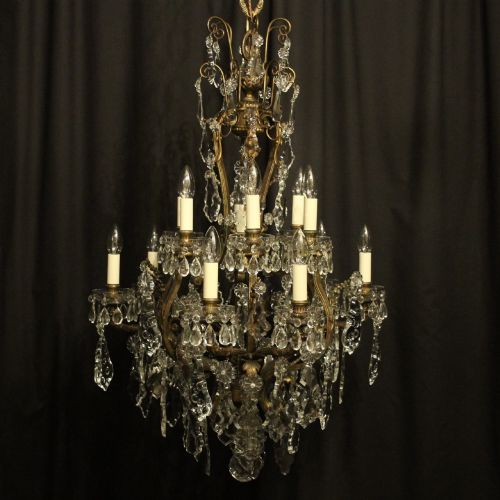
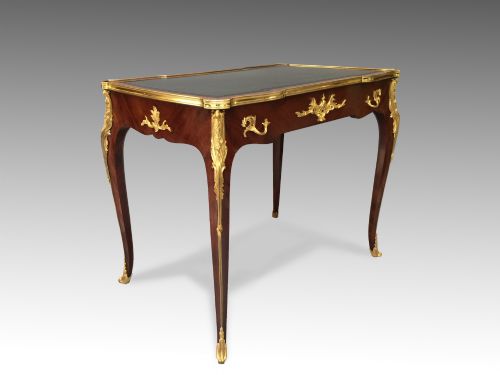
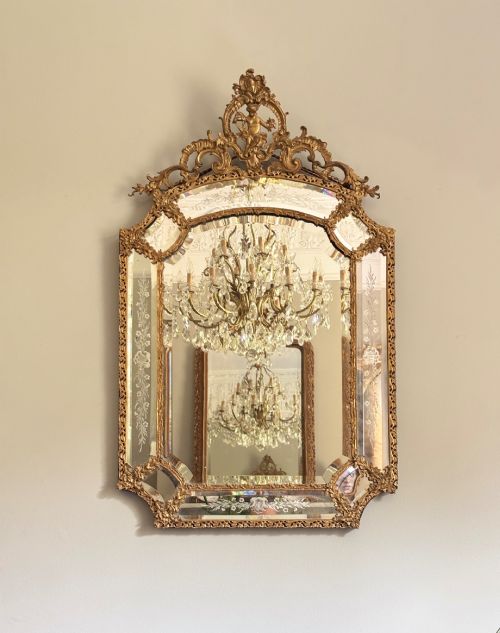
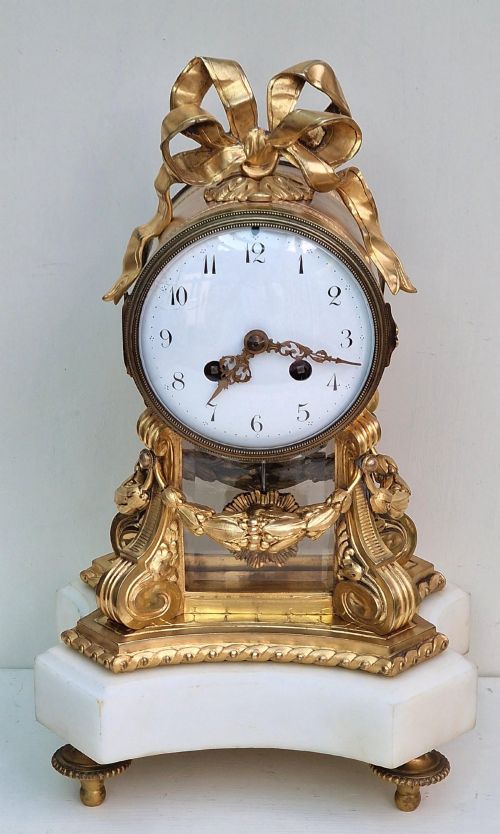
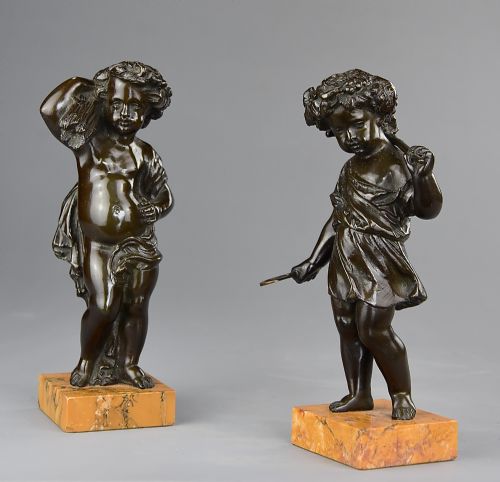
When you search for rococo style bronzes, you encounter domestic objects cast in bronze, gilt bronze, and ormolu that reflect the flamboyant tastes of eighteenth-century French design.
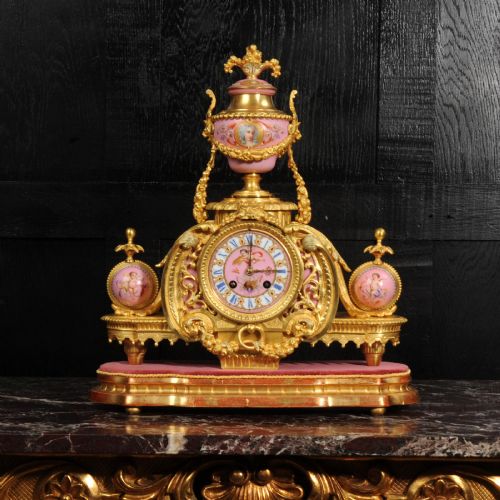
The selections available range from multi-armed chandeliers and wall lights to mantel clocks, mirrors, and fitted furniture mounts produced predominantly during the nineteenth century.
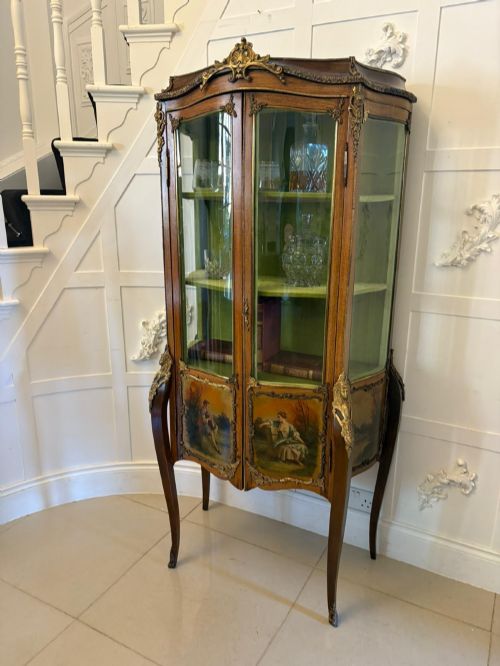
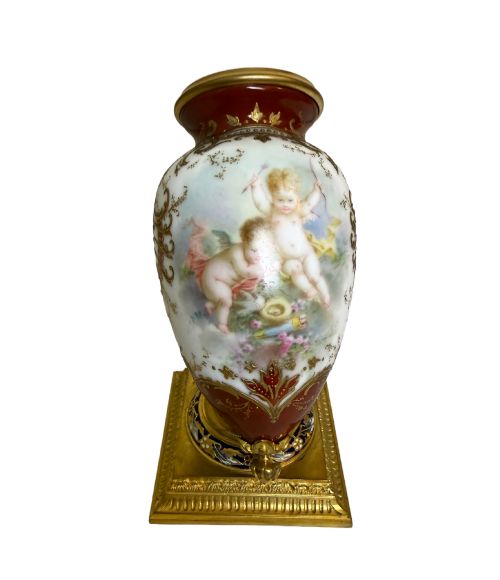
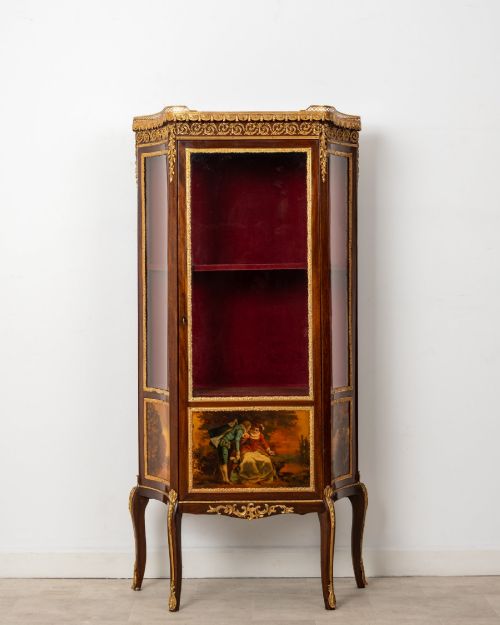
You are most likely to meet French Rococo Revival and Louis XV style pieces that integrate metalwork with materials like kingwood, Sèvres porcelain, and cut glass.
How they were made
The production of these items relied on lost-wax or sand casting methods to shape bronze into complex, organic forms featuring natural motifs such as acanthus leaves, shells, and cherubs.
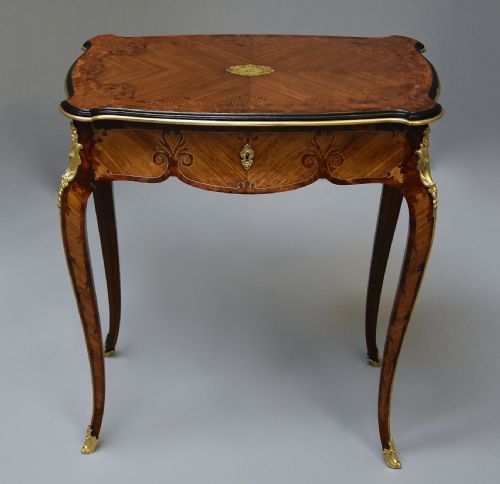
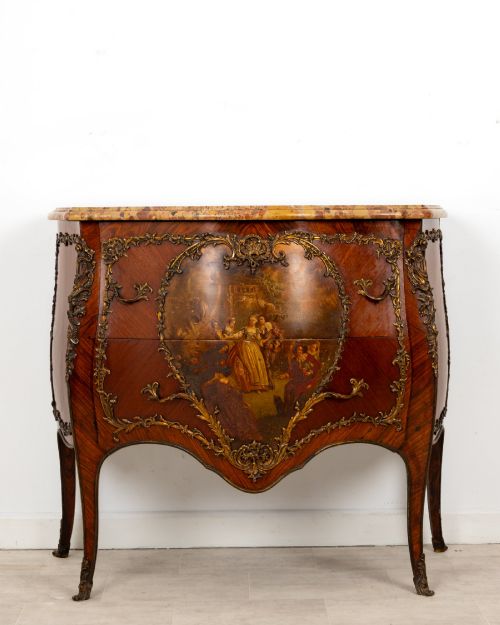
Artisans applied mercury gilding or chemical finishing to create the bright ormolu surfaces characteristic of the style, often combining the metalwork with inlaid kingwood veneers, marble tops, and hand-painted porcelain panels.
Listings span periods from the mid-nineteenth century through the Edwardian era, incorporating materials such as porcelain, glass, and marble alongside gilt bronze.
What varies in quality
Quality in these items is determined by the crispness of the chased detail on the metal surfaces and the fluidity of the cast asymmetrical lines.
Higher-tier pieces display meticulous hand-finishing by master makers, where mounts fit seamlessly against cabinetry and porcelain or crystal components are harmoniously integrated.
Achille Brocot·Claude Michael Clodion·Henry Marc·François Linke·Edwards and Roberts·CH Jeanselme and Co·Durand
The Rococo Style Bronzes Glossary
- Ormolu
- Gilded bronze produced by applying a mercury and gold amalgam to a bronze base and heating it until the mercury vapoured off, leaving a rich gold coating. This technique was widely utilised in French decorative arts.
- Vernis Martin
- A type of simulated Japanese lacquer developed in France, often seen on cabinets and desks alongside gilt bronze mounts. It provided a glossy, translucent finish in various colours.
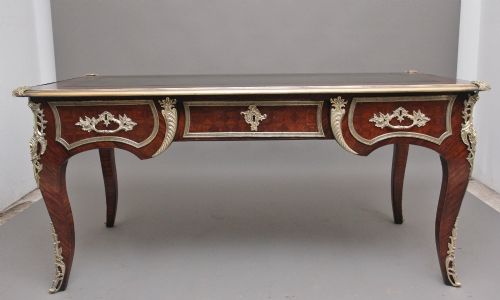
- Bureau Plat
- A freestanding writing table fitted with drawers, typically featuring cabriole legs and extensive ormolu mounts. These desks were designed to sit in the centre of a room rather than against a wall.
- Chasing
- The process of hand-tooling metal surfaces with small punches and chisels after casting to refine details and add texture. Fine chasing distinguishes superior bronze work from simpler moulded pieces.
- Candelabra
- Branched lighting fixtures designed to hold multiple candles, frequently cast in figurative or asymmetrical rococo forms. They often match the decorative scheme of contemporaneous mantel clocks and wall sconces.
Rococo Style Bronzes: Frequently Asked Questions
What is the difference between bronze and ormolu?
Bronze is an alloy of copper and tin used as the structural or sculptural base for these items.
Ormolu specifically refers to the gilded surface finish applied to that bronze, though the terms are often used interchangeably in antique listings.
How do I identify a Louis XV revival piece?
Louis XV revival pieces feature the signature asymmetrical scrolls, C-scrolls, and naturalistic flora characteristic of eighteenth-century French design.
Look for the manufacturing techniques and timber choices typical of nineteenth-century production to confirm the actual period.
Where were these items placed historically?
These decorative bronzes and mounted furnishings were created for the principal reception rooms of grand homes and chateaux.
Chandeliers and wall sconces provided ambient illumination, while clocks and candelabra anchored mantelpieces and occasional tables.
How should I care for gilt bronze?
Dust these items gently with a soft, dry brush to prevent dirt accumulation in the recessed chased details.
Avoid commercial metal cleaners and polishes, which can strip away the historic gilding and damage underlying surfaces.