

Pair of Bronze Sculptures
A pair of bronze sculptures brings balanced symmetry to a room, offering matched figures cast in metal from classical, animal and allegorical subjects.
Pair of Bronze Sculptures
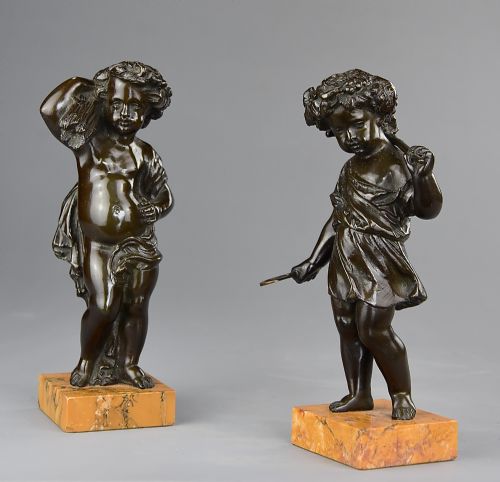
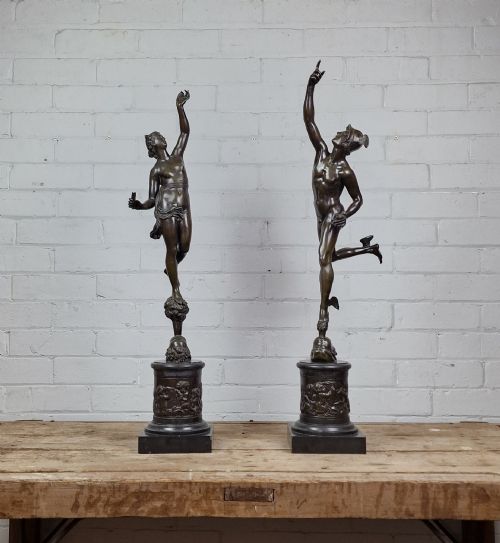
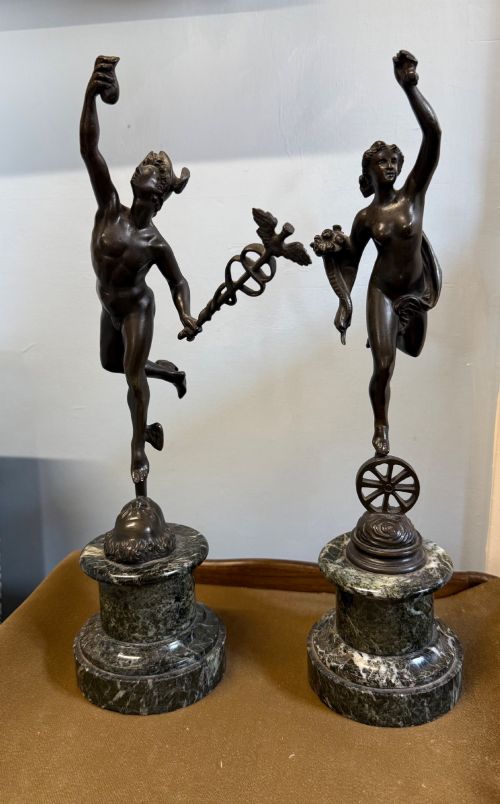
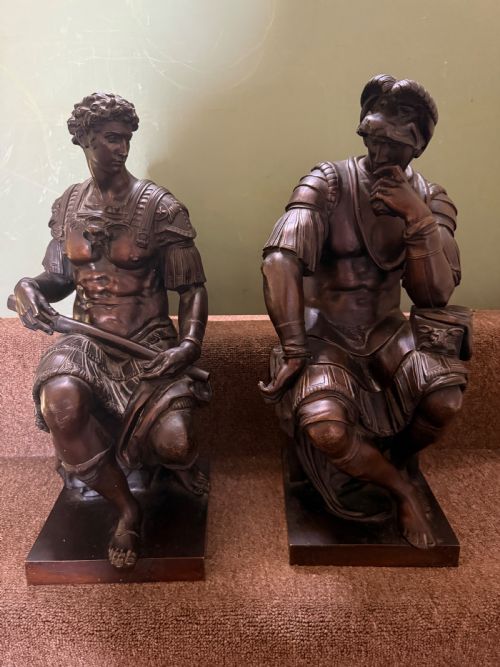
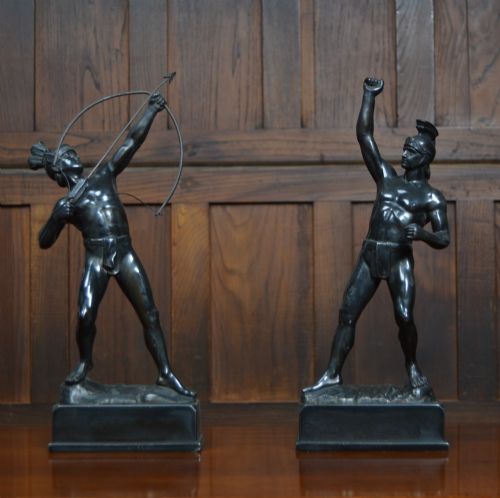
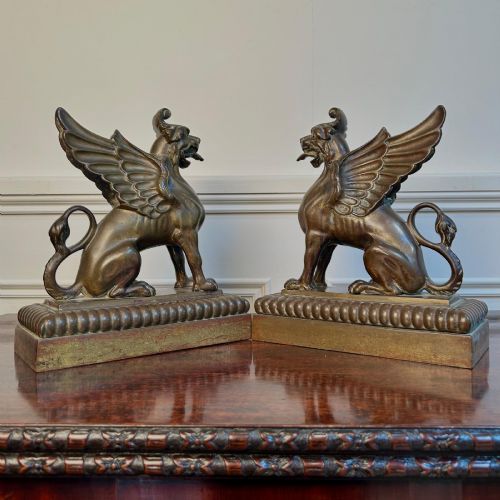
When considering a pair of bronze sculptures, a buyer encounters matched dual figures originating primarily from the nineteenth and early twentieth centuries. These works draw upon classical mythology, animal studies, Renaissance revivals and Grand Tour souvenirs designed for symmetrical display.
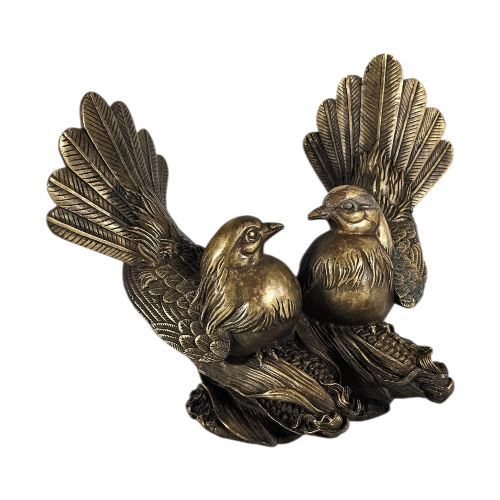
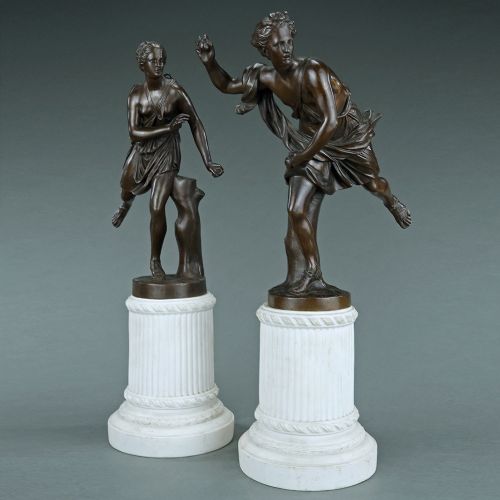
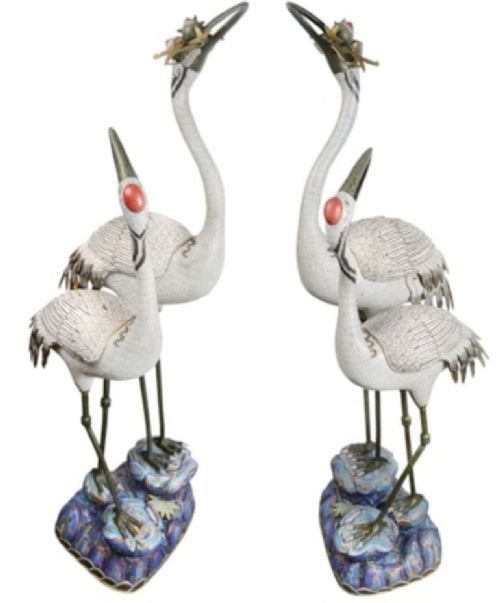
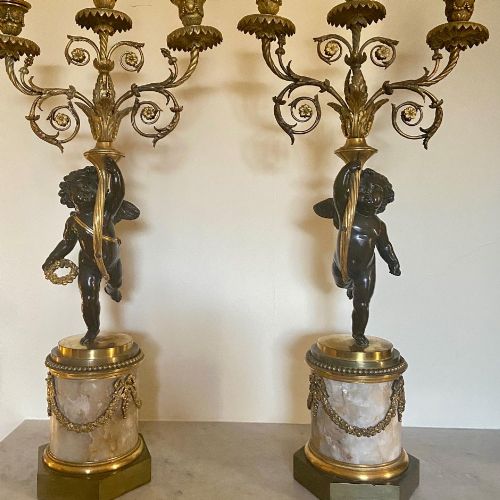
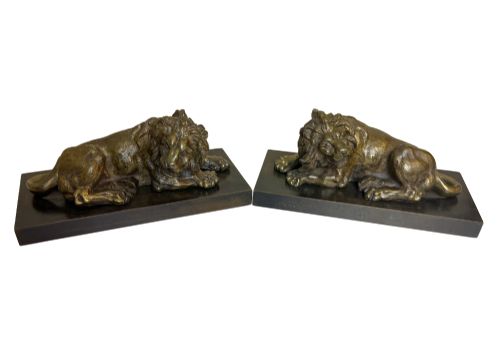
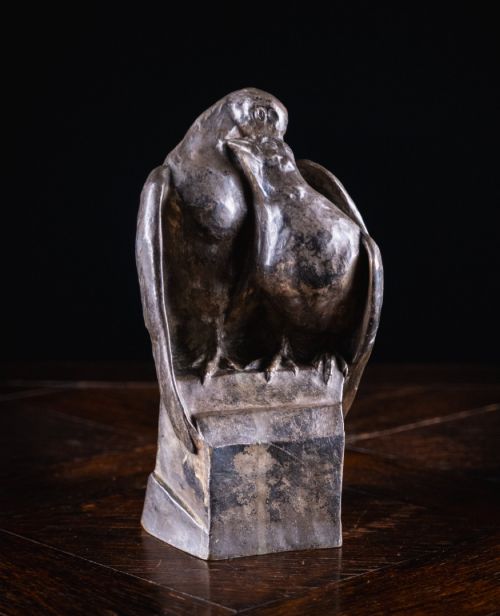
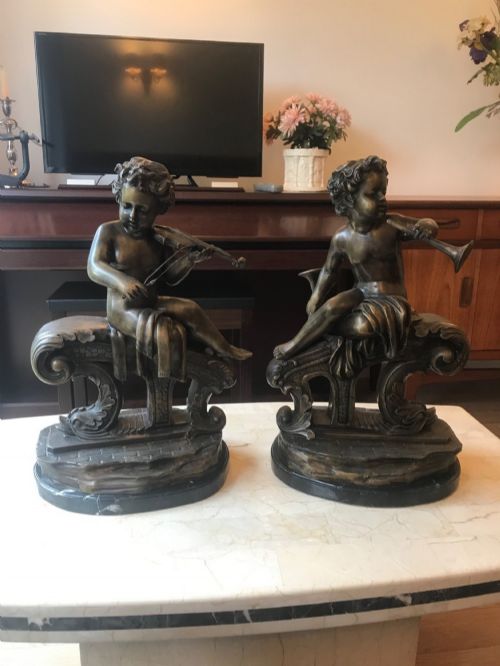
The most common versions met on this page include animal figures such as lions and birds, mythological subjects like putti and sphinxes, and functional bookends or candelabra. Many pieces interpret earlier masterpieces by renowned sculptors, rendered in reduced scale for domestic interiors.
Materials and Casting Techniques
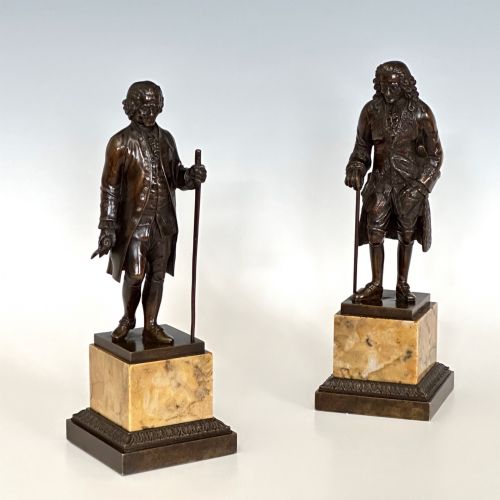
The objects on this page rely heavily on bronze, patinated bronze, and gilt bronze, often mounted upon marble or fluorspar bases to provide stability and visual contrast. Alternative materials such as spelter, white metal, and painted surfaces appear alongside metal to achieve varied finishes.
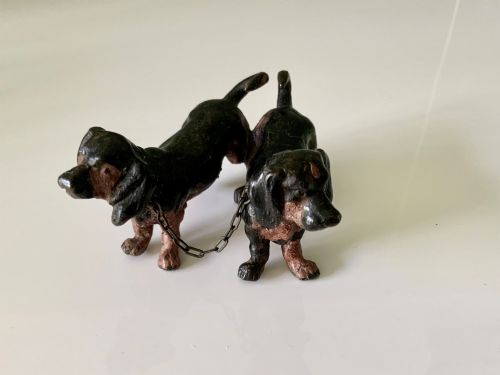
Casting methods produced detailed figures that received surface treatment through cold painting, patination, or gilding. This combination of metalwork and surface colour defined the final appearance of animals, human figures, and architectural motifs.
Several pairings depict unexpected characters, including theatrical birds, theatrical harlequins, and medieval figures perched somewhat precariously upon stilts.
Judging Quality and Execution
Quality in these matched figures rests upon the crispness of the casting and the sensitivity of the chasing work done after the metal cooled. Finer examples retain sharp facial expressions, distinct feather or fur textures, and clean lines without obscuring the underlying detail.
The depth and durability of the patination or cold-painted finish further distinguish superior examples from simpler production pieces. Additionally, the quality and type of the supporting marble plinth or base contribute to the overall integrity of the matched set.
Barbedienne·Guillaume Coustou·Ferdinand Pautrot·Fabergé
The Pair of Bronze Sculptures Glossary
- Patinated bronze
- Bronze that has been chemically treated to produce a specific surface colour, most commonly shades of brown or green. This layer protects the metal while enhancing the definition of the sculptural details.
- Grand Tour
- A nineteenth-century tradition where travellers collected miniature bronze souvenirs of classical monuments and sculptures in Italy. These reductions were brought home as educational and decorative mantelpiece displays.
- Spelter
- A zinc-based alloy frequently used as a cheaper alternative to bronze in decorative figures and candlesticks. It often received a bronze-coloured paint finish to mimic true metalwork.
- Cold painted
- A technique where paint is applied to a bronze or metal object without subsequent firing or heat treatment. This method allowed for vivid colours on animal and human figures.
- Reduction
- A smaller copy of a larger public monument or sculpture, popular in the nineteenth century for domestic settings. Foundries used specialised scaling machines to achieve exact proportions.
Pair of Bronze Sculptures: Frequently Asked Questions
What subjects do these sculptures depict?
The subjects range widely across classical mythology, historical figures, and the natural world. Buyers frequently encounter lions, horses, birds, putti, and warriors modelled after famous monuments.
Many works replicate celebrated museum pieces, translating large Renaissance and antique sculptures into domestic pairs for mantelpieces and display cabinets.
What is the difference between bronze and spelter?
Bronze is a durable copper and tin alloy capable of holding exceptionally sharp casting details and deep patination. Spelter is a softer zinc alloy that feels lighter and was utilised for more affordable decorative items.
Spelter pieces often rely on surface paint or bronze-coloured finishes to simulate the appearance of genuine cast bronze.
How do I care for patinated metal?
Maintenance requires only gentle dusting with a soft, dry cloth to prevent the accumulation of grit within the recessed details of the casting. Avoid liquid cleaners and harsh polishes, which can strip away the historic patination or cold-painted surfaces.
Keeping the objects away from direct sunlight and excessive humidity helps preserve the stability of the metal and any attached marble bases.