


White Marble Plinth Sculptures
White marble plinth sculptures bring classical weight and carved presence into a room, uniting figurative subjects with stone bases.
White Marble Plinth Sculptures
White marble plinth sculptures combine carved stone figures, busts, or architectural fragments with dedicated pedestals, columns, or stepped bases.
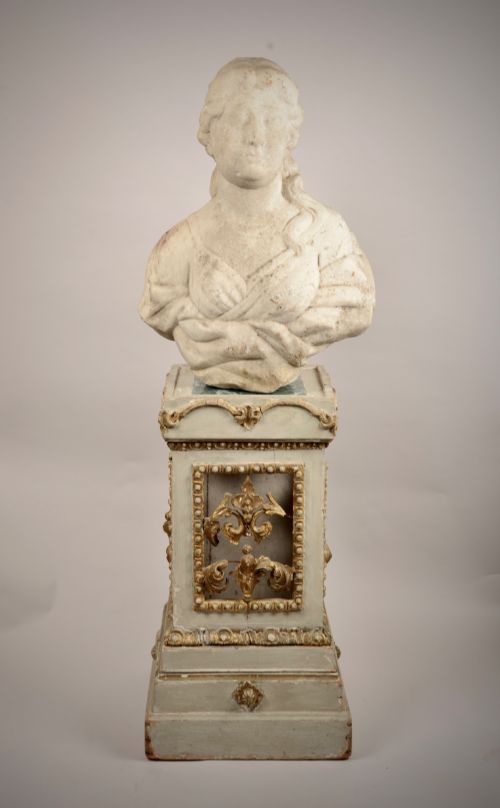
Buyers browsing white marble plinth sculptures frequently encounter nineteenth-century Italian Grand Tour souvenirs, classical busts, and mythological figures mounted on stone or bronze supports.
The selection spans centuries, moving from seventeenth-century portrait busts to early twentieth-century revival pieces, each integrating sculptural carving with a distinct base.
Materials and carving techniques
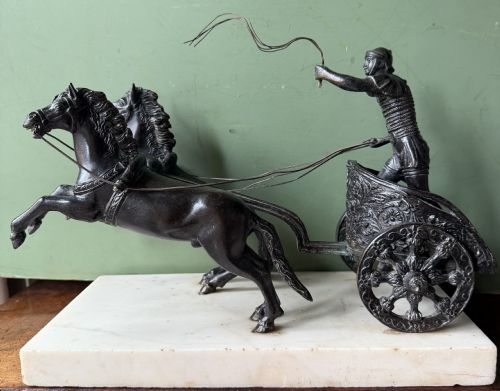
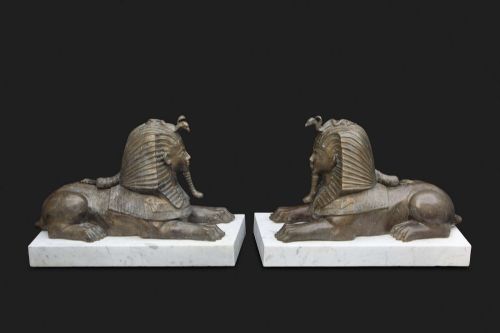
Many compositions incorporate contrasting elements, pairing carved stone subjects with patinated bronze mounts, giltwood accents, or variegated marble and scagliola columns.
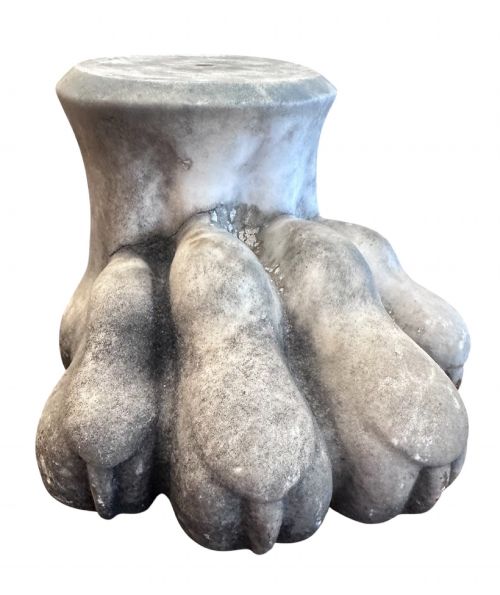
Several stone lions are currently resting their heavy carved paws upon solid marble.
Assessing quality and execution
The distinction between ordinary and exceptional pieces lies in the crispness of the chisel work and the anatomical understanding demonstrated in the carving of hands, expressions, and drapery.
Material selection also dictates standing, with fine-grained Carrara marble and harmonious multi-material pairings commanding greater visual and physical presence than standard stone.
Fritz Kochendorfer
The White Marble Plinth Sculptures Glossary
- Plinth
- A heavy rectangular or square base supporting a statue, bust, or column. It elevates the carved subject and grounds the entire composition.
- Grand Tour
- A traditional journey through Europe undertaken by upper-class scholars in the eighteenth and nineteenth centuries. Travellers frequently acquired small bronzes and marble antiquities as souvenirs.
- Carrara marble
- A type of white or blue-grey marble quarried in the city of Carrara in Tuscany. It is prized for its fine grain and traditional use in classical sculpture.
- Tazza
- A shallow cup or basin on a stem and foot, often carved from marble or stone. These forms serve as decorative pedestals or display vessels.
- Scagliola
- A composite material made from selenite, glue, and pigments, applied to mimic natural marbles and stones. Artisans polished the surface to achieve a stone-like finish.
White Marble Plinth Sculptures: Frequently Asked Questions
What periods do these sculptures cover?
The pieces span from the seventeenth century through to the early twentieth century, encompassing seventeenth-century portraiture, nineteenth-century Grand Tour souvenirs, and later revival works.
This broad timeline means construction methods and artistic influences shift visibly between individual examples.
How do I distinguish Grand Tour pieces?
Grand Tour pieces typically date from the nineteenth century and reflect classical antiquities seen by travellers in Italy and Greece.
They often combine miniature bronze figures with carved marble plinths or replicate famous statues on a reduced scale.
Where should I place these in a room?
These sculptures suit tabletops, sideboards, or dedicated pedestals where the stone carving and supporting plinth can be viewed from multiple angles.
Placing them near natural light helps emphasise the depth and texture of the carved marble surfaces.
Are all the bases made of white marble?
While white and Carrara marble feature prominently, the supports vary to include variegated marble, black marble, scagliola, bronze, and wood.
Many compositions contrast a white marble bust or figure against a darker plinth or column base.