


Egyptian Revival Statue
These egyptian revival statue pieces bring the monumental sculpture and ancient symbolism of the Nile into domestic spaces through nineteenth and twentieth century design.
Egyptian Revival Statue
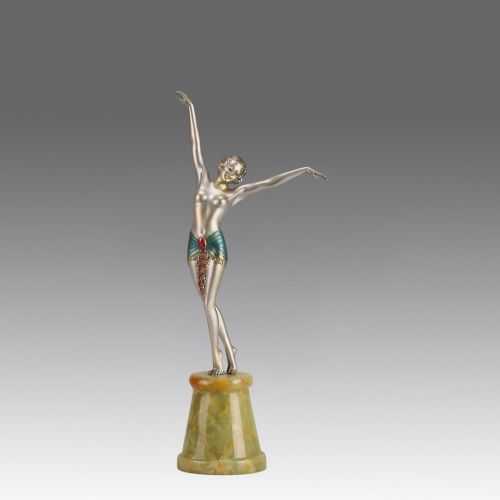
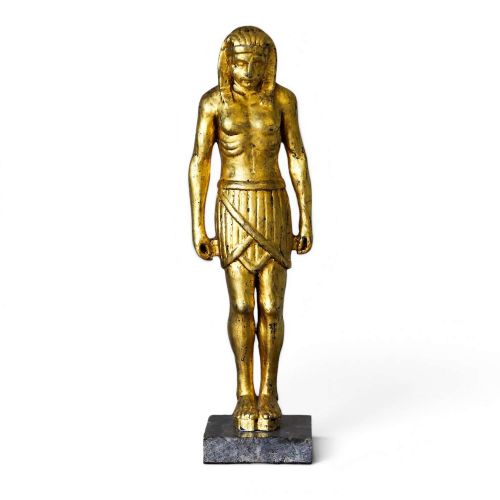
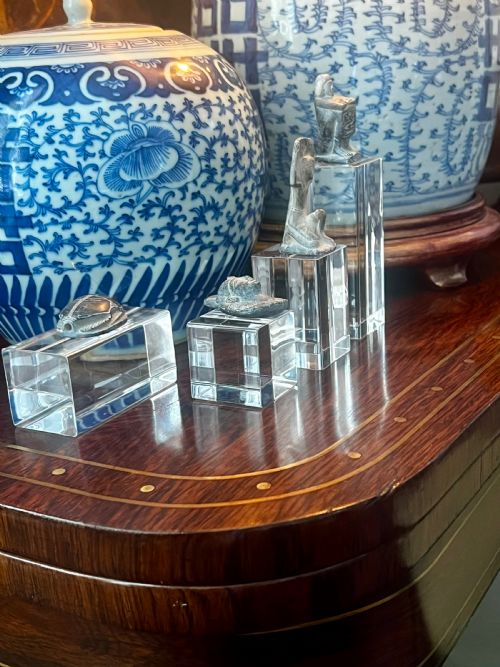
When you search for an egyptian revival statue, you encounter a range of decorative figures spanning the nineteenth century through the mid twentieth century. These works borrow motifs from ancient pharaonic culture, translating deities, sphinxes, shabtis, and dancers into domestic ornamentation.
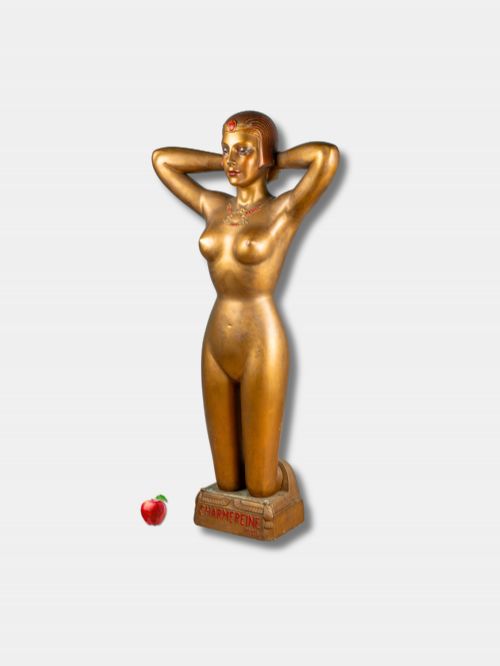
The selections on this page draw from distinct design movements including Art Deco, the Grand Tour tradition, and Regency style. Sculptures and statuettes appear alongside candelabras, advertising displays, and amulets, often mounted upon marble or granite bases.
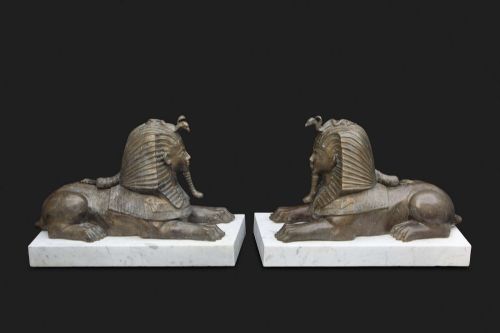
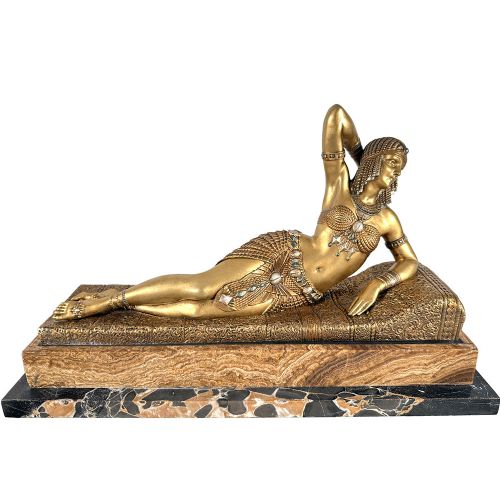
You will frequently meet representations of Cleopatra, feline deities, and dancers executed in bronze, cast iron, and wood. These figures reflect European fascination with archaeological discoveries, adapting ancient forms to contemporary interiors.
How they were made
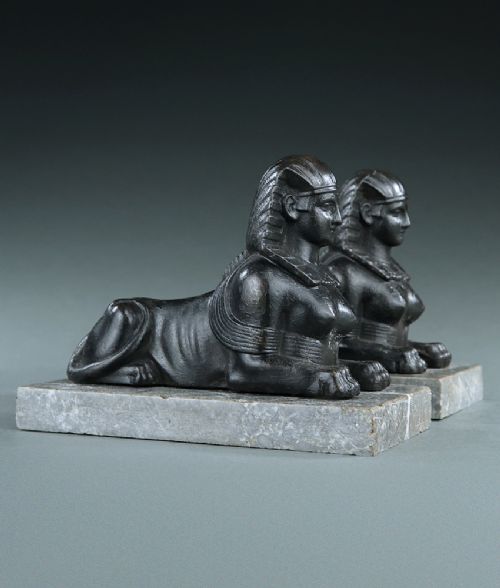
Metal sculptures rely on bronze casting, frequently utilising patinated or cold-painted surfaces to add colour and texture to robes and headdresses. Cast iron provides a heavier, more rigid medium for architectural forms such as sphinxes.
Many figures combine metalwork with stone supports, mounting bronze or gilded wood statues onto plinths of marble, onyx, or granite. Enamel details occasionally appear to highlight decorative elements and jewellery on the figures.
Listings span periods from pre sixteenth century antiquities to nineteen fifty, showcasing bronze, marble, onyx, enamel, and cast iron.
What varies in quality
Quality rests in the precision of the casting and the crispness of the chisel work on the metal surface. Finer pieces retain intricate facial expressions, clear hieroglyphic details, and delicate cold-painted finishes.
The choice and preparation of the mounting base contribute significantly to the overall presence of the object. Heavy veined marble, Carrara plinths, and polished granite elevate the status of the sculpture above standard production pieces.
Josef Lorenzl·Demetre Chiparus
The Egyptian Revival Statue Glossary
- Grand tour
- A cultural journey undertaken by wealthy young Europeans in the eighteenth and nineteenth centuries to view antiquities. Pieces from this tradition replicate classical and pharaonic monuments for travellers to bring home.
- Shabti
- A funerary figurine placed in ancient Egyptian tombs to serve the deceased in the afterlife. Revival versions replicate these forms in gilded wood or stone mounted on bases.
- Cold-painted bronze
- A technique where paint is applied to a cold bronze metal surface without heat firing. This method allows for vivid polychrome details on garments and skin.
- Patination
- The chemical or natural alteration of a metal surface over time, creating a weathered or darkened tone. Artisans often apply artificial patination to accentuate sculptural depth.
Egyptian Revival Statue: Frequently Asked Questions
What materials make up an egyptian revival statue?
These pieces primarily utilise bronze, patinated bronze, cast iron, and gilded wood for the figurative elements. Bases are frequently constructed from marble, onyx, granite, or alabaster.
Some examples incorporate enamel details to highlight specific decorative motifs or garments on the figures.
How do I date an egyptian revival statue?
Dating relies upon stylistic markers, material combinations, and manufacturing techniques associated with specific decades. Nineteenth-century pieces often reflect Grand Tour or Regency sensibilities, while later examples incorporate Art Deco aesthetics.
Signatures or foundry marks, when present, provide a direct link to specific artists and workshops active during the period.
Where were these statues originally displayed?
These figures served as decorative art objects within domestic interiors, drawing inspiration from major archaeological finds and museum collections. They adorned mantelpieces, libraries, and side tables in European homes.
Some larger examples functioned as architectural ornaments or specialised advertising displays in commercial settings.
What is the difference between a shabti and a sphinx?
A shabti is a small funerary figurine modelled after ancient burial figures, usually depicted mummiform and mounted on a plinth. A sphinx represents a mythical creature with a human head and a lion body, often cast in pairs as guards or architectural accents.
Both forms were reinterpreted during the nineteenth and twentieth centuries as decorative sculpture.