
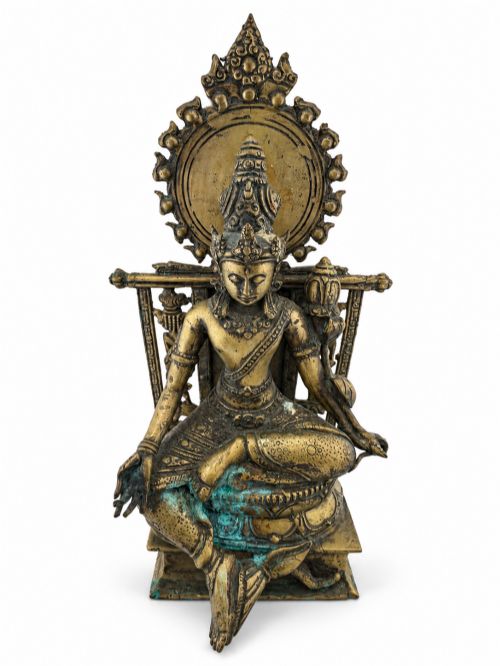
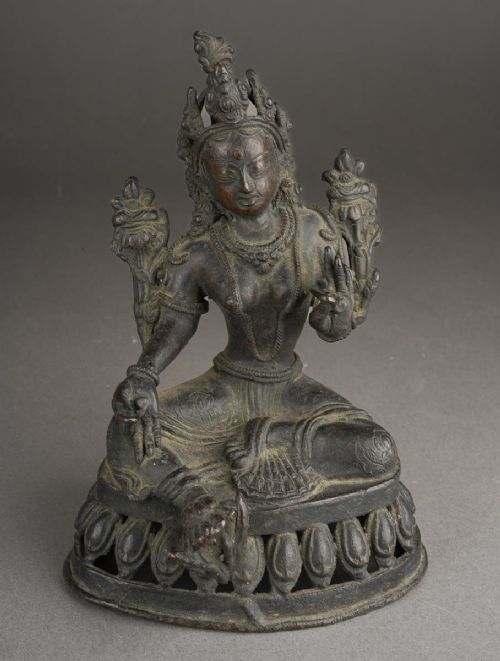
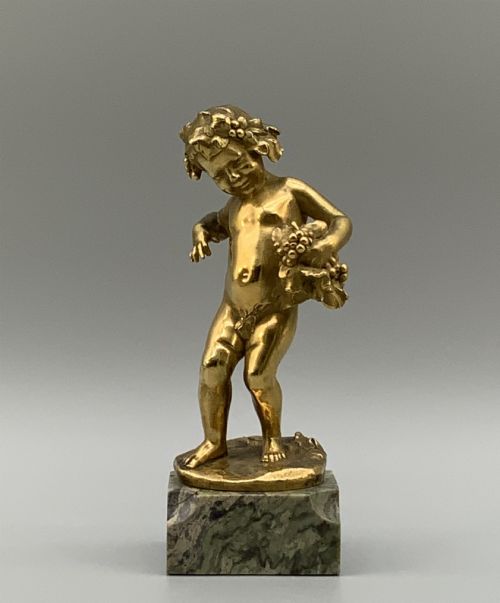

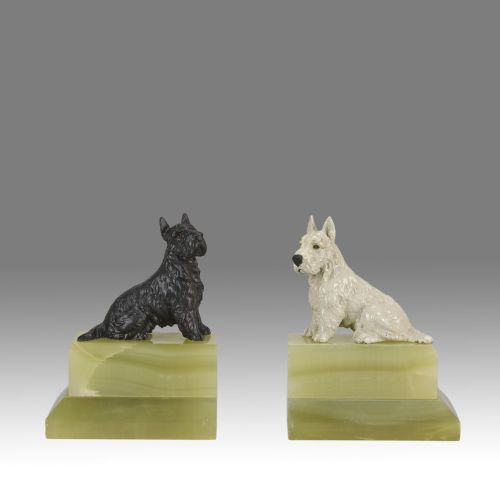


Green Bronze Figures
Green bronze figures bring classical deities, animals and figures into rooms through patinated metal and stone bases.
Green Bronze Figures
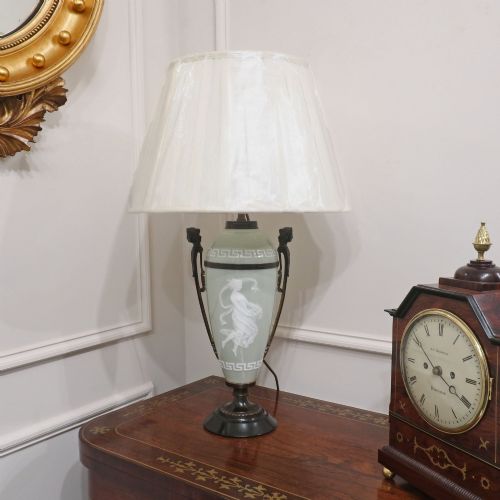
Green bronze figures comprise sculptures, statues, bookends and table lamps cast from metal and finished with patination that yields greenish tones. These pieces emerge from periods spanning the nineteenth century through the 1930s, encompassing Grand Tour souvenirs, animalier studies and modernist decorative works.
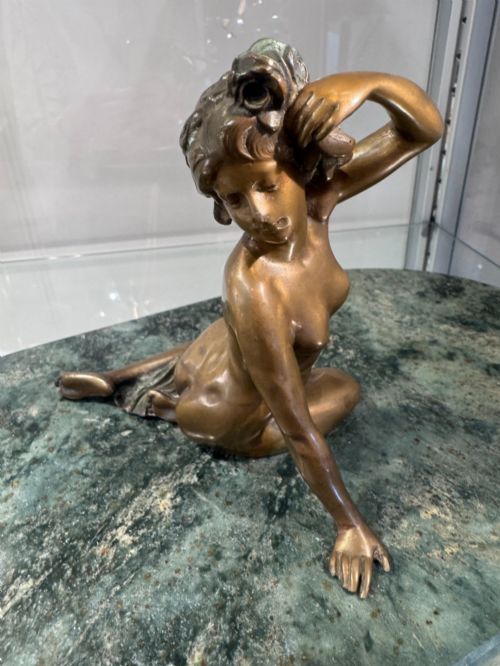
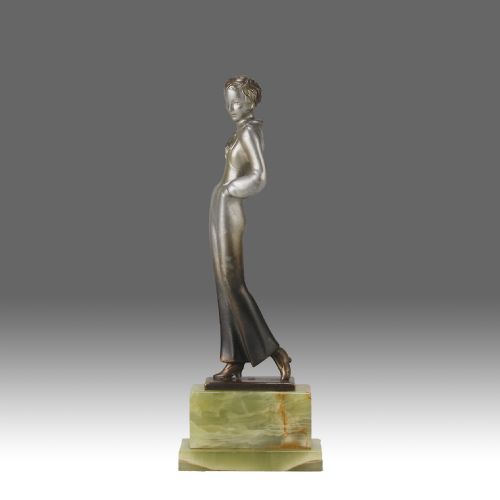
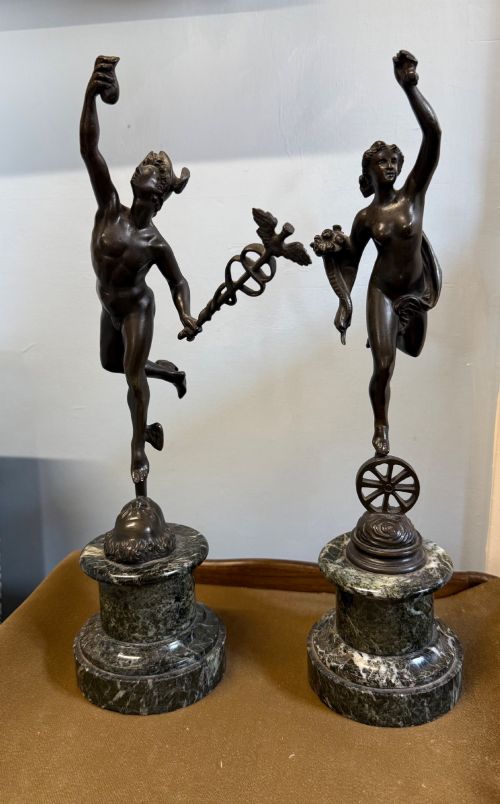
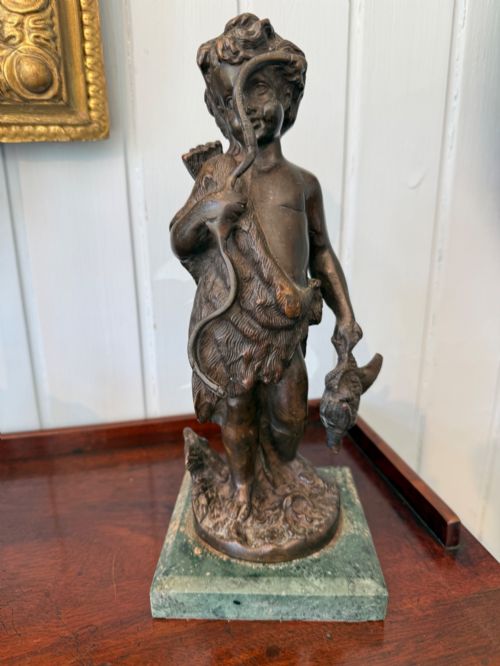
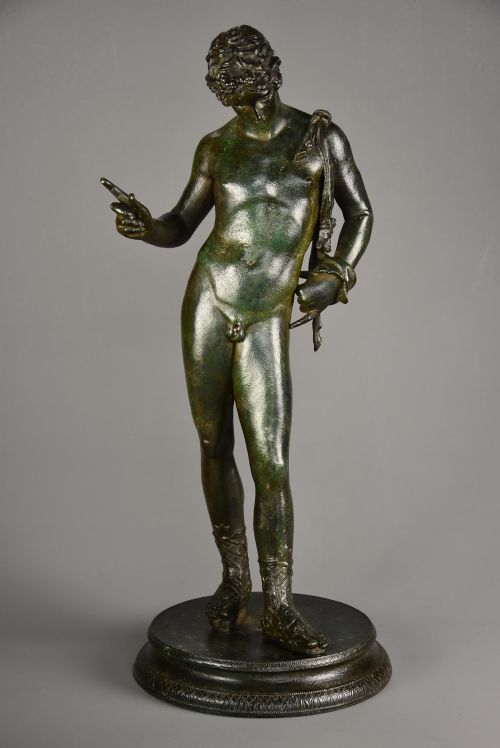
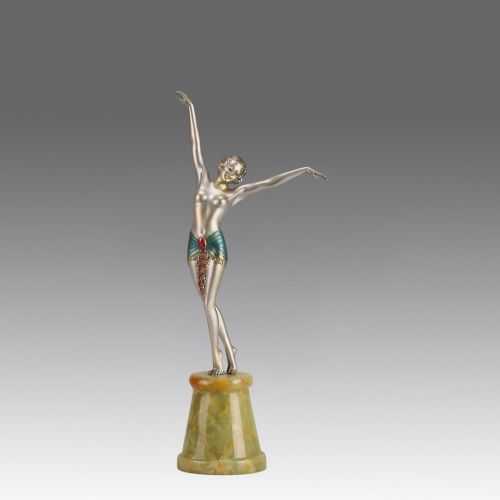
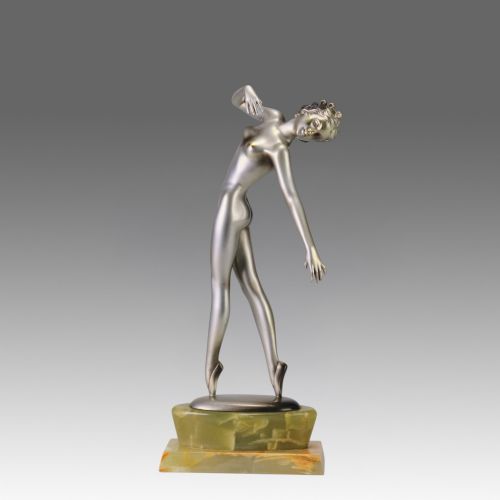
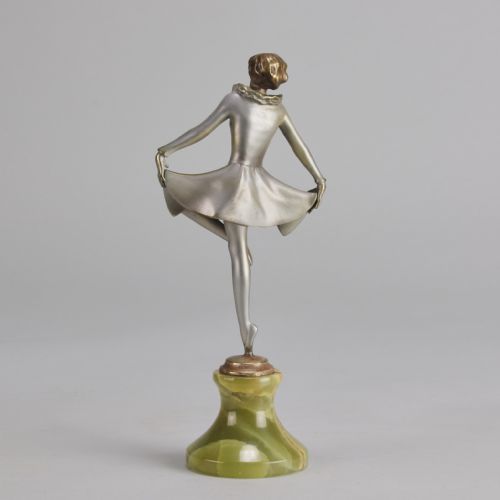
The selections on this page lean heavily toward European foundry work, particularly French animalier subjects, Austrian cold-painted dancers and Italian Grand Tour reductions of classical antiquities. Figures frequently incorporate natural supports such as marble, onyx or green marble plinths.
Buyers encounter everything from small cabinet bronzes of lions and birds to large floor or table pieces depicting dancers, deities and mythological subjects. These works reflect the shifting tastes of Victorian, Art Nouveau and Art Deco interiors.
How they were made
Foundries typically employed the lost-wax method or sand casting to form the metal bodies from copper alloys, which were subsequently chased and detailed by hand. Artisans applied chemical treatments to produce the characteristic green patination or verdigris finish on the bronze surface.
Sculptures are frequently mounted onto bases made of marble, onyx or gilt bronze, sometimes utilising spelter or brass elements in more commercial productions. Cold-painted Austrian examples received detailed polychrome decoration over the cast metal base.
Listings feature periods spanning from the mid-nineteenth century through the 1930s, utilising bronze, marble, onyx and spelter.
What varies in quality
Quality rests upon the crispness of the chasing, where sharper feather and facial details distinguish superior foundry work from softer, secondary casts. The depth and stability of the green patination also indicate how well the chemical treatment has bonded with the metal over decades.
The integration of the figure with its stone plinth demonstrates craftsmanship, as does the reputation of the foundry and the clarity of the signature. Pieces that retain their original cold-painted pigments or distinct patination without excessive touch-ups command greater attention from collectors.
Charles Louis Malric·Susse Freres·Josef Lorenzl·L and F Moreau·Emile Carlier·Jules Bonheur·Antoine L Barye·Reiche·Delabrierre·Gotthilf Jaeger
The Green Bronze Figures Glossary
- Patination
- The chemical coloration applied to the surface of metal to create tones ranging from deep brown to verdigris green. This finish protects the metal and defines the visual character of the sculpture.
- Grand Tour
- Souvenirs purchased by nineteenth-century travellers visiting classical sites in Italy and Greece. These reductions of ancient statues were cast in bronze to decorate European homes.
- Animalier
- A nineteenth-century artistic focus on realistic depictions of animals in motion or repose. French sculptors specialised in capturing wildlife and domestic hounds with anatomical precision.
- Cold-painted bronze
- A technique where paint is applied to an unheated bronze casting, common in Austrian tabletop figures from the early twentieth century. These pigments require careful preservation to maintain their original appearance.
- Chasing
- The manual finishing process where artisans refine the cast metal using hammers and punches to sharpen details. Superior chasing separates high-grade foundry productions from mass-market items.
Green Bronze Figures: Frequently Asked Questions
What periods do these figures come from?
The selection spans from the mid nineteenth century through the Art Deco era of the 1930s. Pieces reflect the revival styles and decorative movements of those decades.
Victorian and Grand Tour works sit alongside modernist Austrian and French sculptures from the interwar period.
How should I clean a patinated bronze?
Dust the surface gently with a soft, dry brush to remove particles without disturbing the green patination. Avoid commercial metal polishes or liquid cleaners entirely.
Water and harsh chemicals strip away the historical finish and damage the underlying metal surface permanently.
Why do some figures have marble bases?
Foundries mounted sculptures onto heavy stone plinths to provide stability and a finished aesthetic for interior display. Marble and onyx bases add weight and visual contrast to the dark metal.
This practice became particularly common during the Art Nouveau and Art Deco periods for table lamps and decorative figures.
What is cold-painted bronze?
Cold-painted bronze refers to metal sculptures finished with unfired oil or varnish paints applied directly to the surface. This technique allowed makers to achieve vibrant polychrome effects on small animal and human figures.
Austrian workshops produced numerous examples featuring birds, dancers and orientalist subjects using this method.