





Verdigris Bronze Statues
Verdigris bronze statues bring antiquity and patinated charm into a room, offering tactile metalwork shaped by decades or centuries of exposure.
Verdigris Bronze Statues
Verdigris bronze statues encompass figurative sculptures, portrait busts, garden fountain spouts, and decorative animal forms spanning the nineteenth and twentieth centuries. These pieces originate from distinct design traditions, including neoclassical Grand Tour souvenirs, Art Deco stylings, and traditional garden ornaments.
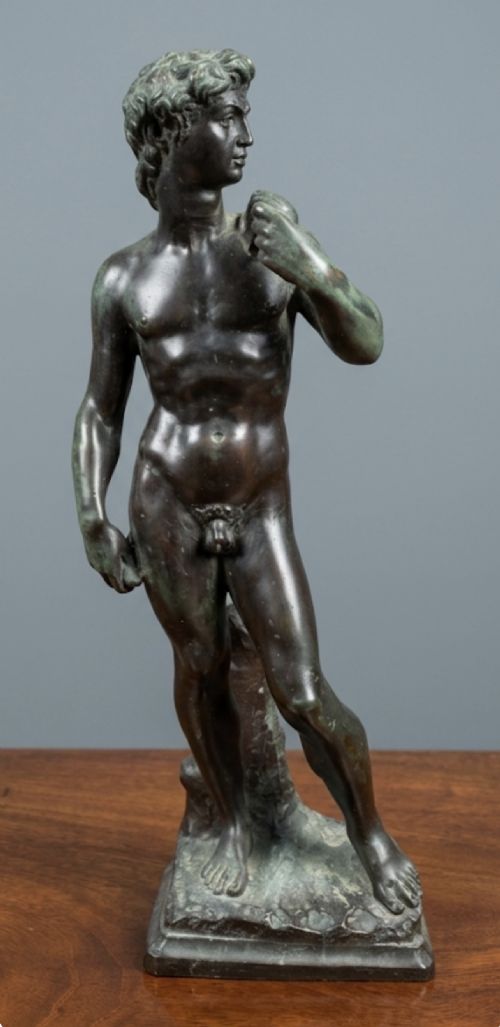
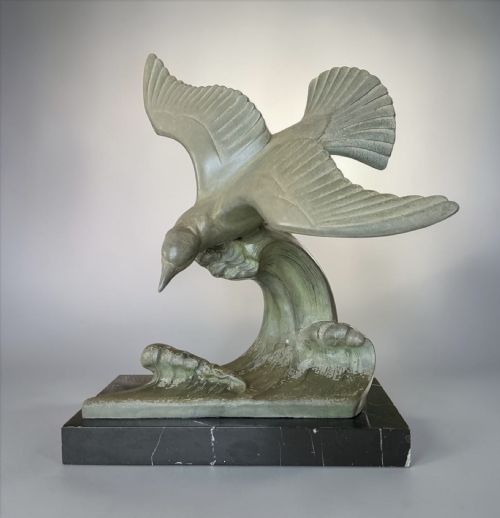
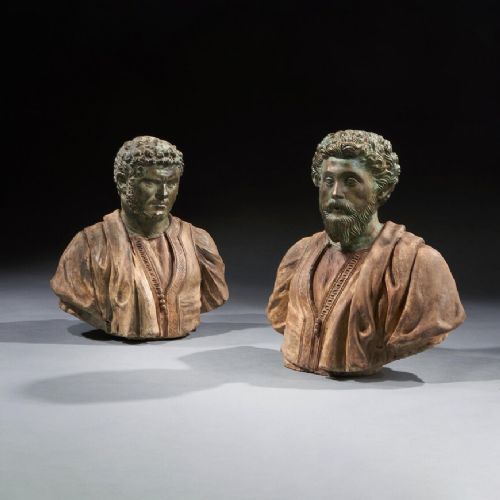
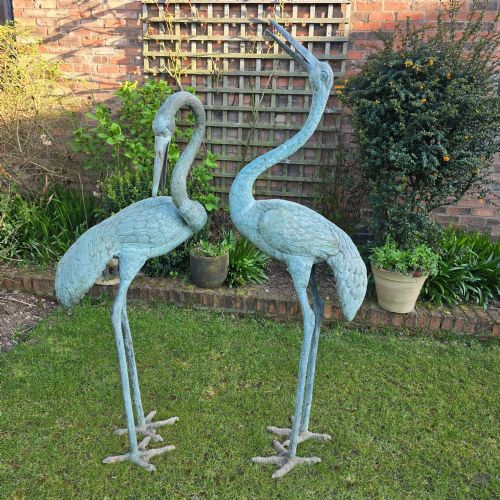
Buyers frequently encounter works referencing classical antiquity, such as Caesar busts, sleeping fauns, and mythological figures like Hypnos and David. Animal subjects also appear regularly, ranging from Japanese geese and cranes to crocodiles and seagulls.
Formats vary from modest interior busts and sculptural fragments to lifesize garden statuary. The selection demonstrates diverse cultural influences, including Khmer style pieces alongside European neoclassical and Japanese Meiji works.
Materials and methods
Makers utilised bronze, metal, and bronzed terracotta as foundational materials for these sculptures. Many examples incorporate complementary elements such as marble or black marble bases to support the metal figures.
The distinct surface character relies on a verdigris patina or patinated spelter finish. This deliberate oxidation process creates the characteristic green-toned corrosion layer associated with aged bronze and outdoor statuary.
Current listings feature materials spanning bronze, terracotta, marble, and patinated spelter across the nineteenth and twentieth centuries.
Assessing quality
The sophistication of the design execution distinguishes standard decorative output from superior academic or sculptural studies. Pieces derived from classical antiquities or produced within specific stylistic movements demonstrate greater sculptural intent in their proportions and finish.
Elizabeth Anna Clapp·Michaelangelo
The Verdigris Bronze Statues Glossary
- Verdigris
- A green patina formed naturally or chemically on copper, brass, or bronze surfaces through oxidation. This layer protects the underlying metal while providing a distinctive aged aesthetic.
- Grand Tour
- A nineteenth-century cultural tradition where affluent travellers acquired miniature bronzes, busts, and souvenirs of classical antiquities in Italy. These objects replicated famous sculptures found in European museums and archaeological sites.
- Spelter
- An alloy of zinc and other metals used as a cheaper alternative to bronze. It is frequently patinated to imitate genuine bronze sculpture.
- Okimono
- A Japanese decorative statue designed for display in a domestic interior. These pieces often depict natural subjects like birds and animals with high realism.
Verdigris Bronze Statues: Frequently Asked Questions
Are these statues suitable for outdoor display?
Certain pieces, such as garden spouts and okimono, are designed for exterior placement in gardens and courtyards. Bronze naturally withstands outdoor elements while developing further patination over time.
Interior busts and delicate terracotta pieces should remain indoors to prevent weather damage. Marble bases and painted surfaces are particularly sensitive to frost and rain.
What is a Grand Tour bronze?
A Grand Tour bronze is a nineteenth-century souvenir cast in Italy for travellers visiting classical ruins and museums. These reproductions of ancient sculptures allowed collectors to bring classical art back to their homes.
Subjects typically include famous mythological figures, philosophers, and Roman emperors. They display distinct patination that mimics ancient excavation finds.
How can I tell bronze from spelter?
Bronze feels heavier, colder, and rings with a resonant tone when gently tapped. It takes on a rich, stable patina through oxidation.
Spelter is lighter, softer, and more prone to cracking or pitting. It often shows a flaky surface where the applied paint or bronze-coloured finish has worn away from the grey zinc underneath.