
Antique Oriental Statue
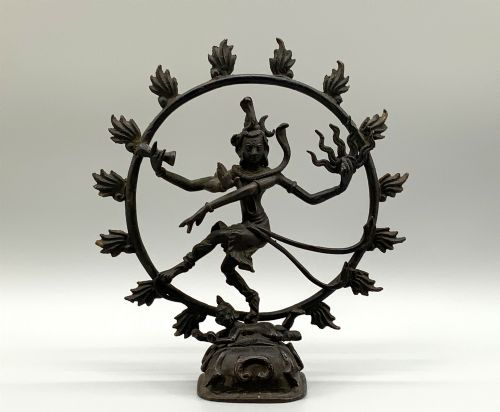
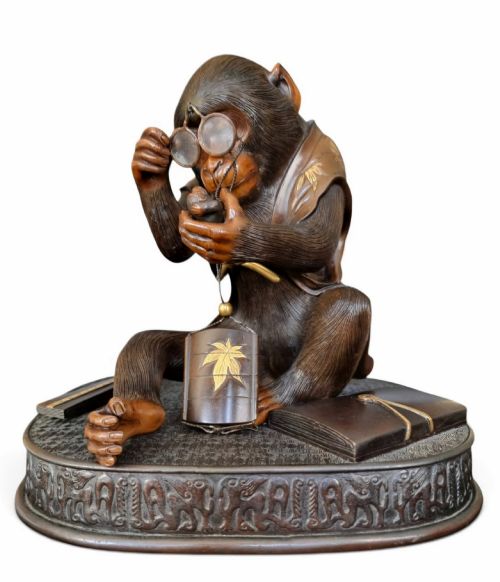
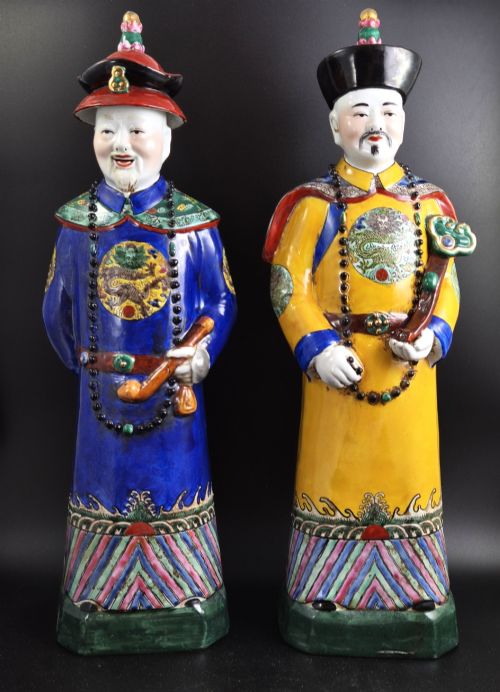
An antique oriental statue brings centuries of sculptural tradition into a room through bronze, wood, and porcelain.
Antique Oriental Statue
When searching for an antique oriental statue, collectors encounter a diverse array of figural works spanning deities, mythical beasts, and everyday subjects. These sculptures originate from various cultural centres including China, Japan, India, and Tibet, reflecting rich sculptural traditions across multiple centuries.
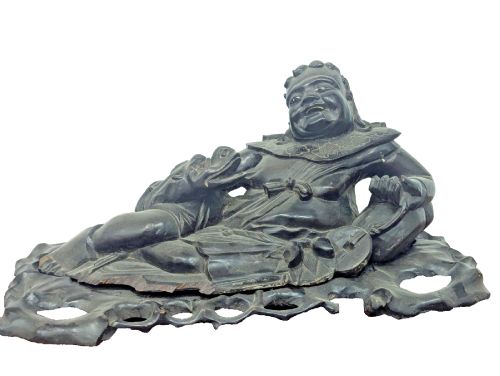
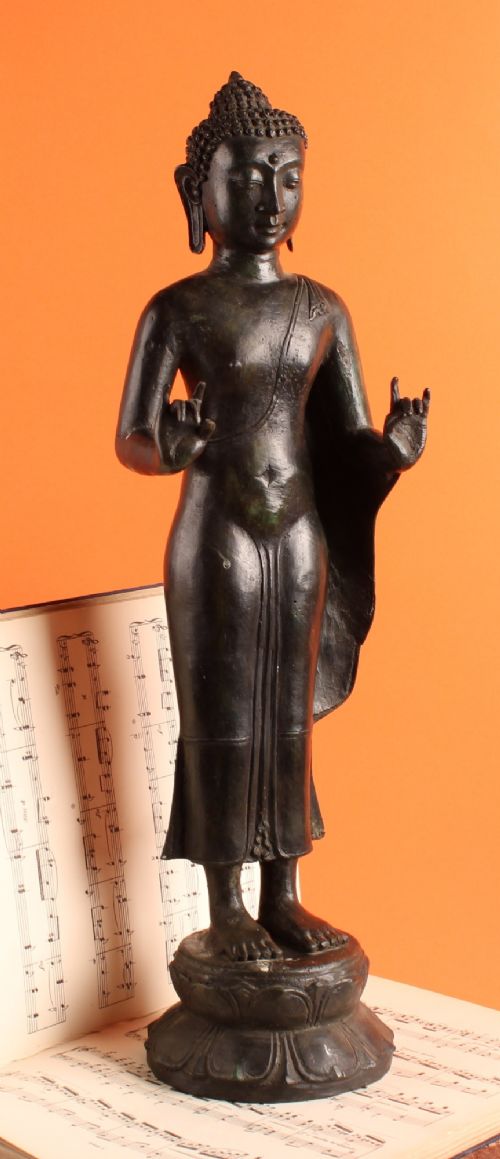
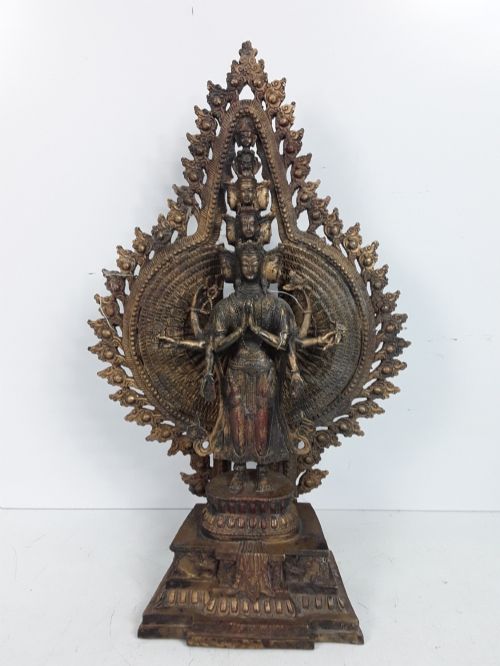
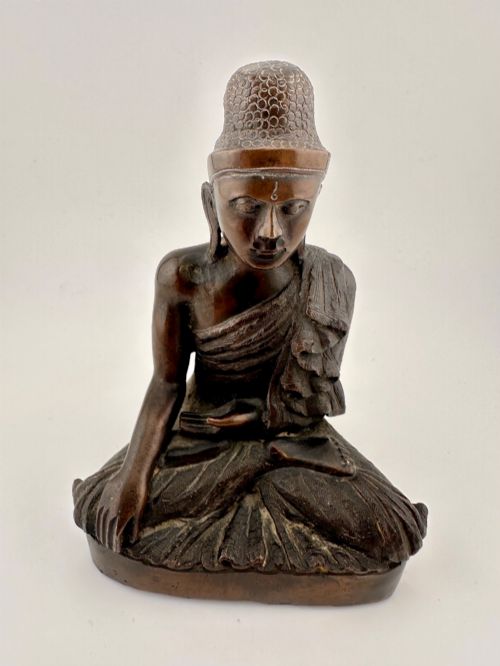
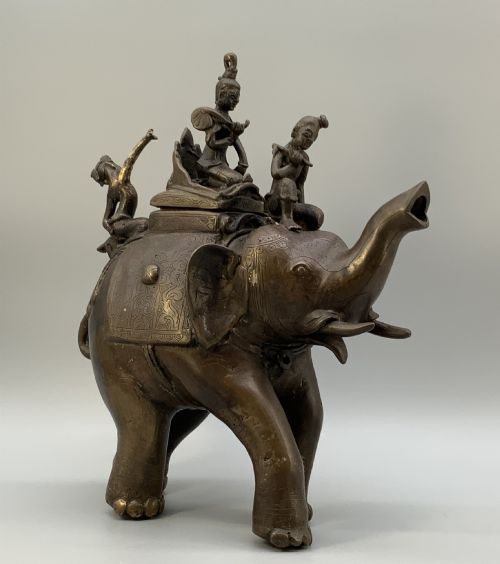
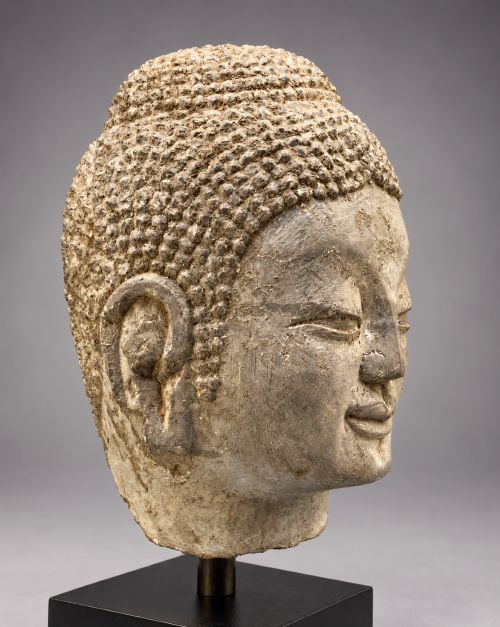
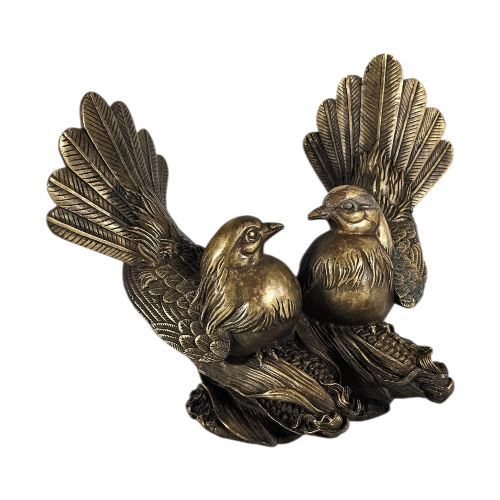
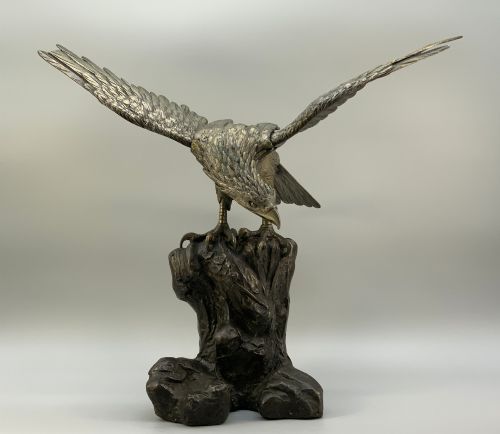
The pieces available most frequently comprise bronze figures and okimono, alongside carved wood and porcelain sculptures. Subjects range from Buddhist and Daoist deities such as Guanyin and Buddha to animals, scholars, and mythological creatures like the pixiu and qilin.
Dating ranges widely from pre-sixteenth-century pottery and limestone figures through to nineteenth-century Meiji period bronzes and early twentieth-century works. Buyers examine these objects for their specific regional iconography, material composition, and period characteristics.
Materials and construction
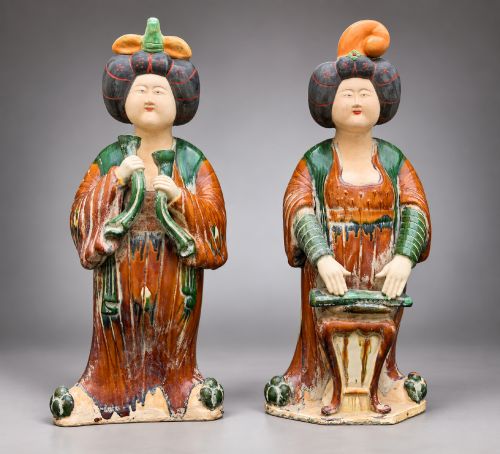
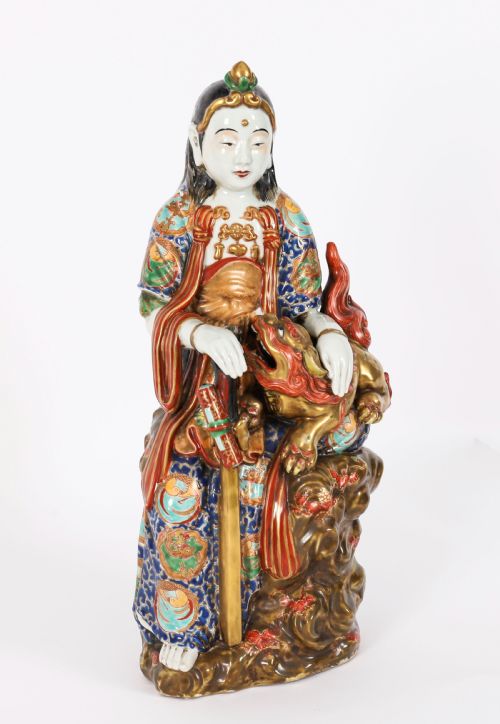
Carved works utilise dense hardwoods, soapstone, and limestone, shaped by hand to create intricate surface textures and flowing drapery. Porcelain and pottery figures employ moulded or wheel-thrown clay bodies finished with polychrome pigments, enamel glazes, or lacquer.
Detailing on these statues often involves meticulous hand-chasing on metalwork, fine engraving on animal tusks, or intricate hand-painting on ceramic surfaces. These varied techniques reflect the distinct workshop practices of Chinese dynasties, Japanese Meiji artisans, and Himalayan monastic traditions.
Listings feature bronze, porcelain, and wood across periods from the Tang Dynasty to the Edwardian era.
Assessing craftsmanship
The distinction between ordinary and superior pieces rests on the precision of the modelling and the depth of surface finishing. Masterworks exhibit anatomical fluidity, crisp facial expressions, and confident chisel or brush work that brings subjects to life.
Material selection and decorative complexity further elevate a piece, seen in sophisticated mixed-metal patination, heavy cast weight, or multi-layered lacquer applications. Signed works by recognised makers demonstrate a higher tier of artistic execution compared to anonymous workshop output.
Preservation of original surfaces, whether natural bronze patination, polychrome pigment, or gilt detailing, maintains the integrity of the sculpture. Pieces retaining their original components and crisp surface definition command greater interest from discerning collectors.
Jomi Eisuke·Masaaki·Kunio Itô
The Antique Oriental Statue Glossary
- Okimono
- A Japanese display piece or decorative statue designed for placement in an alcove or on a shelf. These carvings frequently depict animals, people, or mythological subjects with high levels of detail.
- Guanyin
- A revered Buddhist bodhisattva associated with compassion, frequently rendered in porcelain, bronze, or carved stone. Statues of this figure often show flowing robes and serene facial expressions.
- Pixiu
- A mythical winged celestial creature of Chinese origin, believed to draw wealth and good fortune. Sculptures of this beast typically feature a dragon-like head and a robust body.
- Shakudo
- A traditional Japanese alloy of copper with a small percentage of gold, treated to produce a dark purple-black patina. It appears frequently in fine Meiji period metalwork.
- Shoulao
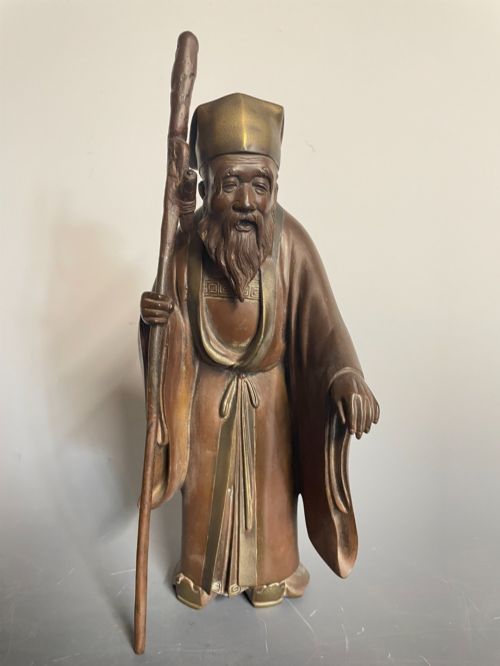
- The Chinese Daoist god of longevity, traditionally depicted as an elderly man with a high forehead and a staff. Carvings of this figure often use materials like soapstone or wood.
Antique Oriental Statue: Frequently Asked Questions
What is an okimono statue?
An okimono is a Japanese freestanding ornamental carving created for display in a domestic interior rather than for formal religious rituals. These pieces showcase the virtuosity of Meiji period carvers and metalworkers through subjects drawn from nature and folklore.
They span materials including patinated bronze, ivory, and mixed metals, often signed by the individual artist or workshop. Collectors prize them for their narrative detail and sculptural presence.
Where were gilt bronze figures made?
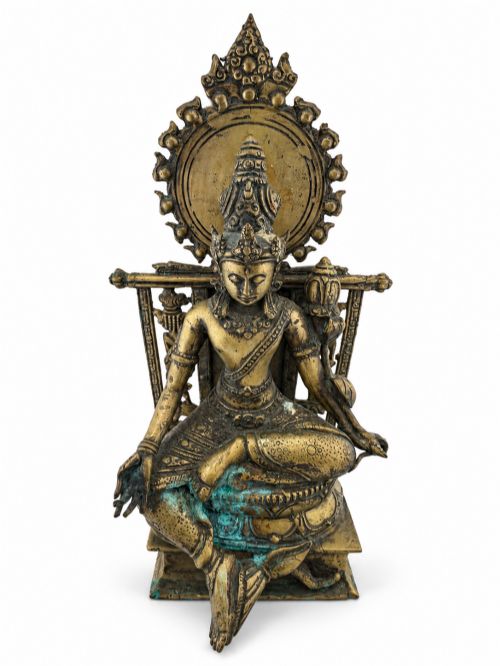
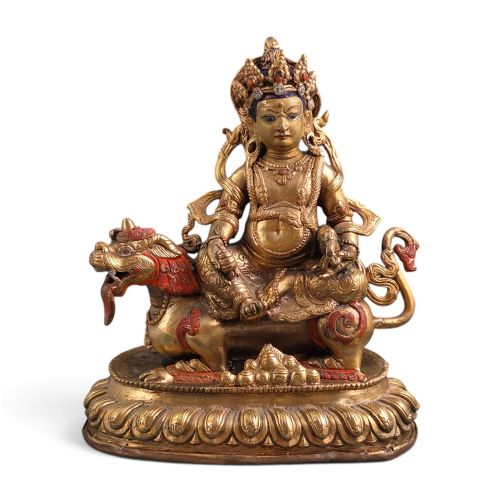
Gilt bronze figures originate primarily from Himalayan monastic traditions in Tibet and Sino-Tibetan workshops, as well as mainland Chinese imperial kilns and foundries. These pieces served devotional purposes in temples and private shrines.
Craftsmen applied gold leaf or mercury gilding over cast bronze bases, often incorporating mineral inlays such as turquoise to highlight divine attributes and adornments.
How do you display antique statues?
Displaying these sculptures requires stable surfaces away from direct sunlight and dramatic fluctuations in temperature or humidity. Bronze, wood, and porcelain each benefit from stable environments that protect delicate patinas, pigments, and carved details.
Allowing adequate space around each piece highlights its form and silhouette, while secure placement prevents accidental tipping of heavier metal or stone figures.