
Japanese Bronze Figure
A Japanese bronze figure brings expressive animal and human forms into a room, shaped through mastery of metal casting.
Japanese Bronze Figure
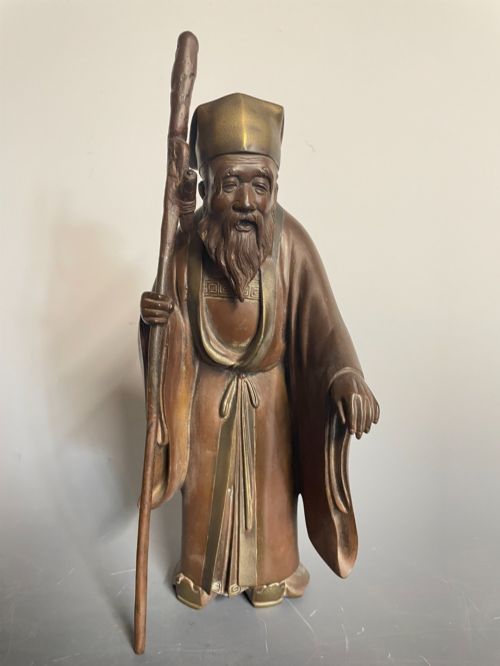
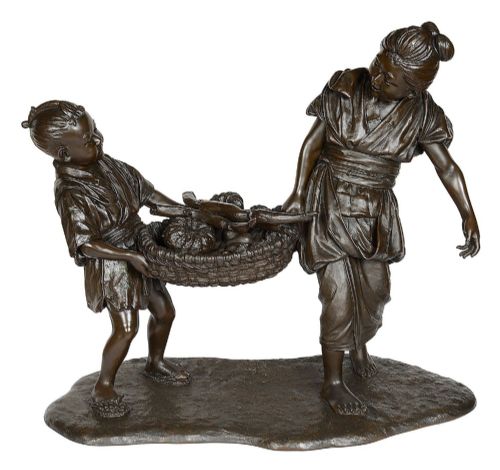
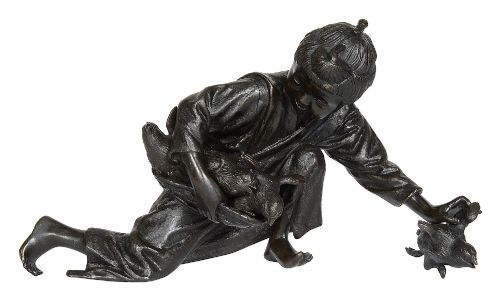
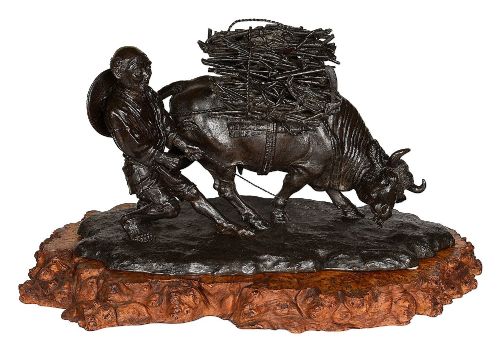
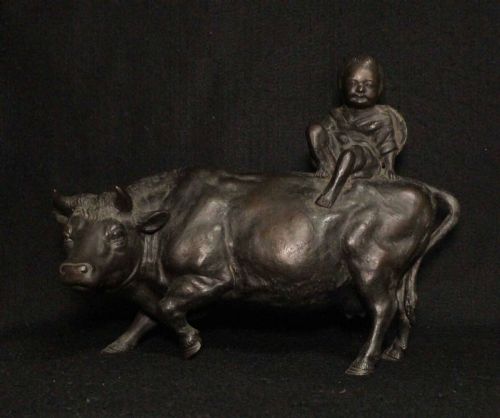
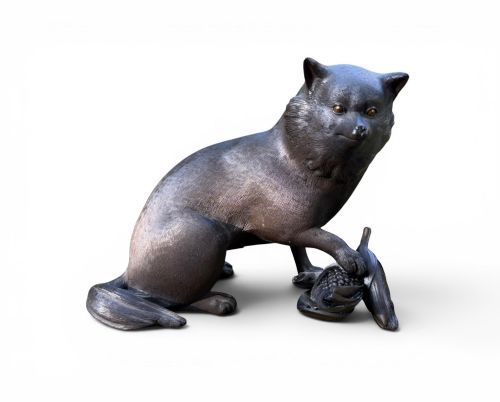
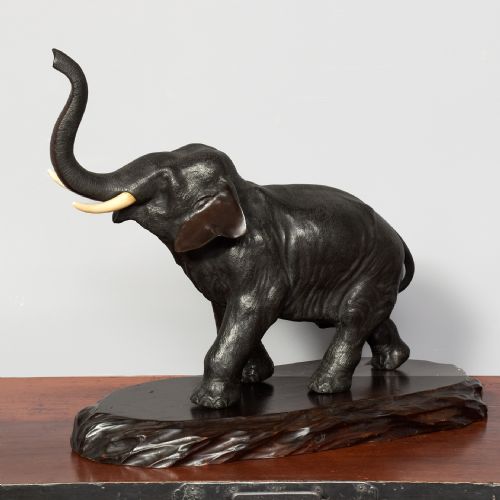
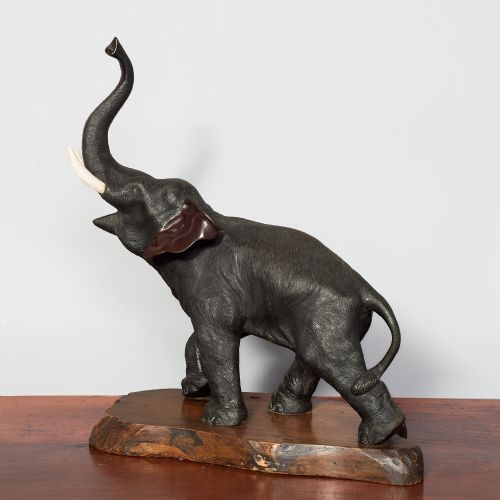
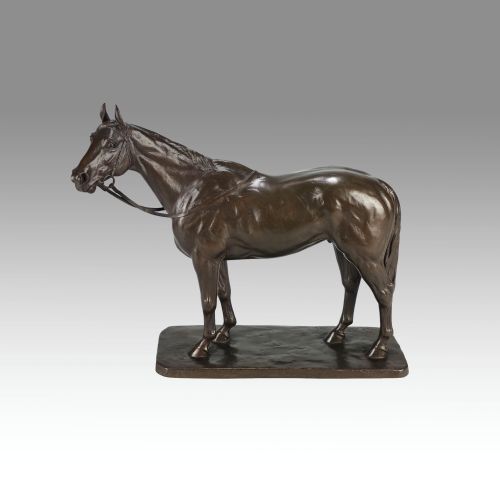
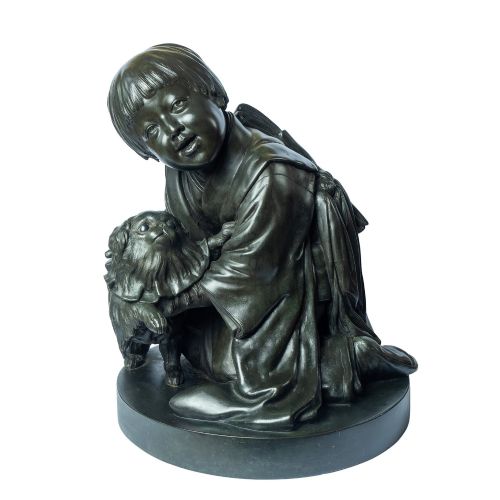
A Japanese bronze figure on this page typically takes the form of an okimono, sculpture, or statue depicting animals, deities, or figures from daily life. These works emerge largely from the Meiji, Taisho, and Showa periods, capturing everything from fearsome tigers and articulated insects to scholars, fishermen, and musicians.
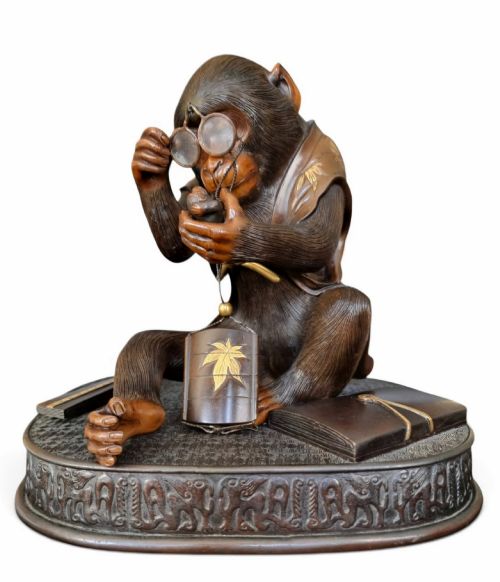
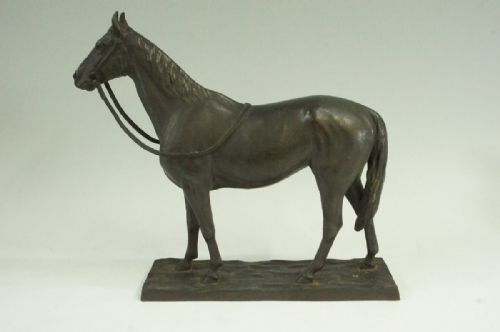
Makers ranged from individual artists and Tokyo foundries to specialised workshops producing naturalistic subjects. Common representations include elephants, monkeys, horses, and birds, alongside mythological figures like the Oni demon and Kannon Bodhisattva.
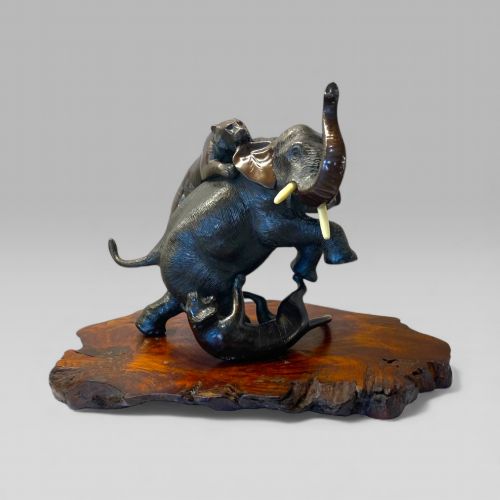
The objects serve as decorative sculptures designed for display, utilising traditional lost-wax casting and hand-finishing techniques. Buyers encounter pieces resting on naturalistic bases, root wood supports, or integrated bronze mounts.
How they were made
Foundries utilised traditional lost-wax casting methods to capture intricate details in bronze, copper, and brass. Artisans then applied chemical treatments to achieve patinated surfaces ranging from deep browns to rich blacks.
Many works incorporate mixed-metal elements, adding gold inlay, silver, or parcel gilding to highlight garments, eyes, or decorative motifs. Secondary materials like wood, ivory, bone, and root wood serve as structural bases or complementary components for the figures.
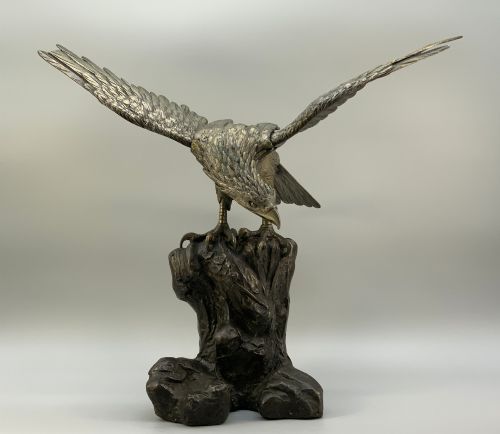
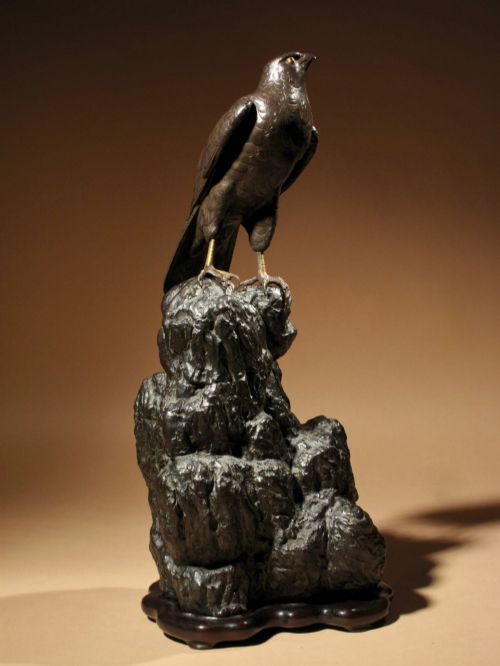
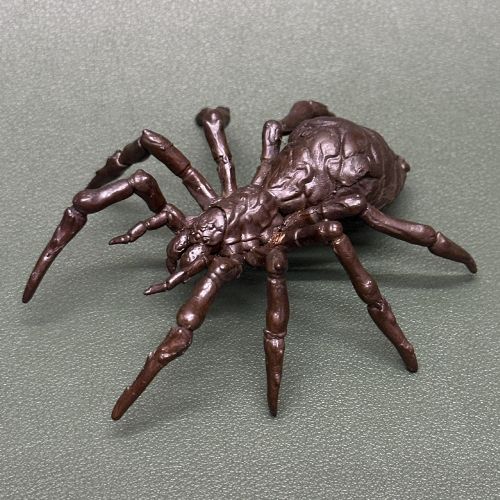
Artisans of the period rendered everything from majestic eagles down to surprisingly detailed rhinoceros beetles and spiders.
What varies in quality
Quality rests in the precision of the casting and the sensitivity of the hand-finishing work. Superior examples display meticulously rendered fur, feathers, and facial expressions that reveal the artisan's close observation of nature.
Signature markings and foundry attribution elevate a piece, especially when associated with recognised makers. The integration of complex patination, mixed-metal inlays, and articulated joints demonstrates advanced technical mastery.
Kunio Itô·Masaaki·Tsunemitsu·Kaniya Kuniharu·Sakai Kōzan·Seiunsai Miyamoto Sei·Unno Shomin·Gyoko·Miyao
The Japanese Bronze Figure Glossary
- Okimono
- An ornamental object or decorative sculpture intended for display on a shelf or tokonoma alcove. These pieces range from small animal studies to large figural groups.
- Patinated Bronze
- Metal treated with chemical solutions to produce a specific surface colour and finish. This process protects the bronze while enhancing its visual depth.
- Meiji Period
- The historical era spanning from 1868 to 1912, marked by a flourishing of decorative arts and metalwork destined for international export.
- Mixed-Metal
- A technique combining different alloys and metals such as gold, silver, copper, and bronze within a single composition. This method adds contrast and colour variation to the details.
- Articulated
- Designed with moving joints and segments, allowing parts of the sculpture to articulate realistically. This mechanical feat is frequently seen in bronze insects and crustaceans.
Japanese Bronze Figure: Frequently Asked Questions
What is an okimono?
An okimono is a traditional Japanese decorative sculpture or figurine designed for display in a domestic interior rather than for religious worship. These pieces became prominent during the Meiji period as craftsmanship shifted toward fine decorative arts.
Subjects cover the natural world and human figures, rendered with high levels of detail. They stand as independent works of art meant to be appreciated up close.
How do I identify a Meiji period piece?
Meiji period bronzes are characterised by naturalistic realism, complex patination, and often the signature of the artist or foundry. The era saw Japanese metalworkers combine traditional armor-making techniques with new sculptural demands.
Look for dynamic postures, intricate surface textures, and mixed-metal accents. These works reflect a specific era of technical innovation in Japanese foundries.
Were these figures signed?
Many Japanese bronze figures bear signatures or seals stamped into the metal or incised on the base. Signatures can indicate individual artists, master sculptors, or specific workshops and foundries.
Unsigned pieces remain common, as standard decorative items were often produced without maker marks while maintaining high casting standards.
How should I display a bronze figure?
Bronze figures require stable placement away from direct heat sources and excessive moisture to preserve their patinated surfaces. Many animal and figural sculptures are paired with naturalistic bases or carved wooden stands that support their weight.
Regular dusting with a soft, dry cloth helps maintain the metal finish without stripping the original patina. Handling the bronze with clean hands prevents oils from affecting the surface.