

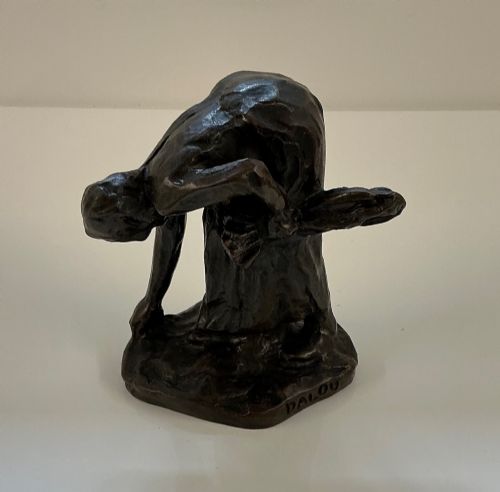
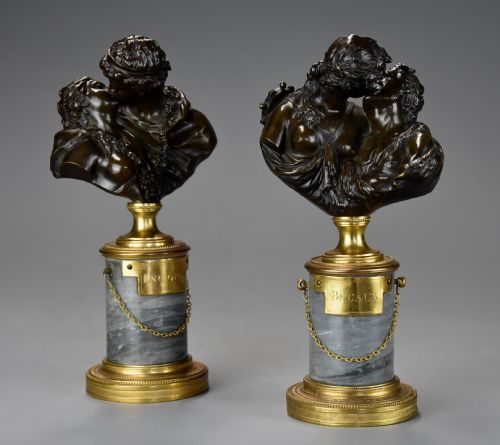


French Figurative Sculpture
French figurative sculpture captures human form with striking realism, offering buyers enduring physical presence and remarkable sculptural detail from the nineteenth and early twentieth centuries.
French Figurative Sculpture
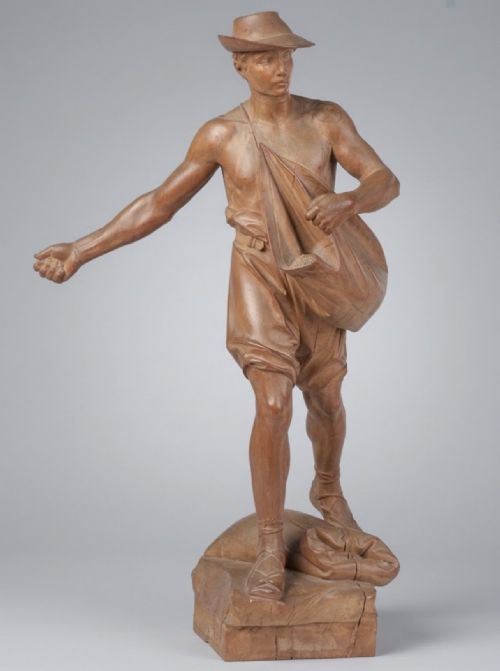
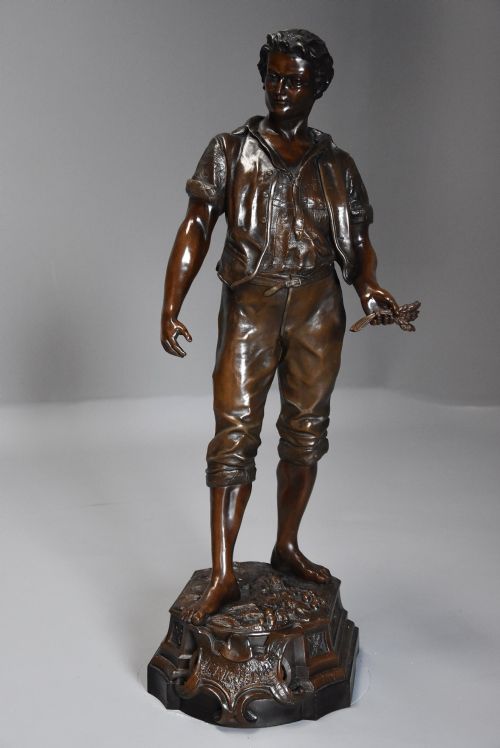
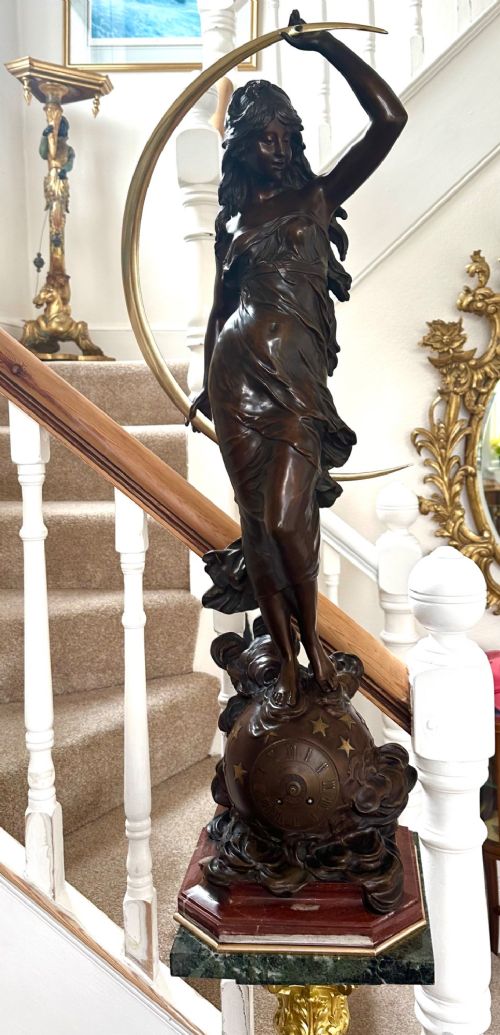
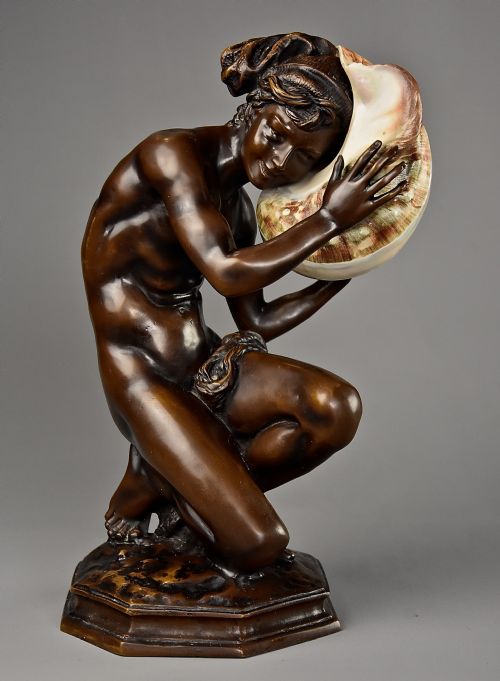
French figurative sculpture encompasses a wide range of human representations, from mythological figures and literary characters to everyday laborers and classical portraits. When exploring french figurative sculpture, buyers encounter subjects cast in metal or modeled in clay, reflecting academic precision and expressive character.
The versions most commonly met on this page date from the nineteenth century through the art deco period. These pieces span full-length statues, busts, wall reliefs, and functional table lamps that incorporate sculptural figures into domestic lighting.
Materials and casting methods
Foundries utilised traditional lost-wax casting for bronze works, ensuring intricate detail in hair, drapery, and facial expressions. This metalwork was frequently finished with a chemical patination to produce varied surface tones, ranging from deep browns to golden hues.
Makers also employed terracotta, carved fruitwood, alabaster, and bronzed spelter as alternative mediums. Terracotta pieces required careful kiln firing and often received a painted or slipped surface finish, while spelter offered a more affordable metallic option.
French Figurative Sculpture Retail Price Guide 2026
Typical asking prices for french figurative sculpture among the pieces listed under this phrase on Sellingantiques today, from the lower quarter to the upper quarter. They describe what is for sale here now, not the wider market.
Listings feature works spanning the nineteenth century, art nouveau, and art deco periods in bronze, terracotta, and alabaster.
Factors determining sculptural quality
The refinement of the chasing work separates standard foundry output from superior examples. Skilled artisans hand-chiseled cooled bronze castings to sharpen contours and remove casting flaws, preserving the crispness of the original model.
August Moreau·Emmanuel Villanis·Mathurin Moreau·Jules Dalou·Charles Anfrie
The French Figurative Sculpture Glossary
- Patina
- A chemical or natural surface coloration applied to bronze sculpture. This finish protects the metal and enhances visual depth.
- Spelter
- A zinc-based alloy commonly used as a cost-effective substitute for bronze. It frequently received a bronze-colored paint layer to mimic heavier metal.
- Lost-wax casting
- A traditional method where a wax model is melted from a mould and replaced with molten metal. This technique allows for high fidelity in complex sculptural forms.
- Terracotta
- Baked unglazed clay fired in a kiln for sculptural modeling. It yields a reddish-brown earthenware body that accepts surface pigments.
French Figurative Sculpture: Frequently Asked Questions
What is bronzed spelter?
Bronzed spelter is a zinc alloy finished with a metallic coating to resemble solid bronze. It served as a popular nineteenth-century alternative for decorative figures.
Items made from this material are generally lighter than bronze and require gentle handling to protect the surface finish.
How do I identify art nouveau figures?
Art nouveau figures typically feature flowing organic lines, naturalistic floral motifs, and subjects inspired by myth or graceful movement. The styling emphasises asymmetry and sinuous drapery.
These pieces frequently date from the turn of the twentieth century and reflect a departure from strict academic traditions.
Where were these sculptures displayed?
Nineteenth-century sculptures were primarily designed for interior display on mantelpieces, pedestals, and library tables. Smaller bronzes and busts fit easily into domestic reception rooms.
Sculptural table lamps also integrated figural art directly into functional household lighting.
How should I care for terracotta busts?
Terracotta requires a stable indoor environment away from direct moisture and sudden temperature shifts. The porous fired clay is sensitive to humidity.
Dusting should be performed gently with a soft, dry brush to preserve the fragile surface texture.