

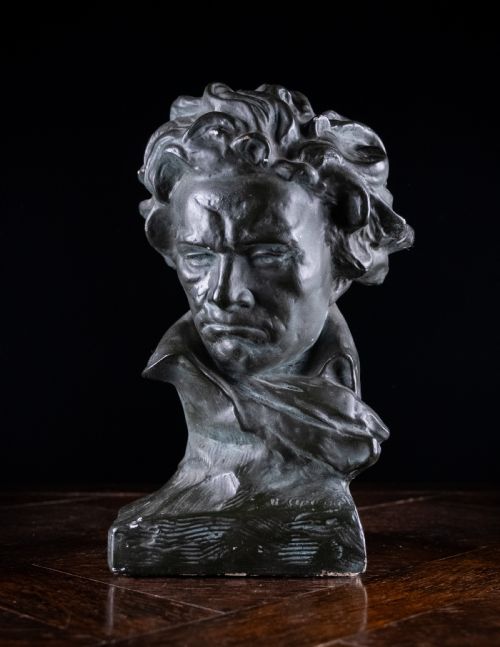
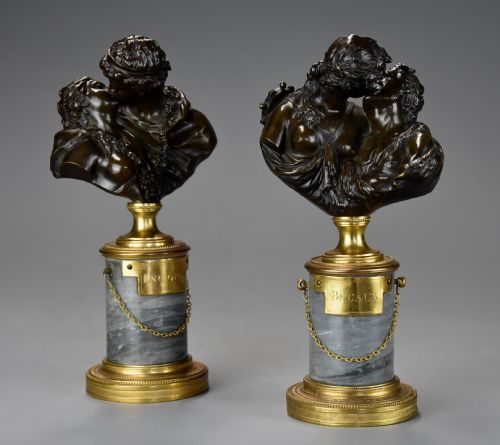

Bronzed Sculpture Bust
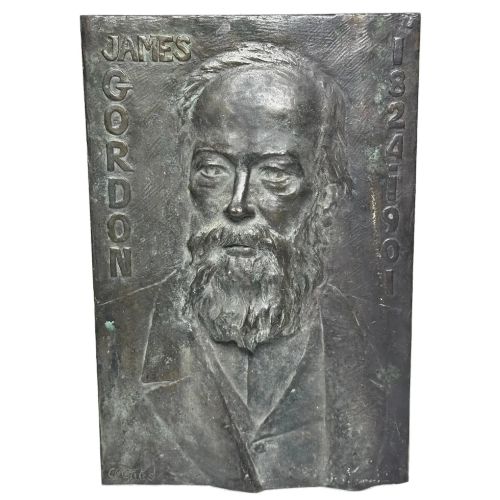
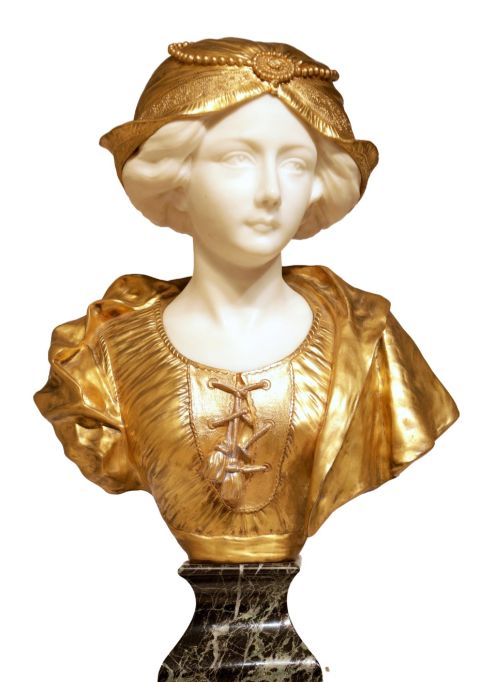
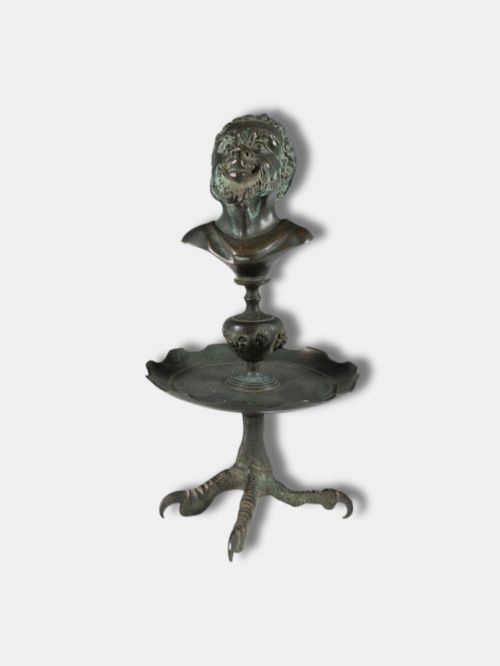
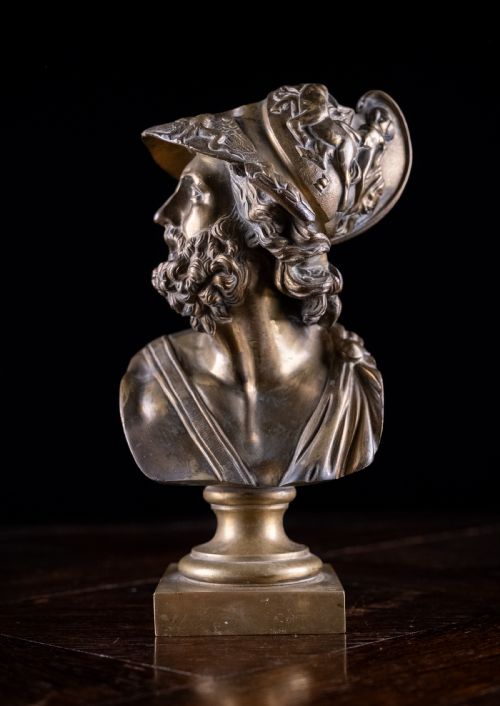
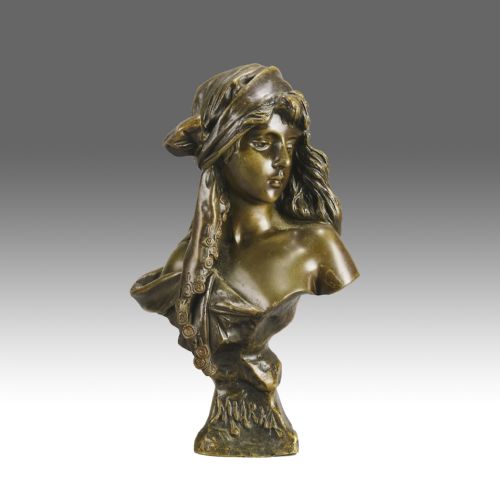
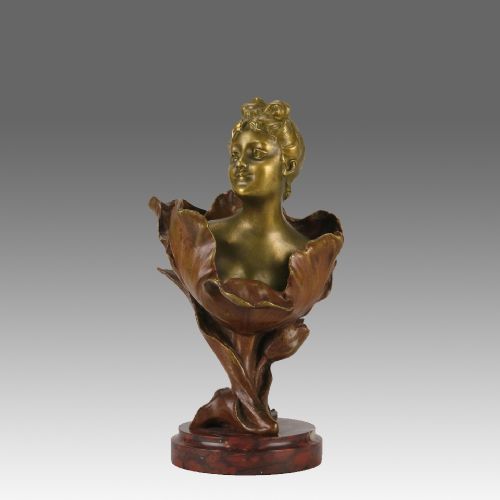
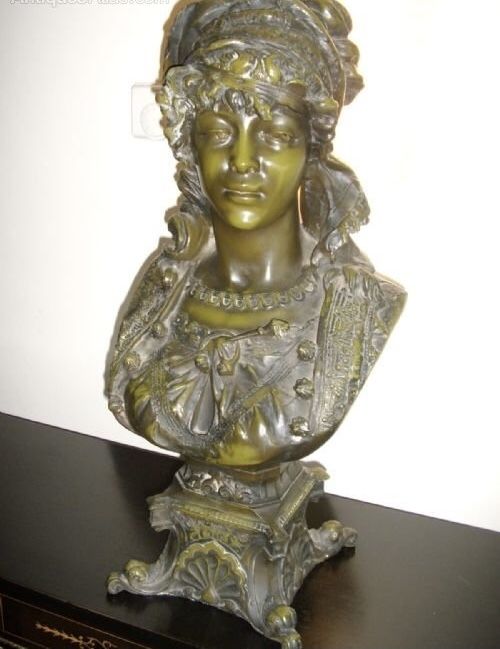
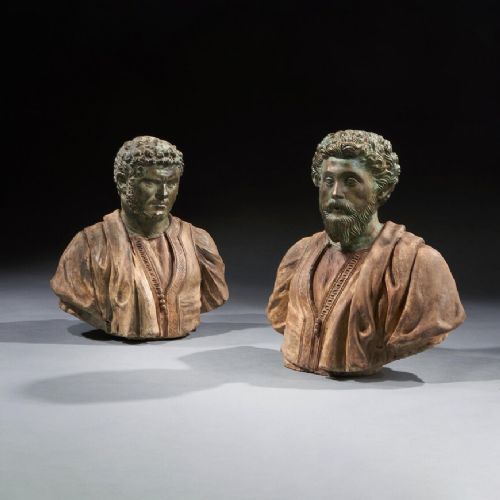
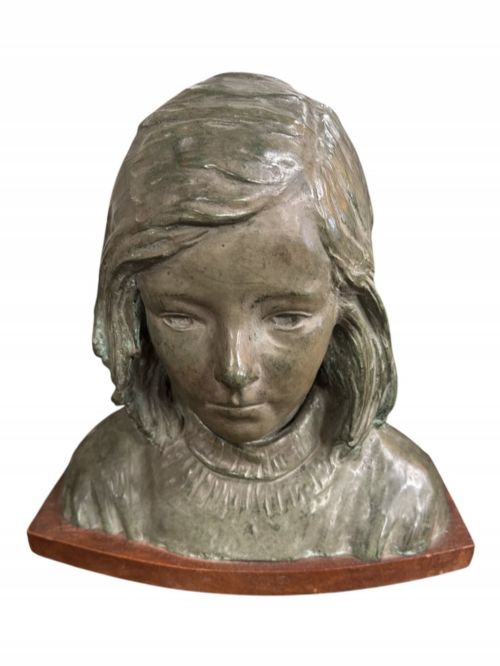
When you select bronzed sculpture bust, you explore portraiture and classical form rendered in metal, patinated surfaces, and terracotta.
Bronzed Sculpture Bust
A bronzed sculpture bust captures historical figures, mythological characters, and literary subjects in three dimensions. These works span the nineteenth century through the art nouveau and art deco periods, reflecting evolving tastes in interior ornament.
The most common examples on this page are foundry-cast bronzes, patinated metal figures, and mixed-media pieces featuring marble plinths or columns. Many derive from grand tour souvenirs or classical revival models produced across France, Italy, and Britain.
How they were made
Foundries utilised traditional casting techniques, primarily lost-wax or sand casting, to shape molten bronze into detailed portraits. Artisans then applied chemical patination, gilding, or paint to achieve the characteristic dark, metallic, or warm bronzed finish.
Listings feature works spanning the nineteenth and early twentieth centuries, incorporating materials such as bronze, marble, ormolu, terracotta, and plaster.
What varies in quality
The fidelity of the cast and the crispness of the chasing separate standard production pieces from exceptional works. Skilled metalworkers spent hours hand-finishing details like hair, drapery, and facial expressions after the raw casting emerged from the mould.
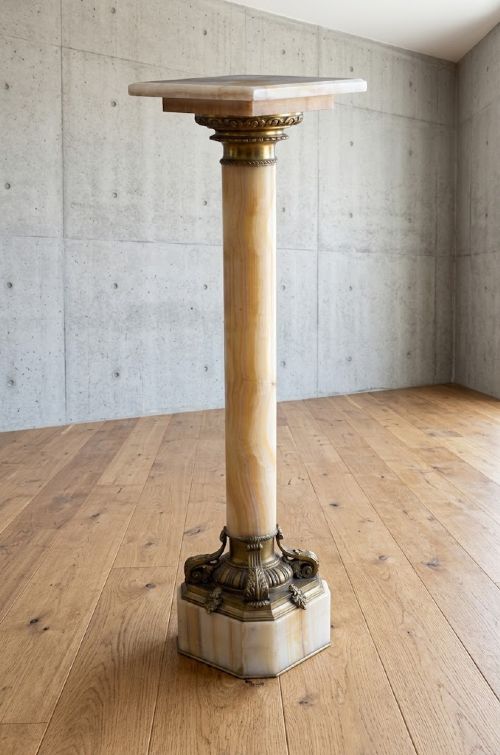
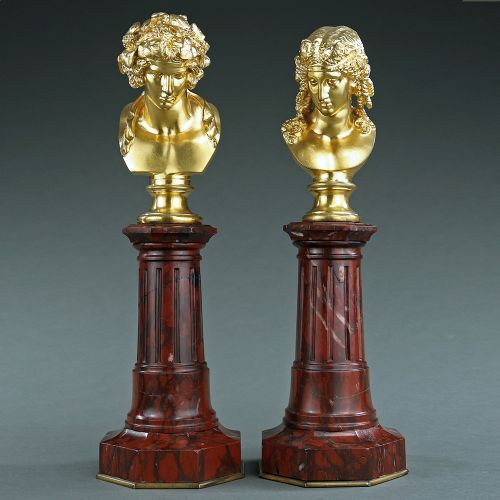
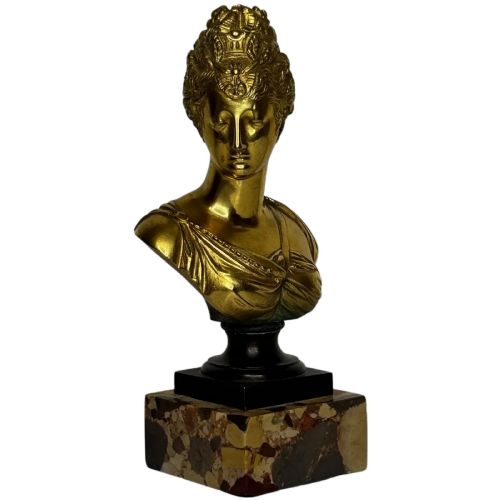
The quality of the patination and the selection of the supporting stone base also influence the character of the piece. Rich, layered patinas and dense, beautifully figured marble plinths indicate higher ambition in the original workshop.
Affortunato Gory·E Villanis·Henri Godet·Emile Jespers·Georges Charles Coudray·Giuseppe Moretti·George Minne·Emile Laporte·Hans Muller·George Van Der Straeten·Alajos Strobl
The Bronzed Sculpture Bust Glossary
- Patina
- The surface coloration and sheen developed naturally through age or applied chemically by the foundry. This finish protects the metal and defines the visual depth of the sculpture.
- Ormolu
- Gilt bronze created by applying a mercury-gilt amalgam to a bronze base. This technique produces a bright, enduring golden surface common in decorative mounts and classical busts.
- Lost-wax casting
- A method of metal casting where a wax model is rendered in a mould and replaced by molten bronze. It allows for intricate undercut details and fine textures.
- Grand tour
- The eighteenth and nineteenth-century custom of travelling through Europe for education and pleasure, which generated a demand for miniature bronzes and classical busts.
- Terracotta
- Fired unglazed clay modelled into sculptural forms and occasionally painted or given a bronzed finish. It offers a direct record of the artist's initial hand modelling.
Bronzed Sculpture Bust: Frequently Asked Questions
What is a bronzed sculpture bust?
A bronzed sculpture bust is a portrait head and shoulders rendered either in solid or cast bronze, or in a surrogate material finished to simulate bronze.
These pieces capture real historical figures, literary characters, and classical deities for interior display.
Where were these busts displayed?
In the nineteenth and early twentieth centuries, these sculptures stood upon library mantelpieces, architectural pedestals, and dedicated columns.
Collectors arranged them in studies and reception rooms to signal classical learning and artistic taste.
How do I care for bronze?
Maintain the surface by dusting gently with a soft, dry cloth to prevent the accumulation of airborne grit.
Avoid liquid cleaners, polishes, and abrasive cloths that can strip the historic patina from the metal.
How do I distinguish periods?
Examine the stylistic cues, such as the flowing organic lines of art nouveau or the rigorous symmetry of neoclassical revivals.
Foundry marks, signatures, and the type of stone used for the base also help narrow down the date of manufacture.