


Rustic Figure Sculpture
A rustic figure sculpture brings unpolished rural character into a room, drawing the eye with handmade charm and honest materials.
Rustic Figure Sculpture
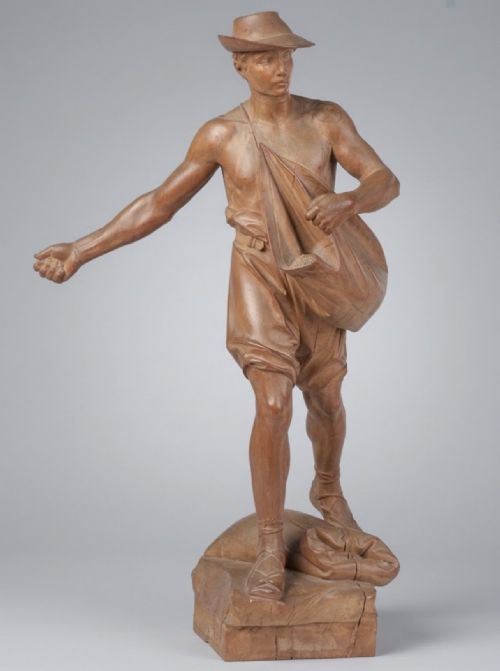
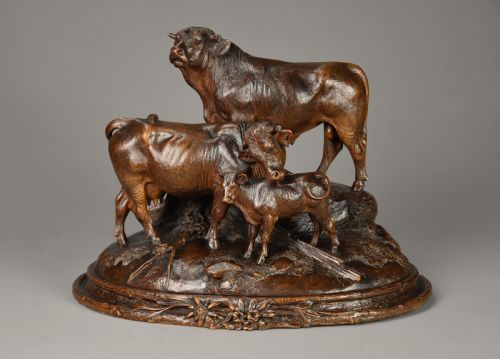
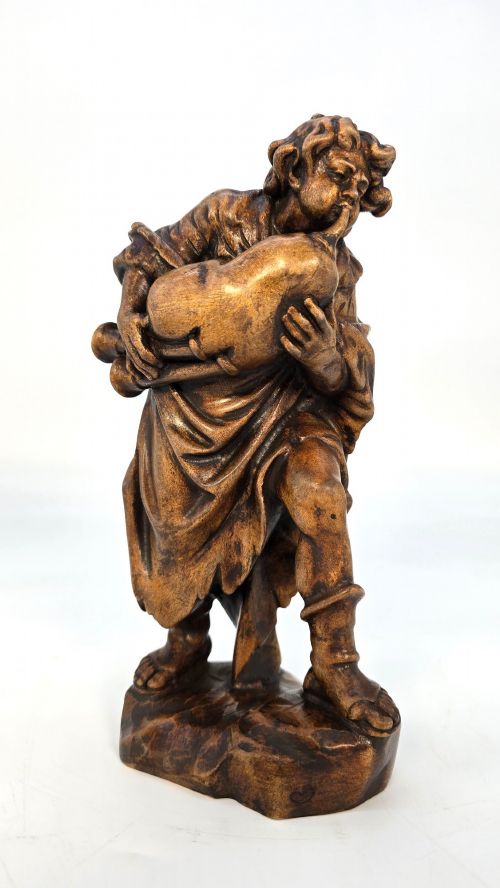
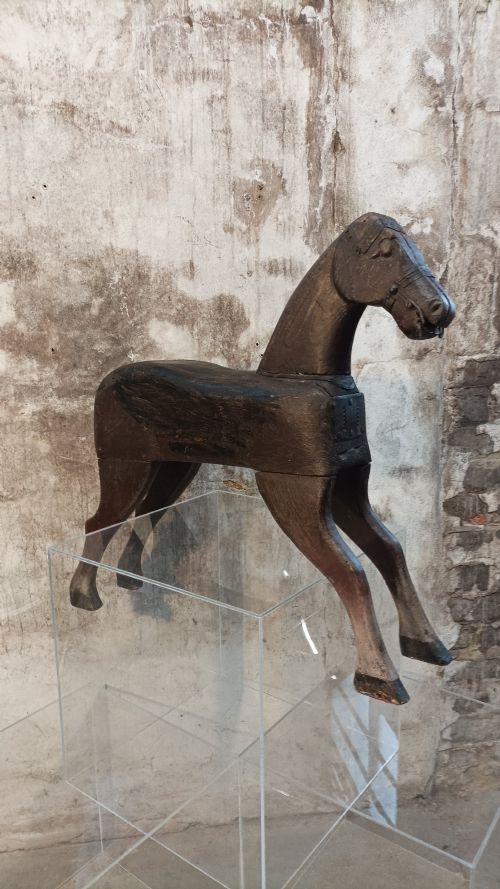
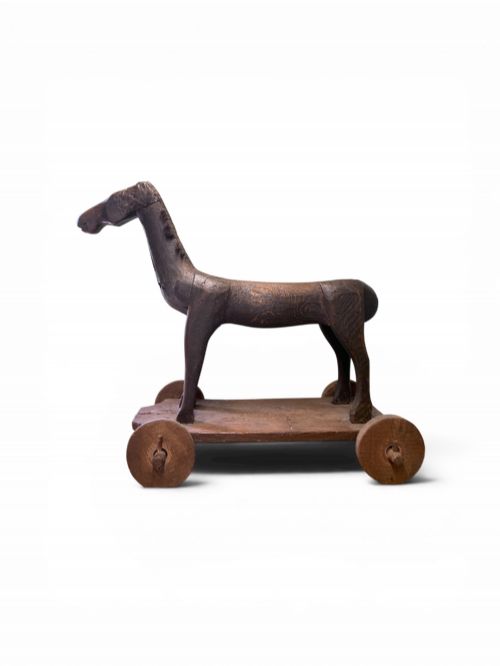
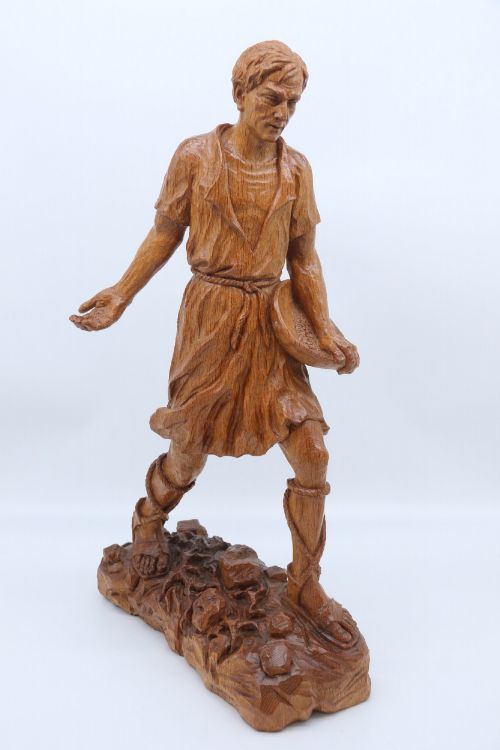
A rustic figure sculpture captures everyday characters, animals and farm life through the lens of traditional craft and folk art. You will frequently encounter carved wooden animals, farm workers and naive figures spanning the eighteenth, nineteenth and early twentieth centuries.
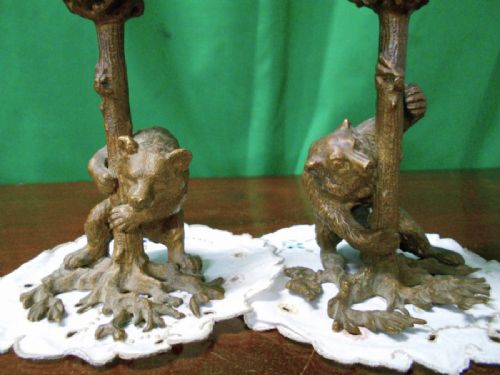
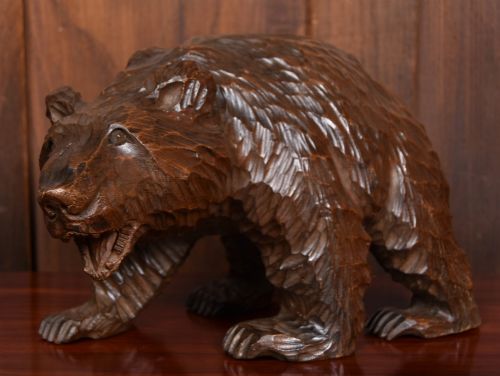
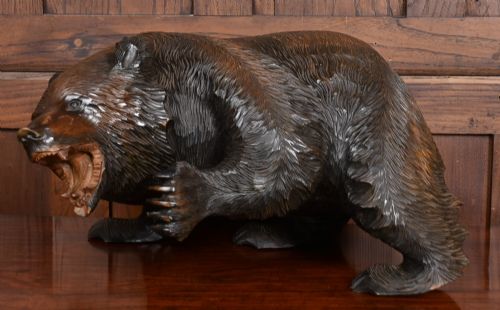
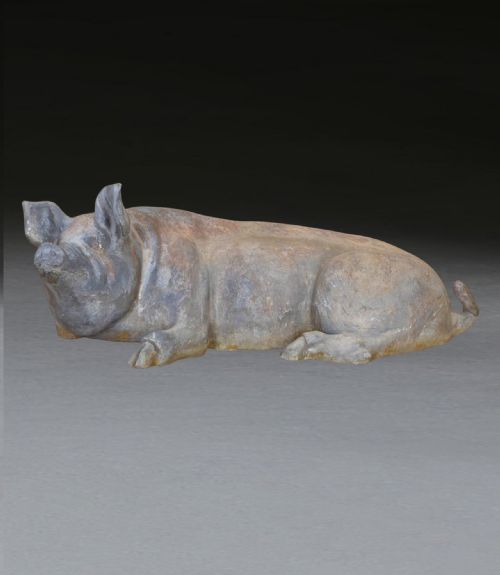
The selection ranges from European Black Forest carvings and French country workshop pieces to English lead animals and Japanese wooden bears. These objects often served practical roles as inkstands, paperweights, doorstops and garden ornaments alongside purely decorative duties.
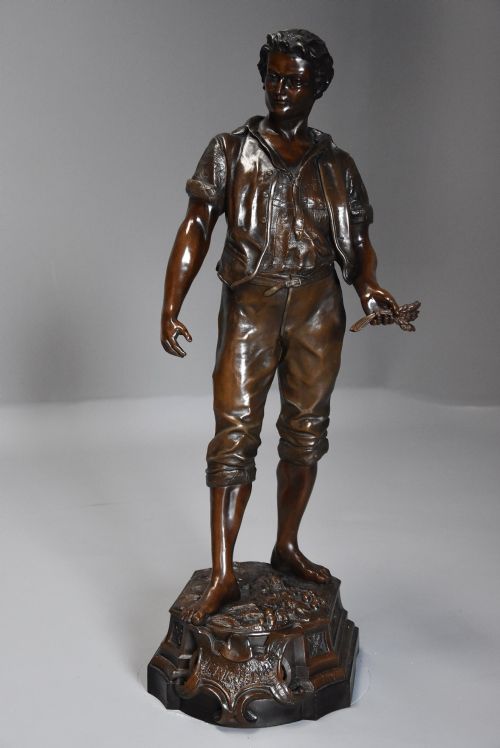
Makers ranged from dedicated regional woodcarvers and village folk artists to commercial foundries producing cast iron statues and bronze figures. Each piece reflects the social history, agricultural routines and rural environment of its origin.
Materials and construction
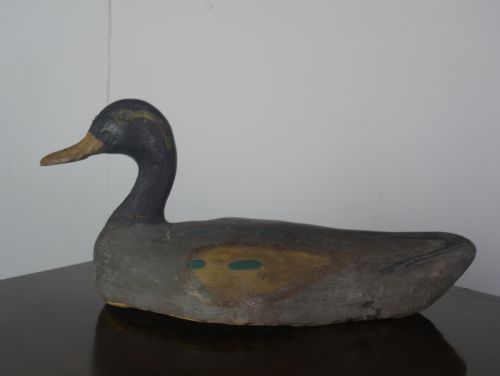
Carved timber forms the backbone of these pieces, utilising fruitwood, linden, limewood, oak and pine shaped with gouges and chisels. Artisans frequently retained the natural grain or applied surface paint to highlight details on naive toys and decoys.
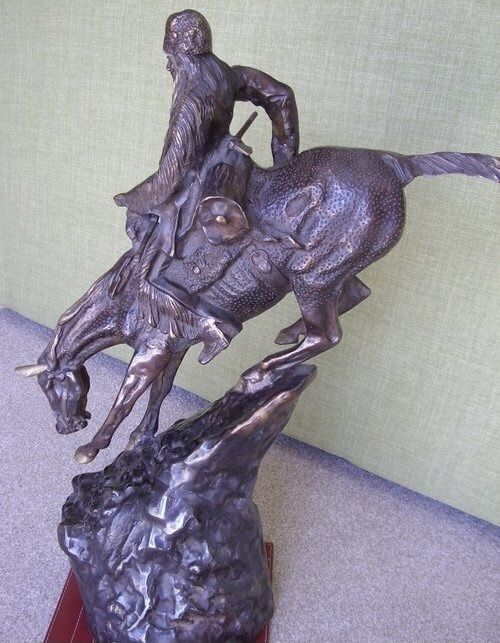
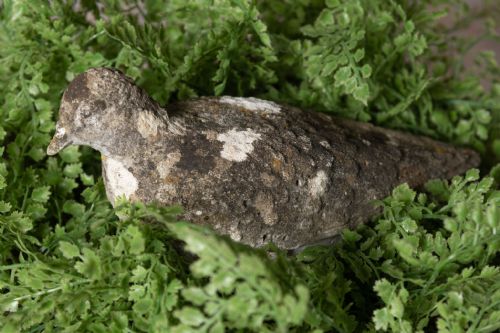
Metal versions rely on cast iron, bronze, lead, sheet metal and spelter, cast in moulds and sometimes finished with patination or gilt. Papier-mâché, straw and reconstituted stone also appear where sculptors sought alternative mediums for lightweight figures or garden statues.
Materials across these listings span carved wood, cast iron, bronze, lead, sheet metal, papier-mâché and reconstituted stone.
Judging quality
Quality rests on the vitality of the carving and the fidelity of the form, separating lively regional observations from stiff mechanical copies. A successful sculpture demonstrates confidence in the handling of the material, whether working with stubborn cast iron or yielding lime wood.
Surface preservation dictates much of the appeal, as untouched original paint, honest wear and deep patination elevate an ordinary object. Pieces that retain their original working purpose, such as inkstands or balance toys, command greater interest through functional survival.
J Huggler·C G Schierholz·F Milliot
The Rustic Figure Sculpture Glossary
- Folk art
- Objects created by self-taught or traditional artisans outside academic traditions. These pieces prioritize direct expression over formal proportion.
- Black Forest carving
- Woodwork originating from the Brienz region of Switzerland and the Black Forest in Germany. Bears and woodland animals carved from linden wood are typical.
- Spelter
- An alloy of zinc and lead cast to imitate bronze. It takes patination well but remains softer and lighter than genuine bronze.
- Decoy
- A carved or moulded animal figure historically used in hunting or farming. They demonstrate simplified outlines designed to attract game from a distance.
- Naivety
- A stylistic quality lacking classical perspective or anatomical accuracy. It signals genuine provincial handwork rather than factory production.
Rustic Figure Sculpture: Frequently Asked Questions
What is a rustic figure sculpture?
These sculptures are handmade or cast representations of people, animals and rural laborers produced by regional artisans and folk artists.
They reflect everyday country life, utilising natural materials like wood, iron and bronze to bring unpretentious character to interiors.
How were these sculptures used originally?
Many figures served practical daily functions as inkstands, paperweights, weathervanes, doorstops or garden ornaments rather than sitting strictly on display.
Others functioned as toys, trade signs, decoys or fairground attractions before finding a home in domestic collections.
How do I care for wooden sculptures?
Keep wooden pieces away from direct sunlight and sudden temperature shifts to prevent the timber from splitting or warping.
Dust them gently with a dry, soft cloth and avoid liquid polishes that can damage aged painted surfaces.
How do I date a cast iron figure?
Dating relies on examining the crispness of the casting seams, the quality of the iron and the nature of the surface oxidation.
Comparing the style of dress and subject matter with nineteenth and early twentieth-century manufacturing standards also helps determine age.