


Blush Ivory Porcelain
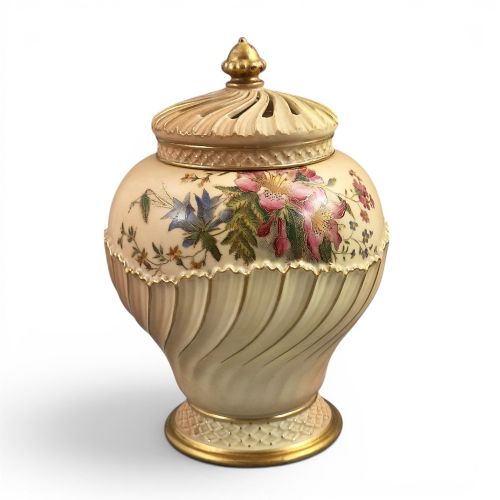
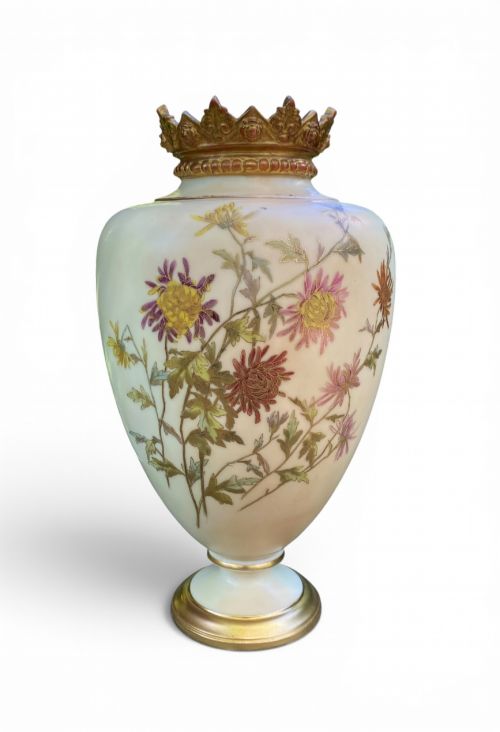
Blush ivory porcelain brings together soft, muted ceramic tones and delicate floral decoration from the Victorian, Edwardian and later periods.
Blush Ivory Porcelain
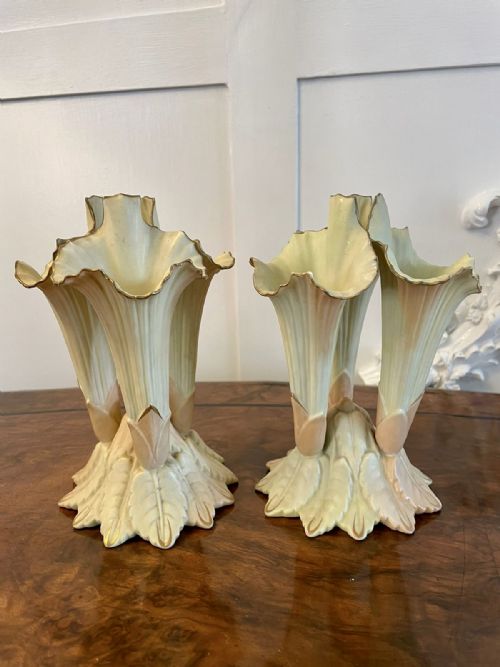
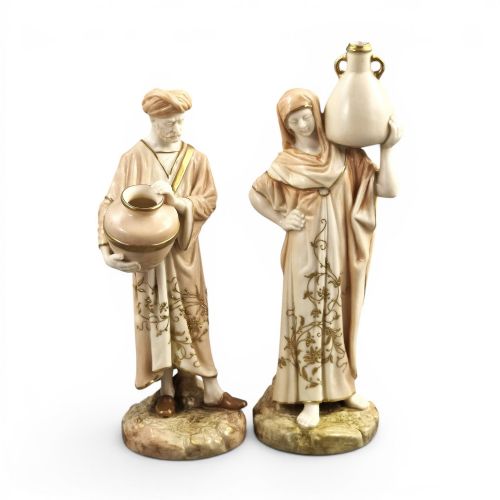
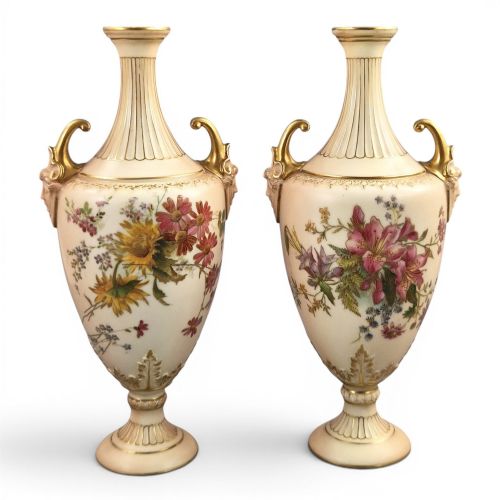
When searching for blush ivory porcelain, collectors encounter objects defined by a distinctive creamy, matte glaze that serves as a backdrop for hand-painted flowers, foliage and gilded details. The pieces available range from functional items like teapots, jugs and serving trays to purely decorative forms such as vases, ewers, pot-pourri jars, candlesticks and figures.
The selections span the late nineteenth century through to the interwar decades, taking in Victorian and Edwardian manufacturing phases. Vases, jugs and figural groups originating from major factories dominate the selection, capturing the shifting tastes from Victorian classicism and orientalism towards early twentieth-century decorative styles.
How they were made
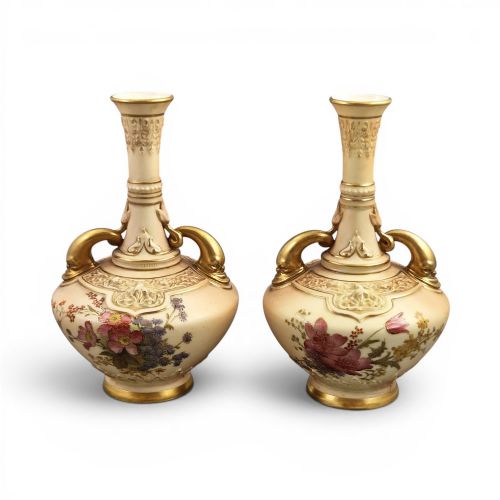
Makers produced this ceramic ware by applying a specialised glaze over earthenware or porcelain bodies to achieve the characteristic soft, ivory-like surface finish. Artisans then hand-painted floral sprays, often highlighting the details with enamel colours and gold leaf or gilding.
Many items incorporate moulded elements such as pierced handles, dolphin motifs or shell-shaped dishes, which technicians combined with hand-finished modelling on figural works like water carriers and musicians.
Blush Ivory Porcelain Retail Price Guide 2026
Typical asking prices for blush ivory porcelain among the pieces listed under this phrase on Sellingantiques today, from the lower quarter to the upper quarter. They describe what is for sale here now, not the wider market.
Common forms on this page include vases, jugs, ewers and decorative figures decorated with enamel and gold leaf.
What varies in quality
The reputation of the maker and the complexity of the form also influence distinction, as complex figural groups and large jardinières require greater technical skill than standard vases or jugs.
Royal Worcester·James Hadley·Locke & Co·Carlton Ware·Doulton Burslem·Royal Dux
The Blush Ivory Porcelain Glossary
- Blush ivory
- A soft, matte cream-coloured glaze developed on ceramic and porcelain bodies during the Victorian period. It provides a muted background for painted floral motifs.
- Ewer
- A large jug with a wide spout and elaborate handle, historically used for water or wine. Many Victorian examples functioned primarily as decorative ornaments.
- Cachepot
- An ornamental pot or jardiniere designed to conceal a plain flowerpot inside. These glazed ceramic vessels often feature painted botanical decoration and gilded trim.
- Pot-pourri jar
- A covered vessel pierced to allow the scent of dried flower petals and spices to diffuse into a room. These containers often rest on fitted bases and feature hand-painted details.
- Gilding
- The application of gold leaf or powdered gold paint to ceramic surfaces. It accentuates rims, handles and moulded details on porcelain objects.
Blush Ivory Porcelain: Frequently Asked Questions
What is blush ivory porcelain?
Blush ivory porcelain refers to ceramic items finished with a soft, opaque, cream-coloured matte glaze developed in the late nineteenth century. This surface serves as a distinctive canvas for hand-painted floral decoration and gilding.
The style became particularly popular during the Victorian and Edwardian eras, produced by prominent factories and independent decorators in various ornamental and tableware forms.
How can I date these pieces?
Many factories used systematic alphabetical or symbol-based date codes stamped or painted on the underside of the ceramic body. Examining these factory marks alongside the recorded period style helps establish the manufacturing decade.
Stylistic indicators such as Victorian aesthetic movement designs or Edwardian classical revivals also provide reliable clues to the age of jugs, vases and figures.
Were these items used daily?
While some forms like teapots, cups and basins were made for domestic service, many items served purely decorative functions in period interiors. Ewers, candlesticks and figural groups were primarily intended for display on mantelpieces, sideboards and occasional tables.
Finely painted surfaces and delicate gilded details meant that ornamental vases and pot-pourri jars saw limited practical use.
How should I care for blush ivory items?
These ceramic pieces require gentle handling due to their delicate enamels and gilded highlights. Dusting with a soft, dry cloth helps maintain the matte glaze without causing abrasion.
Submerging items in water or using chemical cleaning agents can damage the painted floral decoration and wear away the gold leaf.