


Blue White Porcelain Dishes
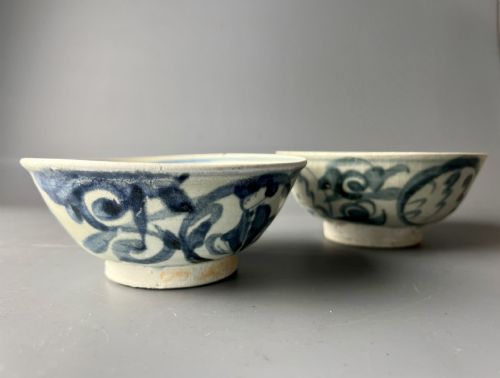
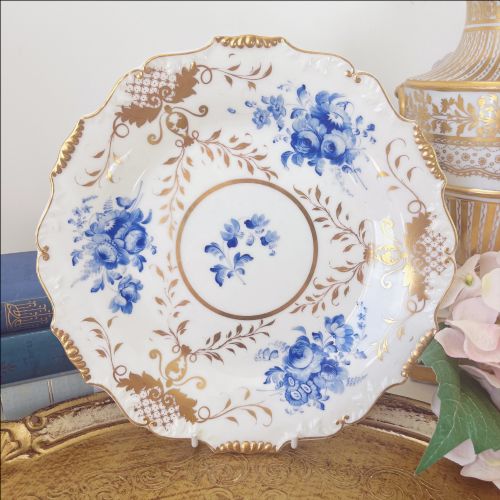
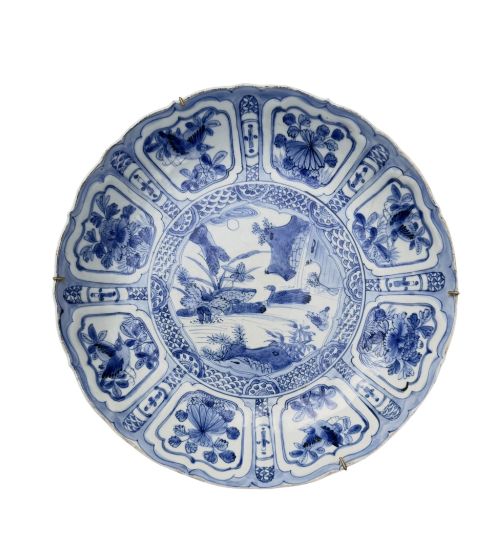
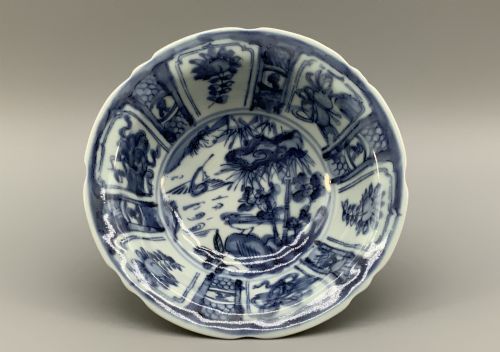
These blue white porcelain dishes span centuries of firing tradition, bringing hand-painted cobalt pigment and delicate forms to any table.
Blue White Porcelain Dishes
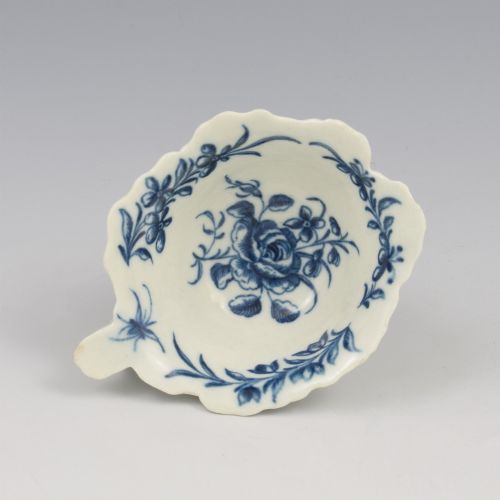
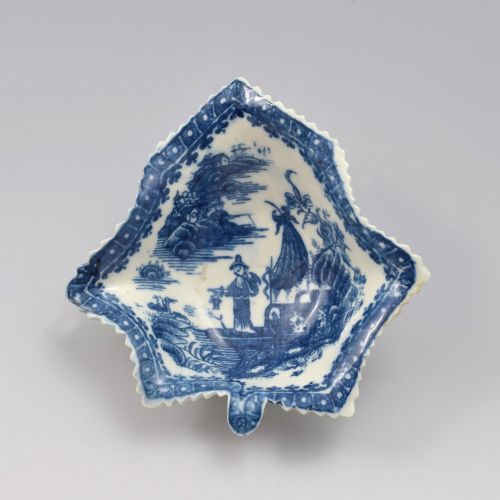
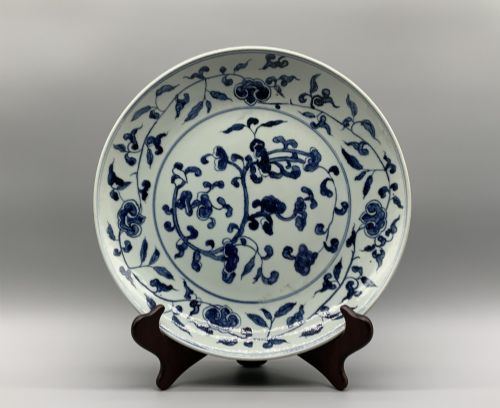
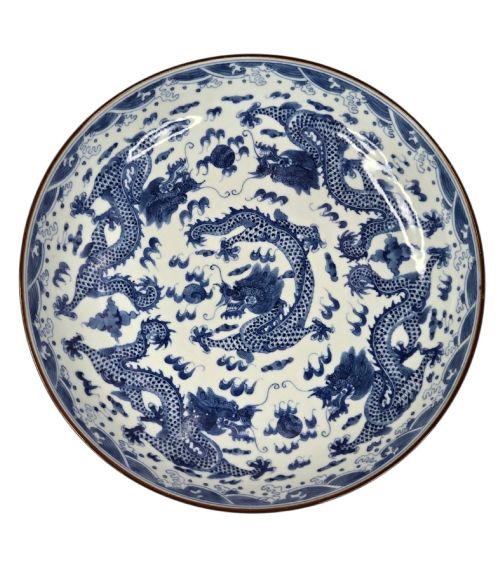
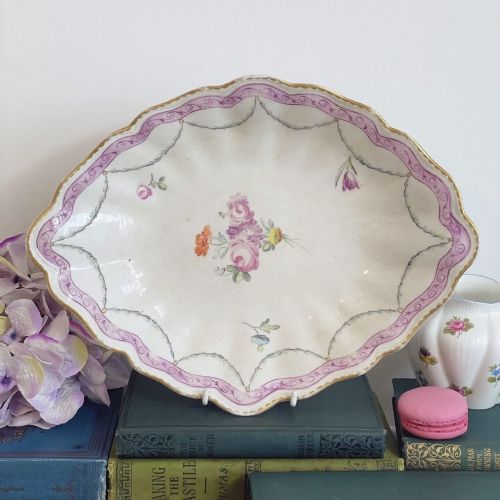
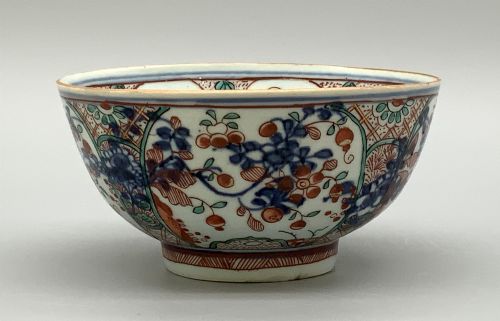
When you search for blue white porcelain dishes, you encounter a varied selection of antique plates, chargers, serving dishes, and pickle dishes originating from diverse kilns.
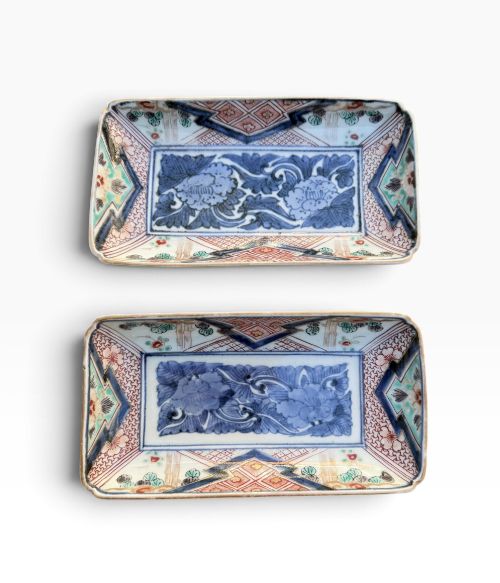
The pieces on this page span the seventeenth, eighteenth, and nineteenth centuries, incorporating Chinese Export wares, Japanese Imari, and European factories like Worcester and Meissen.
You are most likely to meet eighteenth-century English soft-paste porcelain service pieces alongside larger Chinese and Japanese chargers dating from the Qing dynasty or the Meiji era.
Materials and technique
Potters shaped hard-paste and soft-paste porcelain bodies before applying cobalt pigment beneath a clear glaze to create the characteristic blue decoration.
High-temperature kiln firing fused the cobalt underglaze to the ceramic body, producing durable decoration that resisted fading over centuries of use.
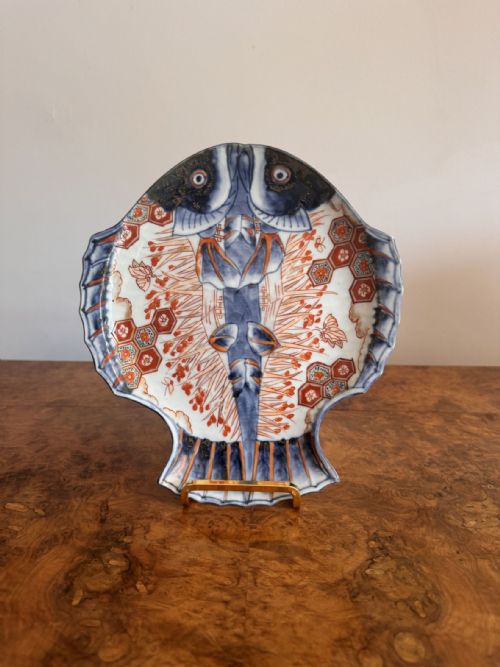
Certain pieces received additional touches of enamel or gold leaf over the glaze after the primary firing, particularly in Japanese Imari and European porcelain traditions.
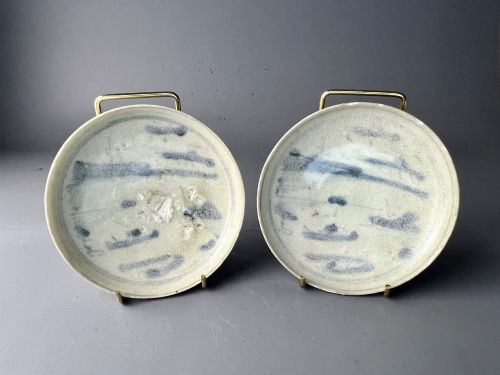
A seventeenth-century platter remembers fish swimming across a cobalt sea long before modern dinner parties ever began.
Assessment of quality
Quality rests upon the crispness of the cobalt brushwork and the purity of the white porcelain ground beneath the glaze.
Earlier pieces from periods such as the Kangxi reign or the First Period Worcester factory display superior control in form and detail compared to later mass-produced wares.
The refinement of the potting, the absence of excessive kiln warping, and the artistic confidence of the hand-painted motifs distinguish exceptional chargers and plates from standard household items.
Caughley Porcelain·Bow Porcelain·Derby Porcelain·Meissen Porcelain·Sèvres Soft-Paste·Spode·Royal Worcester·Minton·Doulton Burslem
The Blue White Porcelain Dishes Glossary
- Cobalt Underglaze
- A blue pigment applied to the unfired ceramic body before glazing and high-temperature firing. This technique protects the painted design beneath a glassy layer.
- Soft-paste Porcelain
- A ceramic composition containing glass frit and white clay, fired at lower temperatures than hard-paste porcelain. It produces a warm, creamy body common in eighteenth-century English factories.
- Charger
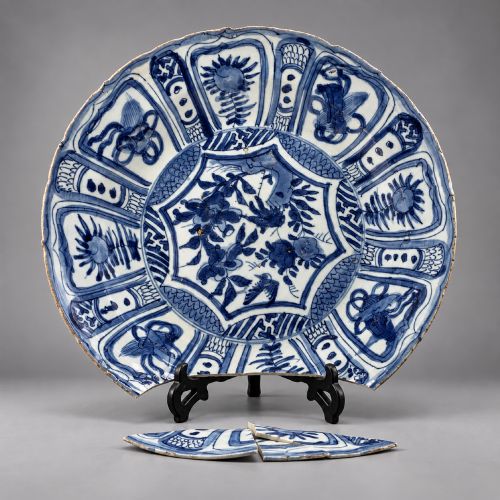
- A large decorative plate or platter used for serving food or as a centerpiece on formal dining tables. These substantial pieces often feature elaborate painted scenes.
- Pickle Dish
- A small, specialised serving dish, frequently moulded in leaf or shell shapes during the eighteenth century. They held condiments and pickles at fashionable dining tables.
- Imari
- A Japanese style of porcelain featuring underglaze blue combined with iron red, gold, and other enamel colours. The tradition originated in Arita and heavily influenced European potters.
Blue White Porcelain Dishes: Frequently Asked Questions
How do I date an antique blue and white plate?
Dating relies on examining the characteristics of the paste, glaze pooling, and painted motifs. Factory marks on the underside also provide clues to the decade of production.
Comparing the potting weight and foot rim style against known examples from periods like the Kangxi reign or eighteenth-century English factories narrows the timeline further.
Can I use antique porcelain dishes for serving food?
Most antique plates and serving dishes remain structurally sound for gentle use, though hand washing is essential to protect the historic glaze and any overglaze enamels.
Historic pieces with hairline cracks or historic repairs are best reserved for display rather than active dining service.
What is the difference between Chinese Export and European blue and white?
Chinese Export porcelain was manufactured in China specifically for Western markets, utilising local high-fired hard-paste porcelain and distinct brushwork traditions.
European factories like Worcester and Meissen developed their own soft-paste or hard-paste formulas, often imitating Chinese or Japanese designs while maintaining distinct factory bodies.
Why do some blue and white dishes have collector marks?
Factories often applied painted worker marks, pattern numbers, or crescent symbols to identify the batch, painter, or specific design standard.
These marks help modern collectors attribute pieces to specific kilns and periods with greater accuracy.