




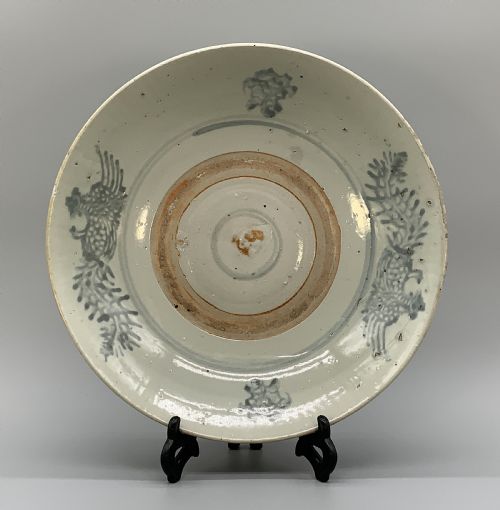
Cobalt Blue Export Porcelain
Cobalt blue export porcelain brings together centuries of global trade, carrying deep blue motifs across plates, chargers, vases, and punch bowls from Asian kilns to Western homes.
Cobalt Blue Export Porcelain
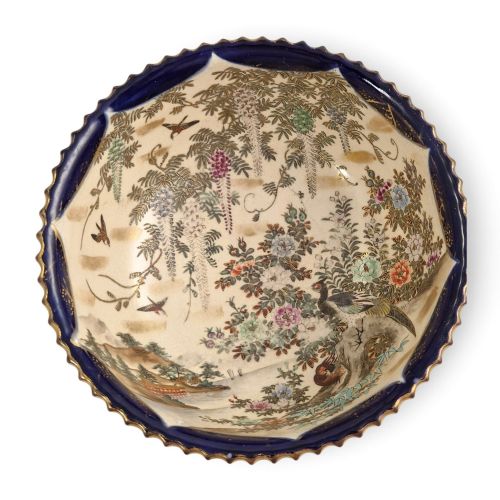
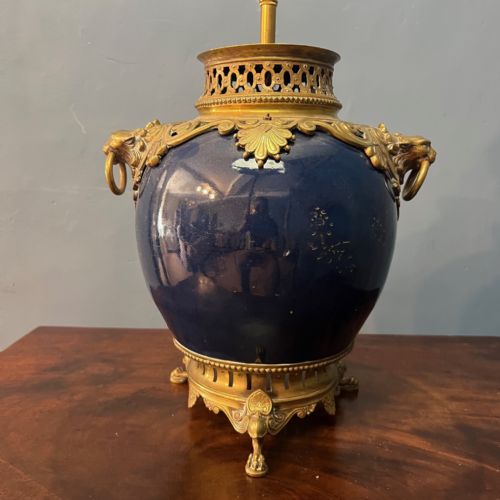
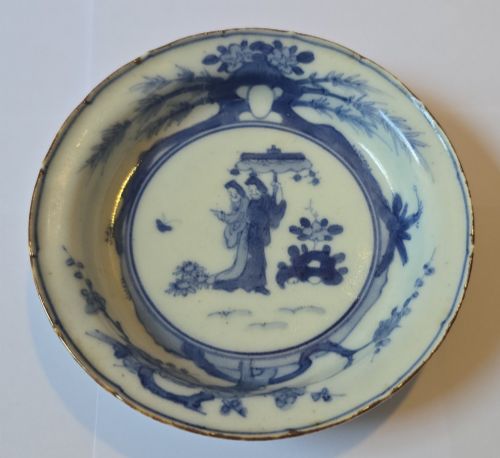
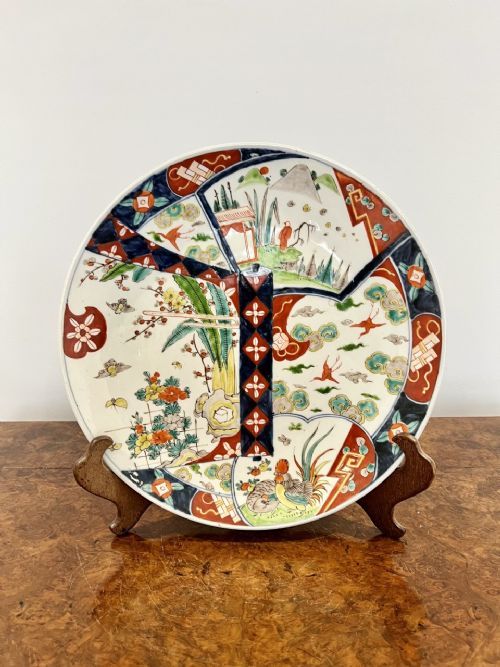
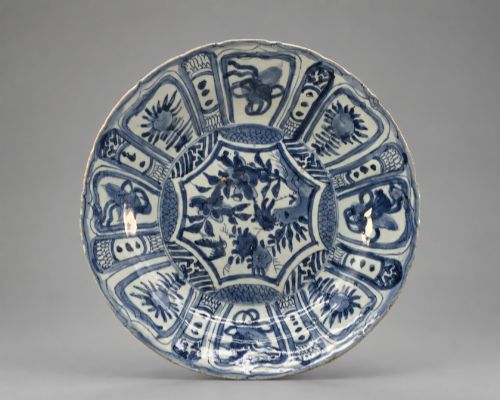
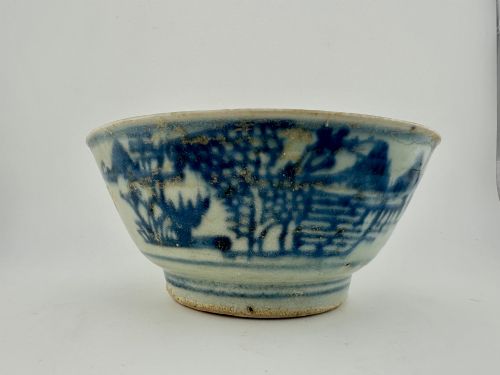
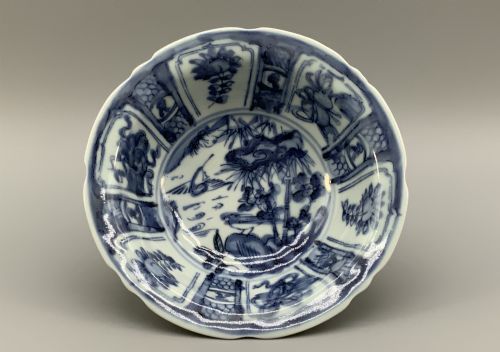
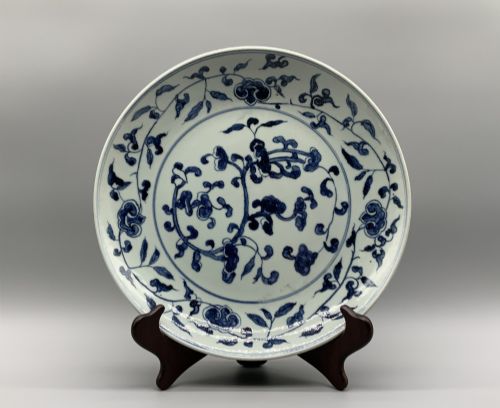
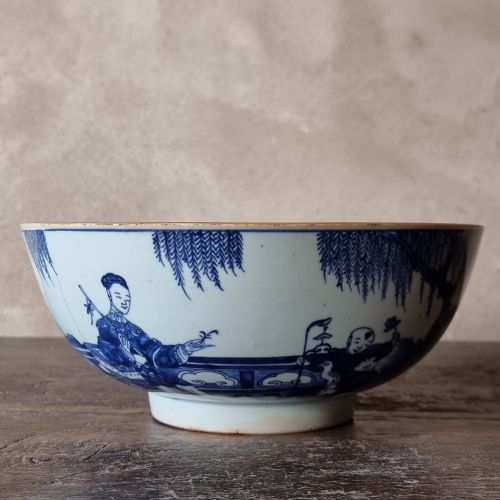
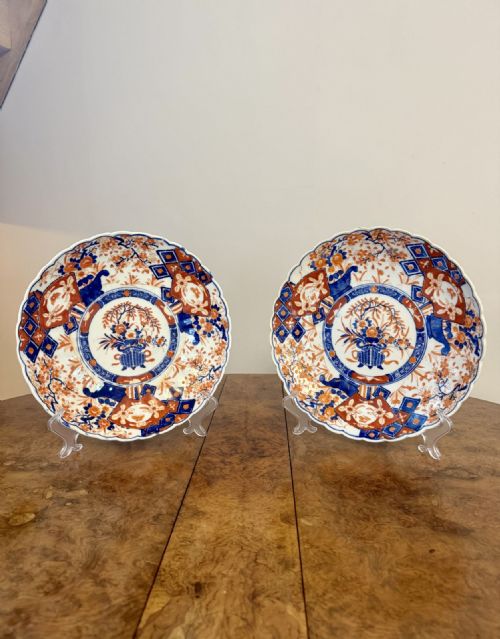
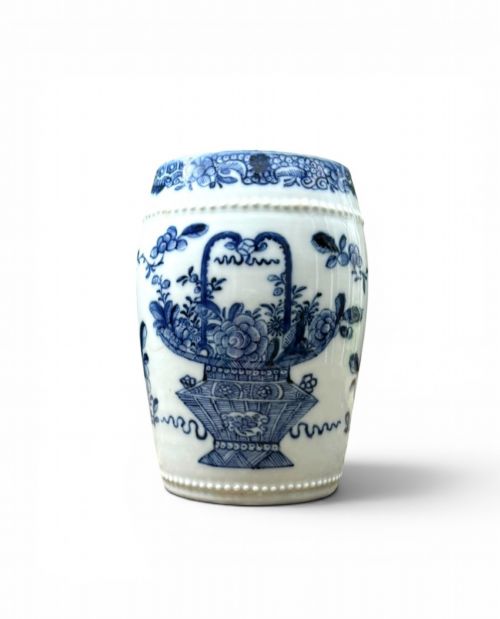
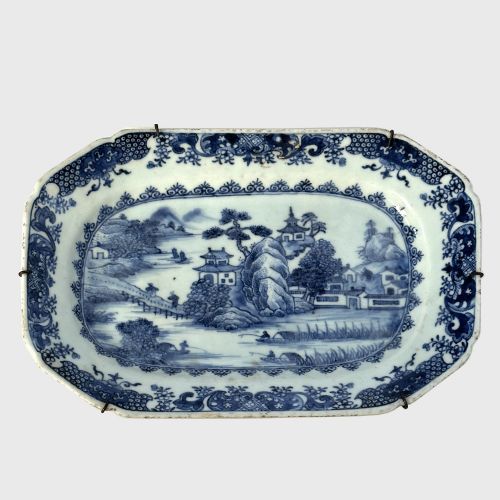
Cobalt blue export porcelain encompasses a rich variety of tablewares and decorative objects made in Asia for international markets across the 17th, 18th, 19th, and early 20th centuries. Buyers exploring this selection encounter Japanese Imari plates and chargers alongside Chinese blue and white punch bowls, platters, and bottle vases.
The objects span multiple historic eras, ranging from Ming Dynasty dishware and Kangxi period chargers to Meiji period Imari plates and Edwardian export vessels. Decorative plates and large chargers dominate the visual landscape, accompanied by deep bowls, barrel-shaped mugs, and garniture sets.
Originating from major ceramic centres in China and Japan, these pieces reflect distinct regional aesthetics tailored for export. Japanese Edo and Meiji pieces showcase the vibrant Imari palette, while Chinese output spans Wanli, Kangxi, and Qianlong periods with characteristic underglaze blue decoration.
How they were made
Hard-paste porcelain forms the physical foundation of these items, shaped into vessels, plates, and bowls before receiving painted decoration. Artisans applied cobalt underglaze pigments directly to the ceramic body, yielding deep blue motifs that survived high-temperature firing beneath a clear protective glaze.
Selected pieces incorporate additional surface enrichment through enamel paints, gold leaf, and delicate gilding applied over the glaze. This layered technique combines cobalt underglaze painting with contrasting metallic highlights, particularly visible in Japanese Imari and export garnitures.
Cobalt Blue Export Porcelain Retail Price Guide 2026
Typical asking prices for cobalt blue export porcelain among the pieces listed under this phrase on Sellingantiques today, from the lower quarter to the upper quarter. They describe what is for sale here now, not the wider market.
Listings span periods from the 17th century through the Edwardian era, featuring materials such as hard-paste porcelain, cobalt underglaze, and gold leaf.
What varies in quality
The refinement of the cobalt blue pigment application dictates much of the visual success in these ceramics. Crisp brushwork with controlled bleeding under the glaze distinguishes superior Chinese and Japanese vessels from standard production wares.
Form and scale also separate the items, as large chargers, deep punch bowls, and matched garniture sets demand greater technical mastery during shaping and firing. Pieces maintaining symmetry across complex scalloped, lobed, or ribbon edges represent higher levels of potter skill.
The Cobalt Blue Export Porcelain Glossary
- Cobalt Underglaze
- A blue pigment applied to the unglazed ceramic body before firing and glazing. This technique ensures the colour remains permanently sealed beneath the glassy surface.
- Hard-paste Porcelain
- A dense, vitrified ceramic composed of kaolin and petuntse fired at high temperatures. It forms the durable body of traditional Asian export wares.
- Imari Palette
- A decorative scheme originating in Japan featuring cobalt blue underglaze combined with iron red and gold overglaze. Pieces in this style were widely exported to Europe.
- Garniture
- A set of matching vases or vessels traditionally displayed together on a mantelpiece or cabinet. These groupings usually consist of three to five coordinated pieces.
- Charger
- A large decorative plate or platter intended primarily for display rather than table service. They often showcase the most elaborate cobalt blue motifs in a collection.
Cobalt Blue Export Porcelain: Frequently Asked Questions
How were these porcelain pieces used?
Many large chargers, platters, and garniture sets served as decorative display items in dining rooms and formal halls, signalling global trade connections and refined taste. Punch bowls and mugs functioned actively during social gatherings for serving beverages.
Over successive centuries, collectors also gathered these items into cabinets or mounted them on walls to showcase their vibrant cobalt blue patterns.
How do I live with export porcelain?
Integrating these ceramics into modern interiors works best by placing large chargers on sturdy plate stands or securing them in dedicated display cabinets. Vases and punch bowls can anchor tables or mantelpieces as focal points.
Proper care involves gentle cleaning with soft cloths and avoiding abrasive detergents to protect the delicate glazes and any supplementary gilding.
How do I tell periods apart?
Differentiating periods relies on observing stylistic shifts in the cobalt blue painting, potting techniques, and characteristic forms. Early pieces from the Ming and Kangxi eras often feature deep, rich underglaze blue landscapes and dragons.
Later Victorian and Edwardian examples, particularly Japanese Imari, incorporate denser multi-coloured palettes alongside the signature cobalt blue underglaze.