




Chinese Export Serving Dish
A chinese export serving dish brings centuries of global trade and master ceramic artistry directly to the dining table.
Chinese Export Serving Dish
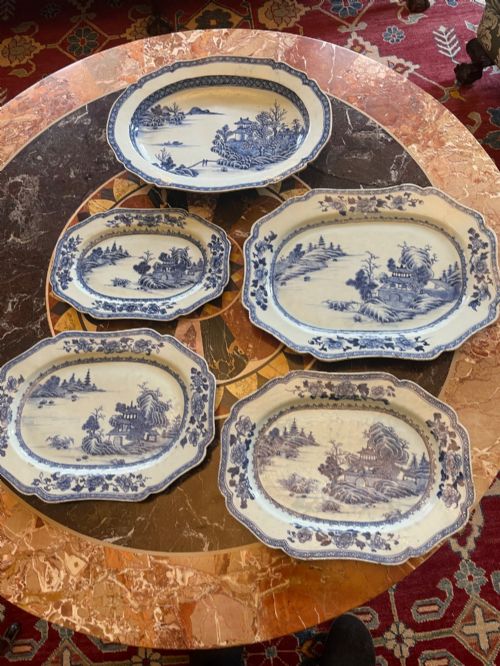
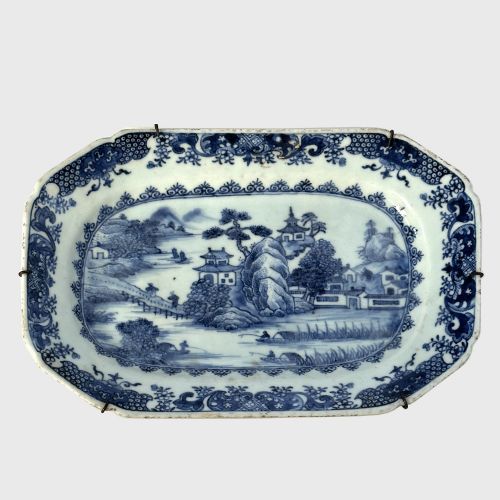
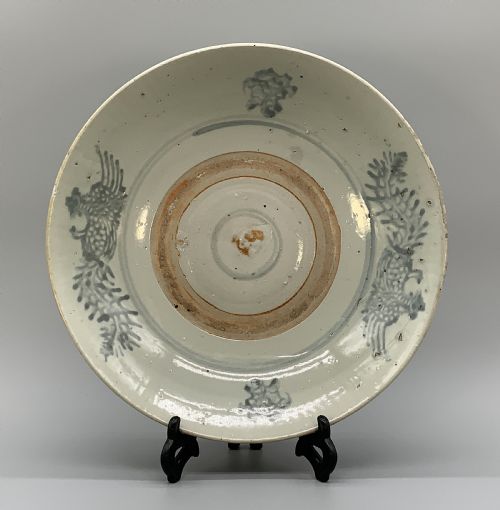
A chinese export serving dish encompasses large platters, decorative dishes, chargers, and tureens created in East Asia specifically for Western markets. The selection ranges from robust Ming Dynasty Swatow ware chargers to finely painted 18th-century Nanking blue and white platters and vibrant 19th-century Canton pieces.
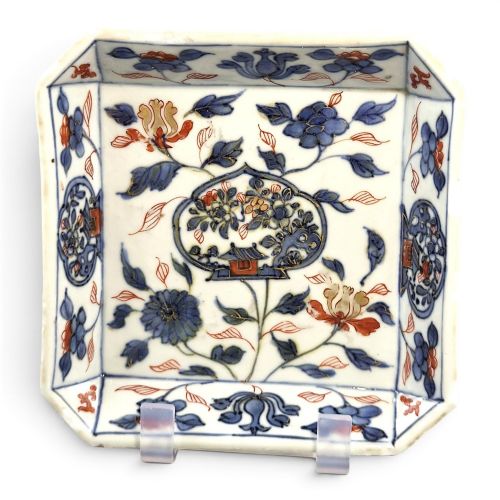
Buyers will encounter various forms across this page, including chamfered square bowls, scalloped-edge dishes, and shamrock-shaped servers. These items span the 17th, 18th, and 19th centuries, reflecting changing European tastes and evolving Chinese kiln production over hundreds of years.
The aesthetic bridges two worlds, combining traditional Chinese ceramic forms and motifs with the specific shapes demanded by European dining customs. Whether opting for Qianlong period blue and white or Imari palette designs, each piece serves as a functional artefact of maritime trade.
How they were made
These items rely on hard-paste porcelain fired at extremely high temperatures to achieve a dense, durable body capable of holding food and liquids. Artisans shaped the clay on the potter's wheel or within moulds to create complex geometric and scalloped forms like chamfered squares.
Decoration was applied using cobalt pigment under the glaze for deep blue designs, or finished with overglaze enamel and gilding for polychrome effects such as Famille Rose and Famille Verte. The application required immense precision from painters working quickly before the pigment settled into the porous unfired glaze.
Chinese Export Serving Dish Retail Price Guide 2026
Typical asking prices for chinese export serving dish among the pieces listed under this phrase on Sellingantiques today, from the lower quarter to the upper quarter. They describe what is for sale here now, not the wider market.
Listings feature hard-paste porcelain and silver materials spanning the 17th, 18th, 19th, and 20th centuries.
What varies in quality
The refinement of the porcelain body and the clarity of the cobalt pigment dictate much of the visual appeal. Superior pieces display crisp brushwork and minimal kiln distortion, whereas lesser examples might show pooling glaze or minor warping from the firing process.
The complexity and preservation of the overglaze enamels and gilding also separate standard items from exceptional ones. Intricate detailing in Famille Rose palettes and well-preserved metallic gilt highlights indicate higher workshop standards.
The Chinese Export Serving Dish Glossary
- Hard-paste porcelain
- A dense, vitrified ceramic made from petuntse and kaolin fired at high temperatures. This material forms the durable white body characteristic of most export wares.
- Cobalt pigment
- A metallic colorant used beneath the glaze to produce deep blue designs. It withstands high kiln temperatures without fading.
- Overglaze enamel
- Decorative coloured glass applied over a previously fired and glazed ceramic surface. It requires a second, lower-temperature firing to fuse the colours.
- Imari palette
- A decorative style combining underglaze blue with iron red and gilt overglaze highlights. Originating in Japan, it was extensively replicated by Chinese kilns for export.
- Chamfered square
- A four-sided shape with symmetrical bevelled corners. This geometric form frequently appears on export platters and bowls.
Chinese Export Serving Dish: Frequently Asked Questions
How were these dishes used originally?
These vessels functioned primarily as large platters and tureens for presenting food at elite European dining tables during the eighteenth and nineteenth centuries. They combined practical utility with decorative display, reflecting the status of their owners.
Over time, many transitioned from active dining service to cabinet display or wall mounting as collectors recognised their artistic and historical significance.
Can I use these antique dishes for serving food?
While the robust hard-paste porcelain body remains structurally sound, modern usage subjects antique glazes and delicate overglaze enamels to thermal shock and chemical wear. Hand washing is essential to preserve the historic surfaces.
Many collectors prefer to limit these pieces to dry display or careful intermittent use during special occasions to protect the centuries-old pigments.
How do I distinguish between periods?
Dating relies on stylistic shifts, from the robust forms of Ming Dynasty Swatow ware to the refined blue and white painting of the Qianlong period and the vibrant greens of Canton wares. Each era employed distinct palettes and potting techniques.
Examining the foot ring, glaze texture, and compositional style helps place a piece within its correct century.
What is Chinese export porcelain?
This term describes ceramic wares manufactured in China specifically for export to European, Middle Eastern, and American markets from the Ming dynasty onwards. Workshops adapted traditional Chinese shapes and motifs to suit foreign tastes and functional requirements.
The resulting objects reveal a fascinating cross-cultural exchange between Eastern producers and Western consumers.