


Japanese Blue Porcelain Trays
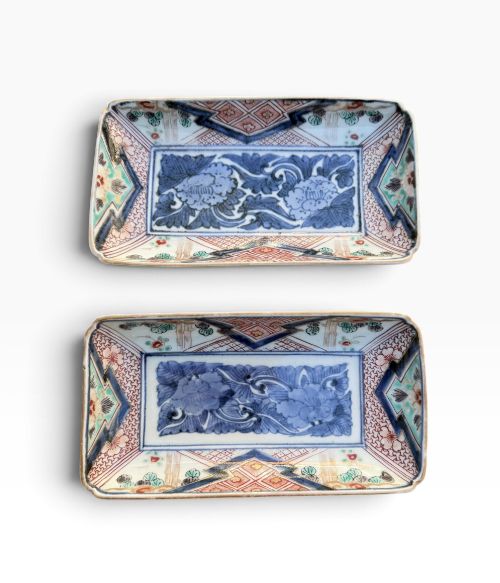
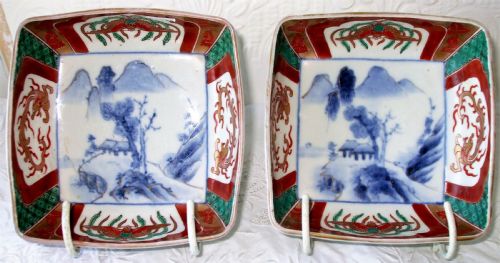
These japanese blue porcelain trays bring the brilliant cobalt tones and iron red accents of traditional East Asian and European kiln work straight to your table.
Japanese Blue Porcelain Trays
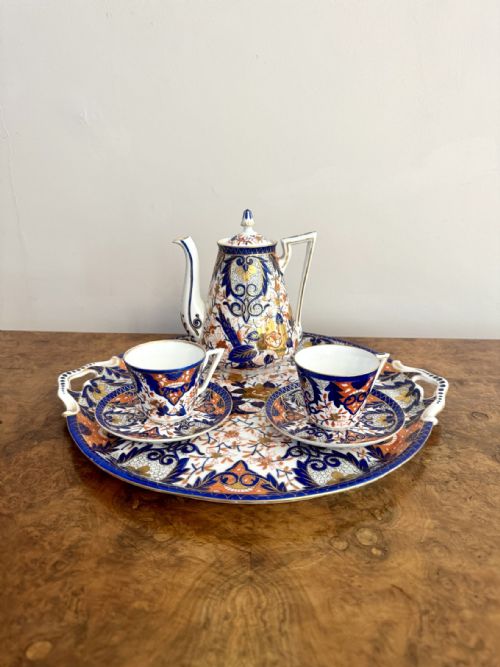
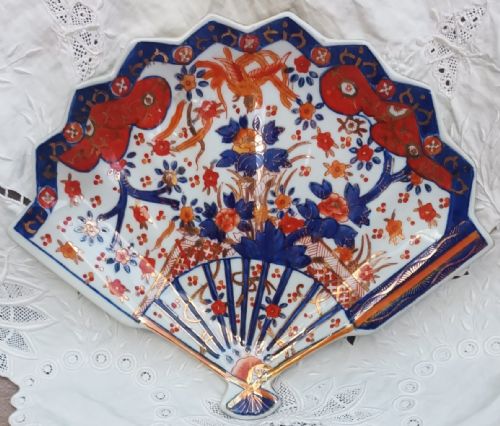
When you search for japanese blue porcelain trays, you enter a dense field of ceramic history stretching from the seventeenth century Edo period right through to twentieth century English revivals. The forms you meet here range from deep lobed serving dishes and coffee sets to fan shaped plates and shell shaped presentation pieces.
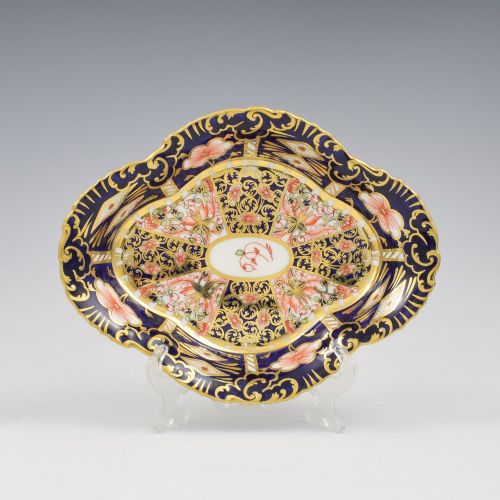
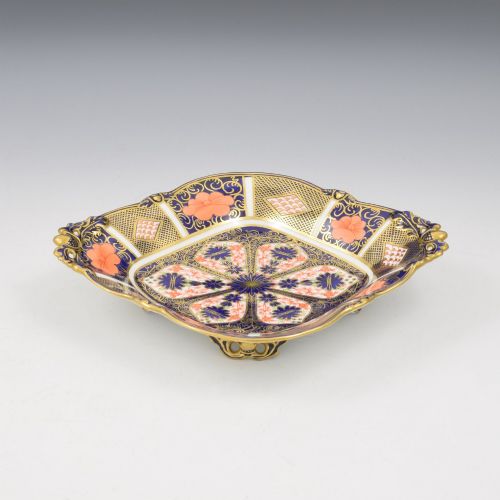
The core of the selection relies heavily on Japanese Imari porcelain alongside Victorian and later English imari style interpretations. You will find pieces hailing from the Genroku and Meiji periods sitting alongside English adaptations bearing traditional patterns.
These items served both decorative and functional roles in formal dining and display. Their varied geometries from standard circular dishes to fan and shell silhouettes reflect a meticulous approach to table service.
How they were made
The makers formed these pieces from hard paste porcelain and bone china, applying underglaze blue and overglaze enamel pigments before firing. Kiln workers utilised iron red and cobalt blue pigments to achieve the high contrast palette characteristic of traditional imari ware.
Many examples incorporate gold leaf, gold gilt, and careful gilding applied over the glaze to highlight specific motifs and edge lines. The glaze itself provides a smooth, vitrified surface that protects the painted decoration beneath and around the metallic accents.
What varies in quality
Quality rests principally in the precision of the hand painting and the depth of the cobalt blue underglaze. Finer examples show crisp outlines and careful registration where the blue and red pigments meet.
The application of gold leaf and gilding dictates the upper tier of the range, where metal embellishments remain intact and burnished to a high standard. Form also plays a role, with unusual silhouettes like fan and shell shapes demanding greater skill from the potter.
The Japanese Blue Porcelain Trays Glossary
- Imari
- A style of Japanese porcelain exported from the port of Imari, known for a palette of underglaze blue, iron red, and gold. This aesthetic heavily influenced subsequent European ceramic production.
- Meiji Period
- The era in Japanese history spanning from 1868 to 1912, characterised by extensive international trade and high output of decorative arts. Pieces from this time often feature intricate enamel work.
- Edo Period
- The period in Japanese history running from 1603 to 1867, encompassing the Genroku years when early export ceramics flourished. Items surviving from this time represent the foundational era of the craft.
- Bone China
- A type of soft paste porcelain incorporating animal bone ash, developed in England to create a whiter and more translucent body. It served as the base for many twentieth century imari style serving dishes.
Japanese Blue Porcelain Trays: Frequently Asked Questions
How do I date these porcelain dishes?
Dating relies on examining the potting style, the depth of the cobalt blue, and any factory marks present on the base. Earlier seventeenth century pieces often show heavier bodies and slight kiln imperfections compared to later Meiji or twentieth century items.
Context also helps, as English imari style pieces from the twentieth century utilise bone china bodies that differ perceptibly from older Japanese export wares.
What is the difference between Japanese and English imari?
Japanese imari refers to original export wares created in Japan using local clays and traditional kiln techniques. English imari represents European interpretations produced by factories adapting the iconic blue, red, and gold colour scheme.
English versions frequently utilise bone china and often bear specific pattern numbers or maker ciphers on the reverse.
How were fan and shell shaped plates used?
These shaped plates functioned primarily as decorative dishes for serving small delicacies, sweetmeats, or fruits during formal gatherings. Their distinct geometries allowed hosts to arrange multiple dishes in elaborate geometric patterns across a table.
Today, they serve equally well as standalone decorative objects or wall display pieces.
Can I use these serving dishes for food?
While these pieces originated as functional tableware, antique porcelain with delicate overglaze enamels and gold leaf requires gentle handling. Modern dishwashers and harsh detergents can damage the surface gilding and enamel pigments over time.
Hand washing in lukewarm water with mild soap preserves the integrity of the antique decoration.