
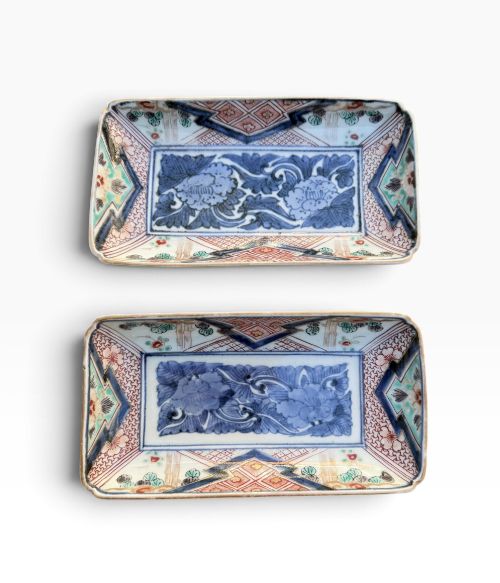



Japanese Imari Enamel Dishes
Japanese imari enamel dishes bring vibrant cobalt blue, iron red, and gilt porcelain into a room with centuries of tradition behind them.
Japanese Imari Enamel Dishes
When you search for japanese imari enamel dishes, you encounter a distinct tradition of decorative plates, bowls, and chargers originating in Japan. These items span periods from the seventeenth century through to the Meiji period and nineteen-hundreds.
The objects most frequently met on this page include shallow bowls, scallop edge bowls, and clam shell dishes. They reflect centuries of skilled production from kilns in areas such as Arita and Hizen.
Collectors find pieces ranging from early Genroku period examples to later nineteenth-century wares. Each form serves as a striking decorative dish or bowl suited for display.
How they were made
The foundation of these works is porcelain, shaped into plates, bowls, and chargers before undergoing high-temperature firing. Potters utilised cobalt blue underglaze to establish the deep foundational tones visible across the surface.
Overglaze enamel colours, notably iron red and supplementary pigments, were added alongside gold leaf and gilt highlights. This layered technique created the characteristic rich palette associated with Japanese Imari wares.
The listings span porcelain and enamel pieces across the seventeenth century, eighteenth century, and nineteenth century, including the Meiji period.
What varies in quality
The standard of painting and the precision of the cobalt blue underglaze distinguish finer examples from standard production. Artisans who achieved crisp brushwork and balanced compositions produced pieces of lasting visual weight.
The application of gold leaf and overglaze enamel also indicates the tier of the piece. Delicately preserved gilding and harmonious colour integration elevate nineteenth-century and earlier works alike.
The Japanese Imari Enamel Dishes Glossary
- Imari
- A style of Japanese porcelain named after the port from which wares were shipped to the West. It is typically characterised by a palette of cobalt blue, iron red, and gold.
- Aka-e
- Red picture style featuring iron red as the dominant overglaze colour. This technique often appears alongside cobalt blue and gold highlights.
- Arita
- The Japanese town and surrounding region where porcelain production began in the seventeenth century. Arita kilns supplied the foundational wares for Imari decoration.
- Glaze
- A glassy coating fused to the porcelain body through firing. It provides a smooth, protective finish over the painted decoration.
- Meiji Period
- The era in Japanese history spanning from eighteen-sixty-eight to nineteen-twelve. Wares from this period often display confident forms and detailed enamel work.
Japanese Imari Enamel Dishes: Frequently Asked Questions
What are Japanese imari enamel dishes?
These pieces are decorative porcelain plates, bowls, and chargers produced in Japan utilising distinct cobalt blue, red, and gilt palettes.
They encompass items made from the seventeenth century up to nineteen hundred, reflecting traditional kiln techniques.
How were these dishes used originally?
Many of these plates and bowls served both practical dining purposes and high-status decorative display in interiors.
Their striking patterns made them prized luxury export items traded internationally from Japanese ports.
How do I live with antique Imari pieces?
Display bowls and plates on sturdy stands or within cabinets to showcase their detailed enamel work safely.
Keep them away from direct heat sources and wash them gently by hand when cleaning is necessary.
How can I tell earlier pieces apart?
Earlier examples from the seventeenth century often show distinct potting characteristics and tighter cobalt blue painting styles.
Later Meiji period items typically present broader decorative formats and varied enamel tones developed over subsequent generations.