
Blue White Export Porcelain
Blue white export porcelain comprises ceramic wares made for international trade, combining refined Oriental forms with durable bodies.
Blue White Export Porcelain
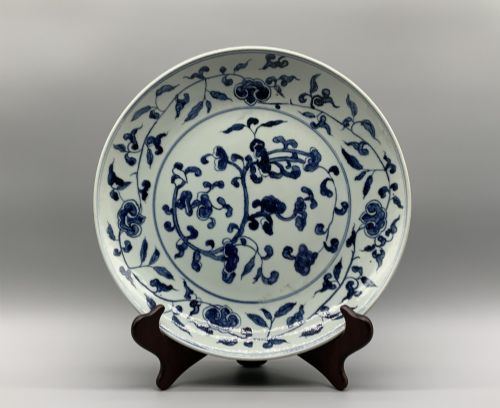
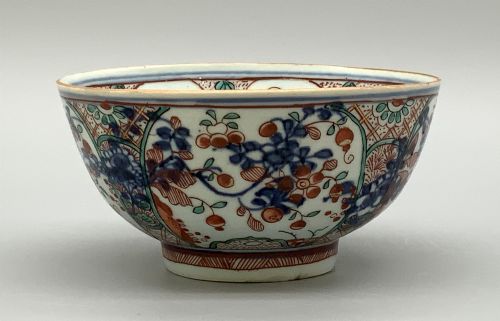
Buyers seeking blue white export porcelain encounter objects shaped for overseas markets, spanning the seventeenth through the nineteenth centuries. These pieces originate predominantly from Chinese kilns of the Ming and Qing dynasties, alongside Japanese production such as Imari and Arita wares.
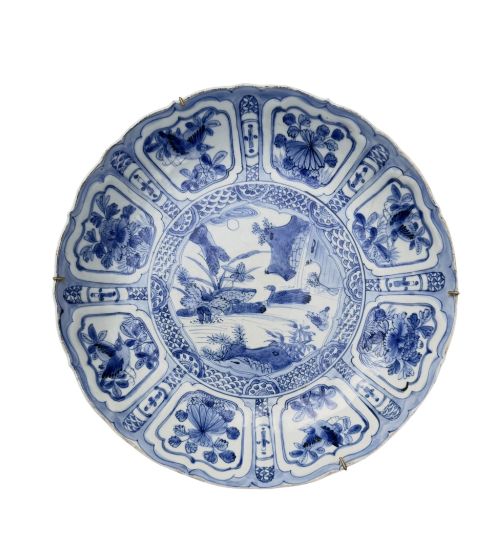
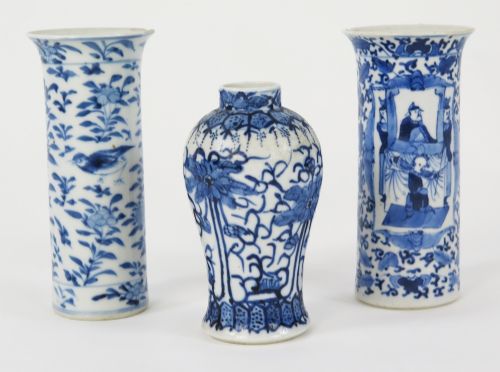
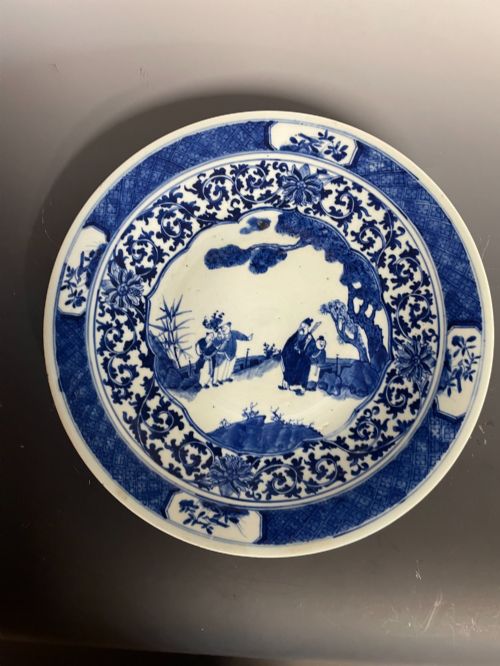
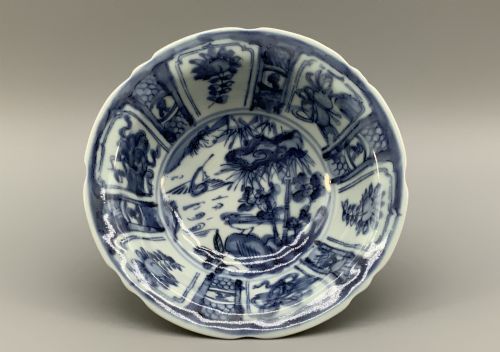
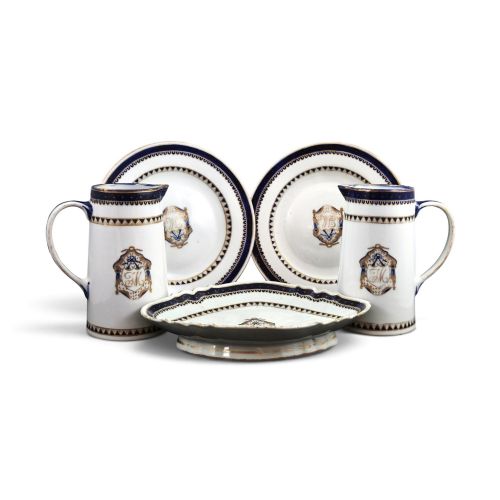
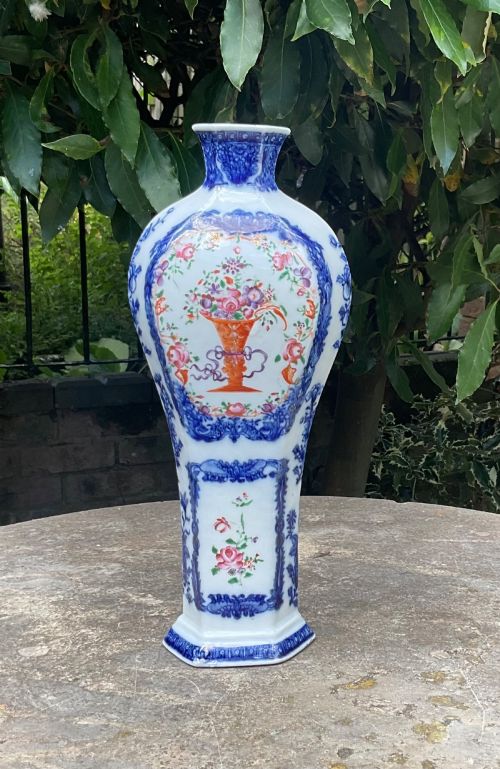
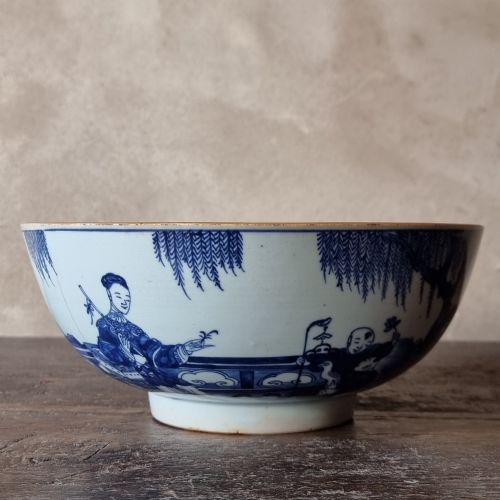
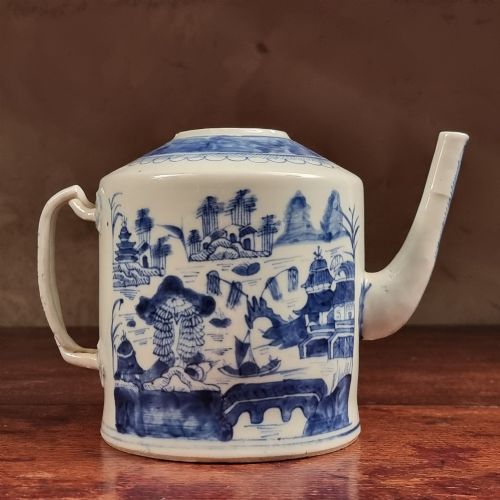
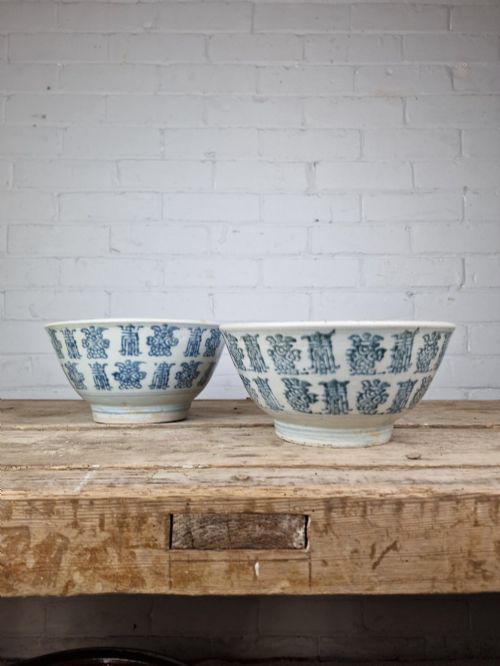
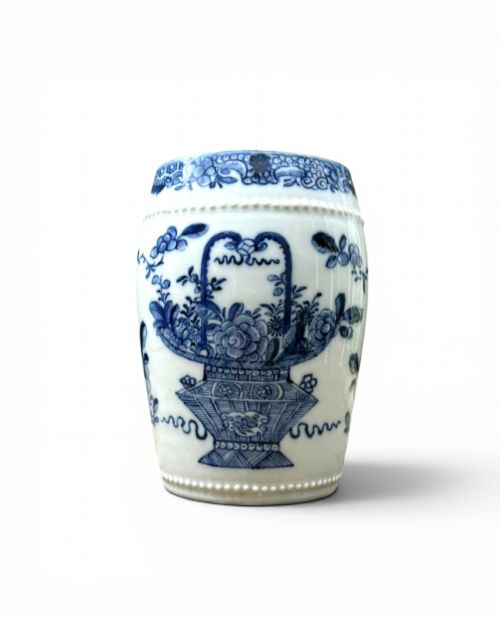
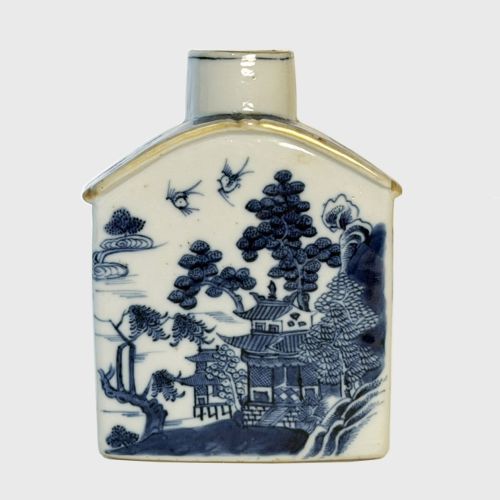
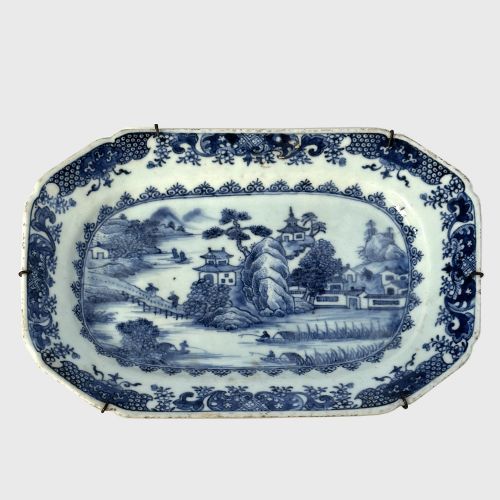
The forms on this page range from large chargers and punch bowls to delicate teapots, vases, and tableware services. Many items reflect specific historical periods including the Kangxi and Qianlong reigns, carrying stylistic influences tailored for Western households.
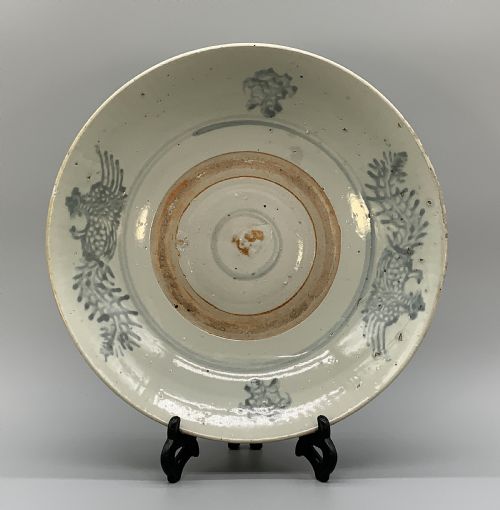
Provincial pieces alongside finely potted services appear across the selection, demonstrating the broad scope of wares traded globally over successive centuries. The category encompasses both utilitarian vessels and decorative objects designed for display.
How they were made
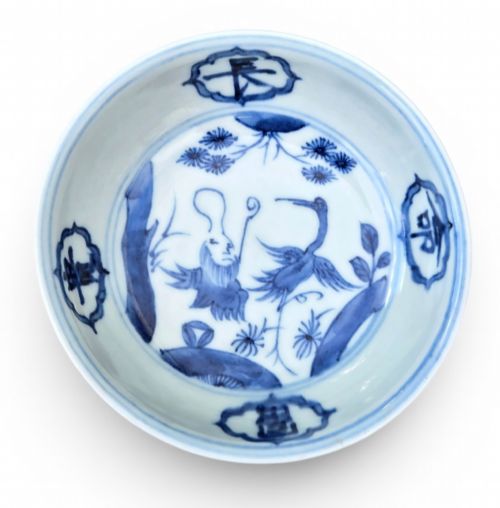
Potters constructed these objects using ceramic bodies painted with cobalt pigment before applying a transparent glaze and firing at high temperatures. Cobalt underglaze remained the primary medium, yielding deep blue decoration beneath the glass surface.
Certain vessels integrate additional embellishments such as enamel colours, gold leaf, and moulded details, applied over the glaze during secondary firing stages. Artisans shaped each item by hand or on the wheel, achieving precise wall thicknesses in platters, bowls, and vases.
The inventory includes Chinese Qing and Ming dynasty pieces alongside Japanese Imari wares.
What varies in quality
The clarity of the cobalt pigment and the precision of the brushwork distinguish the finer examples from standard production. Potting skill is evident in the symmetry of large chargers and the delicate walls of teapots and bowls.
Provenance and period attribution heavily influence the standing of individual pieces, with items bearing specific reign marks or documented patterns holding greater historical interest. The sophistication of the overall design and the crispness of the underglaze transfer determine the visual impact of each ceramic object.
The Blue White Export Porcelain Glossary
- Cobalt Underglaze
- Pigment applied to the unglazed ceramic body prior to glazing and firing. This technique prevents the blue decoration from wearing away over time.
- Charger
- A large decorative plate or dish utilised for serving or display. These substantial pieces often feature intricate hand-painted scenes across the central well.
- Imari
- Japanese export porcelain decorated in underglaze blue, iron red, and gold. This distinct palette was produced primarily for European markets during the Edo period.
- Swatow Ware
- Chinese provincial porcelain made during the late Ming dynasty for export to Southeast Asia and Japan. These pieces typically display bold, spontaneous brushwork under thick glazes.
Blue White Export Porcelain: Frequently Asked Questions
How are these porcelain pieces dated?
Dating relies on stylistic markers, reign marks, and the characteristics of the cobalt pigment and glaze. Examining the potting technique and form provides further context for the era of manufacture.
Changes in trade routes and kiln technology across the Ming and Qing dynasties help narrow the timeframe for individual vessels.
Were these items used daily?
Many tableware items, including platters, punch bowls, and tureens, served practical functions in dining and entertaining. Wealthy households utilised these durable ceramics for serving food and beverages.
Over time, numerous functional vessels transitioned into purely decorative objects displayed in cabinets and on walls.
How should I clean porcelain?
Gentle washing in warm water with mild soap preserves the glaze and any delicate overglaze details like gold leaf. Avoid abrasive sponges and harsh chemical detergents.
Careful handling prevents accidental chipping of fragile rims on plates, bowls, and teapots.
What defines export porcelain?
Export porcelain refers to ceramics manufactured specifically for overseas markets rather than domestic use. Artisans often adapted traditional shapes and motifs to suit European and American tastes.
Monograms, Western coats of arms, and specific service designs frequently appear on these commissioned items.