


Chinese Blue Porcelain Vessel
A chinese blue porcelain vessel brings cobalt depth and imperial history directly to a desk or mantelpiece.
Chinese Blue Porcelain Vessel
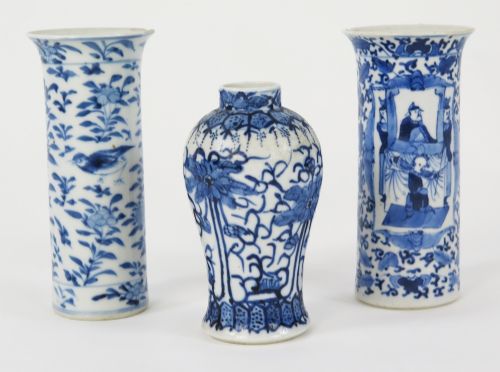
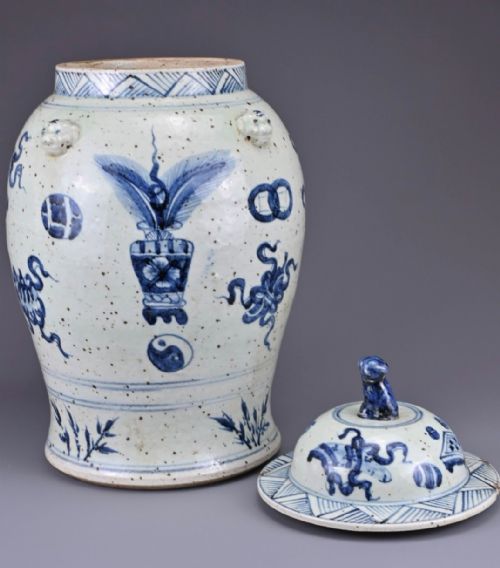
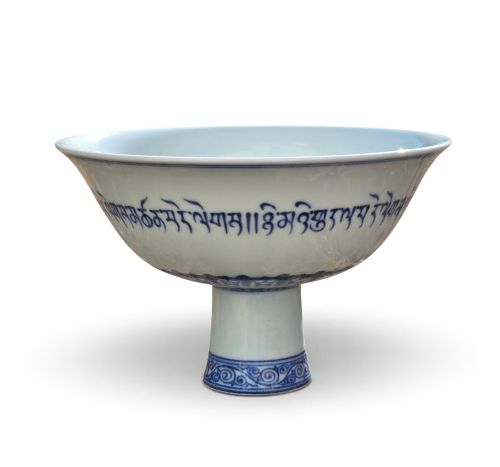
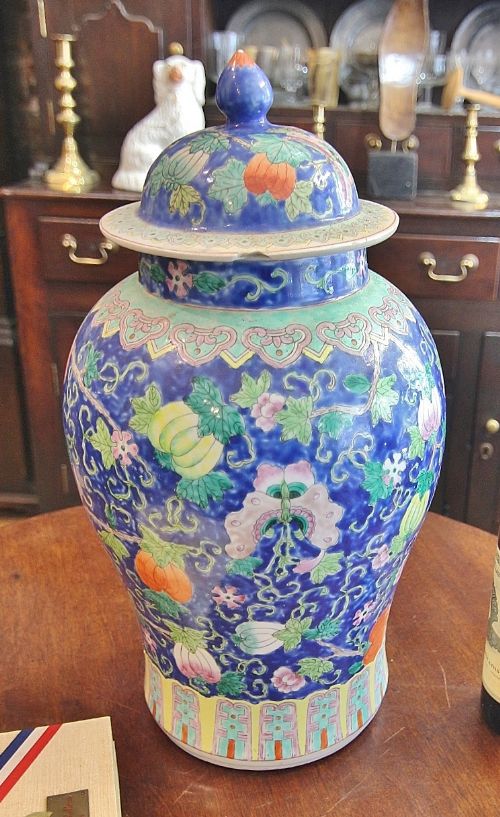
A chinese blue porcelain vessel encompasses a rich variety of forms, from large ginger jars and bottle vases to scholar's brush pots and stem cups. These items date primarily from the seventeenth century through to the twentieth century, bridging the Ming and Qing dynasties as well as later periods.
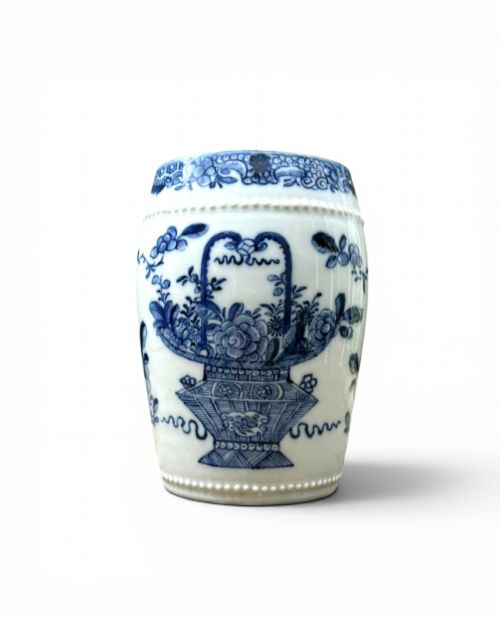
The pieces on display frequently showcase traditional shapes such as double-gourd vases, barrel-shaped mugs, and conical bowls. Buyers regularly encounter nineteenth-century interpretations alongside earlier Kangxi and Qianlong period works.
Scholar's objects and desk accessories feature prominently alongside larger decorative jars and urns, reflecting both utilitarian origins and high-status decorative arts.
Materials and Techniques
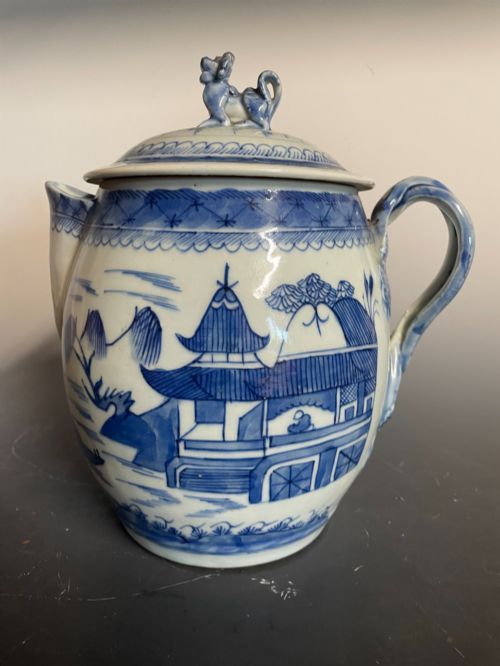
Potters constructed these vessels using refined porcelain clay, applying cobalt pigment beneath a clear glaze before high-temperature firing. This cobalt underglaze method achieved deep blue tones that remain permanent and protected beneath the glass-like surface.
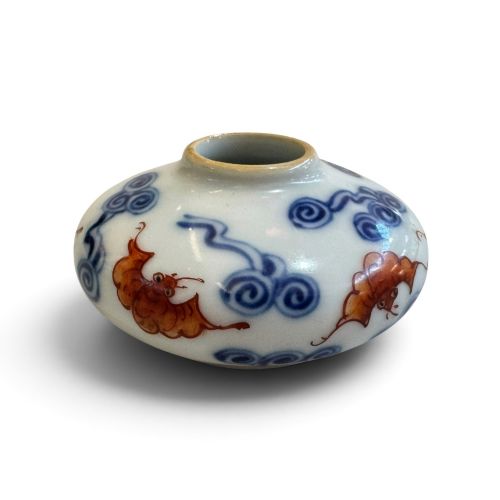
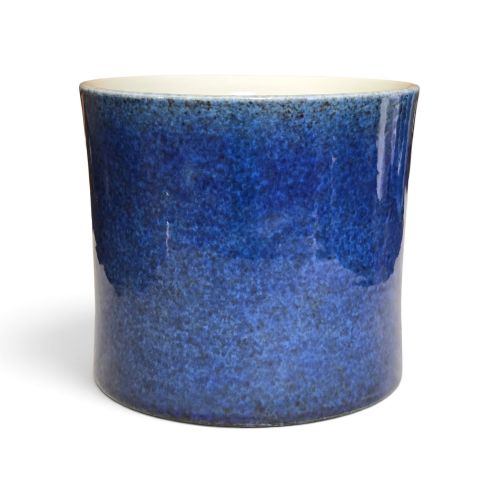
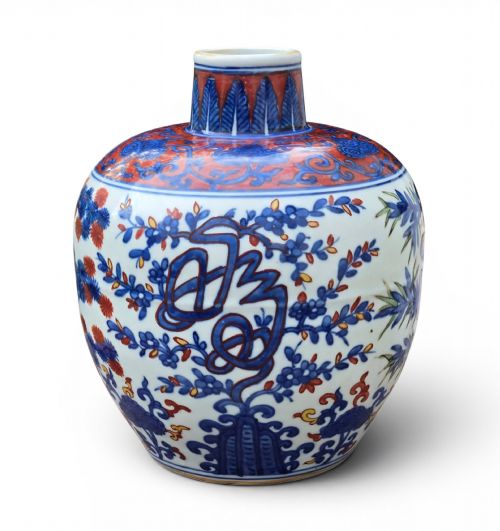
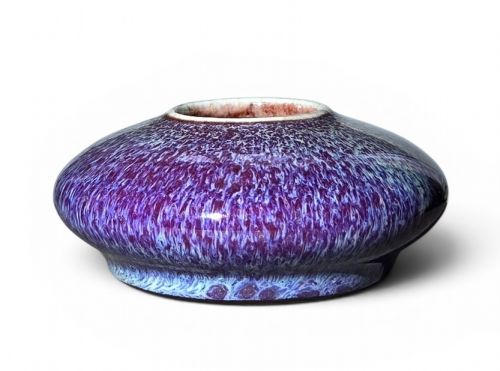
Secondary decorative techniques include enamel additions, iron-red highlights, and gilt details applied over the glaze or incorporated in doucai styles. Artisans also utilised specialised powder-blue and flambé glazes to alter the surface texture and colour gradient.
Form variations recorded on this site include vases, decorative jars, stem cups, and desk accessories like brush pots.
Assessing Quality and Execution
The fineness of the cobalt painting dictates much of the visual appeal, separating hasty commercial production from precise imperial-quality execution. Crispness in the rendering of dragons, lotus motifs, and Tibetan script indicates superior workshop standards.
The Chinese Blue Porcelain Vessel Glossary
- Cobalt Underglaze
- A blue pigment applied to the unglazed ceramic body before a transparent glaze covers the piece for firing. This technique protects the pigment from wear.
- Bitong
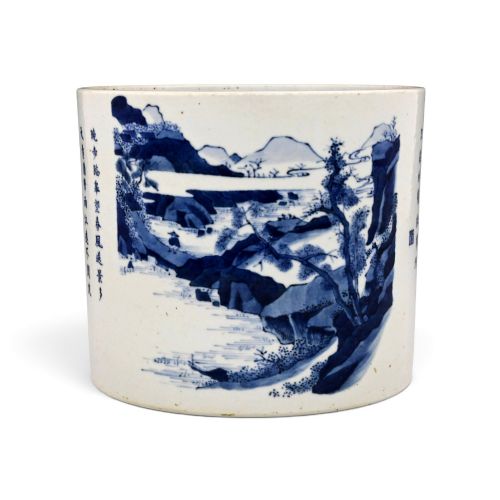
- A cylindrical Chinese brush pot utilised by scholars for holding writing implements. These vessels form a distinct category of desk accessories.
- Doucai
- A decorative technique combining underglaze blue outlines with overglaze enamels. Artisans fill in the painted contours with contrasting colours before a second, lower-temperature firing.
- Meiping
- A high-shouldered vase shape originally designed for holding plum branches. The narrow neck and expansive body create a distinct silhouette.
Chinese Blue Porcelain Vessel: Frequently Asked Questions
How were these vessels used?
Many items served practical functions in scholarly and domestic settings, such as holding ink brushes, storing wine, or containing dry goods in ginger jars.
Others functioned purely as decorative display pieces, showcasing status and artistic refinement within imperial and merchant households.
What periods do these pieces date from?
The inventory spans several centuries, featuring works from the Ming dynasty and the extensive reigns of the Qing dynasty.
Later nineteenth- and twentieth-century examples also appear frequently, often continuing traditional motifs and imperial styles.
How do I identify a brush pot?
A brush pot, or bitong, is typically a straight-sided cylindrical vessel designed to hold scholar's writing brushes.
These objects often feature detailed underglaze blue landscapes or figurative scenes carved directly into the porcelain or ceramic body.
What is a double-gourd vase?
This specific form mimics the shape of a traditional double gourd, featuring a bulbous lower body beneath a smaller upper bulb.
Symbolising fortune and longevity, these vessels provide a distinct curved silhouette that challenged the skill of the potter.