



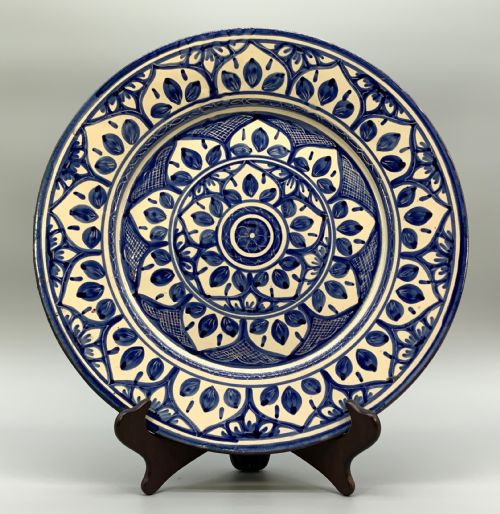
Blue White Ceramic Charger
A blue white ceramic charger brings a broad expanse of hand-painted cobalt to a wall or table, offering centuries of fired artistry.
Blue White Ceramic Charger
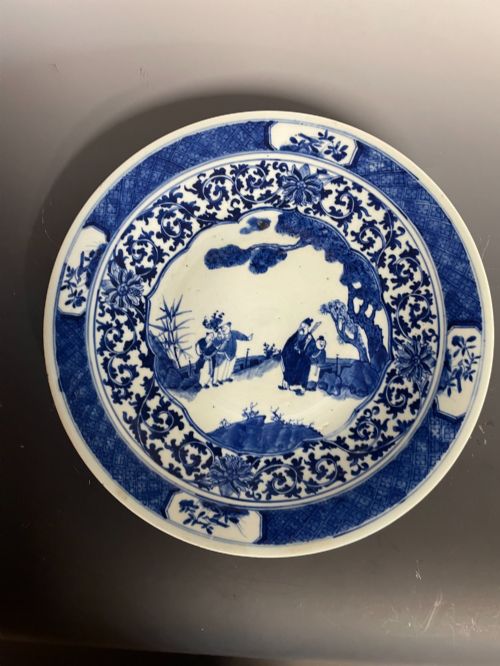
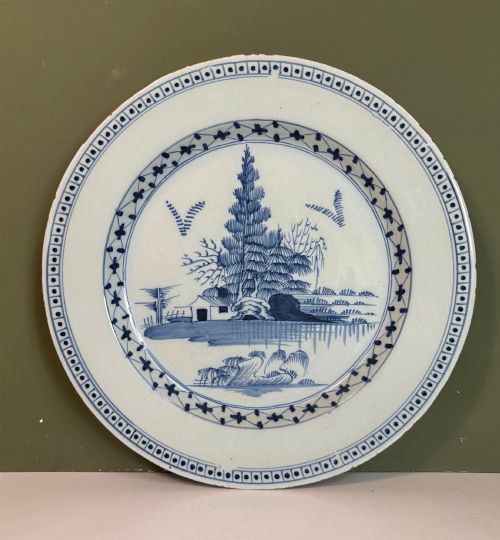
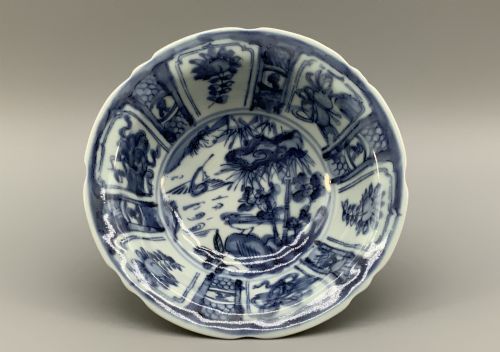
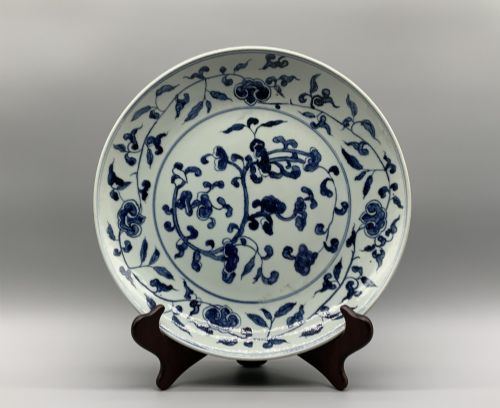
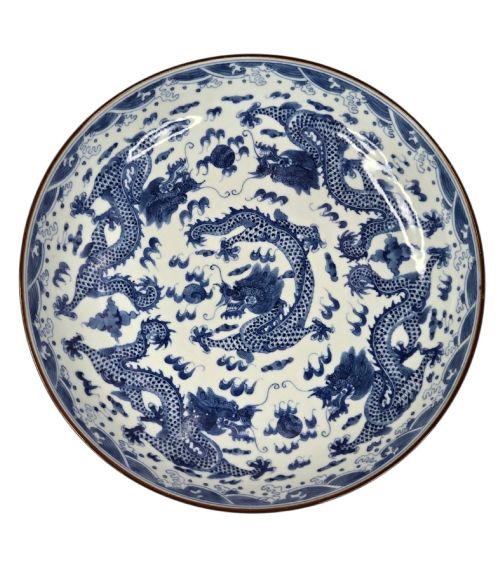
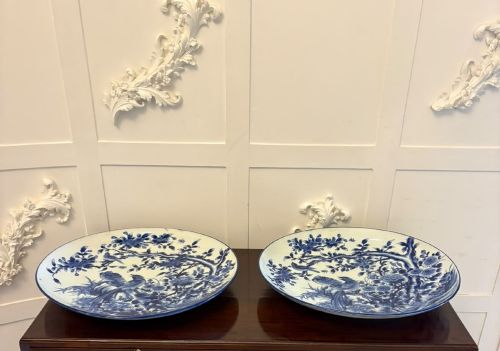
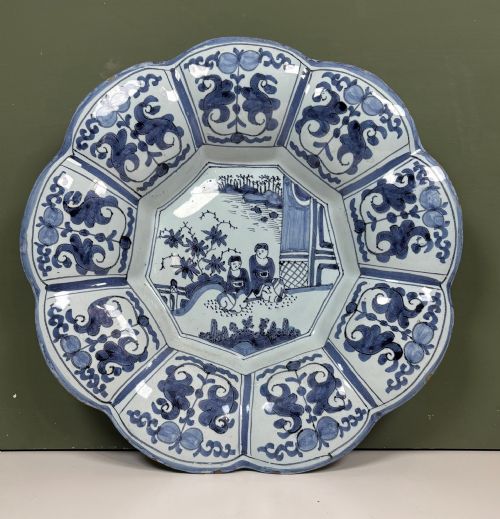
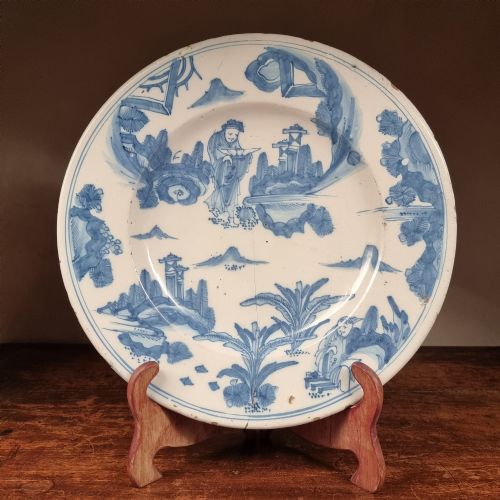
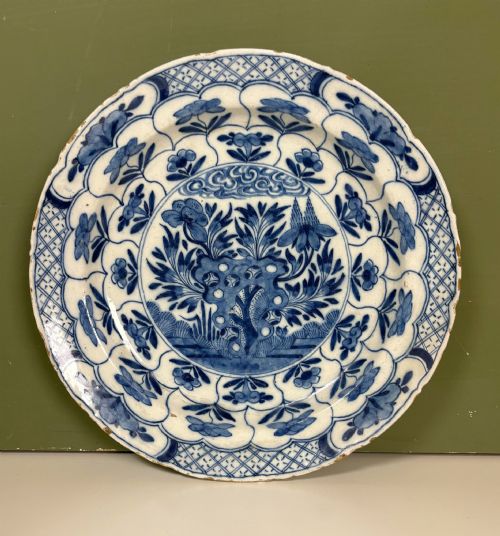
A blue white ceramic charger is a large, wide-rimmed decorative plate or serving platter designed to command attention in a room. When exploring this selection, a buyer encounters pieces originating from 17th-century European delftware kilns, Chinese export production, and Japanese Arita kilns.
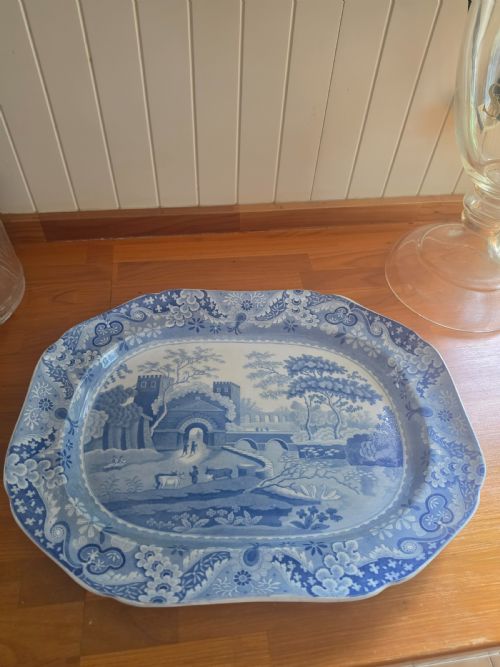
The assortment spans centuries of ceramic history, featuring English and Dutch earthenware alongside Qing dynasty porcelain and Japanese Imari output. These forms range from shallow dishes and barber's bowls to massive chargers meant for display on dresser backs and dining walls.
How They Were Made
Potters shaped these items in clay, earthenware, or porcelain before applying tin glaze, enamel, or a smooth transparent coat over cobalt pigment. Tin-glazed earthenware provided an opaque white surface that absorbed cobalt brushwork deeply during firing.
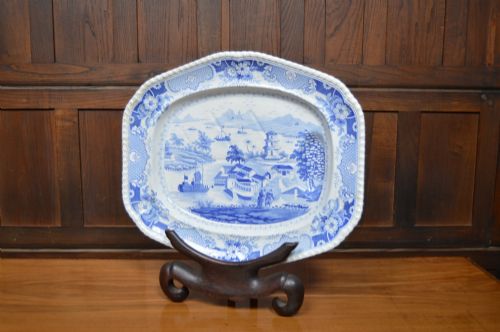
Chinese and Japanese works utilised high-fired porcelain bodies painted with cobalt minerals before glazing and kiln vitrification. English and continental potteries later adopted transfer printing alongside hand-painted methods to transfer intricate patterns onto ceramic surfaces.
Listings feature 17th-century Delftware alongside 19th-century Japanese Arita Imari and Chinese export porcelain chargers.
What Varies in Quality
Quality rests upon the crispness of the cobalt painting and the balance of the composition across a broad surface. Skilled hand-painting displays confident brushwork, depth of tone, and precise control over the cobalt pigment without muddiness.
The condition of the glaze and the stability of the ceramic body further separate standard examples from finer works. Early tin-glazed pieces often show expected edge chipping, whereas well-preserved porcelain preserves crisp cobalt definition and unblemished surfaces.
Royal Bonn·John Rogers and Son·Ambroise Michel
The Blue White Ceramic Charger Glossary
- Charger
- A large ornamental plate or platter typically measuring over twelve inches across. These pieces were historically used for ceremonial service or displayed upright on sideboards.
- Tin-Glaze
- A ceramic glaze made opaque by the addition of tin oxide, providing a white background for painted decoration. This technique defines European delftware and faience production.
- Imari
- A style of Japanese export porcelain featuring underglaze blue combined with iron red and gilt highlights. Pieces in this tradition often display rich floral and panel designs.
- Cobalt Pigment
- A metallic colorant applied beneath or over the glaze to produce deep blue tones when fired at high temperatures. It remains the defining colour for these wares.
- Kraak Style
- A Chinese porcelain design characterised by panelled borders and central landscape or animal motifs. This aesthetic heavily influenced 17th-century Dutch and English delft potteries.
Blue White Ceramic Charger: Frequently Asked Questions
How were ceramic chargers used historically?
Large chargers served grand dining tables for joint courses or acted as decorative centrepieces on sideboards. Wealthy households displayed them upright on dressers to showcase imported porcelain and tin-glazed earthenware.
Over time, their primary function shifted from practical dining service to wall hanging and decorative display. The wide rims provided an ideal canvas for narrative scenes, armorial bearings, and intricate botanical patterns.
How do I hang a heavy antique charger safely?
Displaying a large ceramic charger on a wall requires a dedicated plate hanger with coated spring grips that distribute weight evenly across the rim. Avoid wire systems that pinch narrow sections or put stress on historical glaze.
Ensure the wall fixing secures firmly into brickwork or a wall stud rather than relying on standard plaster plugs. Period earthenware and porcelain plates carry considerable weight, particularly larger examples from Chinese and Dutch kilns.
What causes crazing on tin-glazed earthenware?
Crazing occurs when the surface glaze contracts at a different rate than the underlying ceramic body during firing or through centuries of environmental expansion. Fine networks of tiny cracks appear across the tin glaze as the piece ages.
This phenomenon is standard in older earthenware and delftware due to the interaction between soft clay bodies and vitreous coatings. It does not inherently diminish historical interest provided the ceramic body remains structurally stable.