


Antique English Delftware
Antique english delftware brings together tin-glazed earthenware pieces spanning the seventeenth and eighteenth centuries, valued for their hand-painted brushwork and pigment.
Antique English Delftware
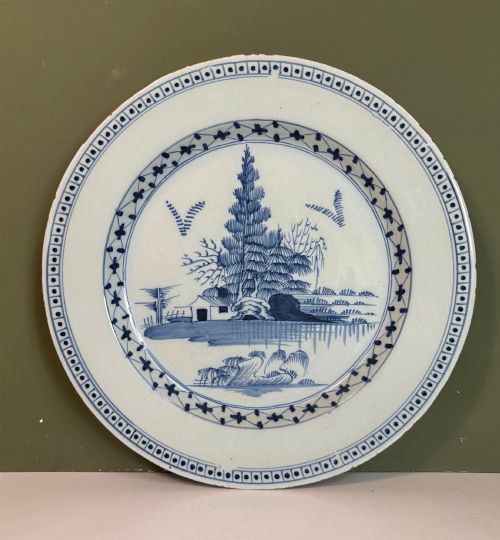
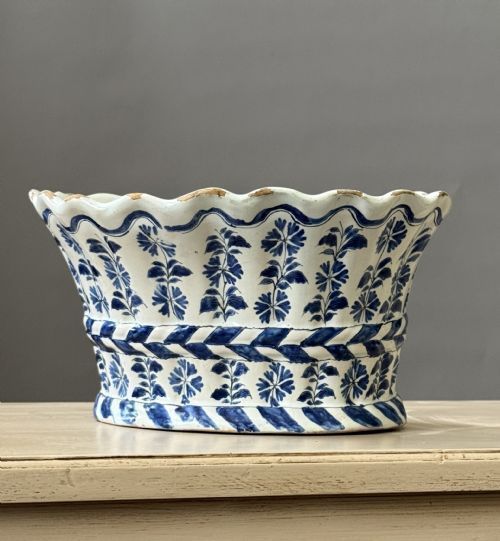
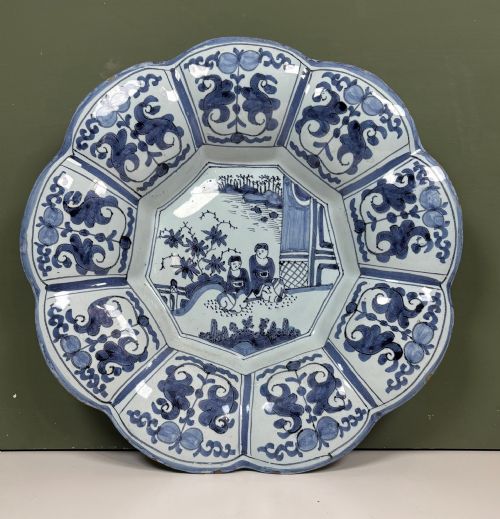
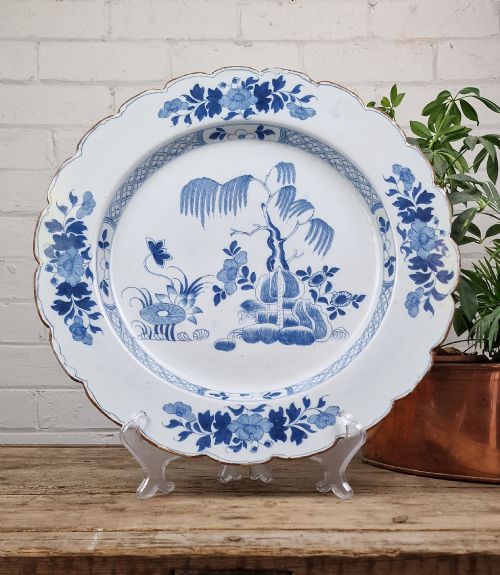
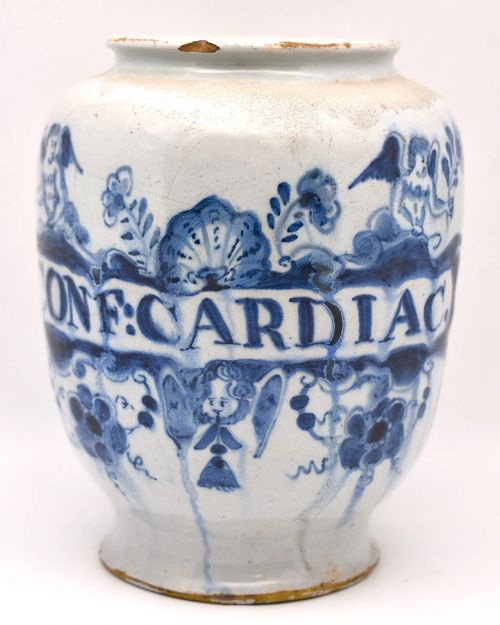
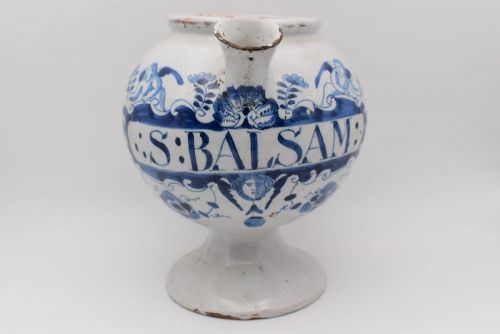
Antique english delftware encompasses earthenware vessels and wall plates coated in an opaque tin glaze, originating largely from the seventeenth and eighteenth centuries. The items most frequently encountered include chargers, decorative plates, bowls, and apothecary jars.
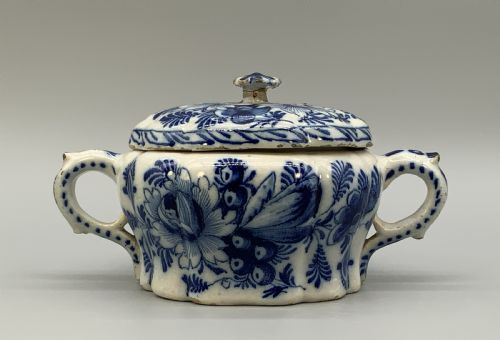
Makers shaped utilitarian forms alongside decorative items, resulting in survival pieces like posset pots, drug jars, and bough pots. The aesthetic draws on early English pottery traditions as well as Georgian chinoiserie and floral motifs.
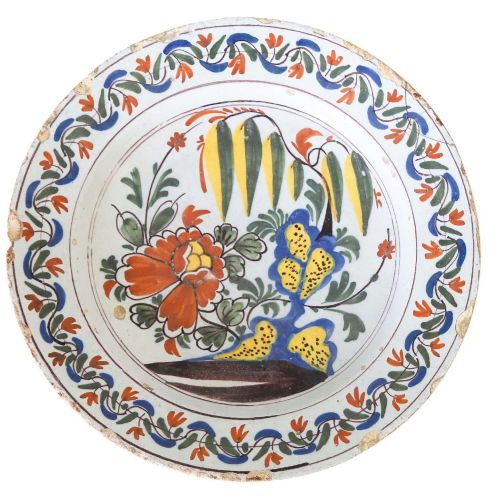
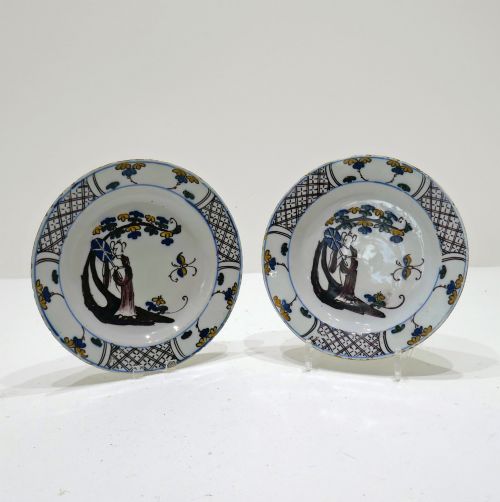
Surviving examples span domestic tableware and apothecary containers, showing blue and white or polychrome palettes. These ceramics reflect the historic output of English production centres such as Lambeth and Bristol.
How antique english delftware was made
Potters formed vessels from earthenware clay bodies and applied a tin glaze containing metallic oxides to achieve an opaque white surface. Cobalt pigment was then brushed directly onto the unfired glaze.
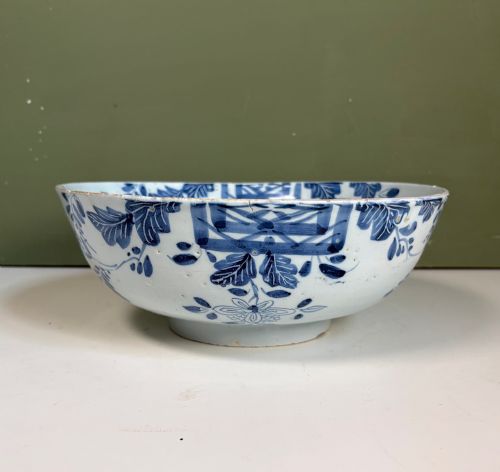
The application of cobalt oxide or mixed pigments created blue and white or polychrome designs prior to firing in a kiln. Artisans relied on hand-painted brushwork for floral decorations, inscriptions, and pictorial scenes.
Available listings feature earthenware vessels and plates decorated with cobalt pigment, spanning the seventeenth and eighteenth centuries.
What varies in quality across antique english delftware
Quality rests in the execution of the hand-painted decoration, where fluid brushwork and confident cobalt pigment application distinguish superior items. The density and smoothness of the tin glaze also influence visual appeal.
Early pieces show variation in the stability of the clay body and the adhesion of the tin glaze. Better examples maintain clear, crisp pictorial details in floral motifs or apothecary markings without excessive blurring.
The Antique English Delftware Glossary
- Tin glaze
- An opaque white ceramic glaze containing tin oxide that provides a smooth ground for painted decoration. It absorbs cobalt pigment during the firing process.
- Charger
- A large decorative plate intended for display on walls or sideboards rather than dining use. These items often feature pictorial or floral designs.
- Posset pot
- A two-handled lidded vessel used historically for serving a spiced milk and wine drink. Surviving examples often display dated inscriptions or heraldic motifs.
- Drug jar
- An apothecary vessel designed to hold dry or wet medicinal preparations, frequently labelled with Latin abbreviations. These jars often feature painted cartouches and cherub or shell decorations.
- Polychrome
- A multi-coloured decorative scheme utilising several pigments alongside cobalt blue. This style allowed potters to incorporate green, yellow, and red hues into floral patterns.
- Chinoiserie
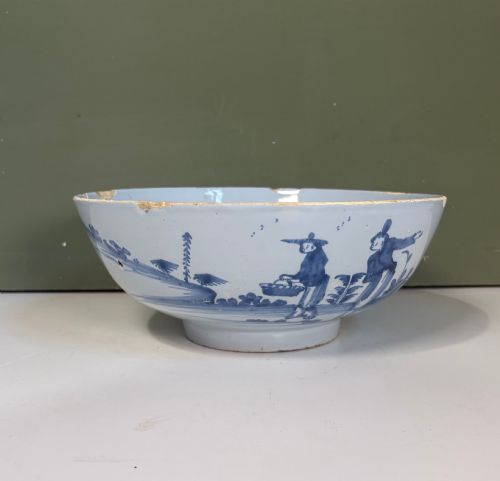
- European decorative motifs inspired by Chinese artistic traditions and export porcelain. Artisans adapted these orientalist landscapes and figures onto domestic earthenware plates.
Antique English Delftware: Frequently Asked Questions
What is antique english delftware made from?
These pieces consist of a buff earthenware clay body coated with a tin-glazed surface. Cobalt pigment and other metal oxides form the painted decoration applied over the glaze.
The resulting ceramic requires careful firing to bond the opaque white surface with the underlying clay, creating the characteristic ground for seventeenth and eighteenth-century designs.
How were apothecary jars used?
Apothecaries utilised drug jars to store wet or dry medicinal substances in clinical or domestic settings. The painted labels identified specific contents like balsam or cardiac preparations.
Such containers stood on shelves or in cabinets, combining functional storage with decorative iconography such as cherubs, shells, and painted cartouches.
How do I care for tin-glazed earthenware?
Display these items away from direct moisture and rapid temperature fluctuations to protect the porous earthenware body and tin glaze. Hand cleaning should avoid harsh abrasives.
Placing chargers and plates securely on dedicated stands prevents structural stress, while careful handling preserves the fragile painted surfaces from chipping.
How can I distinguish period pieces?
Examine the composition of the tin glaze, hand-painted brushwork, and potting characteristics typical of seventeenth and eighteenth-century production centres. Pigment behaviour under the glaze offers clues to age.
Matching forms against documented examples from Lambeth or Bristol helps clarify the likely origin and period of manufacture.