



18th Century Tin Glazed Dish
An 18th century tin glazed dish brings rich ceramic history to a room, offering collectors bold cobalt or polychrome hand-painted surfaces.
18th Century Tin Glazed Dish
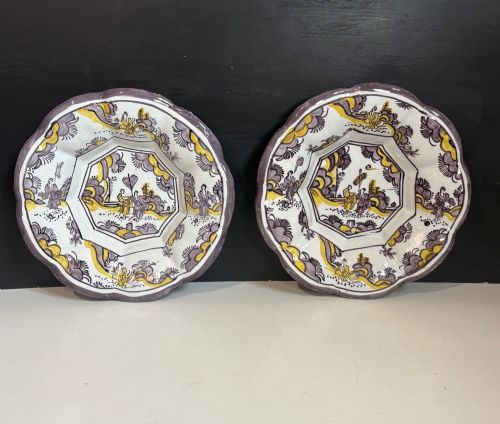
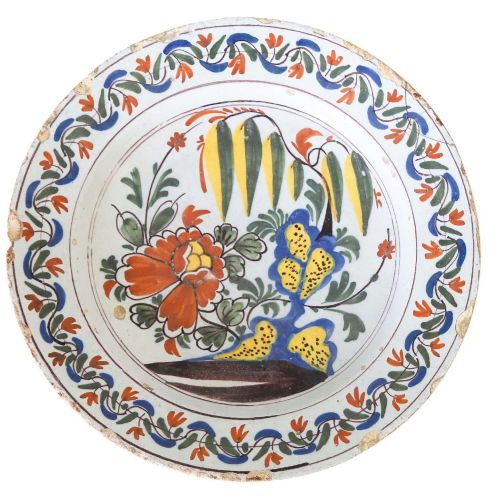
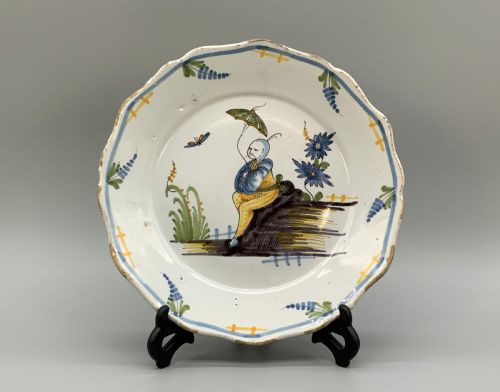
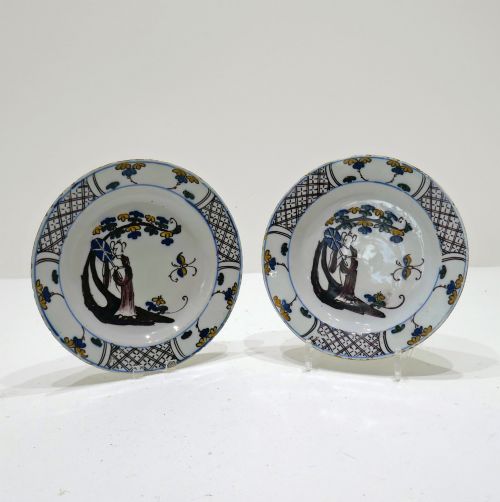
When you search for an 18th century tin glazed dish, you encounter earthenware tablewares and display pieces spanning chargers, shallow bowls, and plates. These items originate from English, Dutch, French, Spanish, and German workshops working within the broader European faience and delftware tradition.
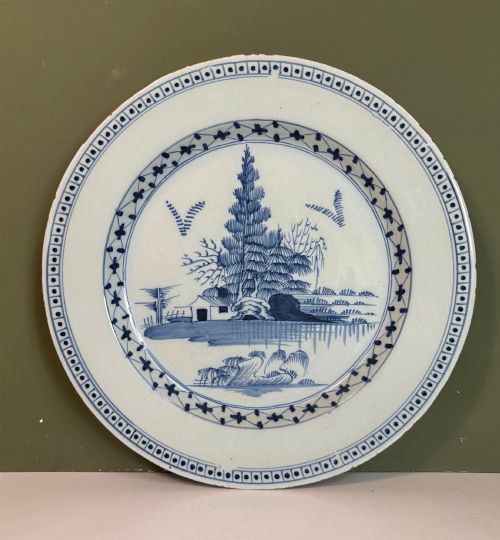
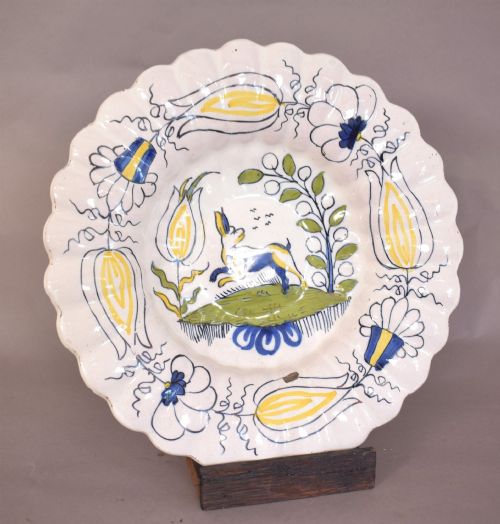
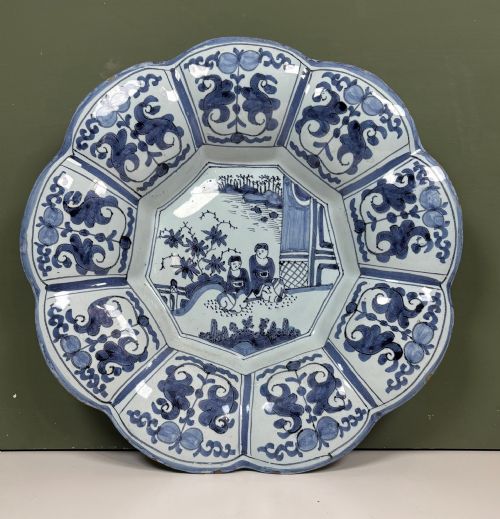
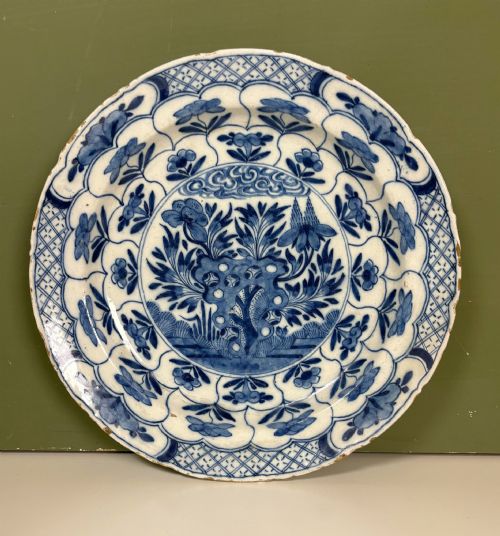
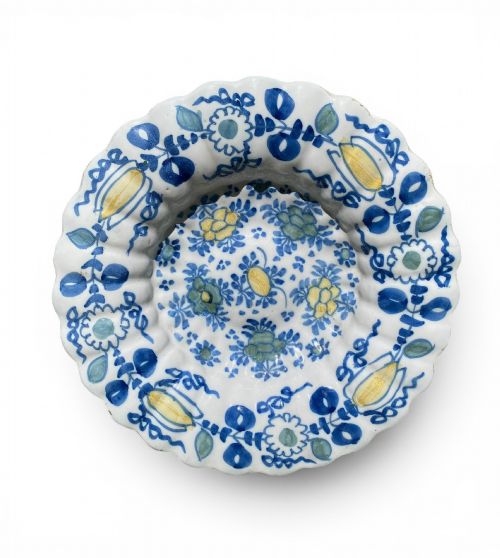
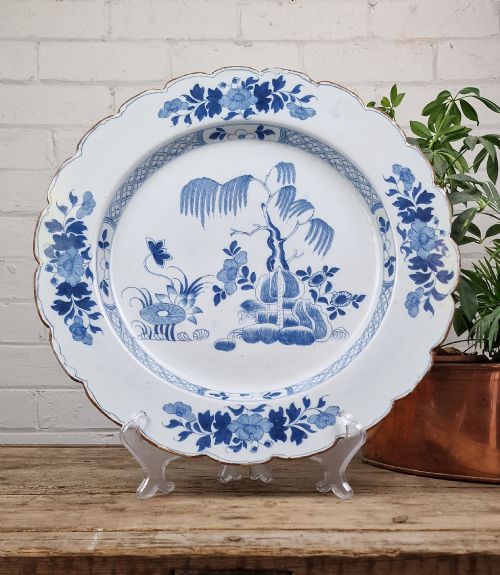
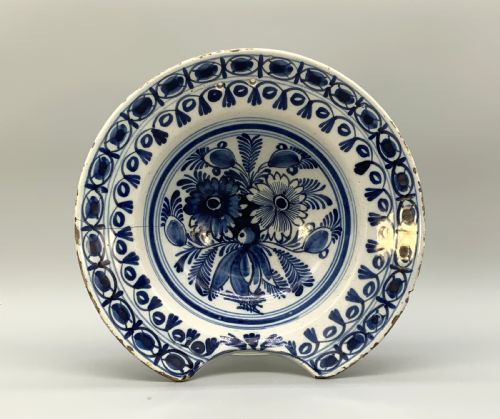
The most common version met on this page is the large circular charger or plate decorated with blue and white pigment or polychrome floral and geometric motifs. Specialist forms such as barber's bowls, salt cellars, sweetmeat presentiers, and heart-shaped dishes also appear amongst the standard domestic plates.
Pieces frequently reflect Georgian styles, Dutch Baroque designs, and Georgian Chinoiserie interpretations. Production dates cluster primarily around the eighteenth century, drawing from seventeenth-century roots and extending toward eighteen hundred.
How they were made
Potters shaped these objects from earthenware clay before coating the biscuit body in a white tin-glaze that provided an opaque, smooth canvas for decoration. Artisans applied cobalt oxide and other pigments directly onto the absorbent unfired glaze, a technique requiring immense precision as any brushstroke error became permanent during the kiln firing.
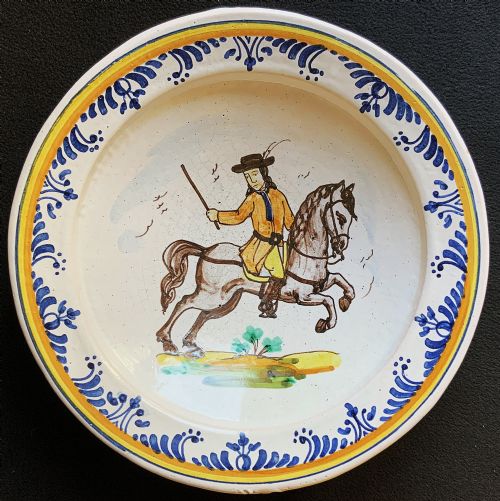
Palettes relied heavily on cobalt pigment for blue and white wares, alongside manganese, yellow, and polychrome pigments for brighter floral and figural scenes. Workshops across England, the Netherlands, and continental Europe utilised local clays and traditional kiln stacking methods unique to each pottery region.
Listings feature earthenware bodies combined with tin-glaze and cobalt pigment across 18th century periods.
What varies in quality
Quality rests upon the crispness of the hand-painted decoration and the harmony of the glaze surface. Superior examples display confident, fluid brushwork in the cobalt or polychrome palette, whereas lesser items show hurried or crude execution.
The stability and coverage of the tin glaze across the earthenware body dictate the visual appeal. Potters who achieved an even, luminous glaze layer elevated the depth of the underlying pigment and the overall presence of the dish.
The 18th Century Tin Glazed Dish Glossary
- Tin-Glazed Earthenware
- Earthenware pottery covered with an opaque white glaze containing tin oxide. This coating creates a smooth, milky surface suitable for painted decoration.
- Charger
- A large decorative plate or dish intended primarily for display on walls or sideboards rather than everyday dining use. These pieces often measure significantly wider than standard table plates.
- Polychrome
- Decoration employing multiple colours rather than a single pigment. On these ceramics, this typically includes combinations of blues, yellows, greens, and manganese purples.
- Chinoiserie
- European artistic style reflecting Chinese motifs and aesthetic themes. Artisans interpreted Asian landscapes and figures through local pottery traditions.
- Barber's Bowl
- A specialised basin featuring a semicircular cutout on the rim to fit against a customer's neck. These vessels were utilised during shaving and bleeding practices.
- Faience
- European tin-glazed earthenware produced outside of traditional Italian majolica centres, particularly in France, Germany, and Spain.
18th Century Tin Glazed Dish: Frequently Asked Questions
What is an 18th century tin glazed dish?
An 18th century tin glazed dish is an earthenware ceramic piece coated in an opaque white glaze and decorated with hand-painted mineral pigments. These objects include plates, chargers, and bowls produced across European pottery centres.
Potters painted directly onto the porous glaze before firing, creating enduring designs ranging from simple blue and white patterns to vibrant polychrome scenes.
How were these dishes used originally?
Many large chargers and decorative dishes served as wall ornaments or sideboard displays in prosperous households. Smaller plates and specialised forms saw use during meals or specific domestic tasks.
Specialist vessels such as barber's bowls fulfilled practical grooming functions, while sweetmeat dishes held confectionery for guests.
How do you display them safely?
Displaying these ceramic pieces requires secure wall hangers designed specifically for heavy earthenware plates and chargers. Keeping them away from high-traffic areas prevents accidental knocks.
Placing them on stable shelving or dedicated plate stands protects the fragile earthenware edges and preserves the glaze.
How do you distinguish English from Dutch pieces?
Distinguishing English delftware from Dutch delft often involves examining the clay body, glaze tone, and distinctive palette choices of specific pottery towns like Bristol or Lambeth. English factories frequently utilised a slightly softer pinkish earthenware body.
Regional painting styles and characteristic manganese or blue tones also help assign pieces to particular European origins.