





18th Century Salt Cellar
An 18th century salt cellar is a dining table essential designed to hold loose salt, bringing period craftsmanship and domestic history straight to the table.
18th Century Salt Cellar
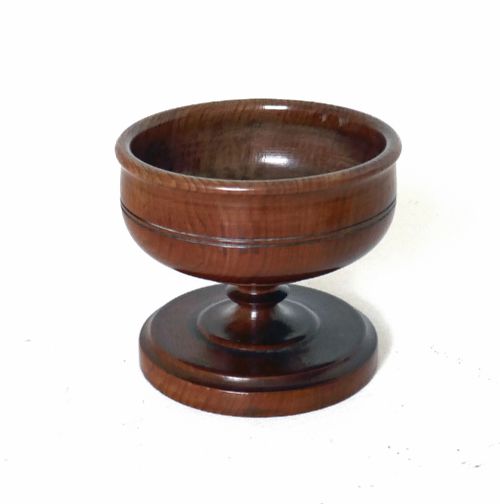
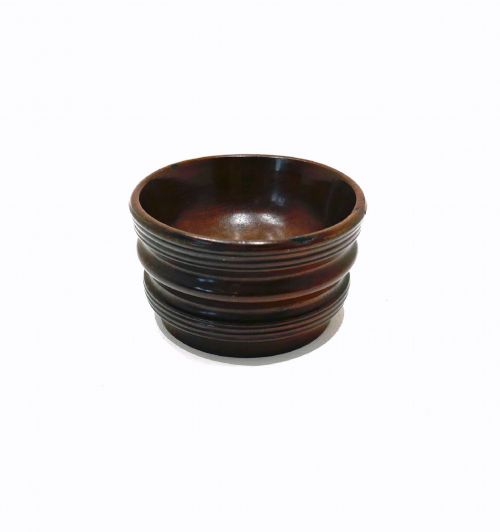
The domestic interior of the period relied on these containers for daily dining, ranging from simple trenchers to ornate porcelain figures. Collectors encounter various forms, including wooden turned salts on raised bases and silver bowls bearing hallmarks from English and Scottish makers.
How they were made
The wooden examples demonstrate skilled lathe turning using dense native timbers like yew and laburnum. Artisans shaped these pieces to create smooth, rounded profiles that highlight the natural grain.
Silver versions involve casting and silversmithing techniques, resulting in structured bowls with defined rims and feet. Ceramic and enamel pieces combine moulded earthenware with hand-painted blue and white decoration or polychrome enamelling.
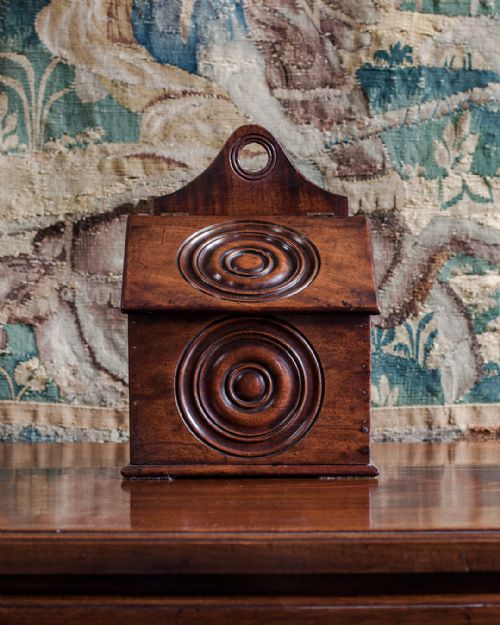
Listings feature items spanning the 18th and 19th centuries, incorporating silver, brass, yew wood, laburnum, mahogany, enamel, and copper.
What varies in quality
Quality in these vessels depends upon the crispness of the turning or the clarity of the silversmith's marks. Superior wooden examples display a rich depth of tone and clean proportions on the raised base.
The refinement of the painted decoration on enamel and delftware distinguishes finer items from standard domestic wares. Balance in paired sets and the preservation of original surfaces dictate the standing of each piece.
David Hennell·John Edmonstone·Edward Wood·Meissen
The 18th Century Salt Cellar Glossary
- Trencher salt
- A small individual salt cellar designed to sit beside the diner's plate. These portable vessels usually feature a flat or slightly depressed top surface.
- Monteith
- A bowl with a scalloped rim originally used for chilling glasses. Some Georgian variations served broader domestic functions on the dining table.
- Sweetmeat
- A small confection or dainty served during dessert courses. Figures often hold bowls designed to contain these sweet treats alongside table salt.
18th Century Salt Cellar: Frequently Asked Questions
What is an 18th century salt cellar?
An 18th century salt cellar is a small table vessel used to serve loose salt before the era of modern shakers. They reflect the dining customs of Georgian households through materials ranging from silver to turned wood.
These pieces sat upon the dining table either individually or in matched pairs. Their designs evolved from simple wooden trenchers to ornate silver and porcelain forms.
How were salt cellars used?
Dinners in the 18th century relied on salt cellars placed around the table for guests to help themselves using a small spoon or pinch. Salt was an expensive commodity, making the container an important display of household status.
Wealthy homes used precious silver or fine porcelain pairs, while simpler households utilised turned wooden treen or delftware dishes. They occupied a central position in the hierarchy of table service.
How do I date silver salts?
Dating silver salt cellars involves reading the hallmarks stamped into the metal by the silversmith and assay office. These marks reveal the year of manufacture and the maker's identity.
Stylistic cues such as cabriole legs, beaded rims, or specific Georgian profiles also assist in determining the era. Comparing pieces to dated examples in archives confirms their period.
How do I care for wooden treen?
Wooden treen salts require protection from direct sunlight and extreme changes in humidity to prevent the timber from splitting. Regular gentle dusting preserves the natural finish of yew wood and laburnum.
Moisture should be kept away from antique wood surfaces to avoid staining the grain. Applying appropriate natural waxes helps maintain the lustre without harming the material.