



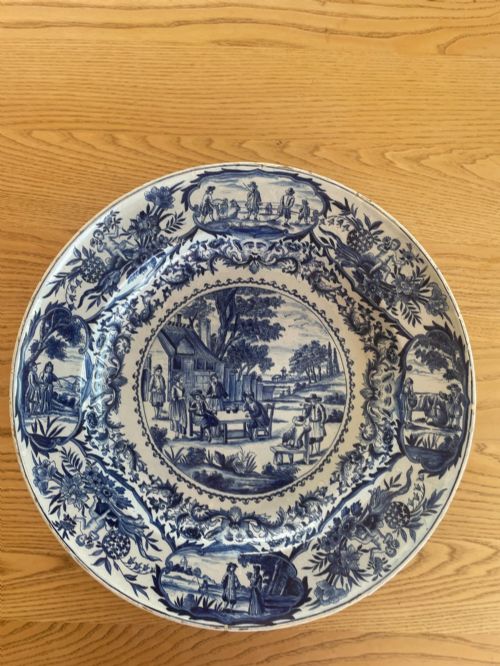


Cobalt Blue Delft Plate
A cobalt blue delft plate brings hand-painted tin-glazed earthenware into a room, offering centuries of historic blue and white charm.
Cobalt Blue Delft Plate
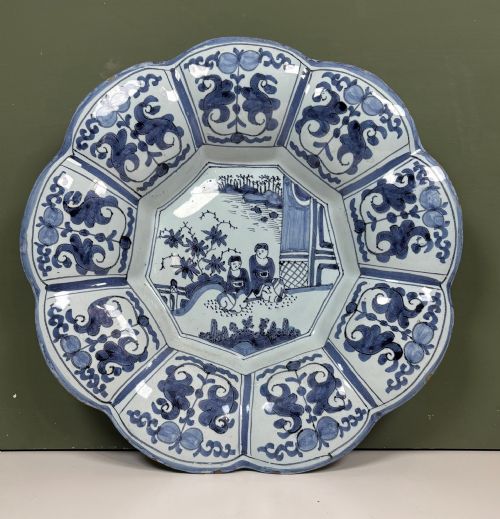
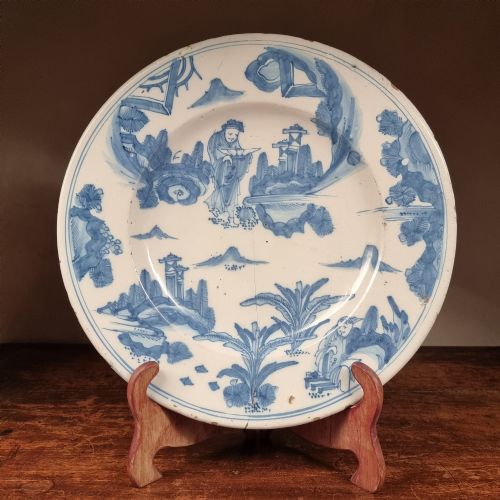
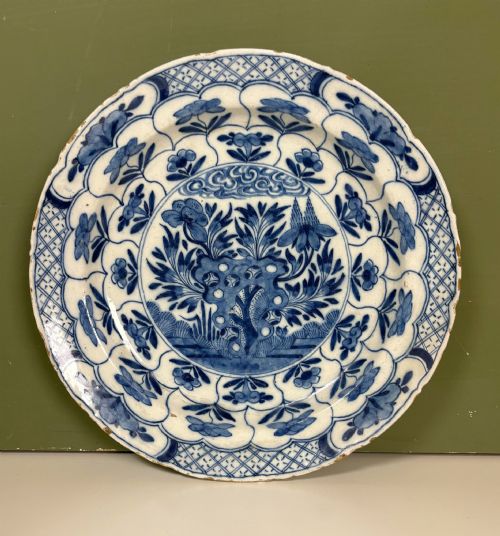
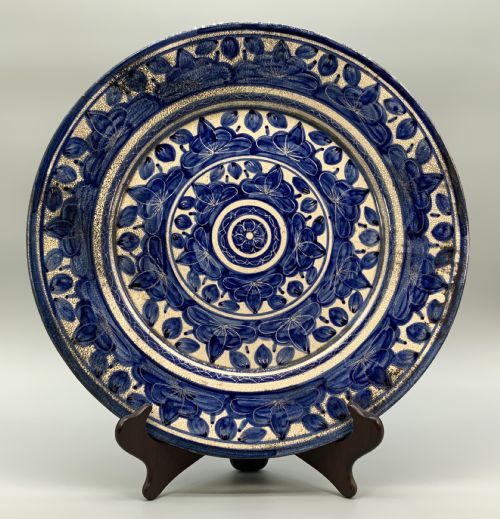
A cobalt blue delft plate is a ceramic dish covered in a white tin glaze and decorated with blue pigments. When searching for a cobalt blue delft plate, buyers encounter circular chargers, shallow bowls, and flat tableware spanning several centuries of European production.
The selections on this page concentrate heavily on 18th century pieces alongside examples from the 17th and 19th centuries. English and Dutch workshops dominate the offerings, appearing primarily as large chargers or domestic plates decorated with blue painting.
Forms range from intimate small plates to grand wall chargers measuring over thirty centimetres across. Many follow traditional blue and white Chinese porcelain inspirations, while others display distinct Dutch baroque or Moorish stylistic influences.
How they were made
Potters formed these pieces using earthenware clay, shaping plates and large chargers on a wheel or in a mould before an initial kiln firing. Once hardened into biscuit ware, the body received an opaque tin glaze containing metallic oxides to create the signature white background.
Painters applied cobalt oxide pigments directly onto the absorbent unfired glaze using fine brushes. A final transparent lead glaze was sometimes added before the high-temperature glost firing fixed the cobalt into its characteristic deep blue tones.
Some historic plates bear cheerful house names like 'The White Star' painted right on the back.
What varies in quality
Quality rests primarily in the crispness of the cobalt painting and the stability of the tin glaze over the earthenware body. Superior examples display confident brushwork with sharp botanical or figural motifs, whereas lesser pieces show blurred pigments or pooling glaze.
The physical weight and uniform thickness of the ceramic body also separate standard domestic plates from exhibition-grade chargers. Age-related wear on the soft tin-glazed edges naturally occurs, but the integrity of the painted surface remains the primary visual measure.
Van Genden·De Witte Ster
The Cobalt Blue Delft Plate Glossary
- Tin Glaze
- An opaque white ceramic glaze containing tin oxide that provides the luminous background for blue painting. It creates a slightly soft surface prone to minor edge chipping.
- Charger
- A large decorative plate traditionally intended for display on a sideboard or wall rather than for daily dining use. These substantial dishes measure significantly wider than standard plates.
- Cobalt Pigment
- A metallic colourant used under the glaze to produce deep blue painted designs that withstand high kiln temperatures without fading. It forms the visual heart of traditional delftware.
- Delftware
- Tin-glazed earthenware produced in Dutch and English potteries, particularly associated with blue and white decoration inspired by imported Asian porcelain. It spans several centuries of ceramic history.
- Earthenware
- A porous, low-fired ceramic body that requires a tin glaze to become impermeable to liquids. It forms the foundational structure of all traditional delft plates.
Cobalt Blue Delft Plate: Frequently Asked Questions
Were these plates used for dining?
Many smaller dishes served functional roles at the table, while larger chargers functioned primarily as display pieces in historic interiors.
Their soft tin-glazed surfaces meant they accumulated wear easily during active household use.
How do I date a delft plate?
Dating relies on stylistic shifts in the blue painting, the thickness of the earthenware body, and the characteristics of the tin glaze.
Earlier pieces from the seventeenth century often feature heavier bodies and looser painterly motifs compared to finer eighteenth-century productions.
Are English and Dutch delft different?
English and Dutch potteries shared very similar tin-glazing techniques and blue pigments, making exact attribution challenging.
English centres like Bristol and London developed local variations, yet both traditions drew heavily on Chinese export porcelain aesthetics.
How should I display a charger?
Large chargers look best mounted securely on walls using specialist plate hangers or displayed upright on sturdy dressers.
Keep them away from direct moisture and sudden temperature shifts to protect the historic earthenware and glaze.