



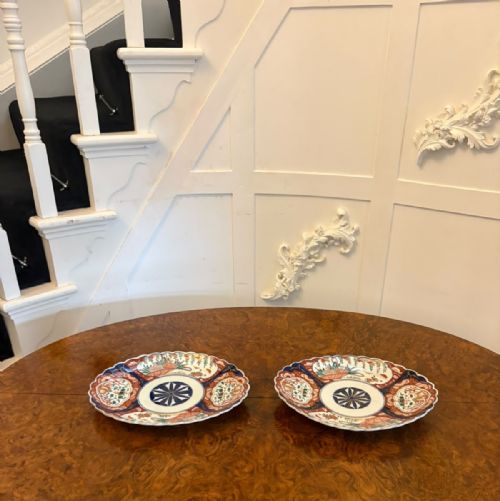


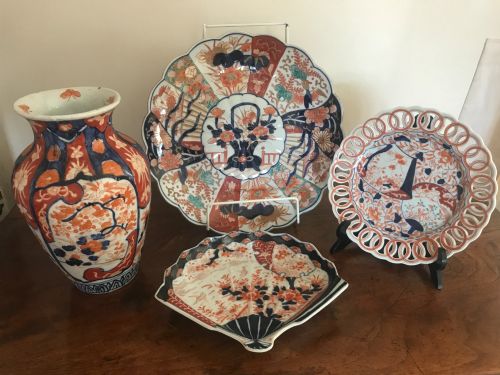
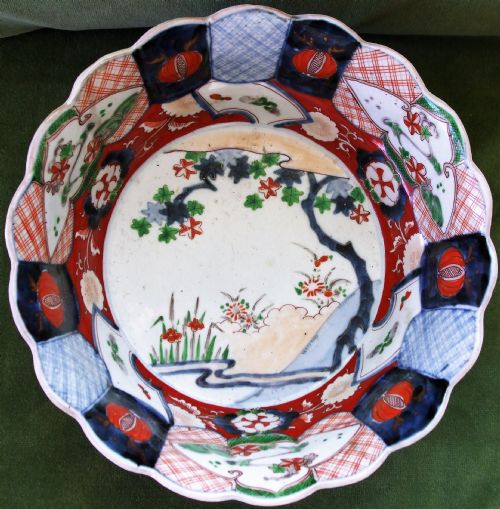
Blue Red Imari Dish
A blue red imari dish brings together rich cobalt underglaze and iron red enamel, offering a striking display of ceramic artistry for the home.
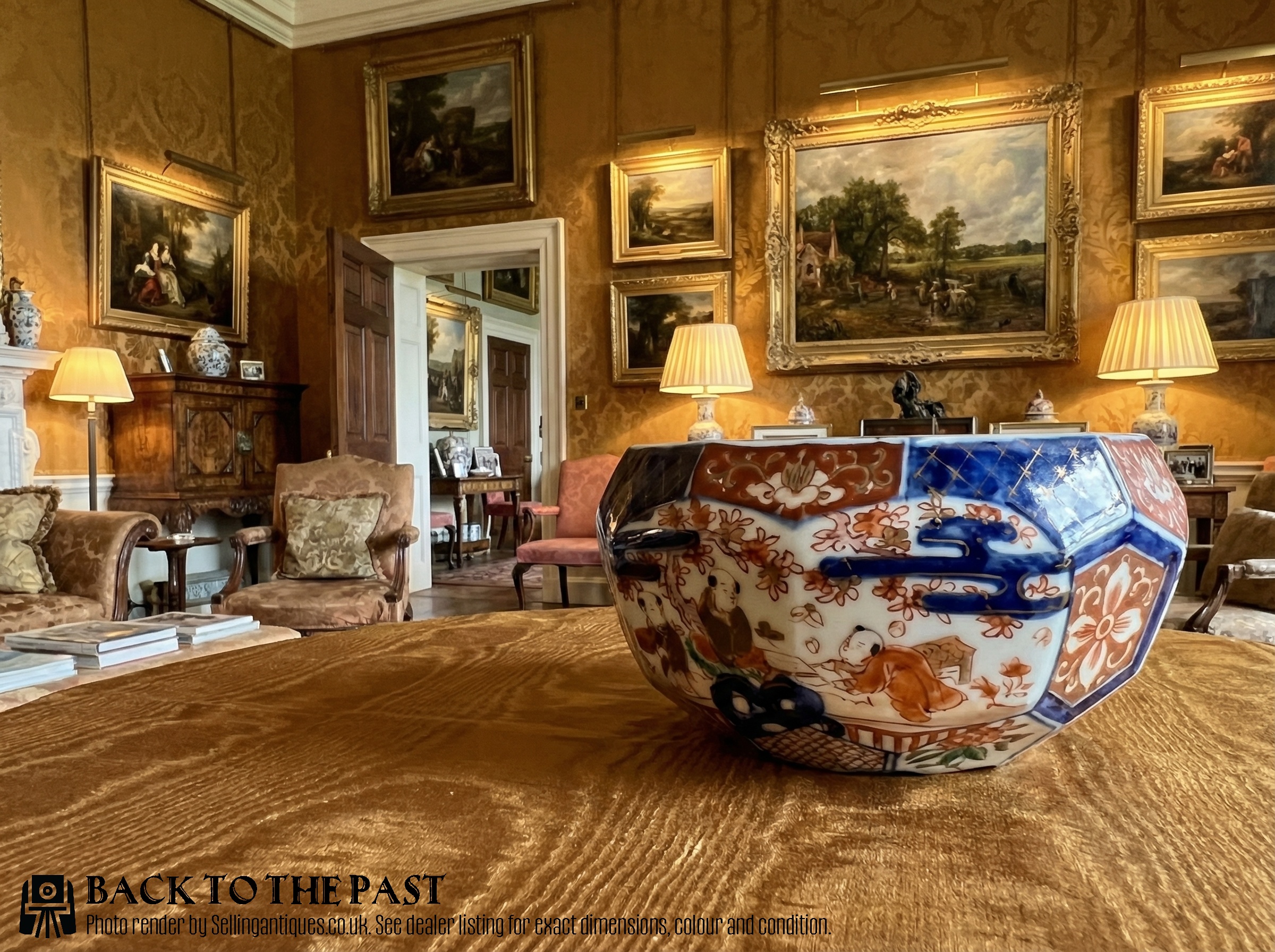
Blue Red Imari Dish
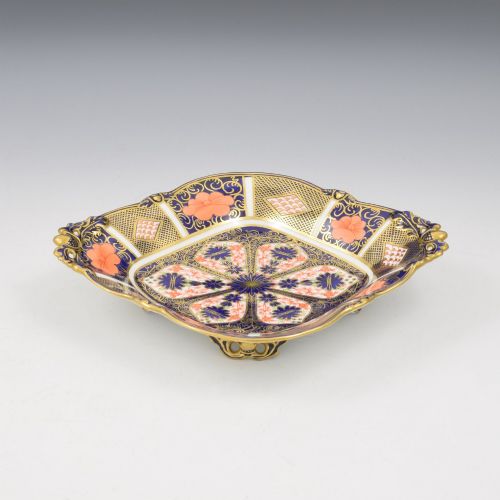
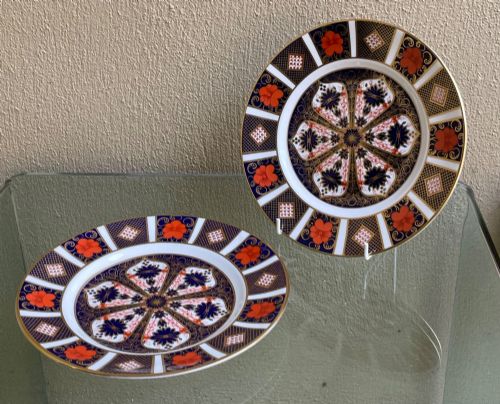
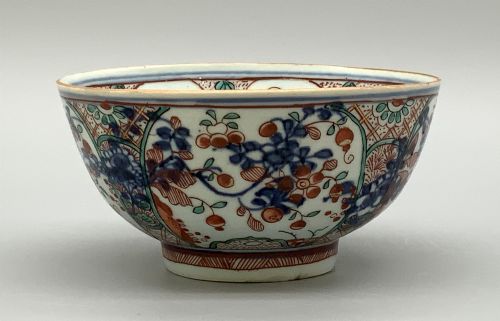
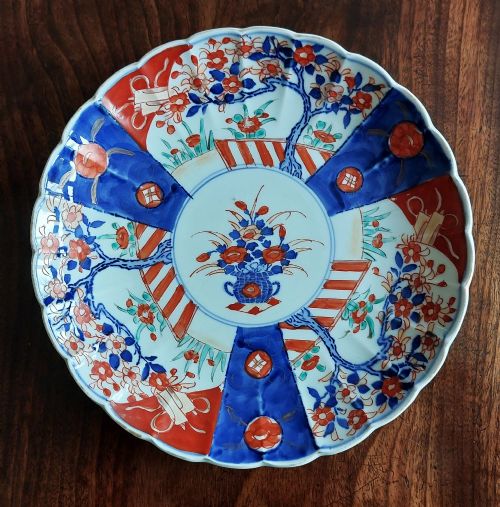
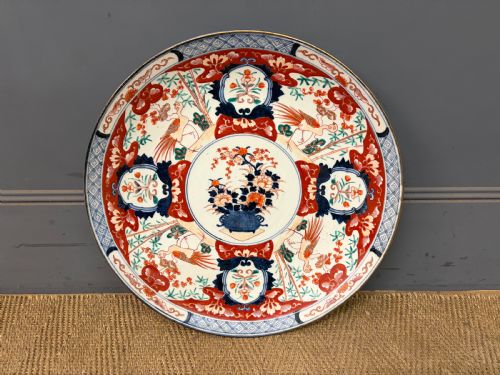
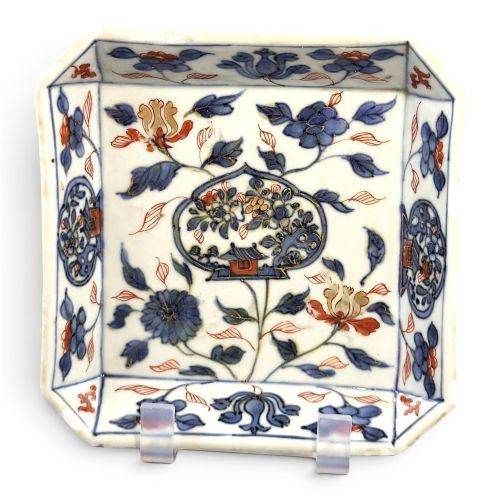
When searching for a blue red imari dish, a buyer examines a striking ceramic form defined by a distinct palette of cobalt blue and iron red, frequently enhanced with gold leaf. These decorative vessels appear across several distinct periods, spanning eighteenth-century Chinese Kangxi examples to nineteenth-century Japanese Meiji pieces and twentieth-century English ironstone.
The versions most commonly met on this page are Japanese Imari plates, chargers, and bowls originating from the Meiji period and around nineteen hundred. Alongside these Asian ceramics, English Georgian ironstone comports styled in the Imari manner also emerge in the listings.
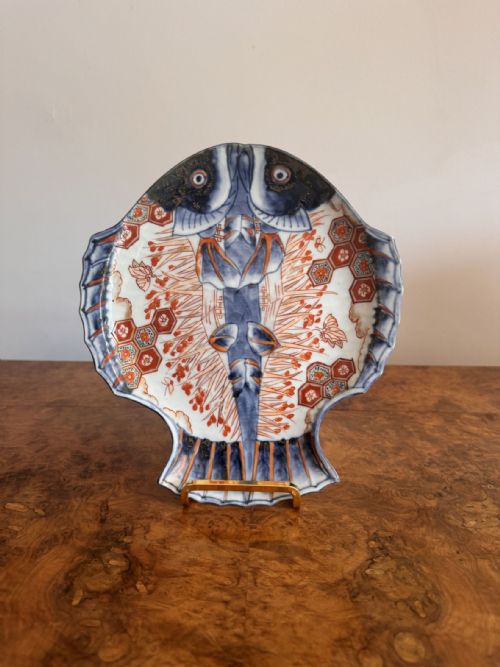
Forms vary from standard circular plates and deep bowls to scalloped edges, hexagonal outlines, oval dishes, and unusual shapes moulded like fish. Buyers encounter both single decorative pieces and matched pairs designed for display.
How they were made
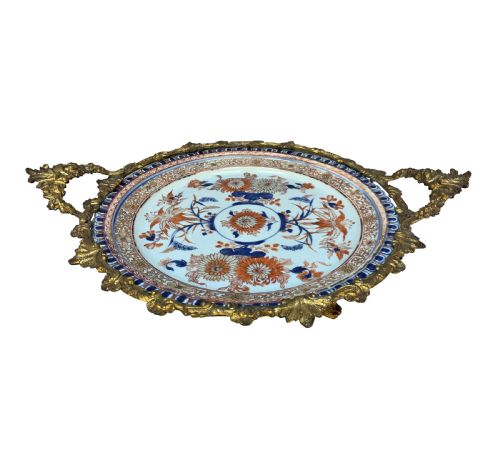
Makers shaped these items from porcelain, bone china, and ceramic bodies before applying underglaze cobalt blue pigment. Artisans then added iron red enamel and gilding over the glaze, occasionally mounting pieces in ormolu for a more decorative finish.
Firing techniques fixed the deep blue beneath the glaze while subsequent low-temperature firings set the vibrant red enamel and gold leaf details onto the surface. Skilled hands hand-painted intricate floral and exotic bird designs across the ceramic canvas.
Blue Red Imari Dish Retail Price Guide 2026
Typical asking prices for blue red imari dish among the pieces listed under this phrase on Sellingantiques today, from the lower quarter to the upper quarter. They describe what is for sale here now, not the wider market.
Fish-shaped plates swim among the bowls, proving artisans occasionally let their dinner catch inspire their kilns.
What varies in quality
The standard of painting defines the division between ordinary production and superior examples, with finer pieces exhibiting exceptional brushwork in the floral and bird motifs. Precision in the moulding of scalloped edges, hexagonal forms, and fish shapes also signals higher craftsmanship.
Preservation of the delicate iron red enamel and gold leaf across the glazed porcelain surface determines the overall visual impact of the dish. Pieces demonstrating unusual forms, such as ormolu mounts or square contours, often represent a more ambitious level of manufacture.
Royal Crown Derby
The Blue Red Imari Dish Glossary
- Imari Style
- A decorative ceramic tradition characterised by a palette of cobalt blue, iron red, and gold. This aesthetic originated in Japan and heavily influenced later European porcelain and ironstone production.
- Meiji Period
- A Japanese historical era spanning from eighteen sixty-eight to nineteen twelve, noted here for producing intricate porcelain plates and chargers with floral and bird designs.
- Kangxi Period
- An eighteenth-century Chinese dynastic era associated with finely potted porcelain bowls and dishes decorated in the Imari manner. Pieces from this time display great refinement in their cobalt underglaze.
- Comport
- A decorative footed dish or low bowl raised above the table surface, used historically for serving fruit or sweets. In these listings, they appear in English ironstone with Japan patterns.
- Charger
- A large decorative plate intended primarily for display on a wall or sideboard rather than for dining use. These substantial vessels often showcase the fullest expression of the Imari palette.
Blue Red Imari Dish: Frequently Asked Questions
How do I display a charger?
Large chargers and decorative plates work well mounted on walls using secure plate hangers or supported safely on sturdy display stands across a sideboard. Their striking blue red imari palette commands visual attention in a room.
Ensure the mounting method protects the ceramic edge, particularly on pieces with delicate scalloped or hexagonal contours. Positioning them away from direct foot traffic prevents accidental knocks.
Were these dishes used for dining?
While many historic ceramic vessels served functional dining purposes, items featuring extensive gold leaf and delicate enamel work were primarily intended for decorative display. Comports and bowls often held food during formal dining, whereas chargers served as ornamental accents.
Modern owners generally treat these porcelain and ironstone pieces as decorative works of art rather than everyday tableware. Careful handling preserves the hand-painted floral and bird motifs.
How do I date an Imari piece?
Dating relies on examining the characteristics of the porcelain body, the style of the cobalt blue underglaze, and the application of the iron red enamel. Clues also emerge from the recorded period styles, such as Japanese Meiji production or eighteenth-century Chinese Kangxi manufacture.
Comparing the shape, whether a scalloped edge or a fish form, alongside any backstamps helps narrow the timeline. Reference guides assist in matching stylistic markers to specific eras.