



Blue Porcelain Wall Plate
A blue porcelain wall plate brings centuries of kiln craft and painted cobalt to vertical display.
Blue Porcelain Wall Plate
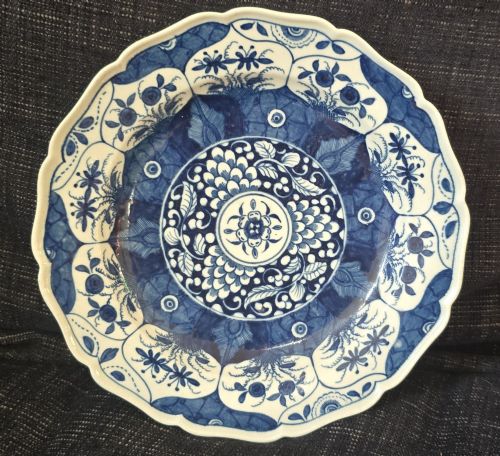
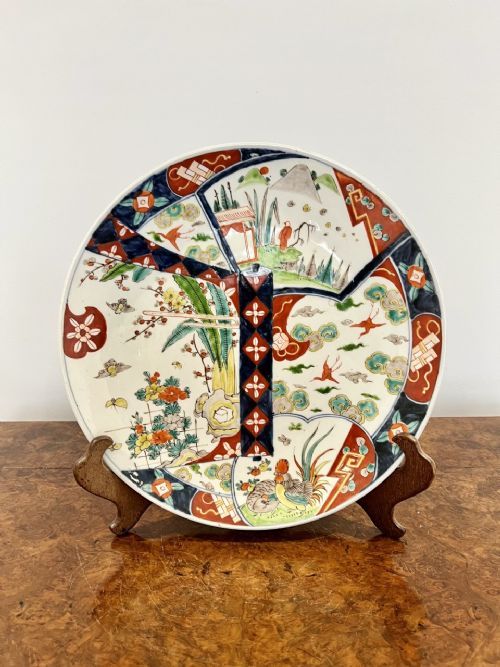
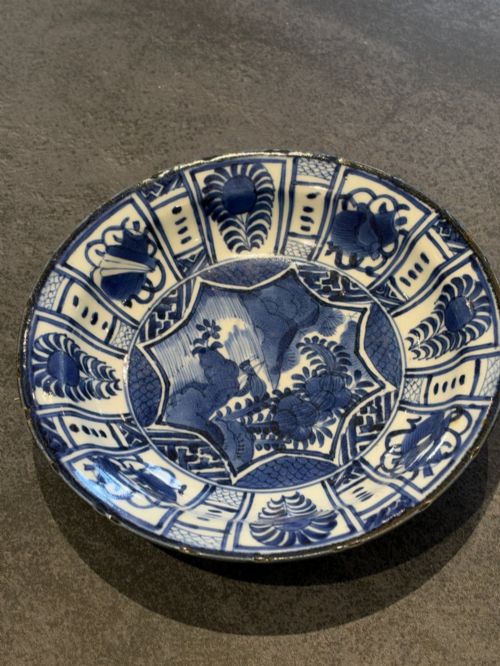
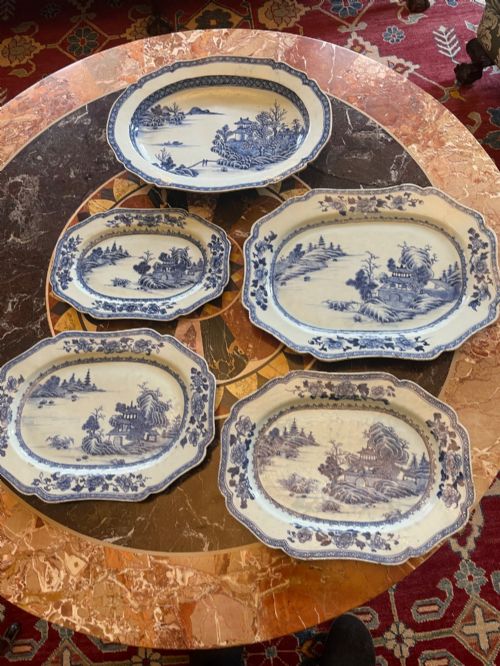
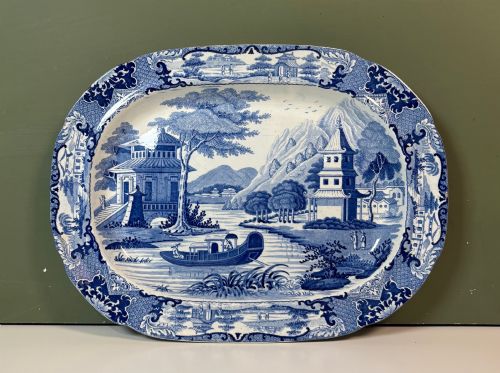
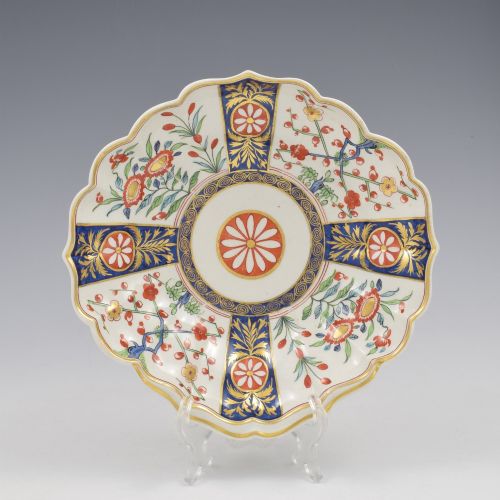
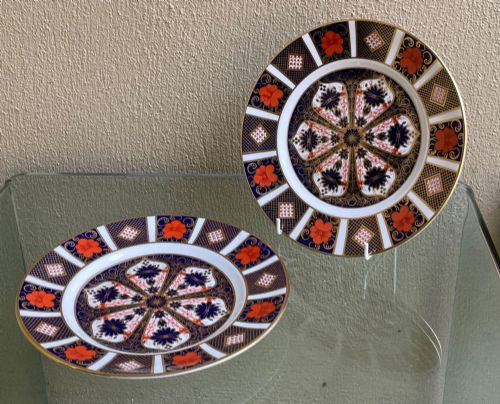
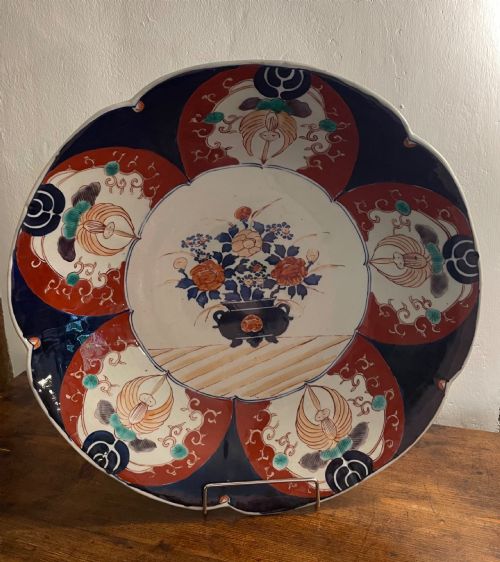
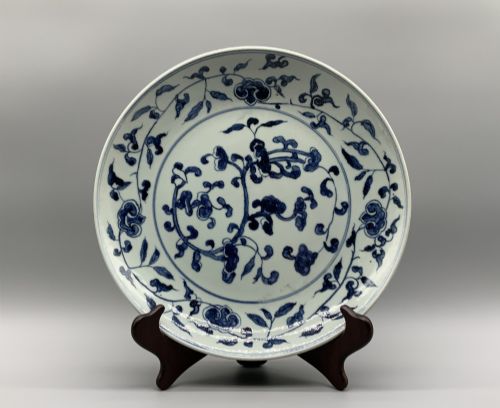
A blue porcelain wall plate spans centuries of domestic display, taking the form of cabinet plates, chargers, and decorative dishes from English, European, and Asian kilns. Buyers seeking a blue porcelain wall plate encounter everything from early Chinese Kraak porcelain and Japanese Imari chargers to eighteenth-century English soft-paste porcelain and later Victorian services.
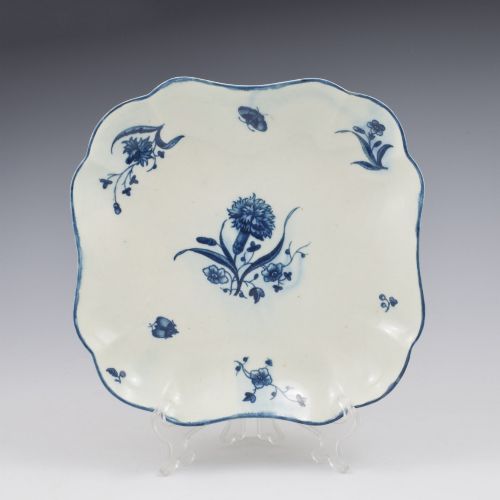
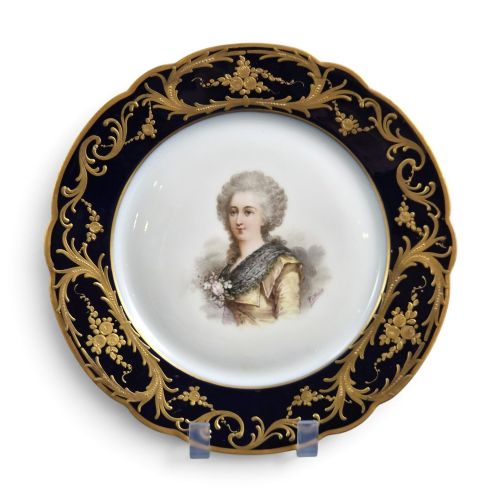
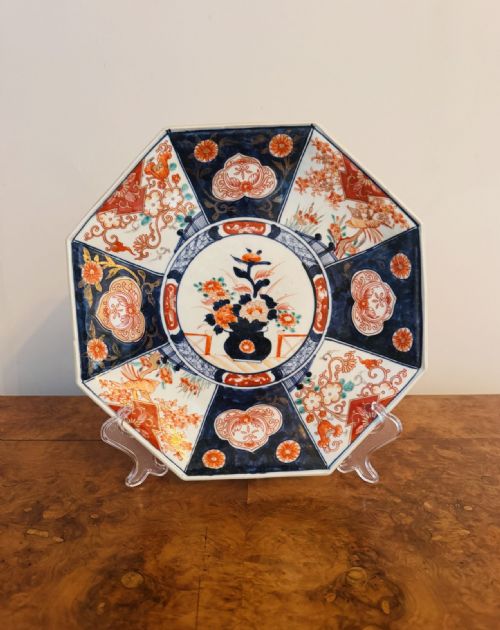
The inventory on this page ranges widely across periods, including pieces from the seventeenth, eighteenth, nineteenth, and twentieth centuries. Forms vary from scalloped dessert dishes and octagonal plates to large chargers designed to be hung upon a wall or set upright in a cabinet.
Origins represented in these listings stretch from Worcester, Royal Crown Derby, and Spode in England to Sèvres, Meissen, Delft, and the kilns of Japan and China. This variety allows collectors to select specific regional aesthetics, whether they prefer Chinese blue and white or the rich palettes of Japanese Meiji period Imari.
How they were made
Potters shaped these objects from porcelain, soft-paste porcelain, bone china, earthenware, and ironstone, applying cobalt glaze, enamel, and sometimes gold leaf to the surface before firing. The fusion of mineral pigments with high-fire glazes created the deep blues seen across Kraak, Imari, and Delft traditions.
Many items incorporate hand-painted execution, where artisans brushed intricate botanical, ornithological, or figural motifs directly onto the biscuit or glazed body. Enamels and gilt accents were often added in subsequent low-temperature firings to build up complex polychrome and blue-and-white designs.
Blue Porcelain Wall Plate Retail Price Guide 2026
Typical asking prices for blue porcelain wall plate among the pieces listed under this phrase on Sellingantiques today, from the lower quarter to the upper quarter. They describe what is for sale here now, not the wider market.
Several plates capture birds mid-squawk, proving that eighteenth-century artisans enjoyed a sense of avian drama just as much as we do.
What varies in quality
The refinement of the painted brushwork and the clarity of the cobalt glaze distinguish finer examples from standard production. Crispness in hand-painted details - such as bird plumage, floral sprays, or figures - reflects the hand of a skilled decorator working within established factories like Worcester or Meissen.
The integrity of the porcelain body and the precision of the form, whether octagonal, lobed, or hexagonal, also separate exceptional pieces from ordinary ones. Well-potted walls, even glaze distribution, and the preservation of delicate enamel or gold leaf determine the standing of an antique plate within its period.
Royal Crown Derby·Royal Worcester·John Davenport·Meissen
The Blue Porcelain Wall Plate Glossary
- Kraak porcelain
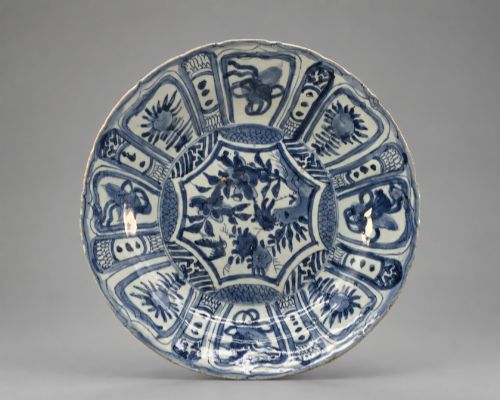
- Chinese export porcelain produced mainly during the Ming dynasty and Wanli period, typically featuring panelled blue and white designs. These dishes often display distinctive border partitions and central motifs of birds or aquatic scenes.
- Imari palette
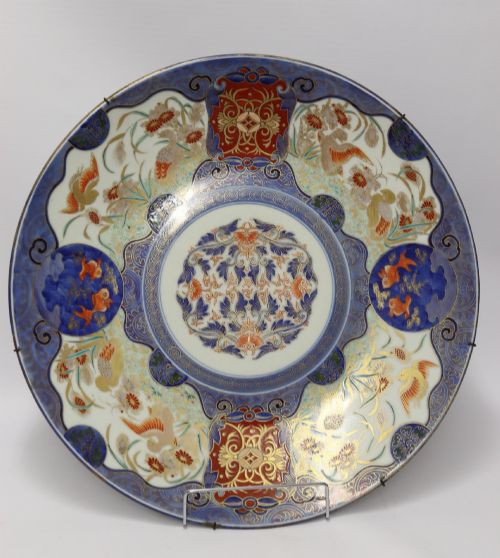
- A decorative style originating in Japan and later copied in Europe, utilising underglaze blue combined with iron red, gold, and secondary enamels. Plates in this style show dense, vibrant ornamentation across the surface.
- Soft-paste porcelain
- An artificial porcelain composition fired at lower temperatures than true hard-paste porcelain, common in eighteenth-century European factories. It produces a warm, slightly creamy glaze surface that readily absorbs enamels.
- Charger
- A large decorative plate or dish intended primarily for display on a wall or sideboard rather than for table service. These pieces provide a broad canvas for elaborate painted scenes.
- Cabinet plate
- A fine decorative plate made specifically for display in a cabinet or on a wall rather than everyday use. Such items frequently feature hand-painted subjects by named artists.
Blue Porcelain Wall Plate: Frequently Asked Questions
How were antique blue and white plates displayed?
These pieces were frequently mounted on walls using wire hangers or set upright on sideboards and inside glazed cabinets to showcase their painted surfaces. Large chargers were especially suited for vertical display in dining rooms and parlours.
Over time, collectors developed specific hanging and mounting systems to protect the edges and glazes of delicate porcelain while keeping the decorative motifs visible.
What is the difference between an Imari plate and a Kraak dish?
An Imari plate relies on a distinctive palette of underglaze blue, iron red, and gold, often featuring complex floral or avian patterns. A Kraak dish, by contrast, typically displays compartmentalised panel designs in blue and white.
Both styles originated in Asia before inspiring European potteries to create their own versions during the eighteenth and nineteenth centuries.
Can I hang a heavy porcelain charger on the wall?
Large chargers require robust, correctly sized spring hangers or specialised wall mounts that distribute the weight evenly across the rim and base. It is essential to ensure the hanging hardware secures the piece firmly without putting pressure on historical repairs or weak points.
Checking the stability of the wall fixture ensures the porcelain remains safe during everyday vibrations in the home.
How do I identify eighteenth-century English porcelain?
Eighteenth-century English pieces, such as those from Worcester or Bow, often exhibit soft-paste bodies with subtle translucency when held to the light. They frequently feature hand-painted cobalt blue underglaze decoration or delicate overglaze enamels.
Examining the foot ring, glaze pooling, and any factory marks helps confirm the period and place of manufacture.