




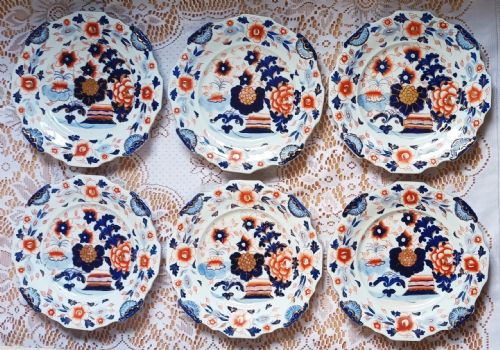


Georgian Chinoiserie Plate
These pieces of georgian chinoiserie plate transport domestic tables to imagined eastern landscapes through vibrant ceramic decoration.
Georgian Chinoiserie Plate
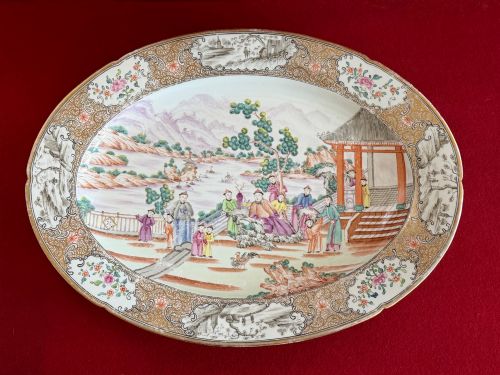
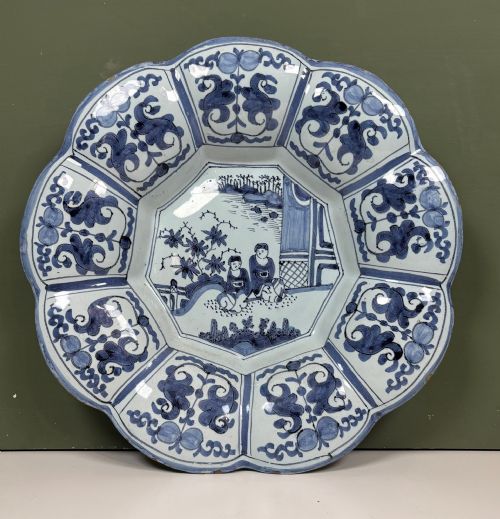
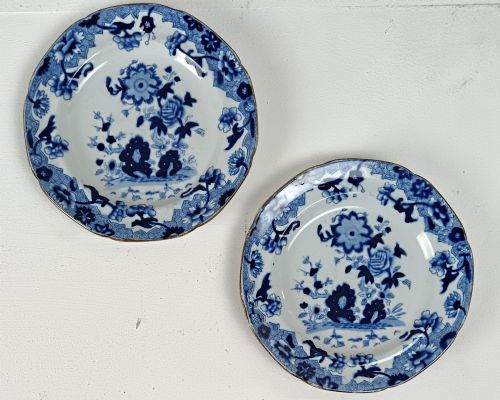
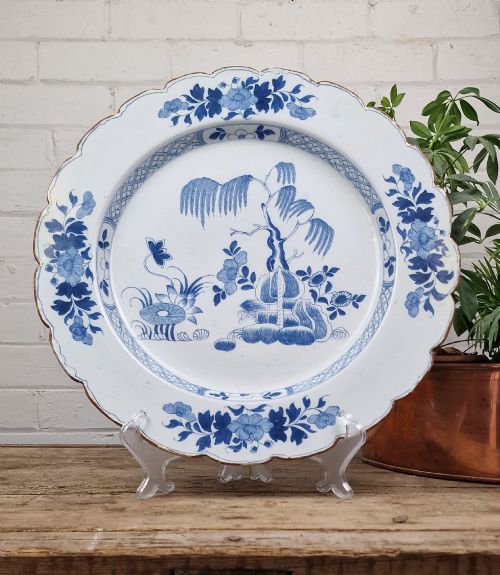
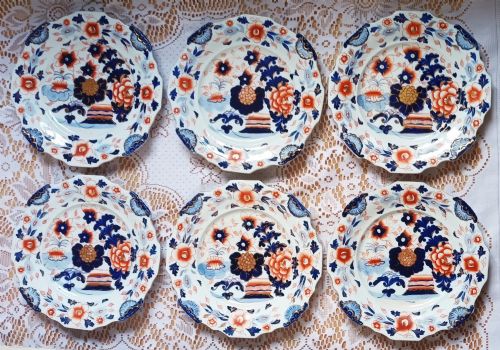
When you search for a georgian chinoiserie plate, you encounter earthenware and ceramic vessels created across the eighteenth and nineteenth centuries. These items take the form of chargers, serving platters, compotes, and standard dining plates decorated with motifs inspired by eastern art. English kilns interpreted foreign designs through their own local traditions during the Georgian and Regency eras.
How they were made
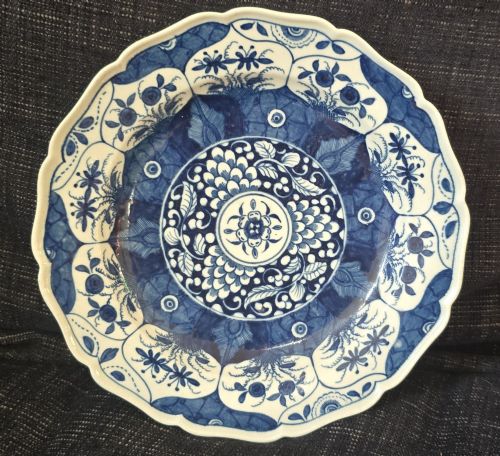
Potters shaped clay bodies on the wheel or pressed them into moulds before applying tin glaze, enamel, or cobalt pigment. Early makers utilised tin-glazed earthenware techniques to achieve an opaque white surface suitable for hand-painting oriental scenes. Later workshops employed transfer printing methods to apply intricate patterns onto pearlware and ironstone bodies.
Pigments were absorbed into the wet glaze or fired at high temperatures to fuse the cobalt and polychrome colours securely. Kiln operators balanced heat levels to prevent warping in large chargers and platters while ensuring the glaze matured evenly. This combination of mineral pigments and vitreous coatings produced durable surfaces designed for functional dining use.
Georgian Chinoiserie Plate Retail Price Guide 2026
Typical asking prices for georgian chinoiserie plate among the pieces listed under this phrase on Sellingantiques today, from the lower quarter to the upper quarter. They describe what is for sale here now, not the wider market.
Early potters painted improbable eastern pagodas onto British clay without ever leaving rainy Staffordshire.
What varies in quality
The distinction between standard domestic wares and superior examples lies in the precision of the hand-painting and the clarity of the printed transfer. Master painters executed delicate brushwork with confident linework, whereas lesser pieces display hurried strokes and blurred outlines. The crispness of cobalt pigment against a clear, unblemished white glaze denotes superior manufacturing standards.
The stability and weight of the ceramic body also determine overall quality, with dense ironstone and well-potted pearlware representing robust construction. Kiln artefacts such as firing cracks or excessive warping separate utilitarian production runs from exhibition-grade plates commissioned by prominent makers.
Worcester Barr Flight And Barr·John Rogers And Son·Mason Ironstone
The Georgian Chinoiserie Plate Glossary
- Delftware
- Tin-glazed earthenware produced in England and the Netherlands, characterised by an opaque white surface decorated with metallic oxide pigments. Potters utilised this porous body extensively before creamware and pearlware gained popularity.
- Charger
- A large decorative plate or shallow dish traditionally displayed on sideboards or used for serving central joints at grand tables. These substantial vessels often measure over twelve inches in diameter.
- Pearlware
- A refined earthenware developed by British potters around seventeen-seventy-nine, featuring a pale bluish glaze that pooled in crevices to mimic Chinese export porcelain. It served as a primary ground for blue and white transfer printing.
- Ironstone
- A heavy, durable ceramic patented in eighteen-thirteen that bridged the gap between earthenware and true porcelain. Workshops utilised this dense material to withstand rigorous daily dining use.
- Cobalt Pigment
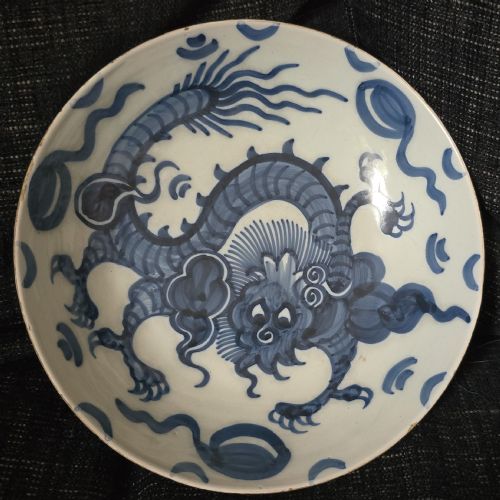
- A metallic oxide used to achieve deep blue tones in underglaze ceramic decoration. It remained stable at high kiln temperatures, allowing for sharp architectural and floral motifs.
- Kakiemon
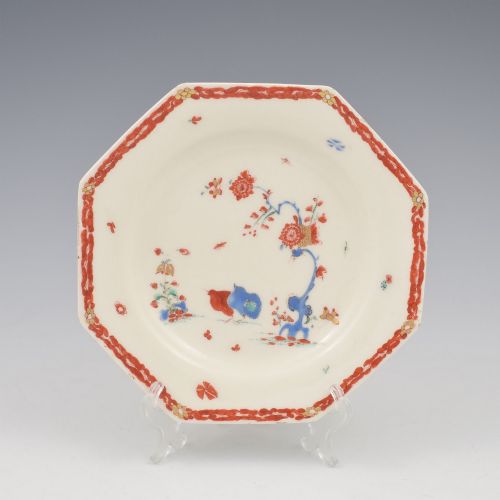
- A style of Japanese enamelled porcelain ornamentation adopted by European factories, featuring asymmetrical floral arrangements and painted birds. English makers applied these palettes to domestic earthenware bodies.
Georgian Chinoiserie Plate: Frequently Asked Questions
Were these plates used for daily dining?
Many of these sturdy earthenware and ironstone vessels served practical functions at family tables across the Georgian period. Larger chargers and platters accommodated communal joints of meat, while smaller plates handled daily courses.
Finer decorated chargers and presentation dishes often served decorative purposes on sideboards and display dressers. Their resilient glazes protected the porous clay beneath from moisture and acidic foods during regular meals.
How do I care for antique ceramic plates?
Wash these fragile pieces gently by hand using warm water and mild detergent without soaking them in water for extended periods. Harsh modern dishwashers will damage the historic tin glaze and soften delicate hand-painted enamel surfaces.
Store platters and chargers securely in stable environments away from direct sunlight and rapid temperature fluctuations. Proper vertical rack storage or padded horizontal stacking prevents rim chipping and surface abrasion.
What defines the chinoiserie style?
Chinoiserie represents European artistic interpretations of Chinese and East Asian motifs, depicting imaginary landscapes, pavilions, and bridges. Artisans populated these fantastical garden scenes with stylized figures, weeping willows, and exotic birds.
British factories adapted these foreign aesthetics to suit domestic dining tastes using vibrant polychrome enamels and deep cobalt blue pigments. The resulting patterns created an escapist narrative for Georgian and Regency dining rooms.