




Underglaze Blue China
Underglaze blue china comprises ceramics decorated with pigment beneath a clear glaze, offering collectors durable botanical and pictorial motifs from English and Asian kilns.
Underglaze Blue China
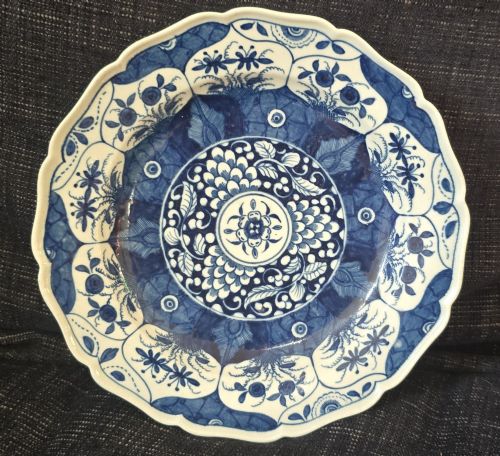
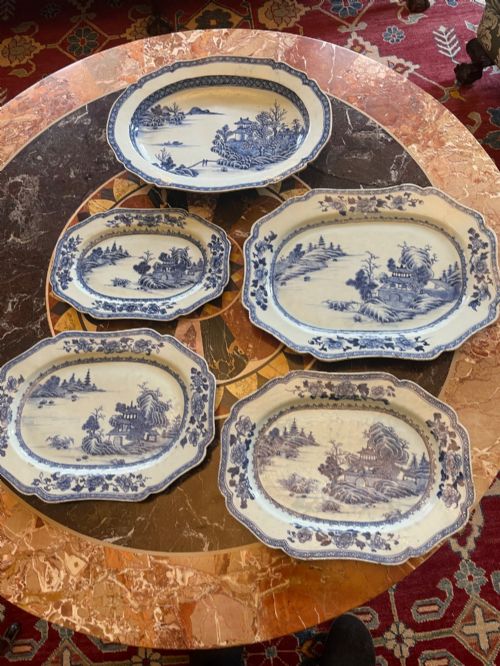
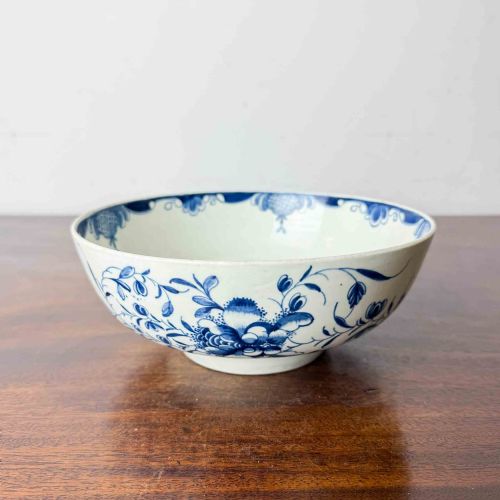
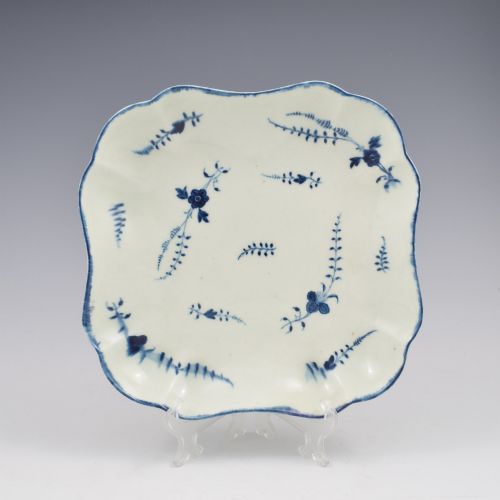
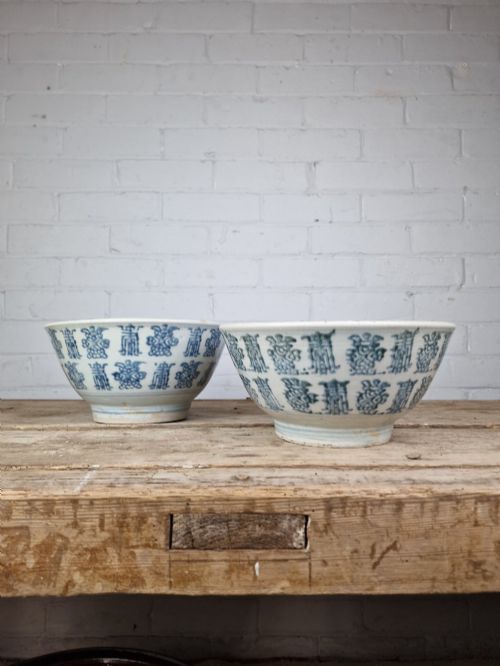
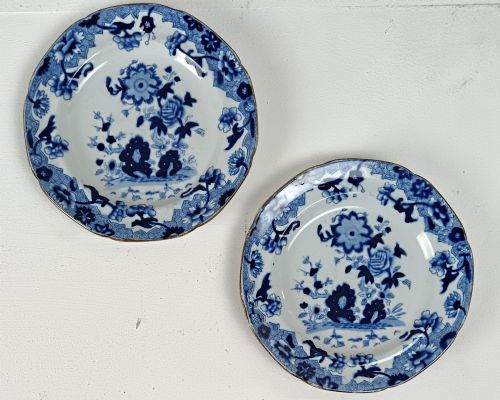
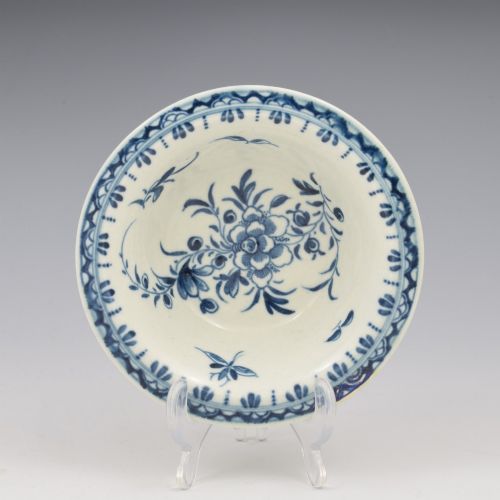
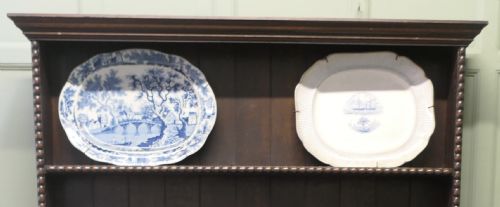
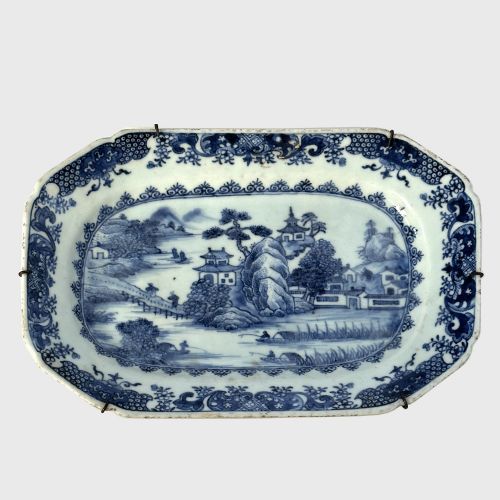
When you examine underglaze blue china, you are looking at pieces that range from eighteenth-century English porcelain tea bowls and dessert dishes to nineteenth-century Staffordshire meat platters. You will also encounter significant numbers of Chinese export plates and Japanese Imari vases across the current selection.
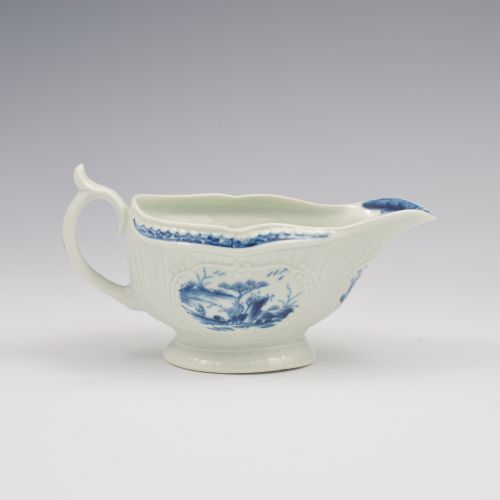
The objects span formal serving vessels and everyday tablewares, moving from Worcester bowls and Derby tureens to large chargers and provincial Chinese porcelain. Forms include baluster vases, lidded bottles, wine ewers, and matched sets of plates.
Origin points stretch across English factories, Chinese dynasties, and Japanese periods, providing a broad typographic spectrum for anyone studying historic ceramic production.
How They Were Made
Makers applied cobalt pigment directly onto the unfired body or raw clay before coating the piece in a transparent glaze and firing it at high temperatures. This technique locked the blue decoration beneath the surface glass, protecting the design from wear.
Body compositions varied between soft-paste porcelain, hard-paste porcelain, earthenware, and New Stone, depending on the originating factory and period. Occasional embellishments like gold leaf were added in subsequent low-temperature overglaze firings.
Hand-painted brushwork defines the earlier pieces, while later nineteenth-century output often utilised transfer printing to achieve complex landscape and architectural patterns efficiently.
Underglaze Blue China Retail Price Guide 2026
Typical asking prices for underglaze blue china among the pieces listed under this phrase on Sellingantiques today, from the lower quarter to the upper quarter. They describe what is for sale here now, not the wider market.
Current listings span the 18th century, Georgian era, and 19th century, incorporating porcelain, earthenware, and soft-paste porcelain.
What Varies in Quality
The clarity and depth of the cobalt pigment determine much of the visual success, separating deep, vibrant cobalt glaze applications from blurred or greyish results. Precision in brushwork or the exact registration of transfer-printed scenes further separates standard commercial output from superior items.
The refinement of the underlying paste and the smoothness of the glaze surface dictate the tactile and structural grade of the ceramic. Early soft-paste bodies and delicate throwing show a high degree of potting skill compared to heavier provincial earthenwares.
Worcester Porcelain·Spode·Derby Porcelain·John Davenport
The Underglaze Blue China Glossary
- Underglaze
- A method of decorating pottery where pigment is applied to the raw or bisque clay body before the glaze is applied and fired. This protects the painted design beneath a glassy protective layer.
- Cobalt Pigment
- A metallic colorant used to achieve deep blue tones on ceramics. It withstands the extreme heat required for high-fire glaze maturation.
- Soft-paste Porcelain
- A ceramic material composed of white clay and glass frit, fired at lower temperatures than hard-paste. It was widely used in eighteenth-century English factories such as Worcester and Derby.
- Imari
- A style of Japanese export ceramics featuring underglaze blue combined with overglaze iron red and gold. It gained immense popularity in Europe during the Edo period.
- Transfer Printing
- A mechanical decoration technique developed in the eighteenth century where an engraved copper plate transfers an inked design onto paper and then onto the ceramic body.
Underglaze Blue China: Frequently Asked Questions
What is underglaze blue china?
It refers to ceramics decorated with cobalt blue pigment applied beneath a transparent glaze. This category includes porcelain, earthenware, and pottery from English, Chinese, and Japanese sources.
Items range from delicate eighteenth-century tea bowls to robust nineteenth-century meat platters and decorative vases.
How do I care for antique blue and white ceramics?
Wash these pieces gently by hand using warm water and mild soap. Avoid dishwashers, harsh scrubbers, and soaking, as historic glazes and overglaze details remain fragile.
Display them away from direct sunlight and sudden temperature shifts to protect the ceramic body and glaze integrity.
How can I tell English pieces from Asian exports?
English pieces often utilise soft-paste porcelain, bone china, or refined earthenware with factory marks, while Asian pieces frequently employ hard-paste porcelain or specific provincial bodies.
Stylistic cues such as Chinoiserie interpretations versus authentic Qing Dynasty or Japanese Meiji motifs also help identify the origin.
What does First Period Worcester mean?
It designates the earliest phase of production at the Worcester porcelain factory, lasting roughly from 1751 to 1783. Pieces from this era often feature delicate hand-painted cobalt designs and characteristic body pastes.
Collectors prize these items for their historical importance and refined craftsmanship during the golden age of English ceramics.