





Blue Painted Ceramic Plate
A blue painted ceramic plate brings centuries of kiln craft and pigment to a room, offering both bold wall display and table service.
Blue Painted Ceramic Plate
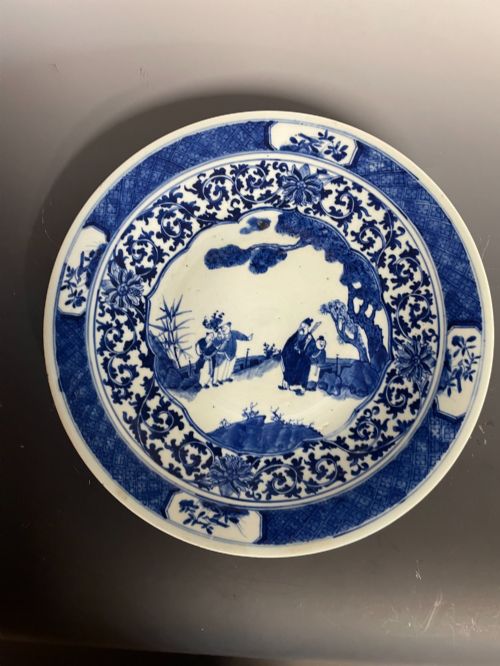
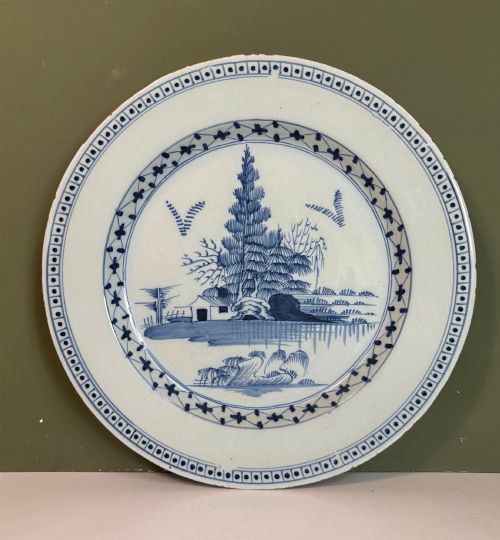
A blue painted ceramic plate encompasses a wide array of historical tableware and display vessels, from expansive chargers to delicate cabinet plates. When searching this phrase, a buyer encounters everything from seventeenth-century tin-glazed earthenware to nineteenth-century porcelain and ironstone.
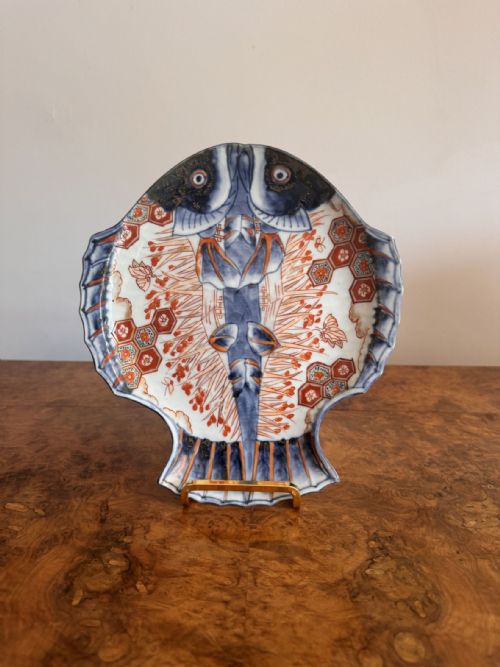
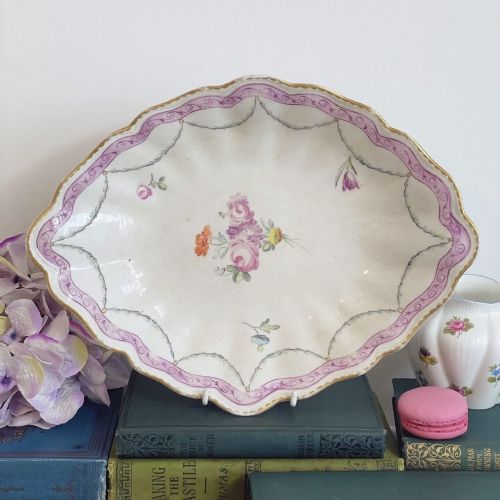
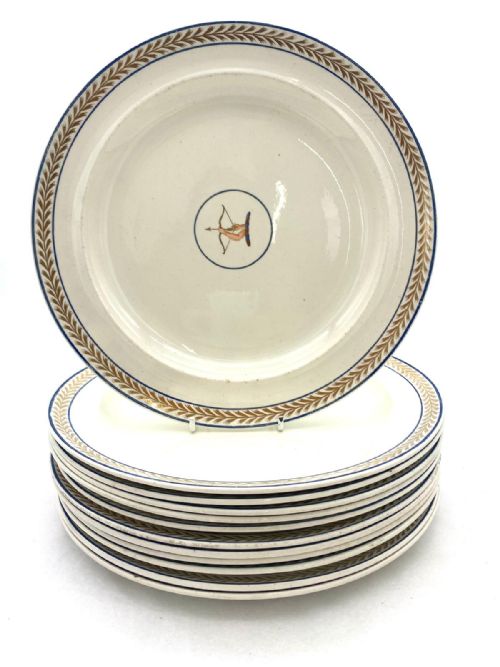
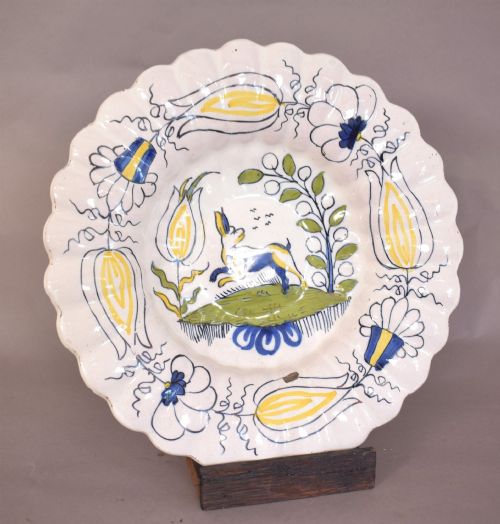
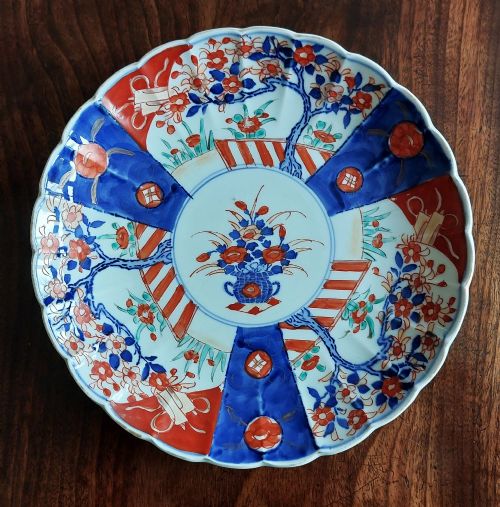
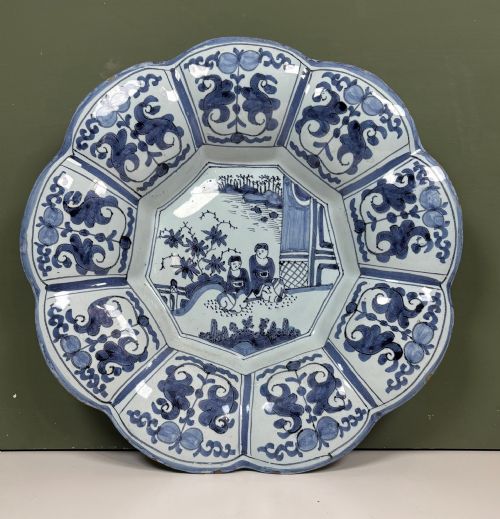
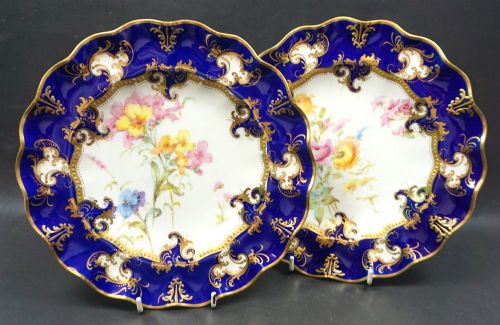
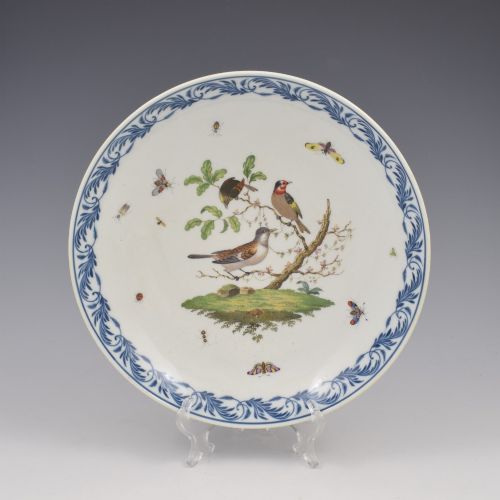
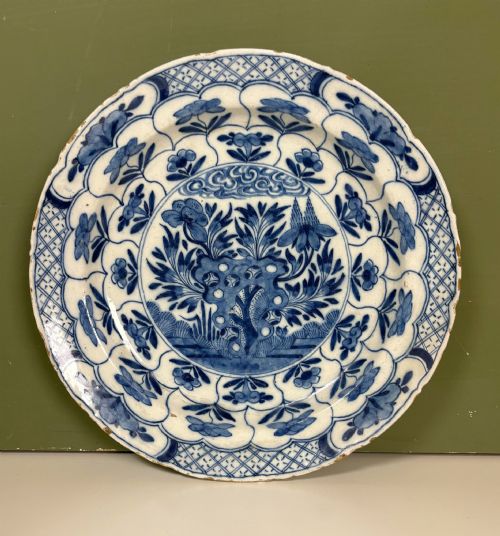
The versions met most frequently on this page span Dutch and English delftware, Japanese Imari pieces from the Meiji period, and ornate cabinet plates from English factories like Royal Worcester. These items range from humble utilitarian dishes to large decorative chargers intended purely for show.
Origins stretch across Europe and Asia, capturing diverse stylistic movements from Dutch Baroque to Moorish Revival and Japanese export traditions. Each piece records the specific taste and ceramic capability of its era, preserved in porcelain, earthenware, or creamware.
How They Were Made
Potters shaped these objects from various ceramic bodies including soft-paste porcelain, creamware, ironstone, and tin-glazed earthenware. Artisans applied cobalt blue pigment and other colours directly onto the clay body or over an initial layer of glaze before firing.
Techniques varied from the tin-glazing methods of European delftware potteries to the intricate hand-painting seen on Japanese Imari and English cabinet pieces. Gilding and gold leaf occasionally augmented the blue painted schemes on finer dessert dishes and chargers.
Available forms range from standard dinner plates and pudding bowls to large chargers and fish-shaped dishes.
What Varies in Quality
Quality rests primarily in the precision and ambition of the hand-painted decoration, distinguishing standard production ware from artist-signed cabinet plates and high-end export pieces. The crispness of the cobalt pigment and the complexity of the design reveal the skill of the painter.
The refinement of the ceramic body itself also dictates the tier of the piece, separating robust ironstone and thick earthenware chargers from translucent porcelain and delicate creamware. Additionally, the survival of rich gilding and unblemished glaze elevates an item above standard examples.
Royal Bonn·Royal Crown Derby·Meissen·Royal Worcester·Hicks And Meigh·John Davenport Of Longport·New Hall·Wedgwood
The Blue Painted Ceramic Plate Glossary
- Charger
- A large decorative plate or dish, typically measuring over thirty centimetres, used historically for ceremonial service or wall display.
- Tin-Glazed Earthenware
- Pottery coated with an opaque white tin enamel glaze that provides a smooth surface for blue painted decoration.
- Imari
- A style of Japanese export ceramic featuring deep cobalt blue alongside iron red and gold, popular during the Meiji period.
- Cabinet Plate
- A decorative plate intended for display in a cabinet or on a wall rather than for practical dining use.
- Creamware
- A refined light-coloured earthenware developed in eighteenth-century England, known for its warm cream tone and smooth glaze.
Blue Painted Ceramic Plate: Frequently Asked Questions
How were ceramic chargers used historically?
Large chargers served grand dining tables either for presenting joint meats or as decorative under-plates for lesser courses.
Over time, many of these sizable dishes transitioned to wall display, supported by wire hangers or showcased on dresser shelves.
How do I identify Japanese Imari pieces?
Imari ceramics typically combine deep underglaze cobalt blue with contrasting iron red enamel and touches of gilt.
These pieces often feature intricate panel designs incorporating floral motifs, birds, and brocade patterns.
What is the difference between delftware and porcelain?
Delftware is a tin-glazed earthenware featuring a porous clay body covered in an opaque white glaze that absorbs cobalt pigment softly.
Porcelain is vitrified, dense, and non-porous, allowing for sharper painted details and a more resonant ring when tapped.
Can antique cabinet plates be used for food?
While structurally sound, antique cabinet plates often feature delicate overglaze painting, gilding, or soft earthenware bodies susceptible to modern detergents.
Collectors generally reserve these items for visual display rather than daily dining or dishwasher use.
How do I distinguish eighteenth-century delft from later copies?
Early delft pieces exhibit characteristic glaze flaking at the rim, minor kiln stilt marks on the reverse, and subtle tonal variations in the hand-applied blue pigment.
Later Continental revivals often display heavier, more uniform bodies and distinctly brighter modern pigments.