
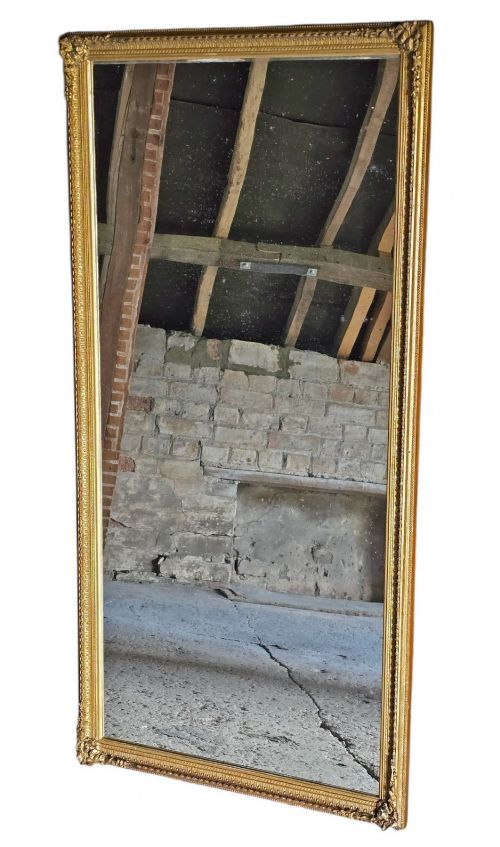
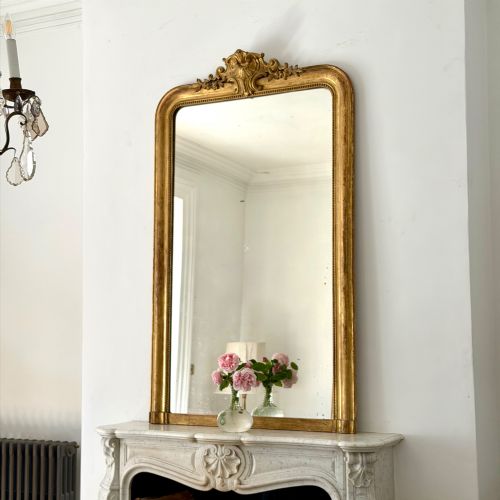
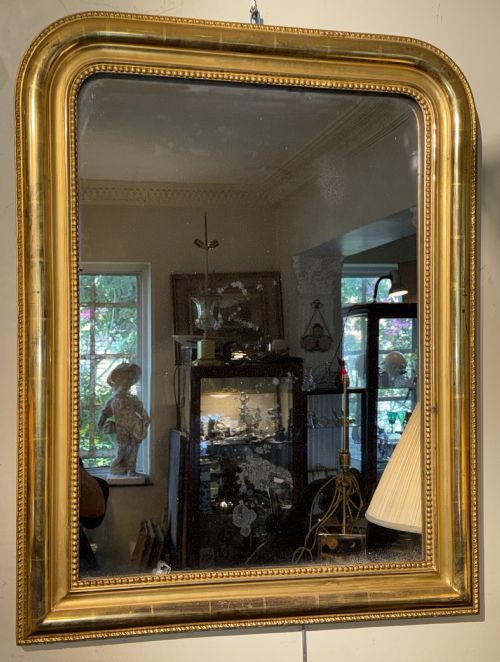
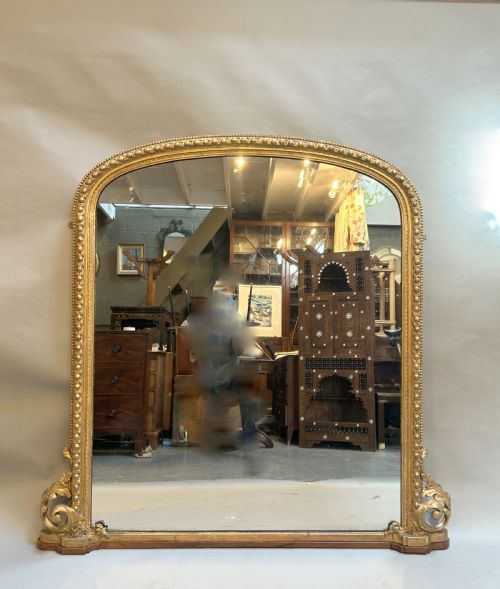


Beaded Gilt Wall Mirror
A beaded gilt wall mirror brings warmth and reflective depth to a room, offering the classic nineteenth-century elegance that collectors prize.
What They Are
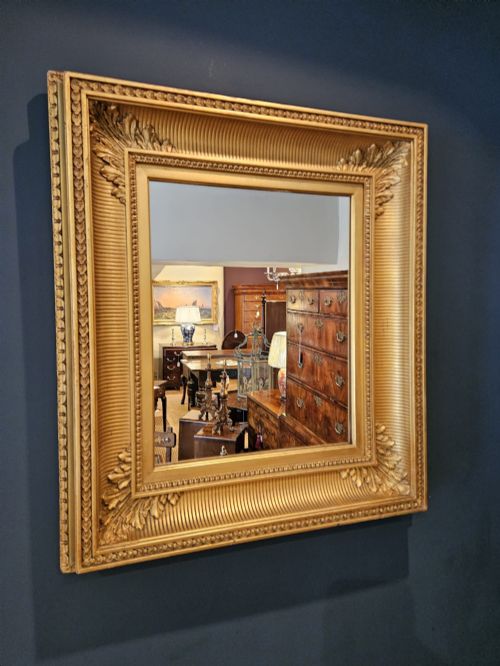
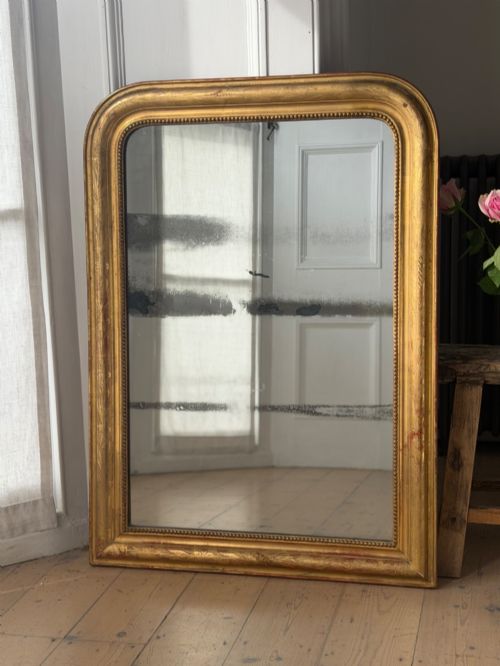
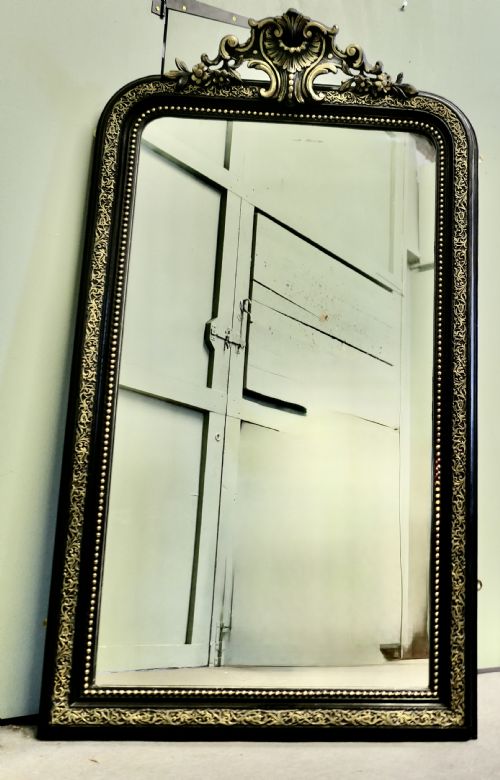
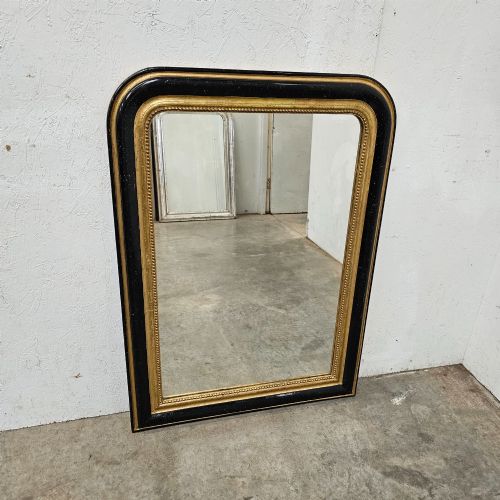
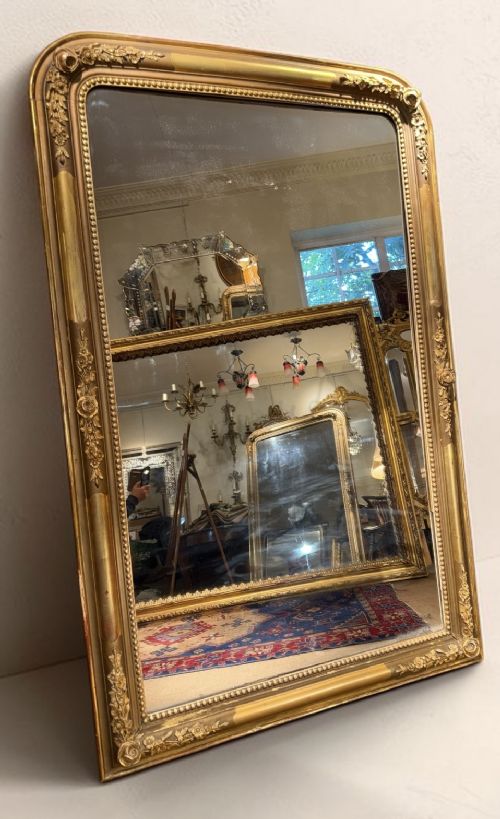
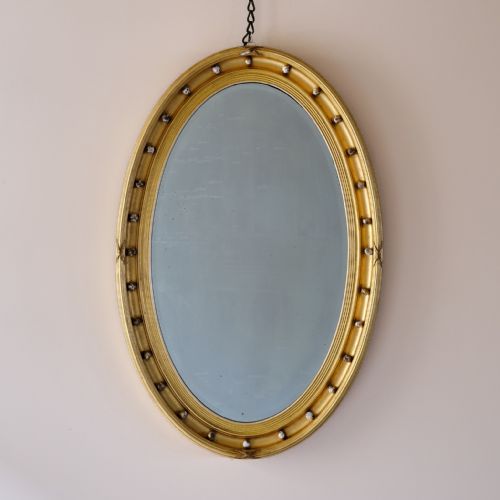
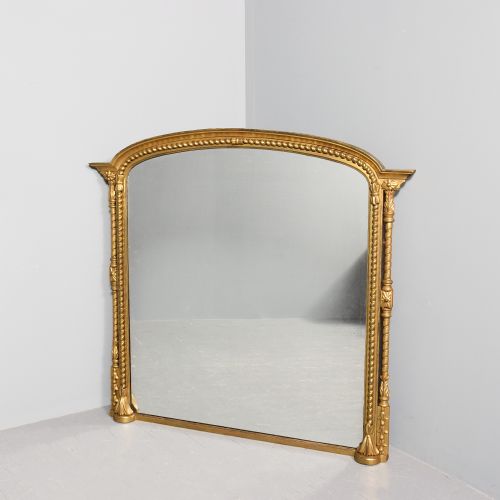
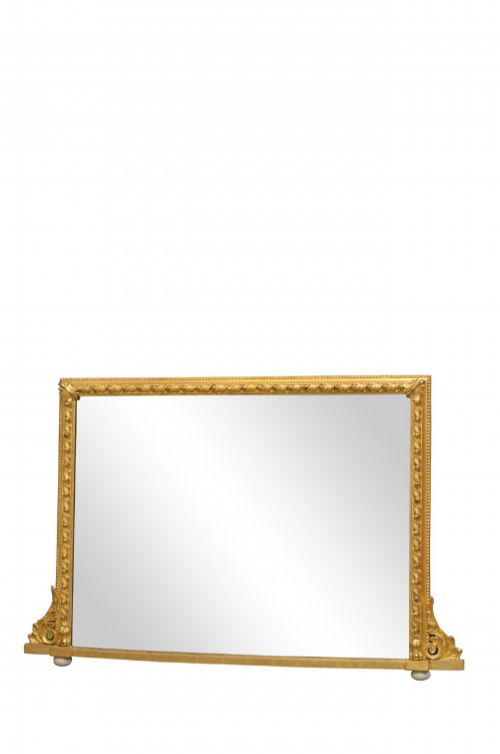
When you search for a beaded gilt wall mirror, you encounter pieces originating from the nineteenth century, including Victorian and French chateau styles. These objects function primarily as wall mirrors and overmantel mirrors designed to enhance interior light and space.
The selections available on this page encompass various configurations, such as arched tops, pairs of mirrors, and frames adorned with floral motifs. Most date from specific decades like eighteen fifty, eighteen sixty, and eighteen eighty, reflecting the prevailing taste of the Victorian era and nineteenth-century neoclassical design.
How They Were Made
The construction of these pieces relies on wood and composition forming the structural frame, which is then finished with gesso and gold leaf or gilded wood. Craftsmen shaped these materials into detailed profiles, often incorporating beaded ornamentation along the inner or outer borders.
Glass plates provide the reflective surface, with some pieces retaining their original antique glass while others feature new glass replacements. The application of giltwood and gold leaf requires meticulous skill to achieve the luminous metallic sheen characteristic of the period.
Retail Price Guide 2026
Typical UK retail prices for beaded gilt wall mirror, calculated from the Sellingantiques database of over a million retail prices indexed since 2003. This retail price guide relies exclusively on Sellingantiques data; no external sources or auction records are used, so the figures do not describe the wider market.
One lucky mirror still wears its eighteen-sixties golden coat proudly, despite having seen at least four different wallpapers come and go.
What Varies in Quality
Quality in these mirrors rests upon the crispness of the gesso detailing and the preservation of the original gold leaf surface. Finer examples display sharp definition in floral and beaded elements without the softening or heavy restoration seen in lesser pieces.
The integrity of the wooden frame and the choice between original glass and a replacement also dictate the standing of a piece. Superior craftsmanship shows in the seamless joinery of the frame and the balanced application of gilding across the entire surface.
The Beaded Gilt Wall Mirror Glossary
- Gesso
- A plaster-like mixture applied to wood frames to create a smooth surface for gilding. It allows craftsmen to carve intricate relief patterns before applying gold leaf.
- Giltwood
- Wood that has been covered with gold leaf or a thin layer of gold paint. This material defines the luxurious appearance of nineteenth-century decorative mirrors.
- Overmantel mirror
- A large mirror specifically designed to hang above a fireplace mantel. These pieces often feature wider proportions to span the width of the hearth.
- Composition
- A moulded material made from whiting, linseed oil, resin, and glue, used to create ornamental details on frames. It provides a durable alternative to hand-carved wood.
Frequently Asked Questions
What periods do these mirrors come from?
These pieces originate from the nineteenth century, with specific examples dating from eighteen fifty, eighteen sixty, and eighteen eighty. The Victorian era and nineteenth-century neoclassical styles dominate this selection.
Such dating reflects the manufacturing periods recorded by dealers on this page. Collectors often look for these specific decades to match period interiors.
How were these mirrors used?
Owners placed these mirrors on walls in principal rooms or hung them as overmantel mirrors above fireplaces. Their reflective surfaces helped to amplify natural daylight before the widespread use of electric lighting.
Overmantel mirrors in particular served as a focal point in Victorian drawing rooms and parlours. They added a sense of grand scale and proportion to the domestic interior.
What materials make up the frames?
The frames consist primarily of wood and composition, which provide a sturdy core for the decorative elements. Artisans applied gesso over this base to prepare the surface for gilding.
Gold leaf or gilded wood finishes the exterior, giving the frames their characteristic metallic radiance. Some pieces also incorporate floral details sculpted directly into the gesso and composition layers.
Do these mirrors have original glass?
Some pieces retain their original antique glass plates, while others feature new glass fitted at a later date. Listings explicitly note when a mirror has been updated with new glass.
Collectors weigh the presence of original glass against the clarity provided by a replacement. Both options serve different preferences in restoration and daily use.