

Antique Tin Glaze Dishes
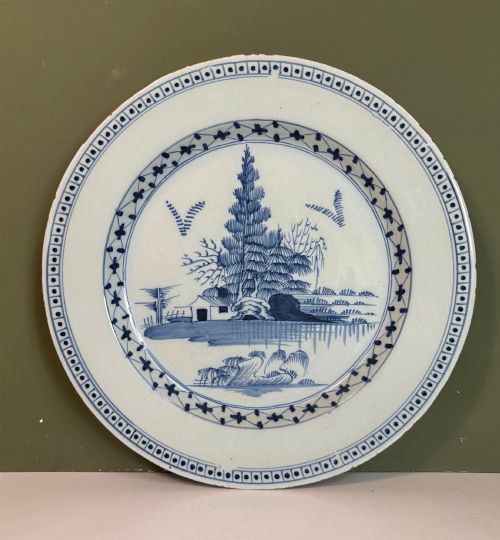
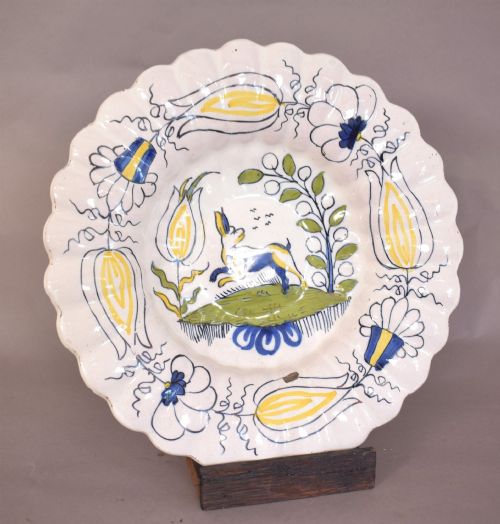
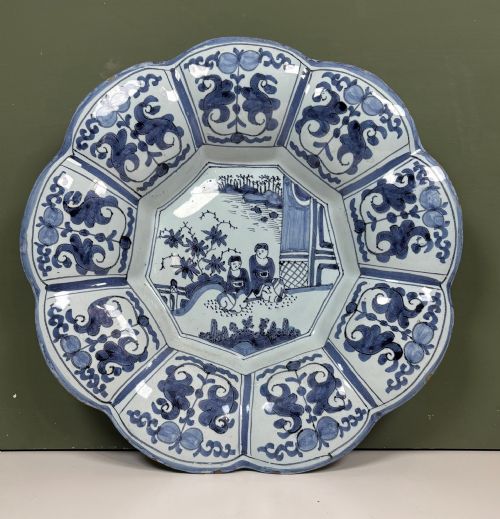
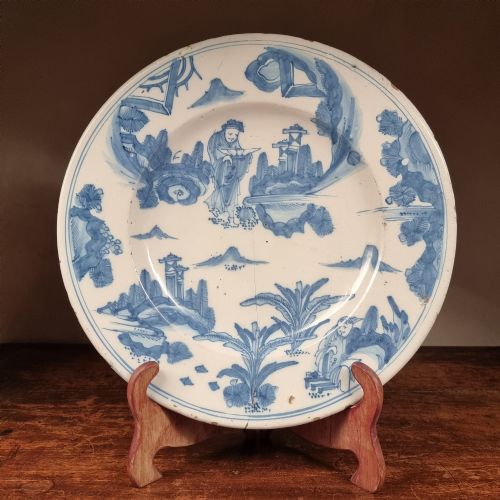
These antique tin glaze dishes bring centuries of hand-painted ceramic craft to your table, offering rich cobalt pigments and vibrant polychrome scenes.
Antique Tin Glaze Dishes
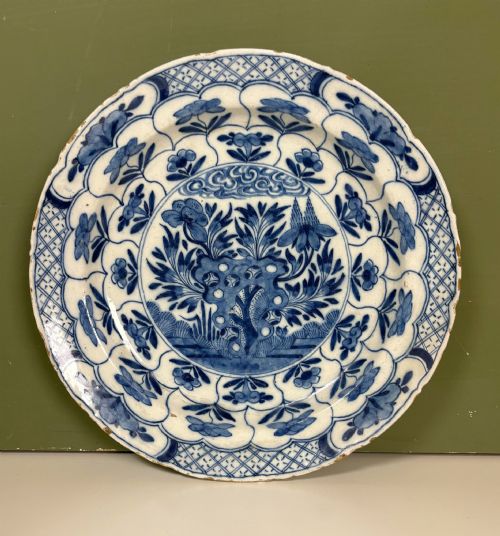
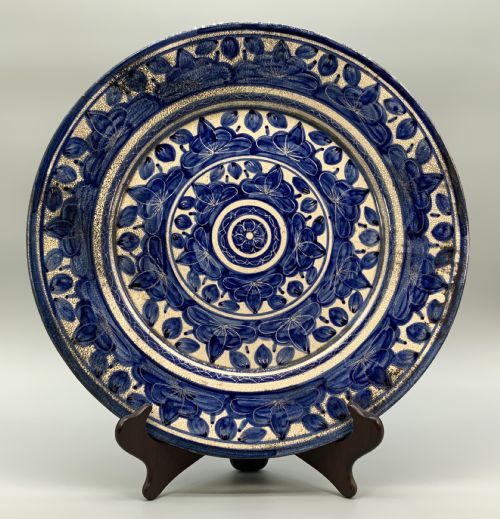
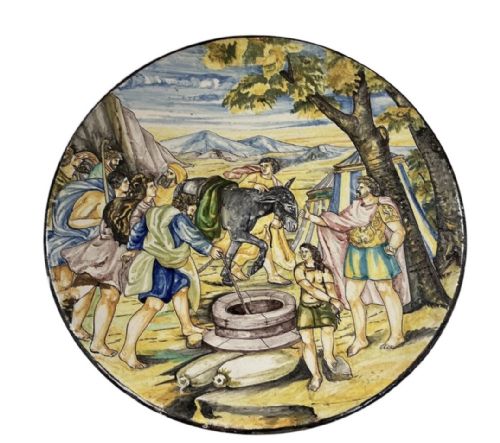
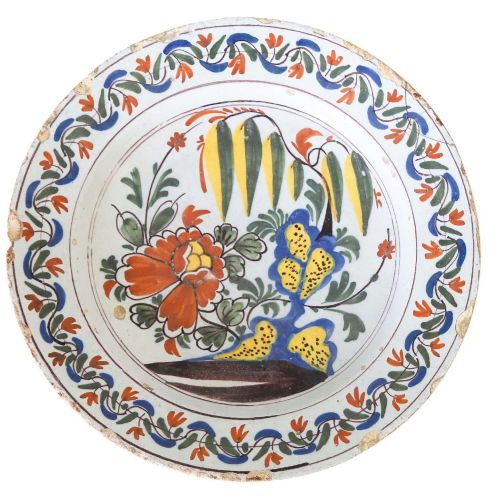
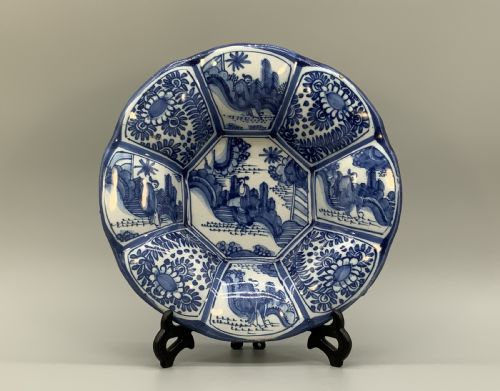
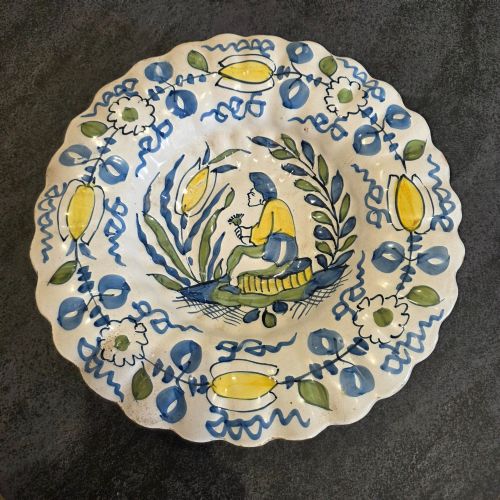
The objects span multiple centuries, with 17th-century Kraak-style plates and robust 18th-century polychrome chargers forming the core of the items. Makers adapted traditional motifs into distinctive regional styles, producing everything from large wall display plates to smaller tablewares.
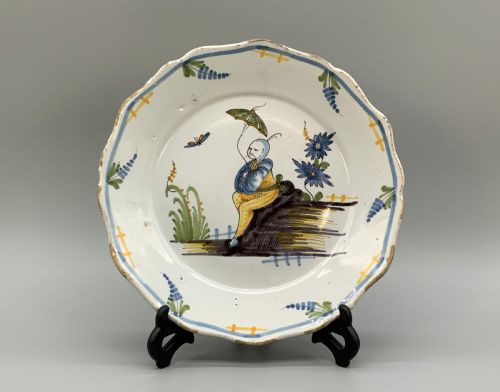
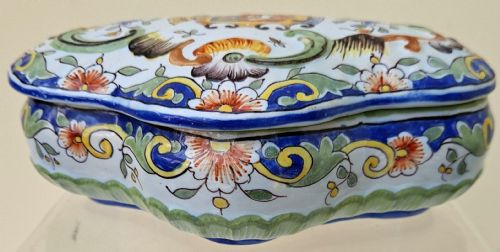
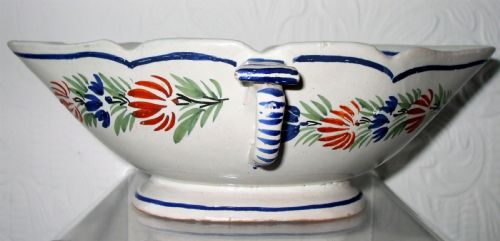
Geographic origins vary widely across Europe, encompassing English production centres like Bristol, Dutch workshops, and French pottery regions such as Quimper, Desvres, and Rouen. Each origin brings specific local palettes and painting traditions to the earthenware surface.
Materials and methods
Potters built these pieces using earthenware bodies covered in an opaque white tin glaze, which provided a smooth canvas for subsequent pigment application. Artisans painted directly onto the unfired or absorbent glaze surface using cobalt oxide for classic blue and white designs.
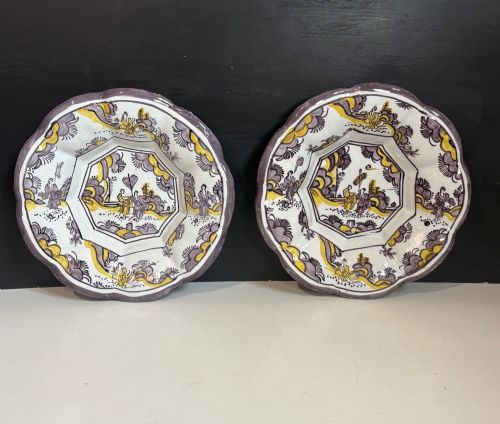
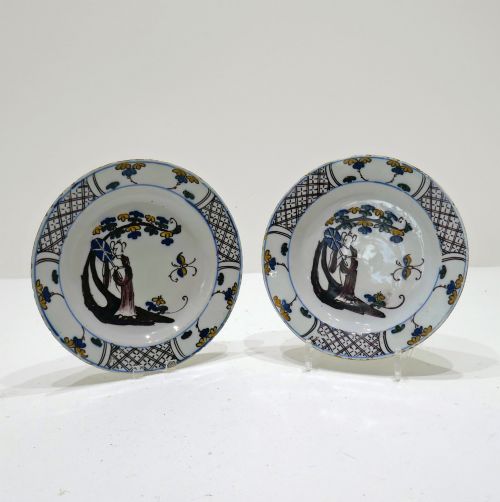
For polychrome decoration, workshops integrated manganese, yellow, and other mineral pigments into the brushwork before a final kiln firing fused the colours into the glaze. This technique allowed for intricate floral motifs, geometric patterns, and historical narrative scenes.
Listings feature earthenware vessels spanning from the seventeenth century through to the twentieth century.
Evaluating craftsmanship
Quality rests upon the clarity and execution of the hand-painted decoration, where confident brushstrokes and balanced composition separate master potteries from standard production. The richness of the cobalt pigment or the harmony of a multi-coloured palette determines visual impact.
The stability of the earthenware body and the evenness of the white tin glaze coating influence overall refinement. Pieces that maintain crisp pictorial detail without excessive blurring in the kiln achieve greater artistic merit.
The Antique Tin Glaze Dishes Glossary
- Tin-Glaze
- Earthenware coated in an opaque white glaze containing tin oxide. This creates the characteristic pale background used for hand-painted ceramic decoration.
- Charger
- A large decorative plate primarily intended for wall display or ceremonial table service rather than everyday dining.
- Polychrome
- Decoration utilising multiple colours rather than a single pigment. Painters applied various metallic oxides to achieve varied hues on the glazed surface.
- Delftware
- Tin-glazed earthenware produced in the Netherlands or England, renowned for blue and white designs and Chinoiserie motifs.
- Faience
- European tin-glazed earthenware, particularly associated with French and Spanish pottery traditions. The term covers a wide variety of decorative tableware and boxes.
Antique Tin Glaze Dishes: Frequently Asked Questions
What is a charger?
A charger is a large decorative plate designed for grand table settings or wall hanging rather than daily use.
These substantial pieces often feature elaborate painted scenes and served as centrepieces in historic interiors.
How were these dishes used?
Historic households utilised these earthenware pieces for serving food, displaying sweets, or as decorative wall ornaments.
Specialised forms like barber's bowls and salt cellars fulfilled specific domestic and grooming functions.
How do I date a piece?
Dating relies on examining the painting style, tin glaze characteristics, and regional pottery traits recorded in the piece.
17th-century examples often display Kraak influences, while 18th-century items frequently feature detailed polychrome florals and Chinoiserie.
How do I care for tin glaze?
Keep these historic earthenware items away from modern dishwashers and harsh chemical cleaners to protect the fragile glaze.
Gentle dusting and careful handling preserve the delicate painted surfaces for display.