



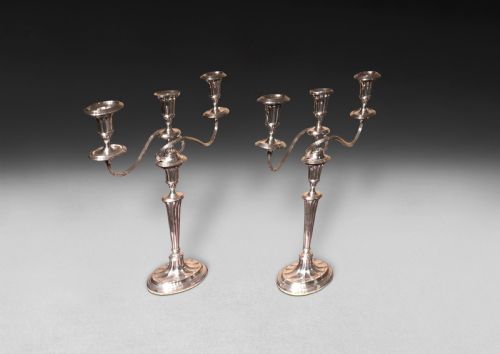

Pair 18th Century Plates
These pair 18th century plates bring centuries of domestic history to the table, offering matched symmetry and tangible craftsmanship for the discerning interior.
Pair 18th Century Plates
When you search for pair 18th century plates, you enter a sphere of matched ceramics, metals, and enamelware produced primarily during the Georgian era. These matching pairs served functional dining purposes, decorative wall display, or formal table service in period homes.
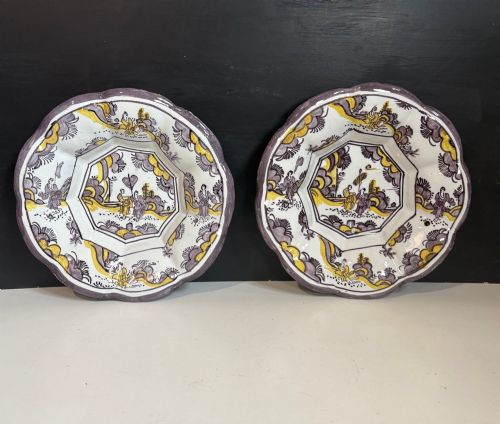
The selections span English and European tin-glazed earthenware, known locally as delft or faience, alongside Chinese export porcelain and Japanese Imari wares. You will frequently encounter blue and white colour schemes, polychrome pigments, and chinoiserie or floral motifs.
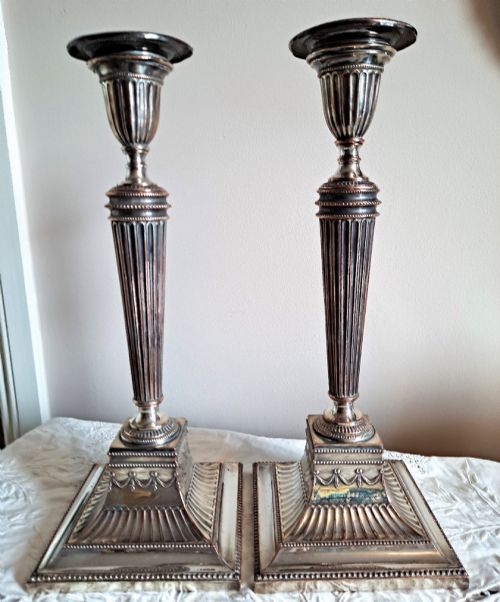
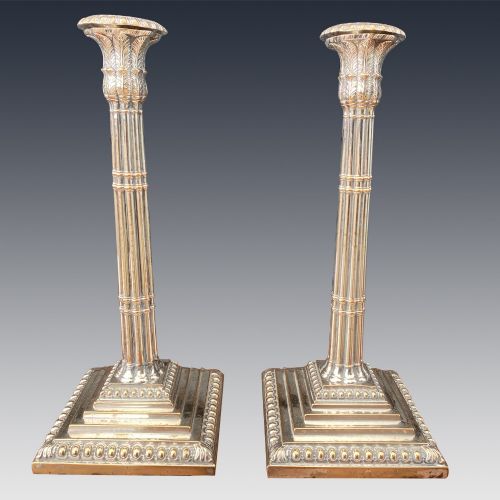
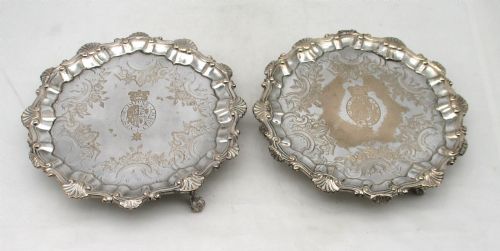
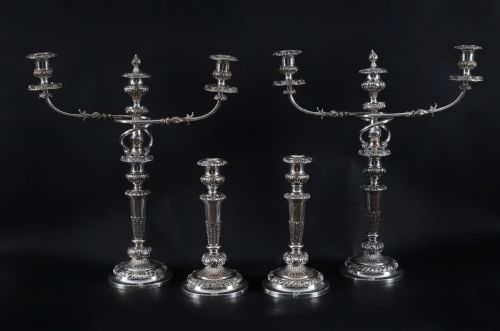
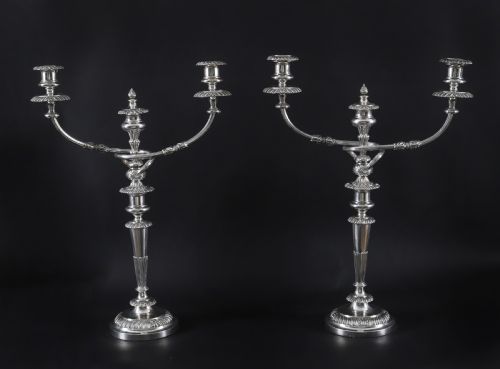
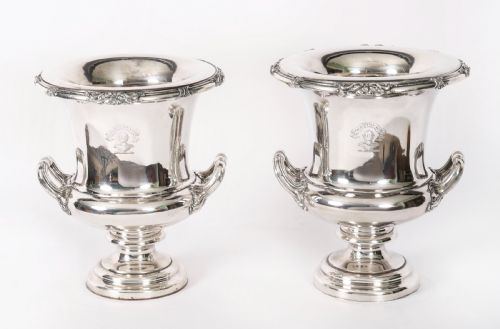
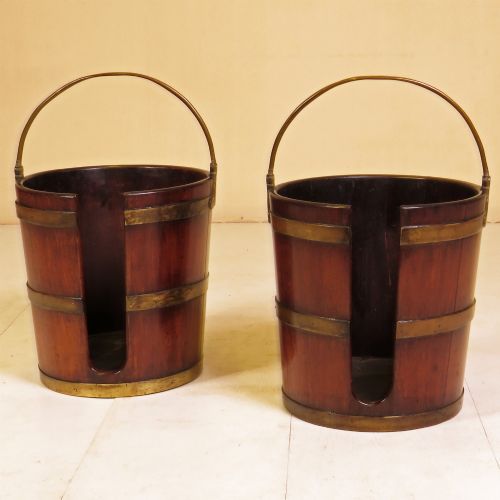
Beyond earthenware and porcelain, the inventory includes pewter chargers, silver-plated dishes, and even mahogany plate buckets intended for storage and transport. Each matching set carries the distinct stylistic marks of the seventeen hundreds, from French rococo flourishes to early Derby and Worcester porcelain designs.
Materials and Techniques
Tin-glazed earthenware forms a major pillar of this category, relying on an opaque white tin oxide glaze applied over a porous clay body before hand-painting with cobalt pigment or polychrome enamel. Potters shaped these dishes on wheels or pressed them into moulds before firing in traditional kilns.
Porcelain items utilise fine clays fired at high temperatures, decorated with underglaze blue or overglaze enamel colours such as the famille rose palette. Metal variants involve copper fused with silver via old Sheffield plate techniques, pewter casting in moulds, or brass-bound mahogany construction for specialised plate buckets.
Pair 18th Century Plates Retail Price Guide 2026
Typical asking prices for pair 18th century plates among the pieces listed under this phrase on Sellingantiques today, from the lower quarter to the upper quarter. They describe what is for sale here now, not the wider market.
Listings feature eighteenth-century earthenware, porcelain, copper, and silver plate across Georgian and Qing dynasty periods.
Quality Variations
The standard of execution in hand-painting dictates much of the division across these items, separating swift commercial production from meticulous artistic output. Brushwork precision, depth of glaze colour, and the crispness of moulded or engraved details show the maker's underlying skill.
Survival condition and the preservation of original surfaces also govern desirability. Pieces retaining their crisp hand-coloured details, uniform glaze without excessive firing flaws, and true symmetry as an intended pair occupy the upper tier of the range.
Matthew Boulton·Samson of Paris
The Pair 18th Century Plates Glossary
- Delft
- Tin-glazed earthenware produced in England, Holland, and other European centres, typically decorated with blue and white designs. This ceramic type forms the bedrock of many domestic collections.
- Famille Rose
- A palette of Chinese export porcelain introduced in the eighteenth century, distinguished by opaque pink or rose enamel colours. The style gained immense popularity across European markets.
- Old Sheffield Plate
- A composite material made by fusing a thin sheet of silver to a thicker copper base, developed in the eighteenth century. This technique preceded modern electroplating.
- Chinoiserie
- European decorative art inspired by Chinese artistic traditions and motifs, prevalent throughout the eighteenth century. Artisans applied these whimsical scenes to ceramics and furnishings alike.
Pair 18th Century Plates: Frequently Asked Questions
How were these plates used historically?
Many of these pieces functioned as part of formal dining services, displaying food at grand tables or gracing sideboards. Others served decorative roles, hung on walls or placed on display cabinets to showcase the owner's wealth and taste.
Metal alternatives like pewter chargers and plate buckets served practical duties in busy kitchens and dining rooms. They helped transport, store, and present heavy tableware safely.
Are these plates safe for modern dining?
Most buyers treat eighteenth-century ceramics and metalware as decorative objects rather than items for daily meals. The delicate nature of tin glaze and historic porcelain means they require gentle handling and conservation.
Using old Sheffield plate or antique earthenware for food service can risk damaging fragile glazes and historical surfaces. Displaying them safely preserves their integrity for future generations.
How do I care for antique ceramic plates?
Cleaning requires only a soft, dry cloth or minimal dusting to protect the porous biscuit bodies and historic glazes. Harsh chemical cleaners and dishwashers will ruin the delicate painted surfaces permanently.
Display environments should avoid direct sunlight and extreme humidity fluctuations. Proper wall hangers or stable plate stands prevent accidental drops and structural stress.
How can I tell English delft from Dutch delft?
English delft bodies often show subtle differences in clay composition and glaze tone compared to their continental counterparts. Bristol and London potteries developed distinct palettes and potting thicknesses over the decades.
Stylistic motifs and firing characteristics also offer clues to geographic origin. Comparing known factory shards helps specialists attribute uncertain plates with greater accuracy.