



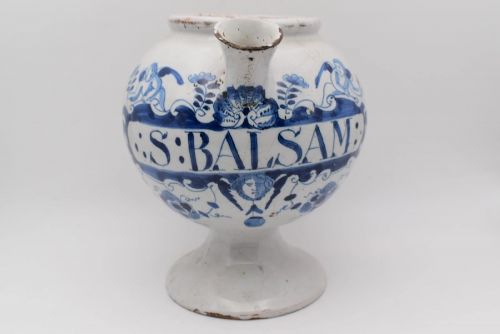


English Delftware Pottery
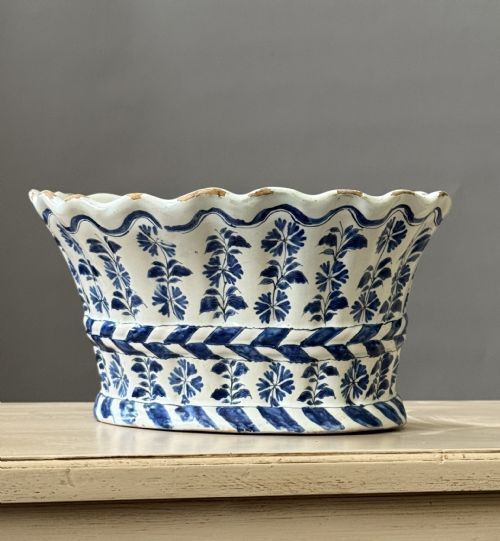
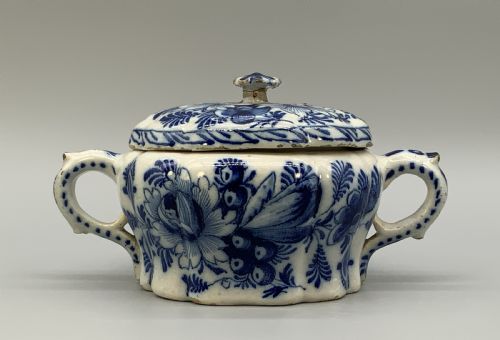
English delftware pottery comprises tin-glazed earthenware objects from the seventeenth and eighteenth centuries, offering collectors hand-painted blue and white or polychrome surfaces.
English Delftware Pottery
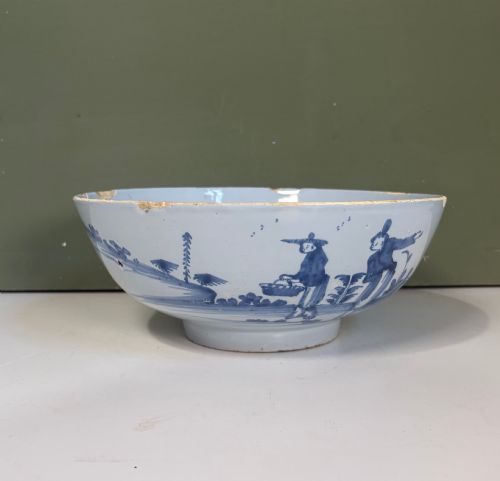
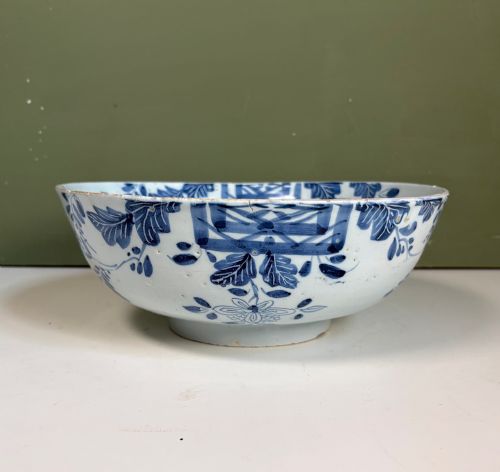
When you search for english delftware pottery, you encounter domestic and decorative vessels produced across seventeenth and eighteenth century England. The selection centres heavily upon plates, chargers, and bowls, alongside occasional specialised vessels.
Vessels span both blue and white designs and polychrome palettes, reflecting the output of English production sites such as Bristol and Lambeth. Simpler domestic plates appear alongside more ambitious chargers and apothecary jars.
How they were made
Potters formed these items from clay, building earthenware bodies that were subsequently coated in an opaque tin glaze. This white glaze provided a smooth ground for subsequent hand-painted decoration.
Painters applied cobalt pigment and other metallic colours directly onto the unfired tin glaze, absorbing the pigments into the surface during the kiln firing. Cobalt produced deep blue tones, while additional mineral oxides created polychrome effects.
English Delftware Pottery Retail Price Guide 2026
Typical asking prices for english delftware pottery among the pieces listed under this phrase on Sellingantiques today, from the lower quarter to the upper quarter. They describe what is for sale here now, not the wider market.
Listings for english delftware pottery span earthenware forms from the seventeenth and eighteenth centuries, incorporating cobalt pigment and tin glaze.
What varies in quality
The sophistication of the hand-painted brushwork distinguishes standard domestic output from more accomplished pieces. Confident, fluent painting on chargers and punch bowls shows greater technical mastery than repetitive floral motifs.
The stability and coverage of the tin glaze also differentiate examples, alongside the clarity of the cobalt pigment or polychrome colours after firing. Well-potted forms with minimal kiln distortion represent the upper tier of surviving pieces.
The English Delftware Pottery Glossary
- Tin Glaze
- An opaque white earthenware glaze containing tin oxide, providing the characteristic smooth surface for painted decoration.
- Charger
- A large decorative plate, typically exceeding standard dinner plate dimensions, frequently displayed on walls or sideboards.
- Polychrome
- Decoration utilising multiple colours rather than a single pigment, often combining blues, yellows, greens, and reds.
- Posset Pot
- A two-handled vessel with a spout, historically used for serving a spiced milk and wine drink during the seventeenth and eighteenth centuries.
English Delftware Pottery: Frequently Asked Questions
What is English delftware pottery?
English delftware pottery consists of tin-glazed earthenware vessels made during the seventeenth and eighteenth centuries.
These pieces feature hand-painted cobalt blue or polychrome designs on a white opaque glaze.
How do I tell seventeenth and eighteenth century pieces apart?
Seventeenth century examples often include specific functional forms like posset pots and apothecary jars with heavier potting.
Eighteenth century items lean more toward standard plates, bowls, and large chargers with varied floral or chinoiserie motifs.
Were these vessels used for dining?
Many plates and bowls served practical dining and serving functions in households of the period.
Larger chargers and apothecary jars served primarily as display items or functional storage containers.
How should I care for tin-glazed earthenware?
Display these ceramic pieces away from direct sources of heat and moisture to protect the porous earthenware body.
Clean them gently with a dry or barely damp cloth, avoiding harsh detergents that could harm the historic glaze.