


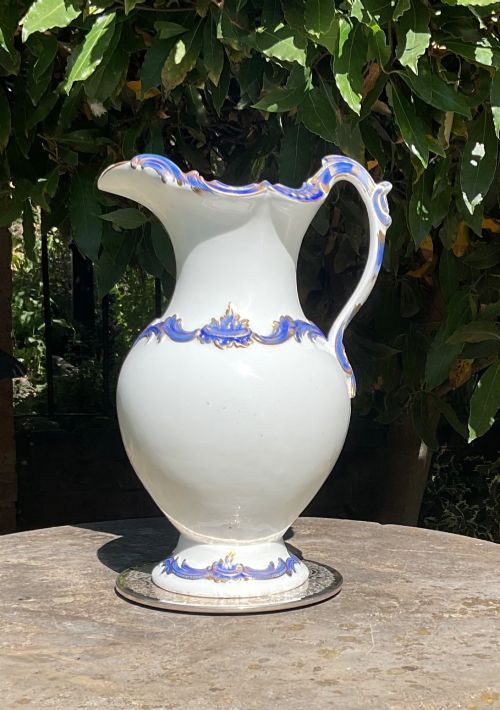
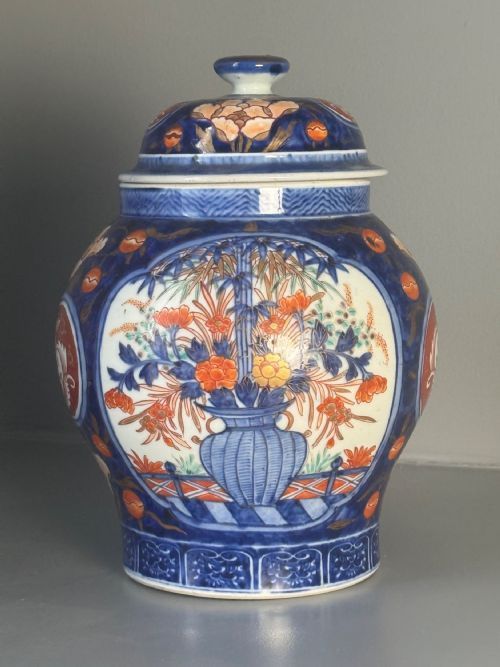
Cobalt Blue White Ceramic
Cobalt blue white ceramic pieces combine striking mineral pigments with clay bodies, offering collectors centuries of diverse global craftsmanship.

Cobalt Blue White Ceramic
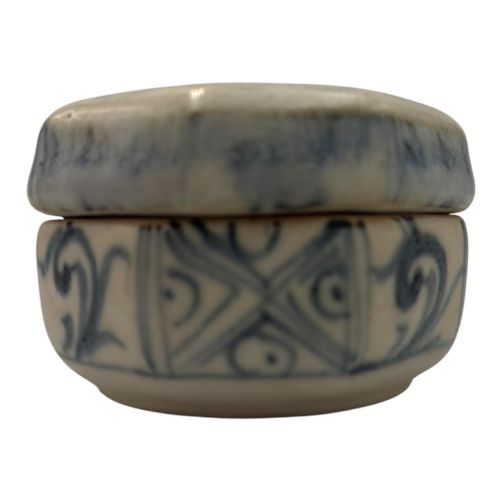
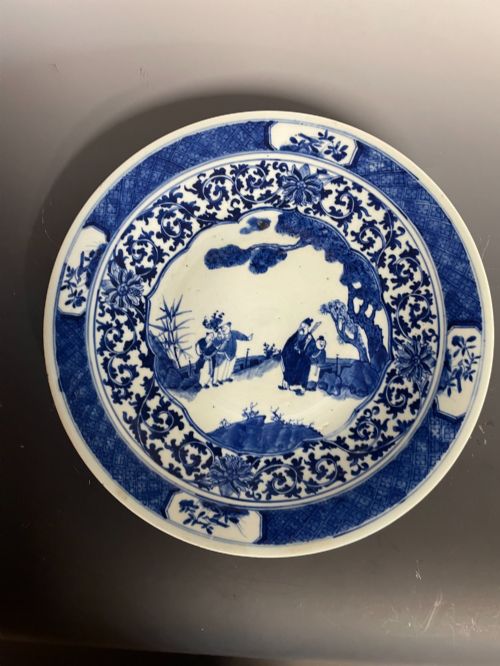
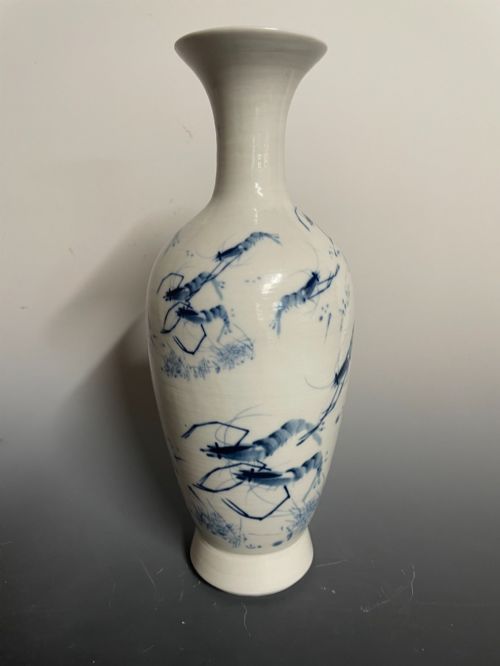
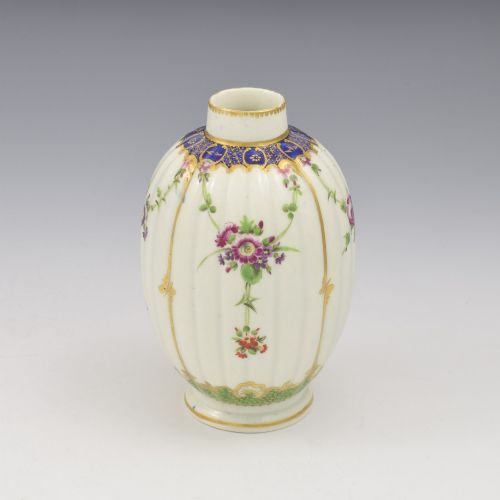
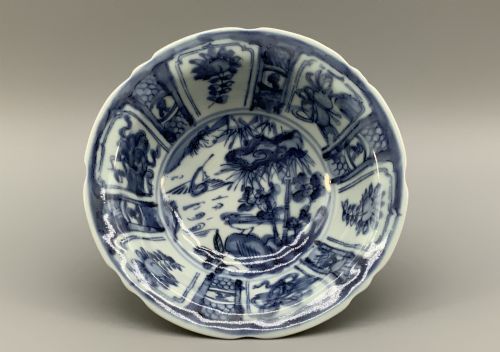
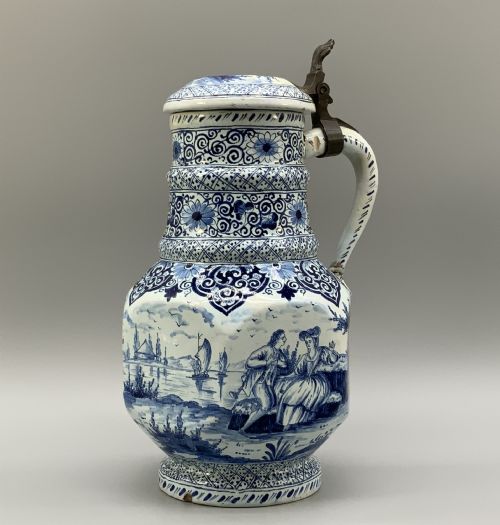
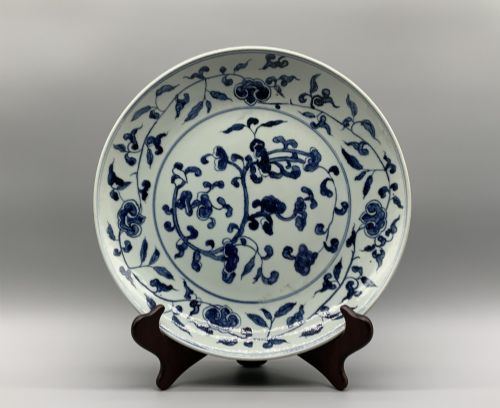
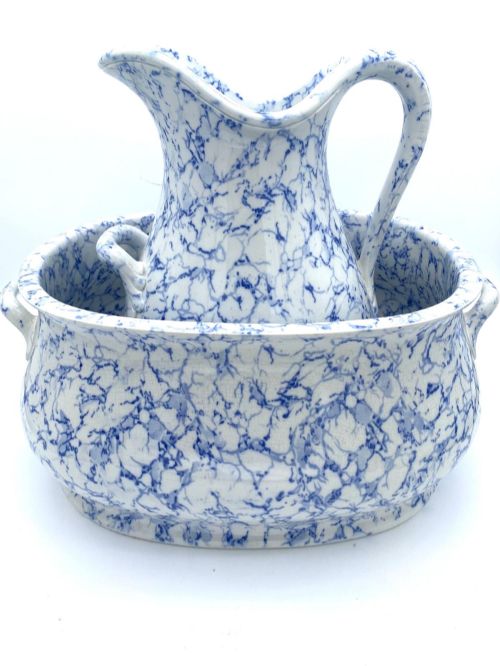
When searching for cobalt blue white ceramic, buyers encounter a wide array of domestic and imported vessels spanning multiple centuries. These objects range from heavy chargers and deep punch bowls to functional jugs, pitchers, and decorative vases.
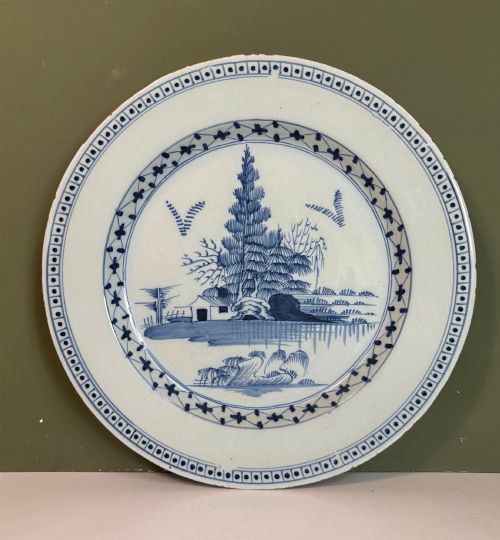
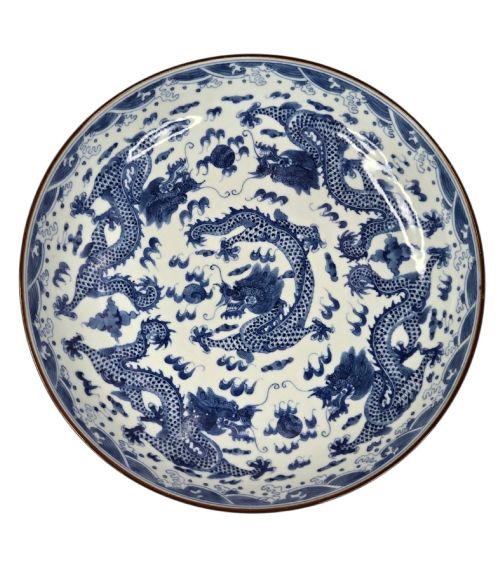
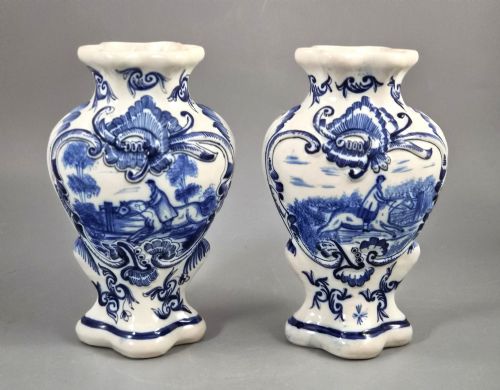
The selections on this page feature notable regional traditions, including English transferware, Dutch Delftware, Chinese export porcelain, and Japanese Imari wares. Each origin brings distinct clay bodies and stylistic motifs to the palette.
Vessels from the seventeenth, eighteenth, and nineteenth centuries dominate the current selection, reflecting shifts from hand-painted botanical and figurative designs to industrial transfer printing. Chargers and plates remain the most frequently encountered forms.
Methods and materials
Makers utilised porcelain and earthenware as foundational clay bodies, applying metallic cobalt oxide pigments directly onto the surface or beneath a clear glaze. This cobalt underglaze technique required precise kiln temperatures to achieve the signature rich blue tone.
Tin glaze and cobalt glaze applications defined European faience and Delftware production, creating an opaque white surface layer that mimicked the appearance of imported Asian porcelain. Transfer printing methods later emerged in English potteries during the Georgian and Victorian eras.
Enamel colours occasionally supplemented the primary blue and white scheme, particularly in Japanese Imari styles and certain Victorian decorative items. Firing processes varied from wood-burning kilns to controlled coal-fired ovens.
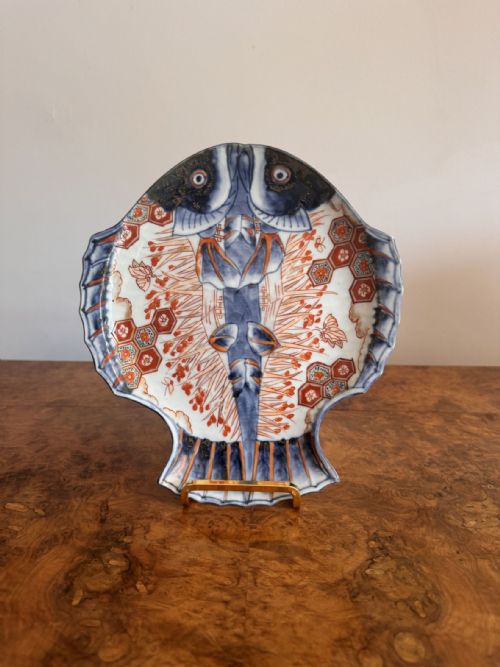
Some nineteenth-century Japanese plates take the literal form of swimming fish to serve up visual charm alongside dinner.
Assessing craftsmanship and finish
Quality rests upon the clarity of the painted or transferred cobalt decoration and the stability of the glaze. Superior examples display crisp outlines, deep cobalt saturation without unwanted bleeding, and minimal firing distortions in the clay body.
The refinement of the initial potting dictates the overall calibre of the piece, visible in the evenness of the walls and the careful finishing of bases and rims. Early porcelain demonstrates superior translucency and thinness compared to heavier contemporary earthenware bodies.
Fourmaintraux-Courquin at Desvres·J and R Riley·J and R Clews·Royal Bonn
The Cobalt Blue White Ceramic Glossary
- Cobalt Underglaze
- A decorative technique where cobalt oxide pigment is applied directly to the unglazed clay body before a transparent glaze layer is added and fired. This method protects the blue pigment beneath a glassy seal.
- Tin Glaze
- A lead glaze rendered opaque by the addition of tin oxide, creating a smooth white surface suitable for painted blue decoration. It is characteristic of Delftware and European faience.
- Transferware
- A pottery decoration method using an engraved copper plate to transfer a printed design onto tissue paper, which is then pressed onto the ceramic body. This innovation sped up production in English potteries.
- Charger
- A large decorative plate or platter typically displayed on walls or sideboard backs rather than used for dining. These wide surfaces often showcase the most elaborate cobalt blue scenes.
- Imari
- A style of Japanese porcelain featuring cobalt blue underglaze combined with iron red and gold overglaze enamels. Named after the port of export, these wares gained immense popularity in Europe.
Cobalt Blue White Ceramic: Frequently Asked Questions
How do I date an antique charger?
Dating relies on examining the foot ring, body composition, glaze characteristics, and the style of the painted or printed motifs. Earlier seventeenth and eighteenth-century pieces often show hand-thrown irregularities and tin-glazing.
Later Victorian and nineteenth-century examples frequently incorporate transfer printing techniques and standardised factory marks on the reverse. Comparing known stylistic periods helps narrow down the decade of production.
What is the difference between porcelain and earthenware?
Porcelain is fired at much higher temperatures using kaolin clay, resulting in a dense, non-porous, and occasionally translucent white body. Earthenware uses common clay, requires lower firing temperatures, and remains porous unless coated with an opaque glaze.
Cobalt blue decoration appears crisp and distinct on porcelain surfaces, whereas tin-glazed earthenware offers a softer, thicker background for hand-painted cobalt designs.
How should I care for antique ceramic vessels?
Display these items away from direct sunlight and areas subject to sudden temperature fluctuations to protect the glaze and body. Dust them gently with a soft, dry cloth rather than using chemical cleaning products.
Avoid submerging porous earthenware or pieces with repaired cracks in water. Hand washing with mild soap is only appropriate for sturdy, fully glazed porcelain items.
Why is the blue colour sometimes blurry?
Blurriness in cobalt decoration usually occurs when the pigment bleeds into the glaze during high-temperature kiln firing. This characteristic often helps distinguish early hand-painted underglaze wares from later, more precise transfer-printed items.
Such variations reflect the unpredictable nature of early chemical reactions in traditional kilns rather than a defect.