


Antique Asian Porcelain Plates
Antique asian porcelain plates bring centuries of kiln mastery to a room, offering intricate hand-painted designs from Japanese and Chinese makers.

Antique Asian Porcelain Plates
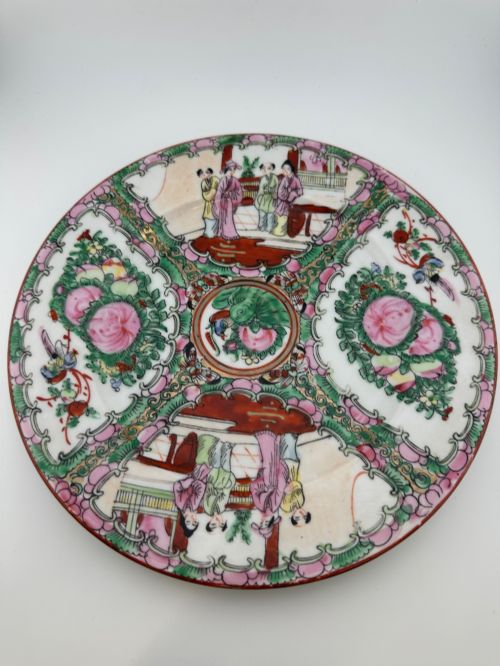
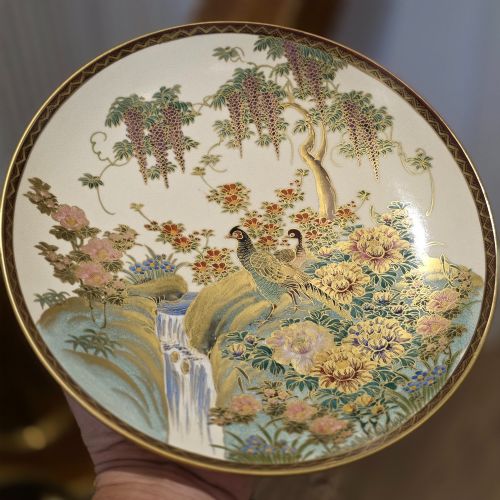
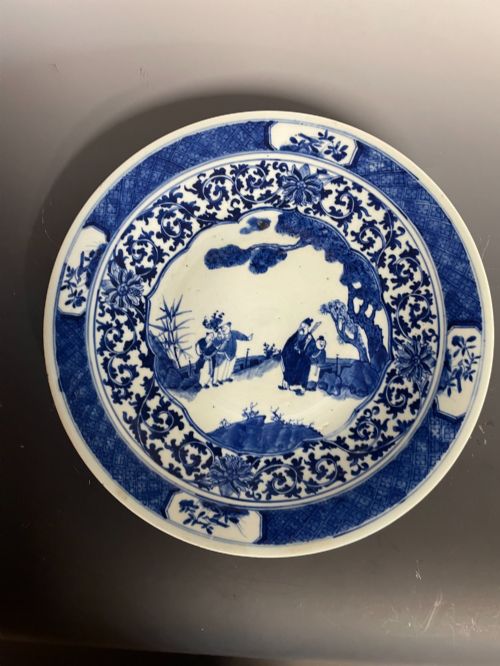
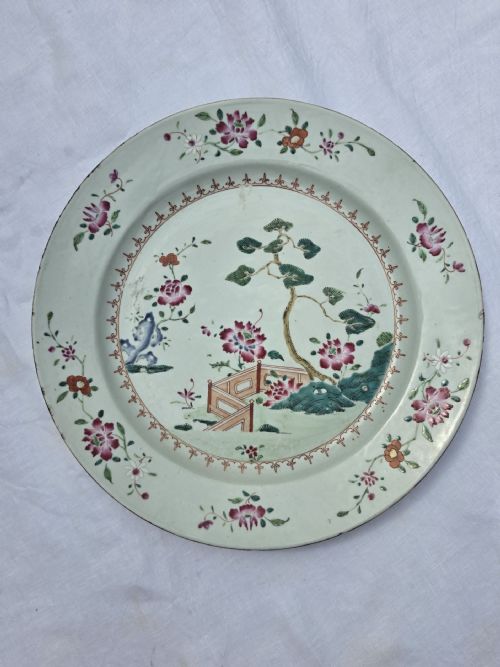
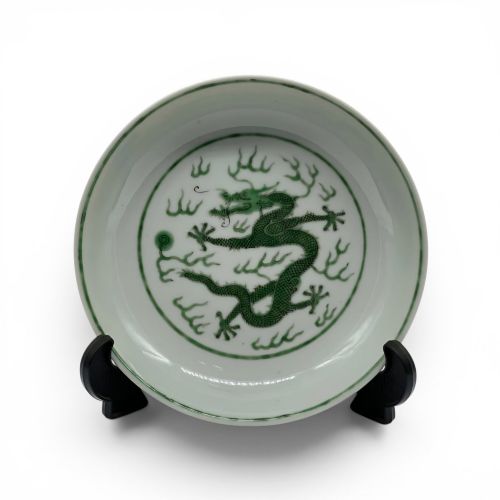
When you search for antique asian porcelain plates, you encounter a diverse selection spanning multiple centuries and kiln traditions. The pieces available here range from modest domestic dishes to large decorative chargers created for export or imperial use.
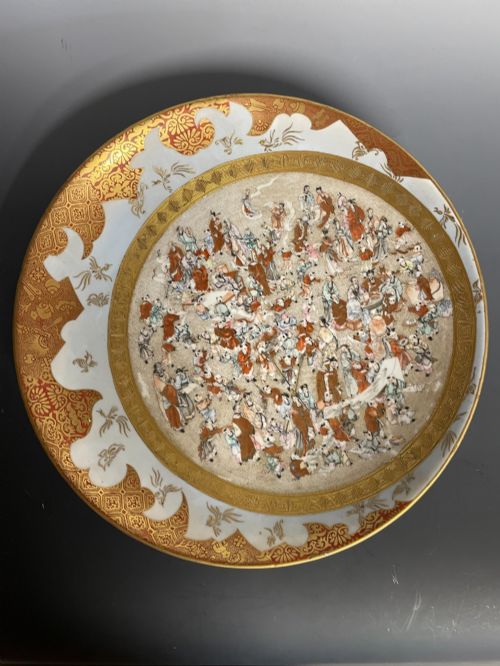
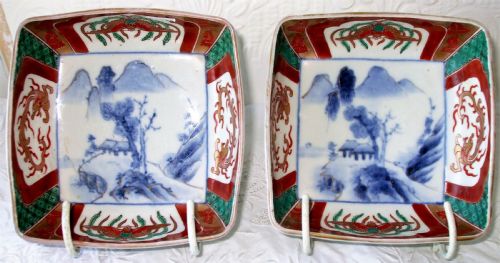
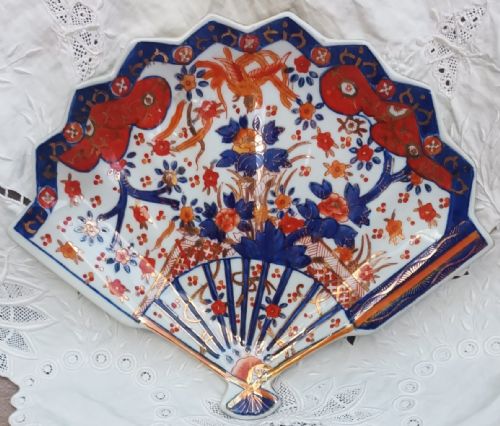
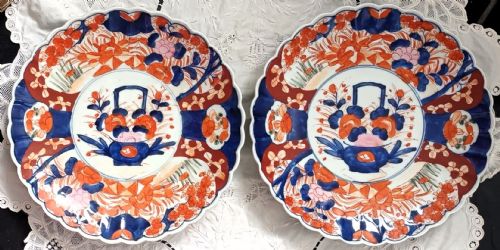
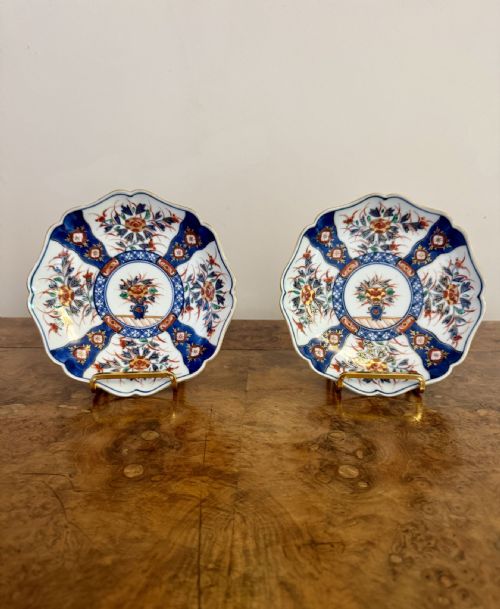
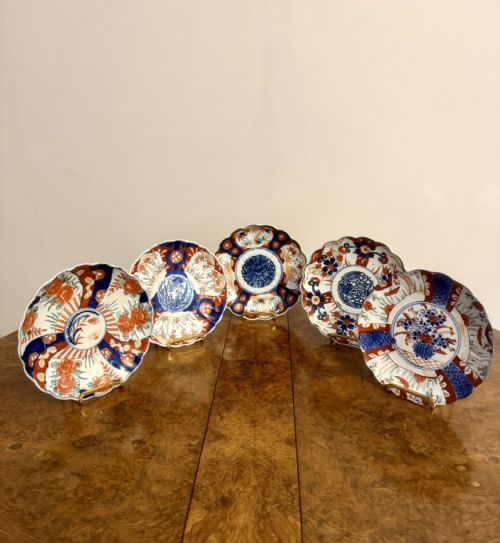
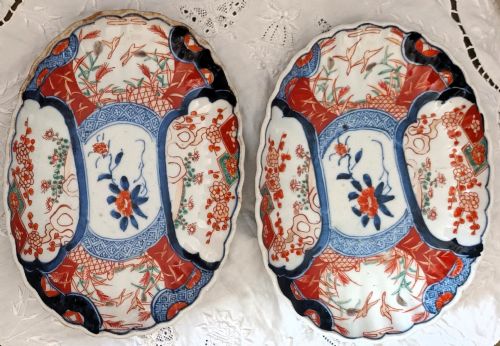
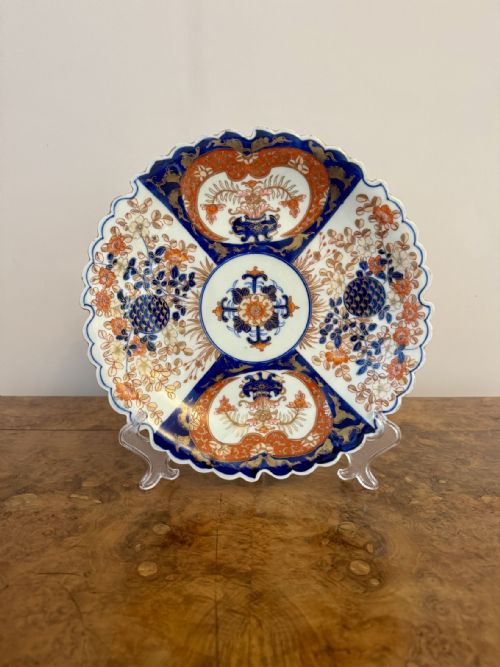
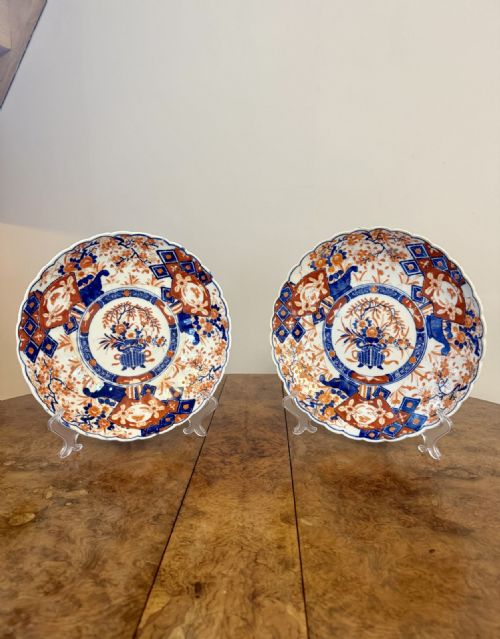
Japanese Imari stands out as the most common style on this page, alongside Kutani, Satsuma, and Chinese export wares. These objects encompass various forms such as scalloped plates, square dishes, shell-shaped vessels, and wide chargers.
The dates stretch from the seventeenth century through to the early twentieth century, taking in the Edo and Meiji periods alongside Qing Dynasty pieces. Buyers select these items for their decorative impact and the depth of their historic narrative.

Materials and production methods
The physical objects rely on fine ceramic bodies coated in vitreous glaze and fired at high temperatures in traditional kilns. Artisans utilised cobalt underglaze for deep blue pigments alongside vibrant surface enamels in iron red, green, and other hues.
Many items incorporate gold leaf or gilt details to highlight specific motifs, whilst others feature moulded floral scrolls or hand-painted figural scenes. These techniques demand precise control over kiln temperature and pigment mixing to achieve the finished result.
Materials recorded across these items include cobalt underglaze, enamel, gold leaf, and celadon glaze on ceramic and earthenware bodies.
Distinguishing quality across the range
Quality rests upon the crispness of the hand-painted brushwork and the complexity of the design composition. Pieces depicting detailed narratives, such as the Seven Lucky Gods or complex floral arrangements, demonstrate superior artistic execution.
The balance of the glaze, the precision of the kiln firing, and the delicacy of the porcelain body differentiate standard production wares from superior examples. Preservation of the original enamel colours and gold leaf also elevates a piece within the range.
Koshida
The Antique Asian Porcelain Plates Glossary
- Imari
- A traditional Japanese style originating from Arita, characterised by a palette of underglaze blue, iron red, and gold. These pieces often feature dense geometric and floral patterns.
- Celadon
- A type of ceramic glaze denoting a pale green hue, often associated with jade and produced by iron oxide in the reduction kiln. Longquan kilns are particularly noted for this finish.
- Charger
- A large decorative plate or platter that exceeds the size of standard dining ware. These items were frequently displayed on walls or sideboard stands.
- Famille Rose
- A Chinese porcelain palette introduced in the Qing Dynasty, distinguished by opaque pink enamel derived from colloidal gold. The style permits subtle tonal gradations in floral and figural depictions.
Antique Asian Porcelain Plates: Frequently Asked Questions
How do I hang a heavy charger?
Large chargers require secure wall mountings with coated spring-loaded brackets that distribute the weight evenly across the rim. Ensure the fixture anchors firmly into a wall stud rather than plaster alone.
Verify that the chosen hanger size matches the diameter and depth of the specific dish before mounting.
Are these plates safe for food use?
Antique porcelain wares from the seventeenth to early twentieth centuries are best reserved for display rather than daily dining. Historic glazes and surface enamels can contain elements unsuited to modern culinary use.
Hand washing in lukewarm water without harsh detergents protects the delicate gold leaf and overglaze enamel work.
How can I distinguish Imari from Kutani?
Imari relies on a distinct combination of cobalt blue underglaze and iron red overglaze, frequently enriched with gilt details. The patterns tend toward structured panels of florals and brocade motifs.
Kutani wares often showcase a more painterly approach with heavy green, purple, and yellow enamels depicting landscapes or figural groups.
What defines an Edo period piece?
The Edo period spans from sixteen hundred and three to eighteen hundred and sixty-eight in Japanese history. Wares from this era reflect specific stylistic restraints and traditional kiln methods unique to feudal Japan.
Examining the foot ring, potting weight, and pigment characteristics helps differentiate Edo items from later Meiji period production.