


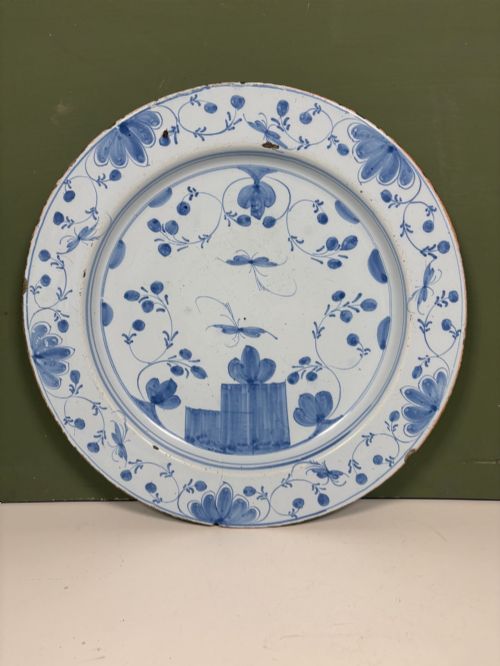


Dutch Delftware Wall Plates
These dutch delftware wall plates bring centuries of earthenware history to a room, offering bold cobalt pigments and intricate hand-painted designs.
Dutch Delftware Wall Plates
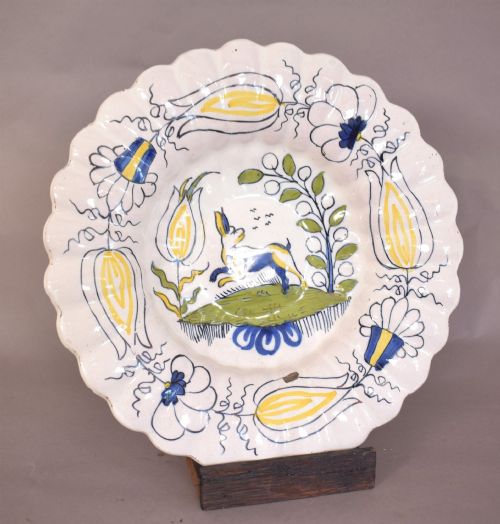
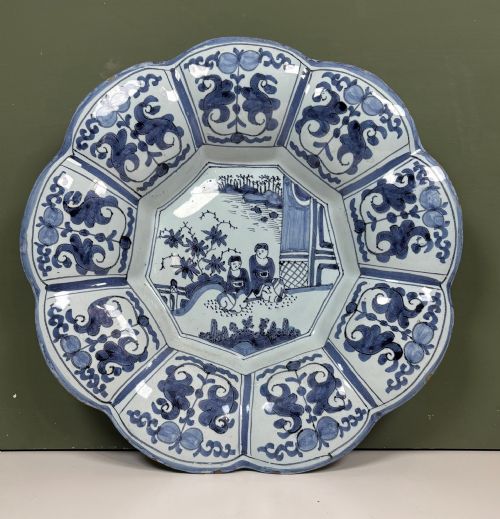
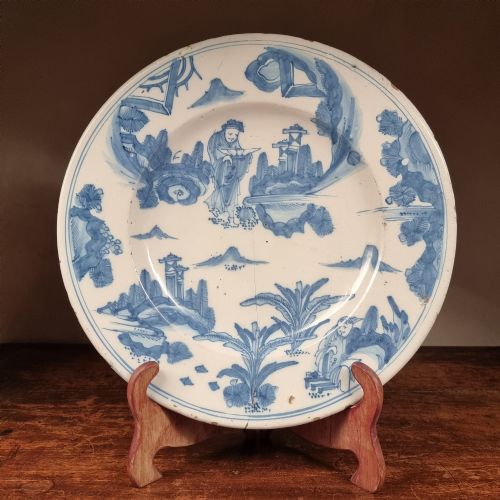
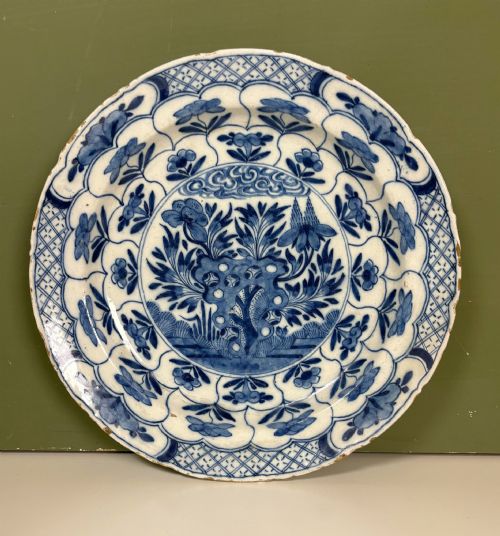
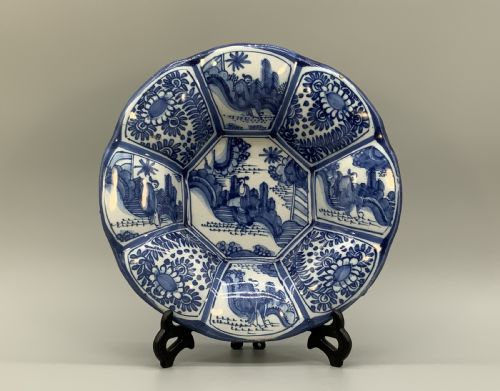
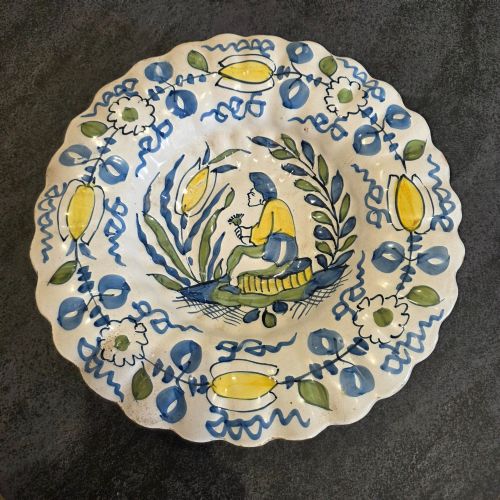
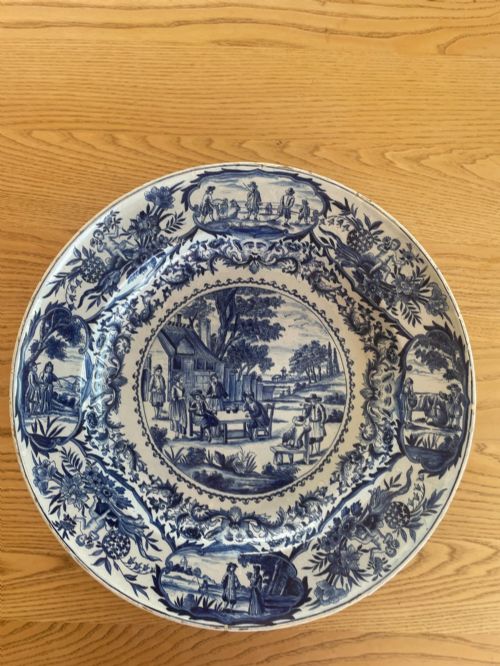
When someone searches for dutch delftware wall plates, they are looking at earthenware vessels created for display, most frequently encountered as chargers and decorative plates from the seventeenth and eighteenth centuries. These pieces encompass large display chargers alongside smaller plates, often featuring blue and white palettes or polychrome decoration inspired by Chinese export porcelain.
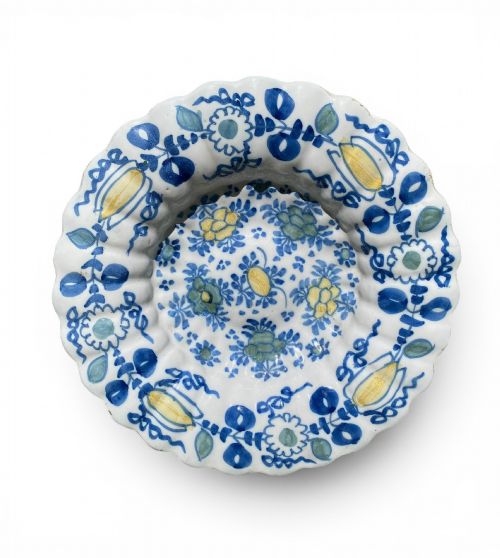
The objects span periods from the seventeen hundreds through to the nineteenth century, reflecting the longevity of ceramic production in the Netherlands. Buyers will find shallow bowls, lobed dishes and broad chargers that represent both Dutch Golden Age traditions and later eighteenth-century geometric floral designs.
How they were made
Potters built these items using earthenware covered in a tin glaze, which provided a smooth, opaque white surface suitable for painting. Artisans then applied cobalt oxide and other mineral pigments directly onto the unfired glaze before high-temperature firing.
Grand feu techniques allowed specific manganese and polychrome colours to fuse with the tin glaze during firing. Painters utilised brushwork to create Chinese-inspired motifs, botanical patterns and Kraak-style borders across the clay bodies.
The listings span three centuries of production, covering both seventeenth-century Kraak designs and eighteenth-century polychrome chargers.
What varies in quality
Quality rests upon the crispness of the cobalt pigment application and the balance of the hand-painted composition across the surface of the charger or plate. Superior examples display confident brushwork in floral or Chinoiserie scenes, whereas simpler pieces show heavier, more rigid lines.
The depth and brilliance of the tin glaze also differentiate the pieces, with finer ceramics retaining a smooth, even finish that enhances the polychrome or manganese details. The complexity of lobed shapes and the scale of large chargers demand greater technical skill from the potter.
The Dutch Delftware Wall Plates Glossary
- Tin-Glazed Earthenware
- Pottery fired from clay and coated with a metallic glaze containing tin oxide to create an opaque white surface. This technique forms the foundation of all authentic Delft production.
- Charger
- A large decorative plate traditionally intended for display on a wall or dresser rather than for dining. These substantial dishes measure well beyond standard tableware.
- Polychrome
- Decoration employing multiple colours rather than a single pigment like cobalt blue. Painters used these varied hues for floral and geometric compositions.
- Kraak Style
- A decorative layout inspired by Chinese export porcelain featuring panelled borders and central motifs. This aesthetic heavily influenced seventeenth-century Dutch potters.
- Cobalt Pigment
- The metallic oxide utilised to produce the characteristic deep blue colour on ceramic surfaces. It reacts during the firing process to achieve varying tones.
Dutch Delftware Wall Plates: Frequently Asked Questions
How do I hang a wall plate safely?
Display chargers and plates require specialised wire hangers that grip the rim securely without placing undue pressure on the earthenware body.
Ensure the wall fastening is anchored firmly into brick or studwork to support the weight of larger seventeenth and eighteenth-century chargers.
Were these plates used for dining?
Most large examples function primarily as decorative chargers meant for display on walls or sideboards during their period of origin.
Smaller plates sometimes served functional dining roles, though their tin-glazed surfaces remained susceptible to chipping from heavy cutlery.
What is the difference between blue and white and polychrome?
Blue and white pieces rely exclusively on cobalt pigment applied beneath or over the tin glaze to form monochrome designs.
Polychrome items incorporate additional colours such as yellow, green and red to create richer, multi-hued floral and geometric patterns.
How can I tell a seventeenth-century piece from an eighteenth-century one?
Early pieces often reflect Kraak-style influences with distinct panelled borders and deep cobalt tones characteristic of the Dutch Golden Age.
Later eighteenth-century examples frequently showcase lighter floral arrangements, manganese hues and broader, less compartmentalised compositions.