




Antique Blue Pottery Dish
When you search for an antique blue pottery dish, you enter a world of cobalt pigments, tin glazes, and earthenware forms.
Antique Blue Pottery Dish
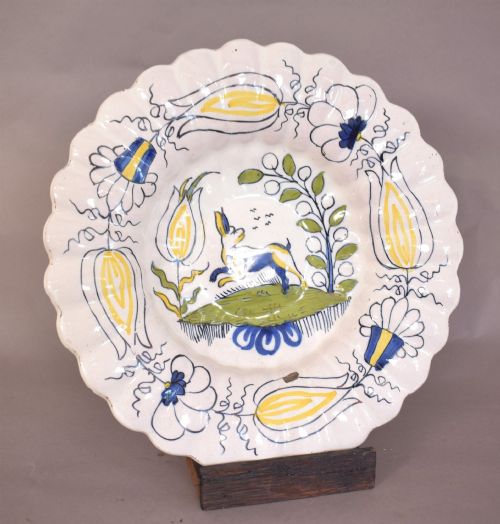
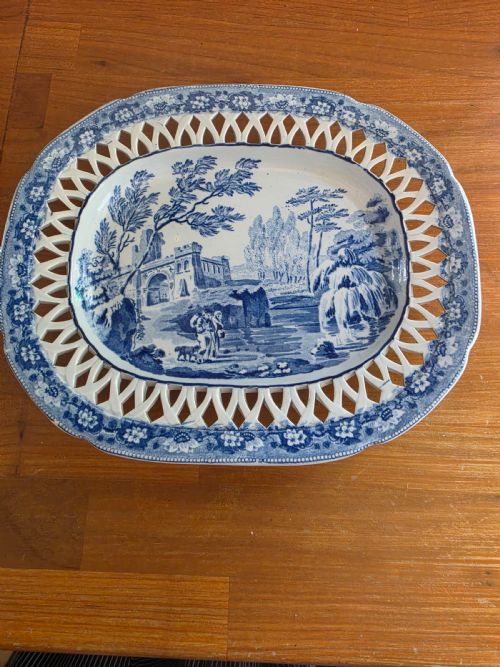
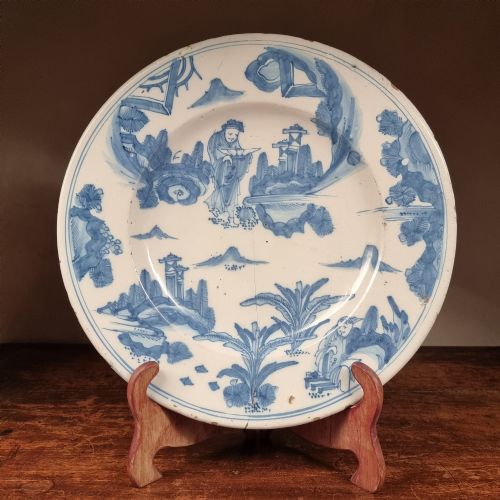
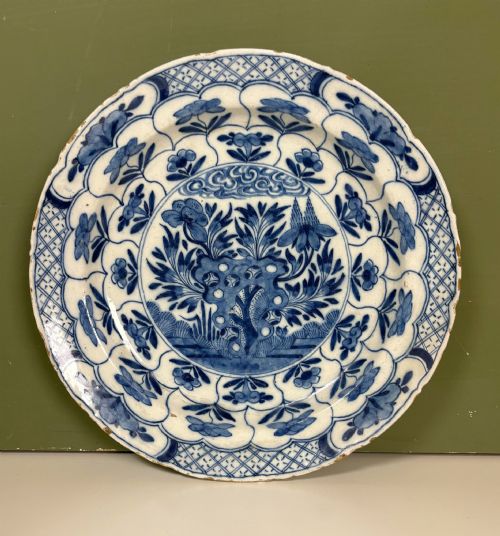
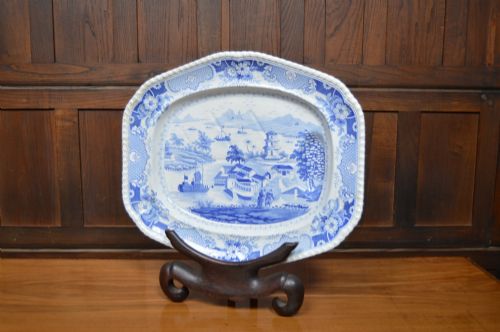
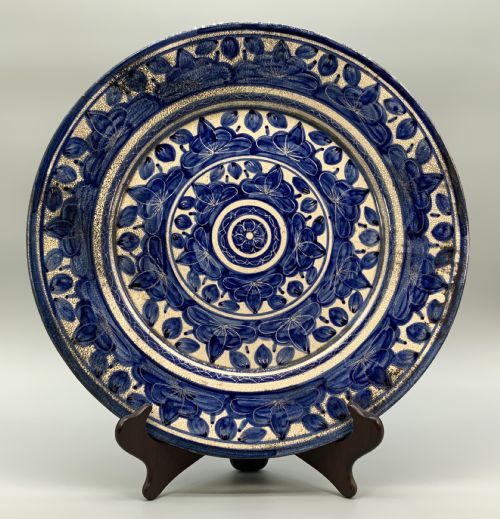
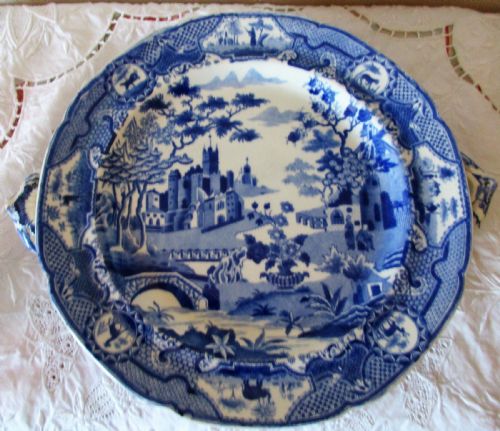
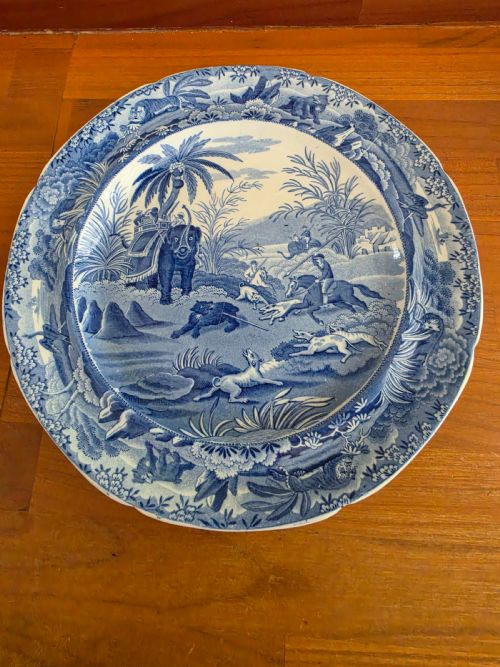
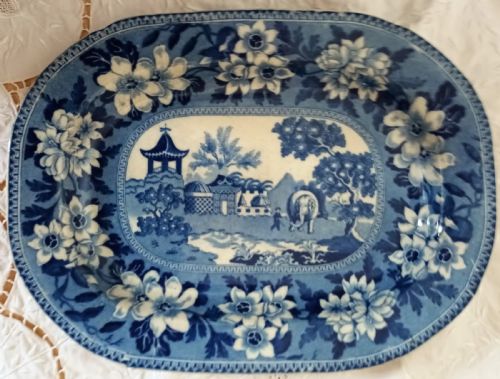
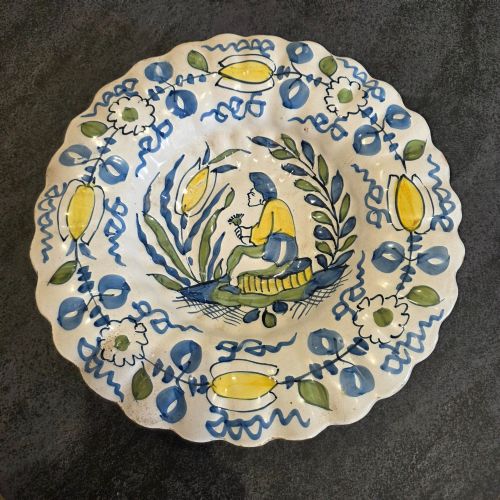
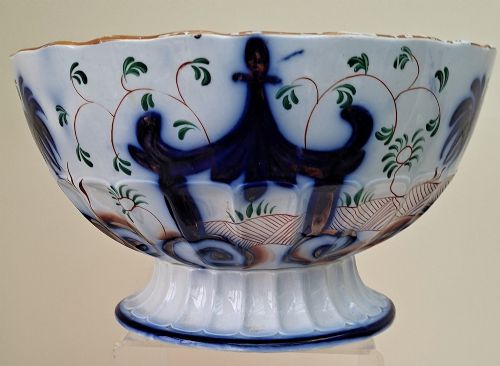
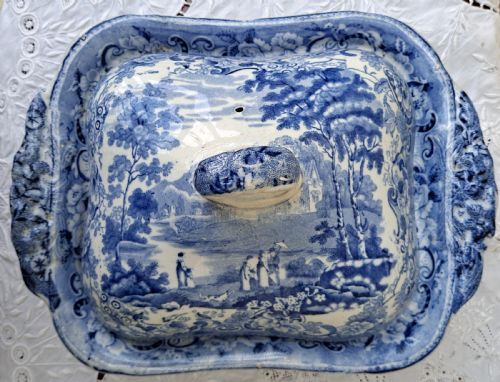
An antique blue pottery dish spans centuries of domestic and decorative ceramics, encompassing shallow bowls, chargers, platters, and tureens. The pieces you encounter most often on this page date from the eighteenth and nineteenth centuries, reflecting the widespread popularity of blue and white transfer printing and tin-glazed earthenware during those eras.
Makers across England, Europe, and Asia produced these items for daily service and display, resulting in forms ranging from simple plates to elaborate vegetable tureens and large wall chargers. Dutch and English delftware sit alongside Staffordshire transferware and oriental porcelain, providing a diverse selection of blue-decorated ceramics for the modern interior.
How they were made
Potters shaped earthenware, ceramic, and porcelain bodies by hand or on the wheel before applying mineral pigments. Cobalt oxide and cobalt pigments provided the characteristic blue colour, which remained stable under high kiln temperatures.
Tin glaze applied to earthenware created an opaque white surface that received hand-painted designs or transfer prints. Artisans then fired the pieces again to fuse the vitreous glaze with the body.
Cobalt pigment and cobalt oxide dominate the palette across English transferware, Dutch delft, and Japanese Imari.
What varies in quality
The precision and clarity of the cobalt transfer print or hand-painted brushwork separate ordinary vessels from exceptional works. Crisp details in pictorial scenes and depth in the blue pigment indicate superior craftsmanship.
The smoothness of the tin glaze, the absence of excessive kiln distortion in large chargers, and the finesse of moulded details on edges and handles further distinguish finer pieces.
Davenport·Spode·John Rogers and Son·James Wallace and Co·J and R Clews·J and R Riley·Mintons·Thomas and Benjamin Godwin·Doulton Burslem
The Antique Blue Pottery Dish Glossary
- Charger
- A large decorative plate or platter intended for display on a wall or dresser rather than for serving food at the table.
- Tin Glaze
- An opaque white ceramic glaze containing tin oxide, used extensively on earthenware to provide a smooth ground for blue painted decoration.
- Transferware
- Pottery decorated by applying a printed design from a copper plate onto paper, which was then transferred onto the unglazed or bisque ceramic body.
- Faience
- European tin-glazed earthenware produced in France, Italy, and other regions, known for colourful or blue painted motifs.
Antique Blue Pottery Dish: Frequently Asked Questions
How do I display an antique dish safely?
Large chargers and platters often feature original foot rings with hanging holes, or you can use specialised brass spring hangers that distribute weight evenly across the rim. Ensure any wall fixings are secure in solid masonry or stud work.
Keep display pieces away from direct sunlight and areas of high humidity to protect the ancient earthenware body and tin glaze from gradual degradation.
Can I use these dishes for serving food?
While many eighteenth and nineteenth-century pieces were made for dining, porous earthenware and fragile tin glazes require extreme care. Modern detergents and dishwashers can permanently craze or etch the historical surface.
Hand washing in lukewarm water with mild soap is essential if you choose to use them for dining, though many collectors prefer to keep them for display only.
How do I tell tin glaze from porcelain?
Tin-glazed earthenware has a heavier, opaque white ceramic body where the white glaze hides the darker clay underneath. If chipped, you will see a buff or pinkish earthenware body beneath the white surface.
Porcelain is vitrified, harder, and often translucent when held to the light, with a body that appears white right through any small fracture or base rim.