


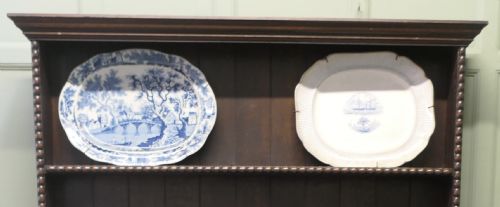
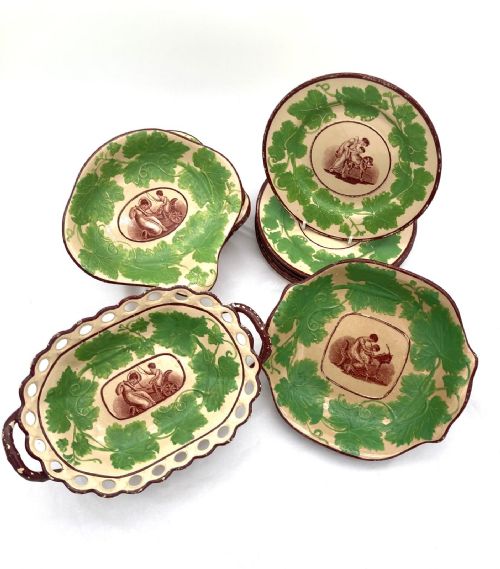
Georgian Earthenware Plate
These a georgian earthenware plate pieces bring functional table service and hand-painted artistry from the eighteenth and nineteenth centuries into modern homes.
Georgian Earthenware Plate
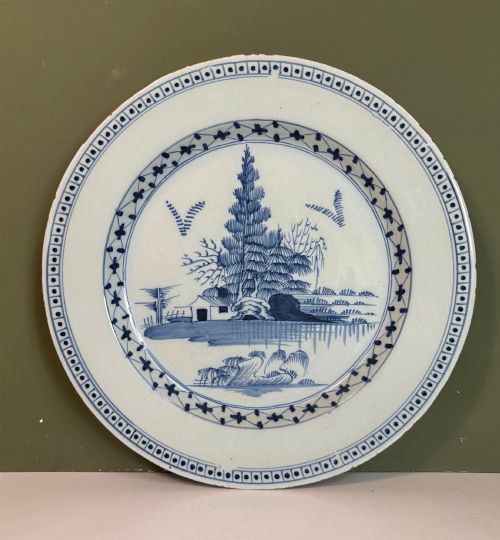
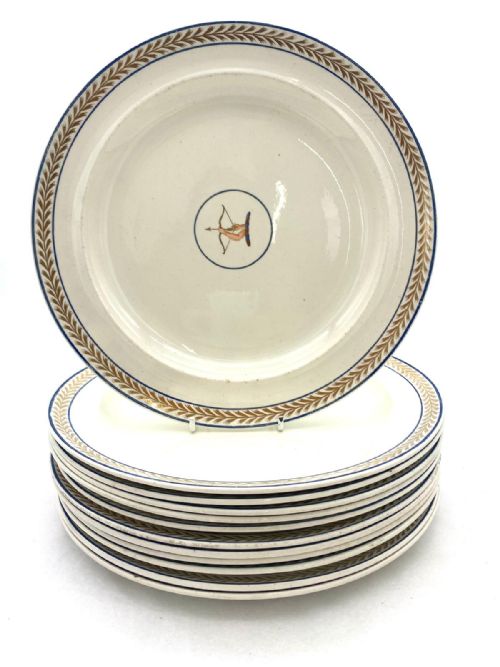
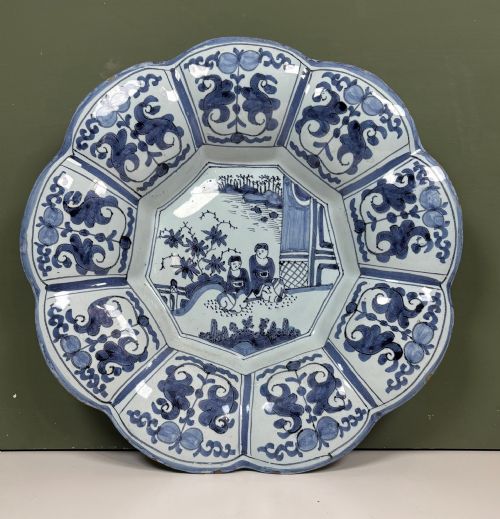
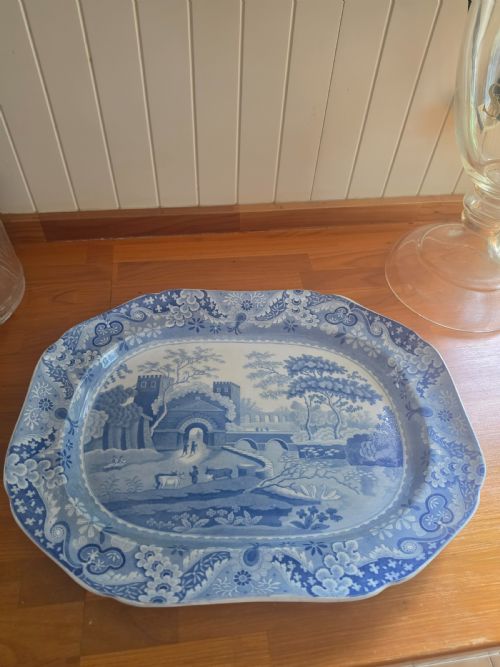
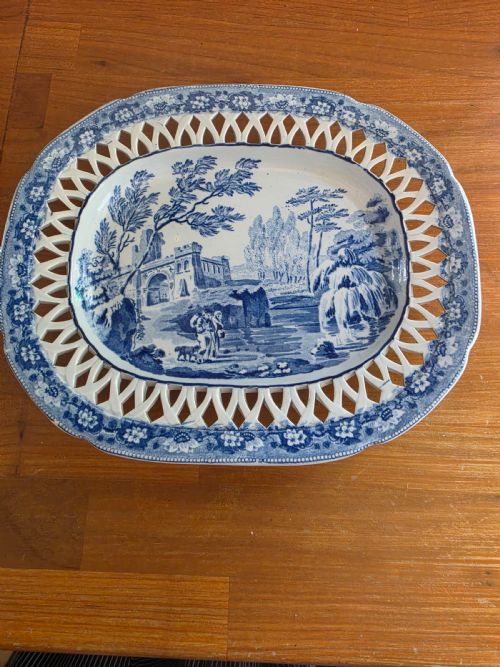
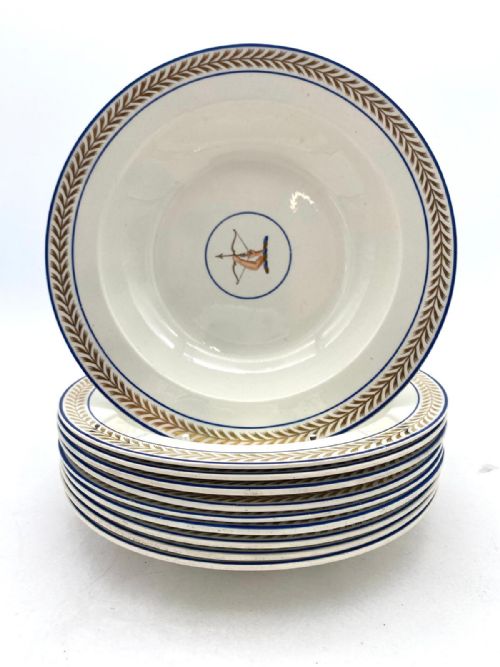
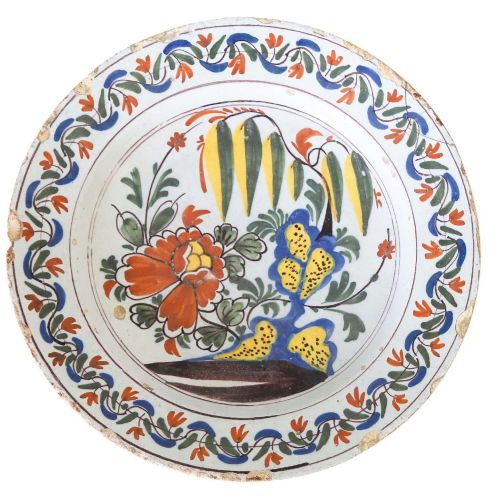
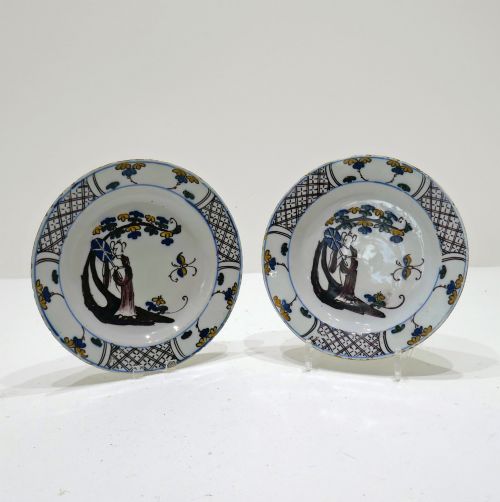
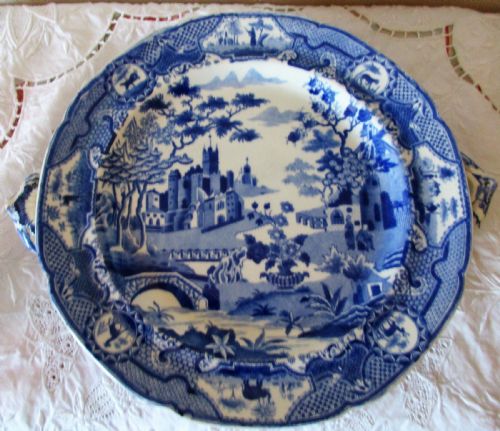
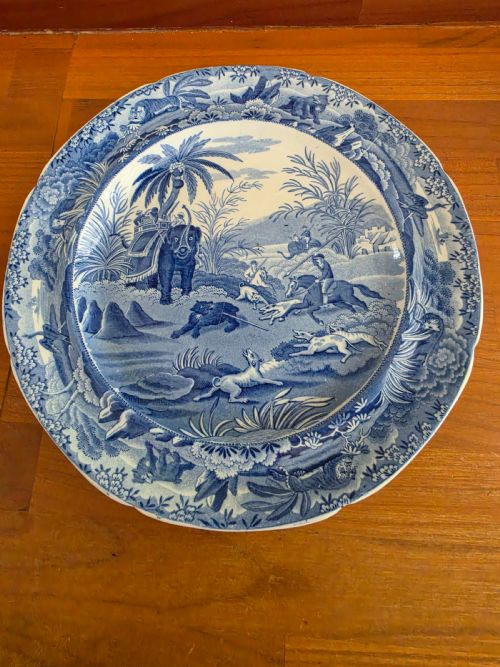
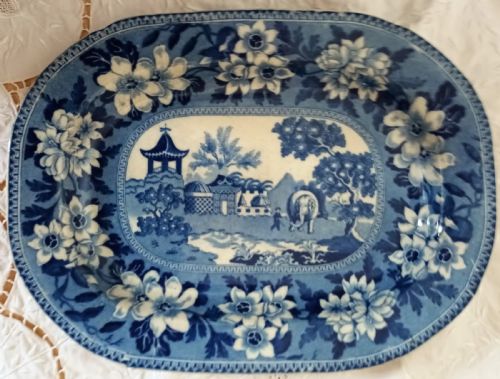
A georgian earthenware plate encompasses utilitarian and decorative tableware shaped across the eighteenth and nineteenth centuries. The selection on this page centres heavily upon blue and white transfer-printed pottery, delftware chargers, and creamware dishes originating from English factories and potteries.
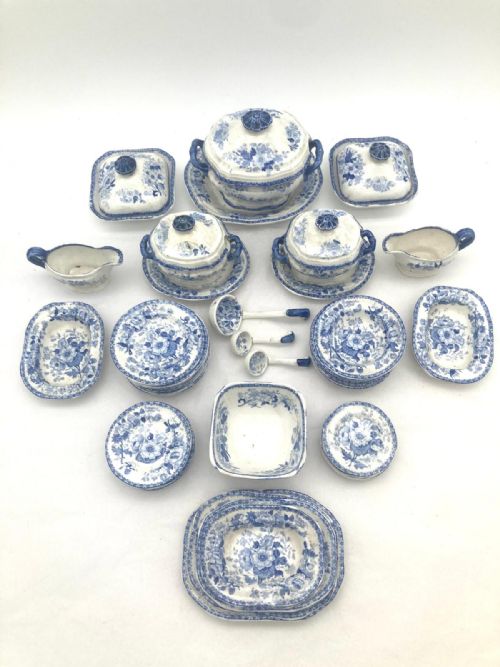
Buyers encounter forms ranging from small dessert plates and hot-water plates to large serving platters and decorative chargers. These pieces record historical views, armorial crests, and floral motifs executed in cobalt pigment, tin glaze, and polychrome enamels.
The periods represented span early delft production through to Regency and Victorian ironstone china. Many pieces display distinct regional styles such as Bristol and Lambeth delftware alongside Staffordshire pearlware.
How They Were Made
Potters shaped local clays into earthenware bodies before applying tin glazes or absorbent creamware slips. Cobalt oxide and polychrome pigments provided the primary colour palette for hand-painted decoration.
Transfer printing revolutionised production by allowing intricate copperplate engravings to be transferred onto the ceramic surface. Glaze firings fixed these designs, creating durable surfaces suitable for daily dining or display.
Georgian Earthenware Plate Retail Price Guide 2026
Typical asking prices for georgian earthenware plate among the pieces listed under this phrase on Sellingantiques today, from the lower quarter to the upper quarter. They describe what is for sale here now, not the wider market.
Plates occasionally preserve the blue footprints of eighteenth-century flies that landed on the glaze before firing.
What Varies in Quality
The clarity and depth of the transfer print or hand-painted brushwork dictate visual refinement. Crisp lines and well-registered patterns separate superior examples from softer, blurred impressions.
The crispness of moulded edges and the uniformity of the ceramic body influence overall durability and appearance. Intact glazes with minimal crawling or pooling indicate superior kiln control during production.
Wedgwood·Spode·Davenport·John Rogers and Son·Stubbs·Caughley·Minton
The Georgian Earthenware Plate Glossary
- Pearlware
- A refined earthenware developed by Josiah Wedgwood in the late eighteenth century. It incorporates a small amount of cobalt in the glaze to neutralise the natural yellowish body tint, resulting in a bluish-white appearance.
- Transfer printing
- A decoration technique where an engraved copper plate transfers a design onto paper, which is then stamped onto the ceramic biscuit. This method allowed complex pictorial scenes to be replicated consistently.
- Creamware
- A light-coloured refined earthenware perfected in eighteenth-century Staffordshire. It possesses a warm, pale yellow hue under a transparent lead glaze.
- Charger
- A large decorative plate or platter primarily intended for display on a sideboard or wall rather than general dining use. These pieces often measure significantly wider than standard dinner plates.
Georgian Earthenware Plate: Frequently Asked Questions
What is a georgian earthenware plate?
A georgian earthenware plate is a ceramic dining or decorative piece made in Britain during the eighteenth and early nineteenth centuries. These items include tin-glazed delftware, creamware, and transfer-printed ironstone.
They reflect the domestic tastes and ceramic technologies of the Georgian era, combining utility with hand-painted or printed artistry.
How were these plates used?
Many plates served practical functions at dining tables for meals, desserts, or serving meats. Larger chargers and decorated platters were frequently displayed on sideboards or walls.
Hot-water plates featured hollow compartments filled with warm water to keep food from cooling during long meals.
How do I care for antique earthenware?
Wash antique earthenware by hand using warm water and mild soap rather than placing them in a dishwasher. Avoid harsh scrubbing or abrasive pads that can damage historic glazes.
Display or store them securely away from high-traffic edges to prevent chipping or accidental drops.